By Ali Sawafta
RAMALLAH, West Bank, July 25 (Reuters) - Palestinian officials welcomed UNESCO's designation of Sebastia in the occupied West Bank as a World Heritage site, hoping it will prevent Israel extending its control at the ancient village, while Israel condemned it as a political decision.
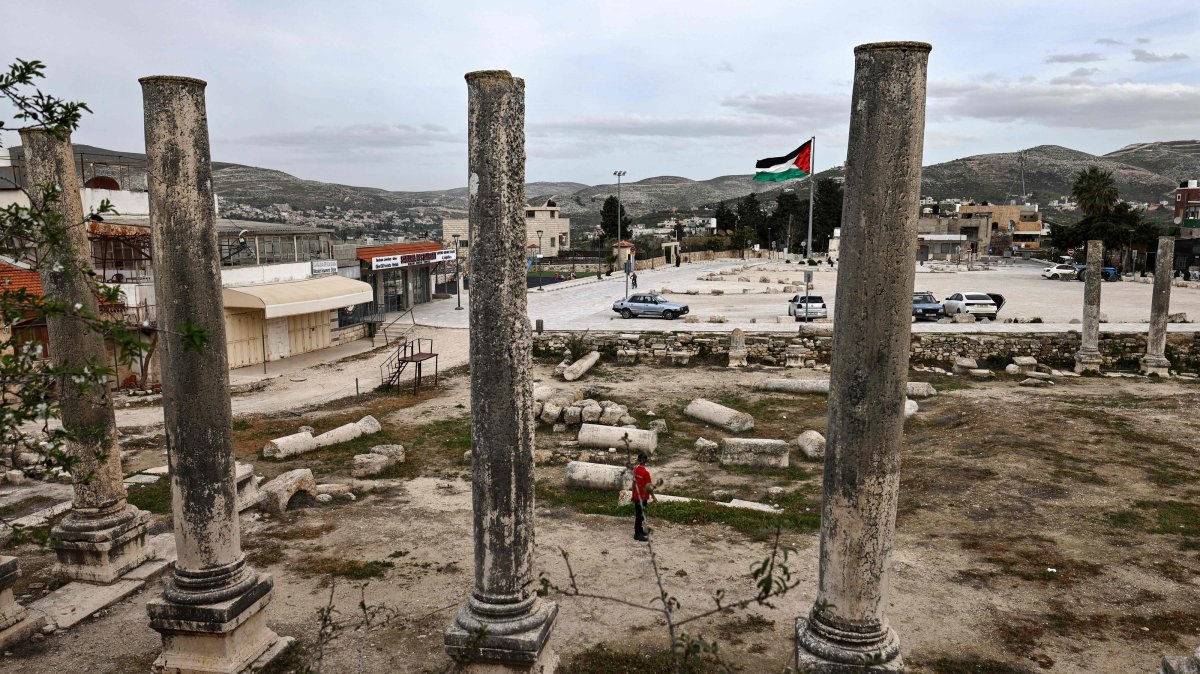
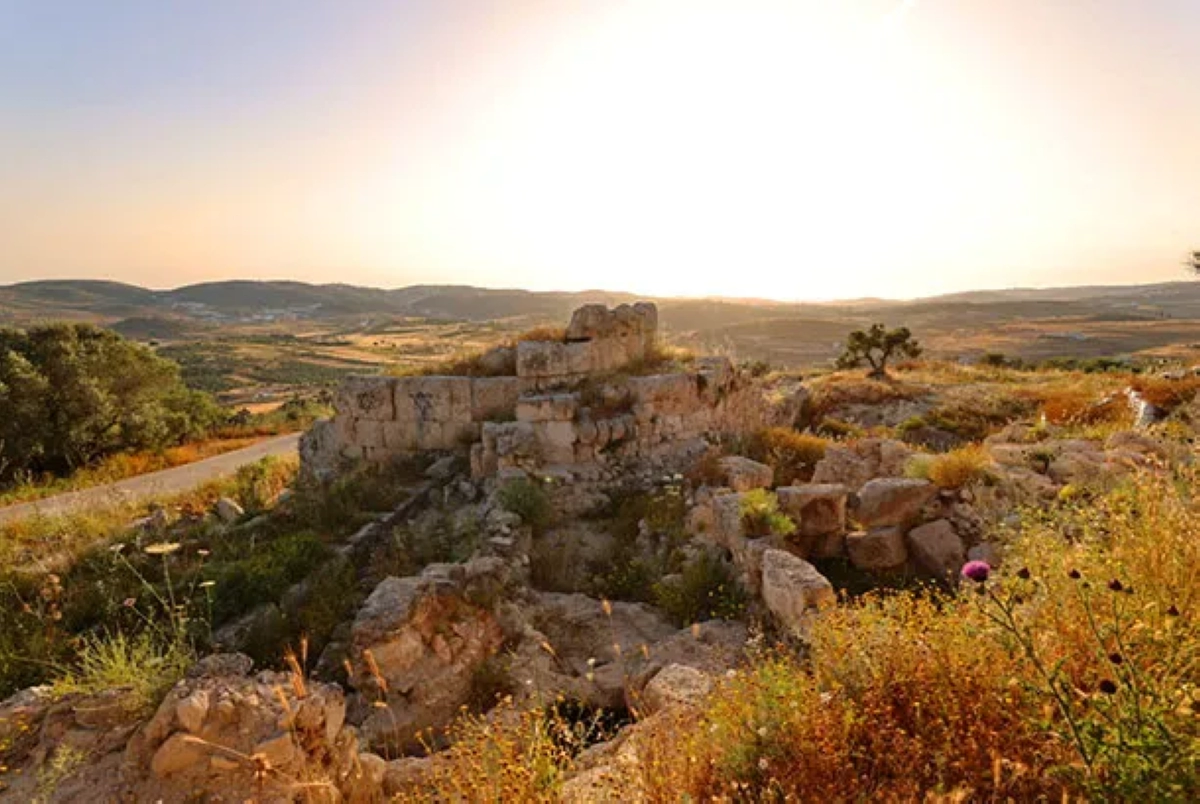
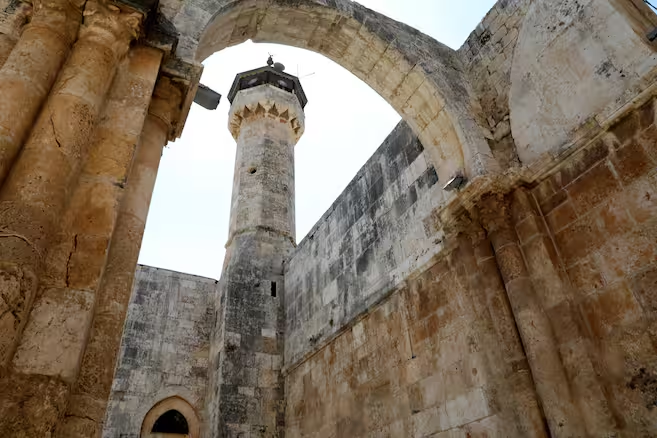
Sebastia, in the northern West Bank, has archaeological remnants from successive periods dating back at least to the 9th-century BC capital of the Israelite kingdom, through the Hellenistic, Roman, Byzantine, Islamic periods, Crusader and Ottoman eras, according to UNESCO, the United Nations cultural organisation.
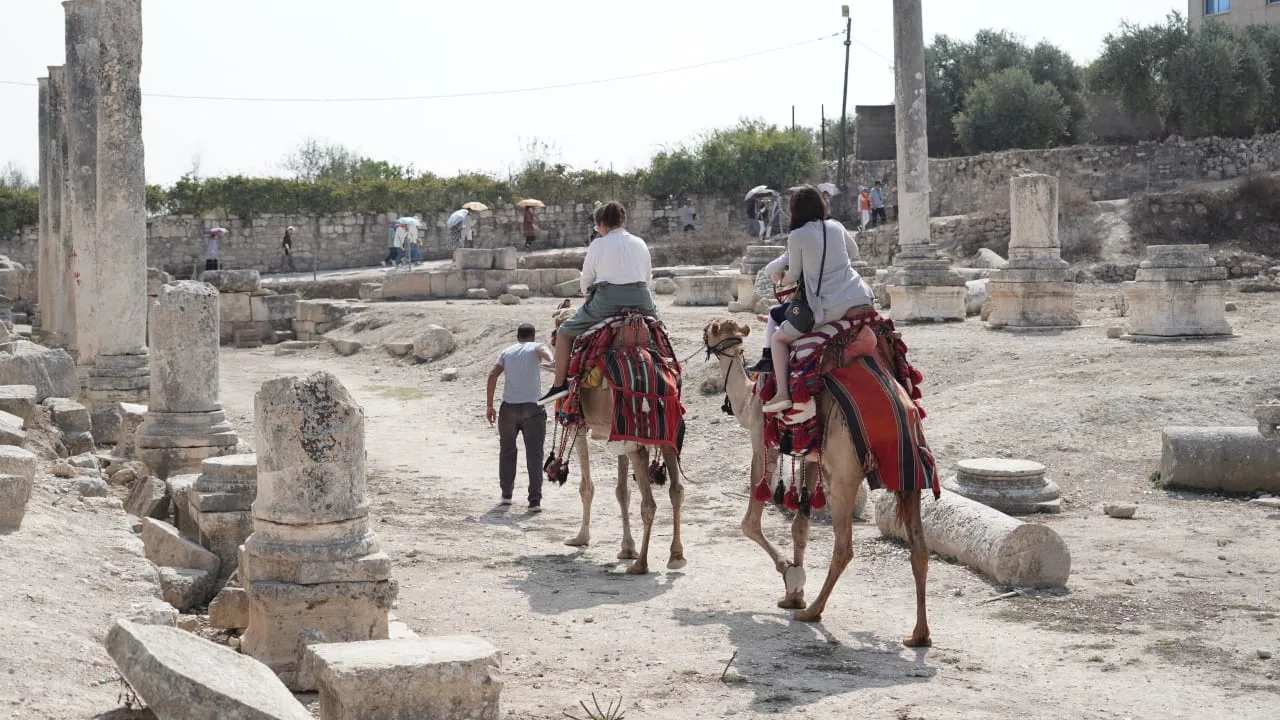
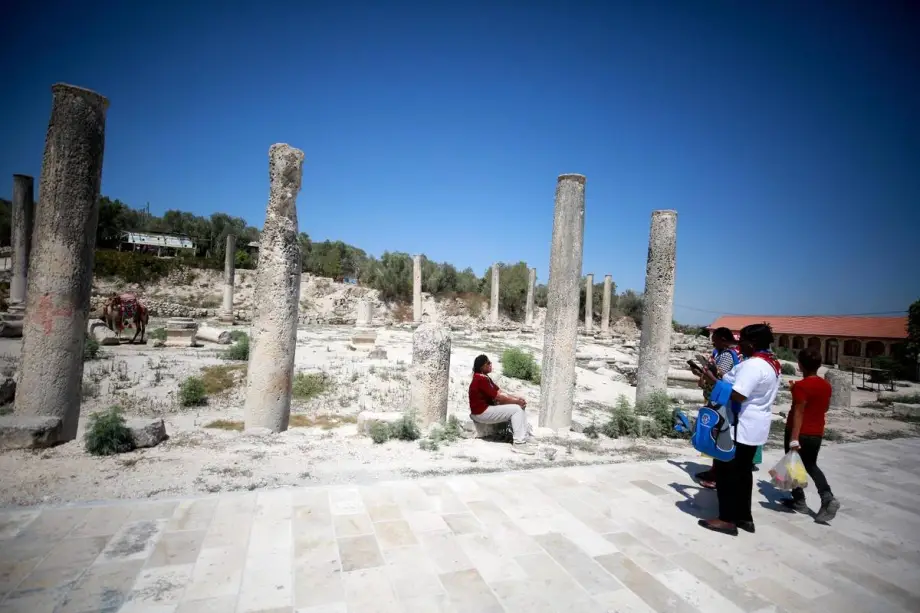
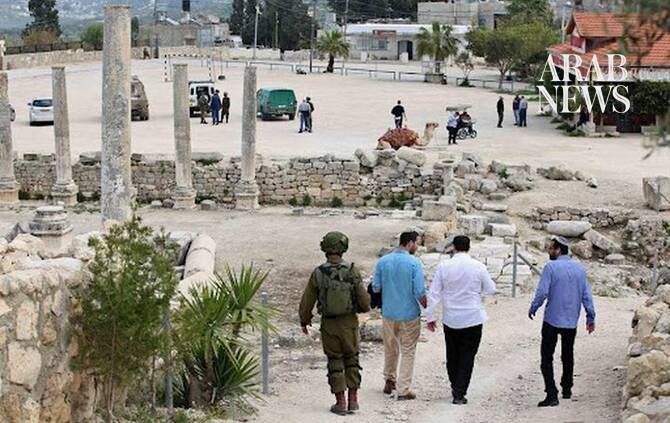
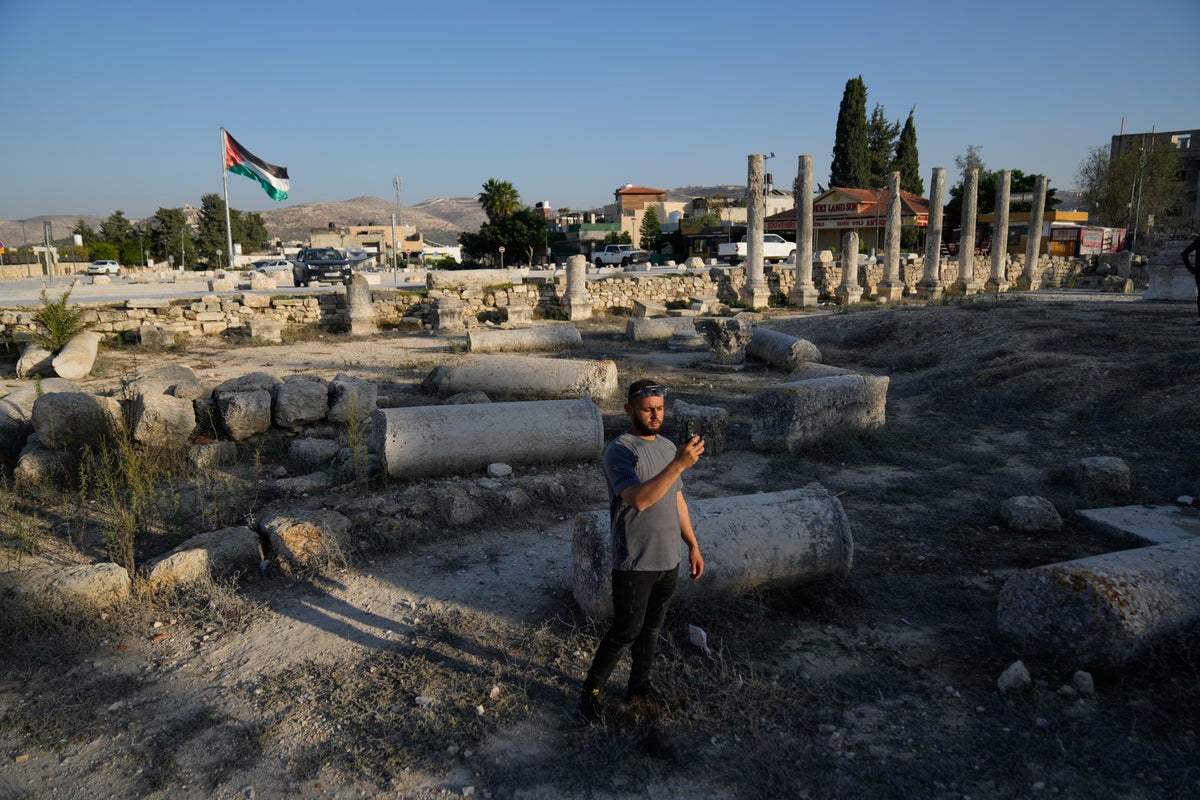
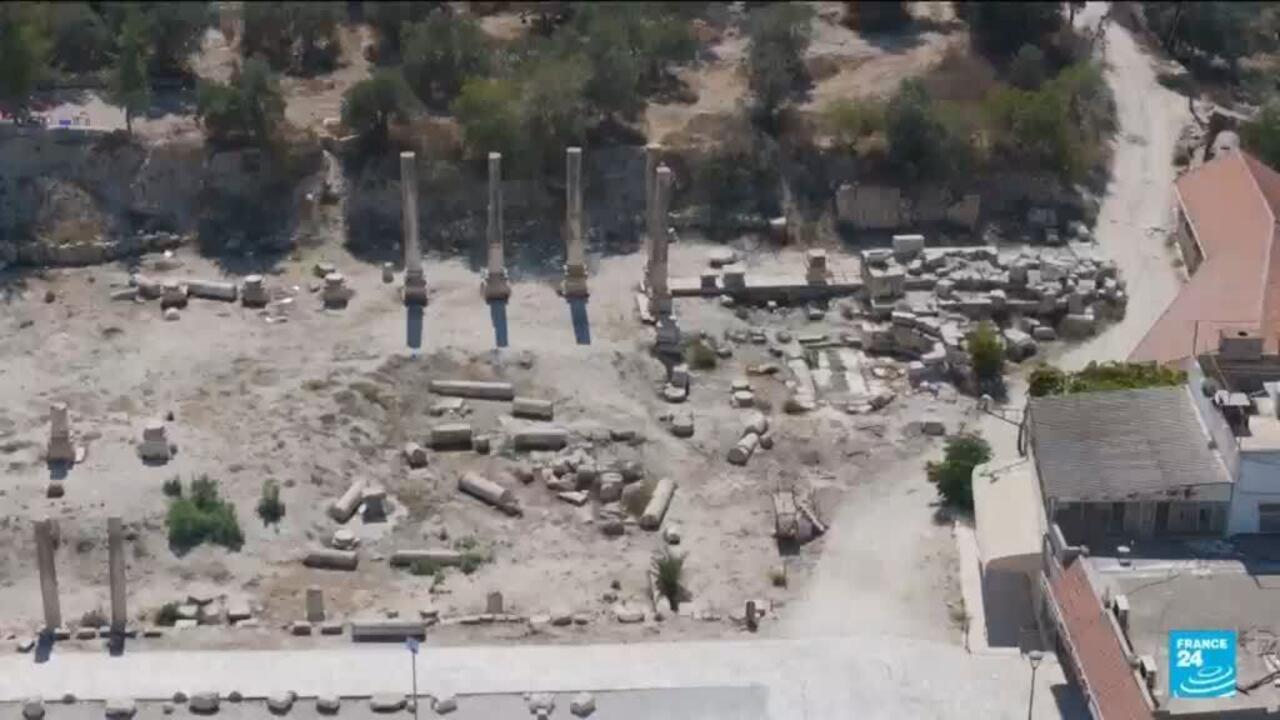
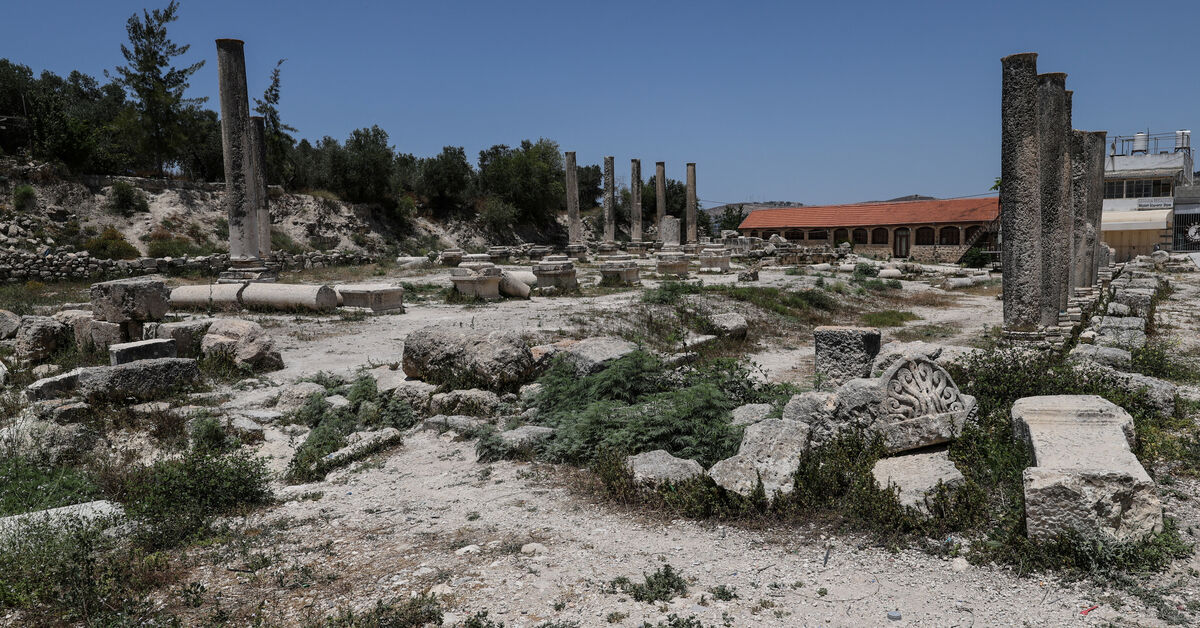
Olive trees surround the site, dotting a landscape of Roman columns, ancient walls and stone steps and an amphitheatre. It is traditionally seen as the burial place of John the Baptist.
But Palestinian residents of the adjacent village, many of whom rely on tourism for a living, are facing land confiscations after Israel announced a plan to seize about 1,800 dunams (445 acres) at the site, which it said was meant to develop the area.