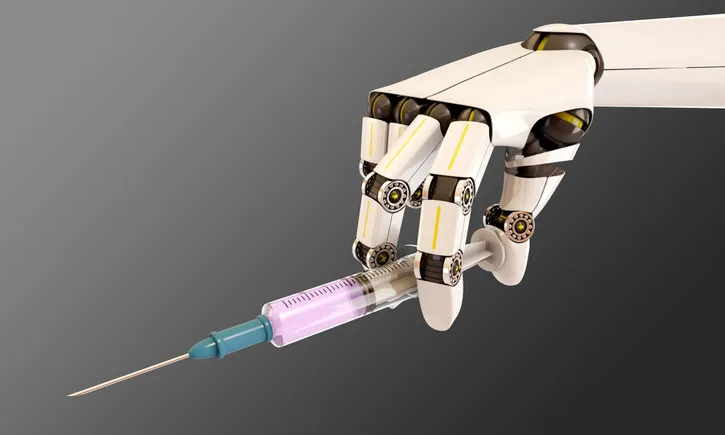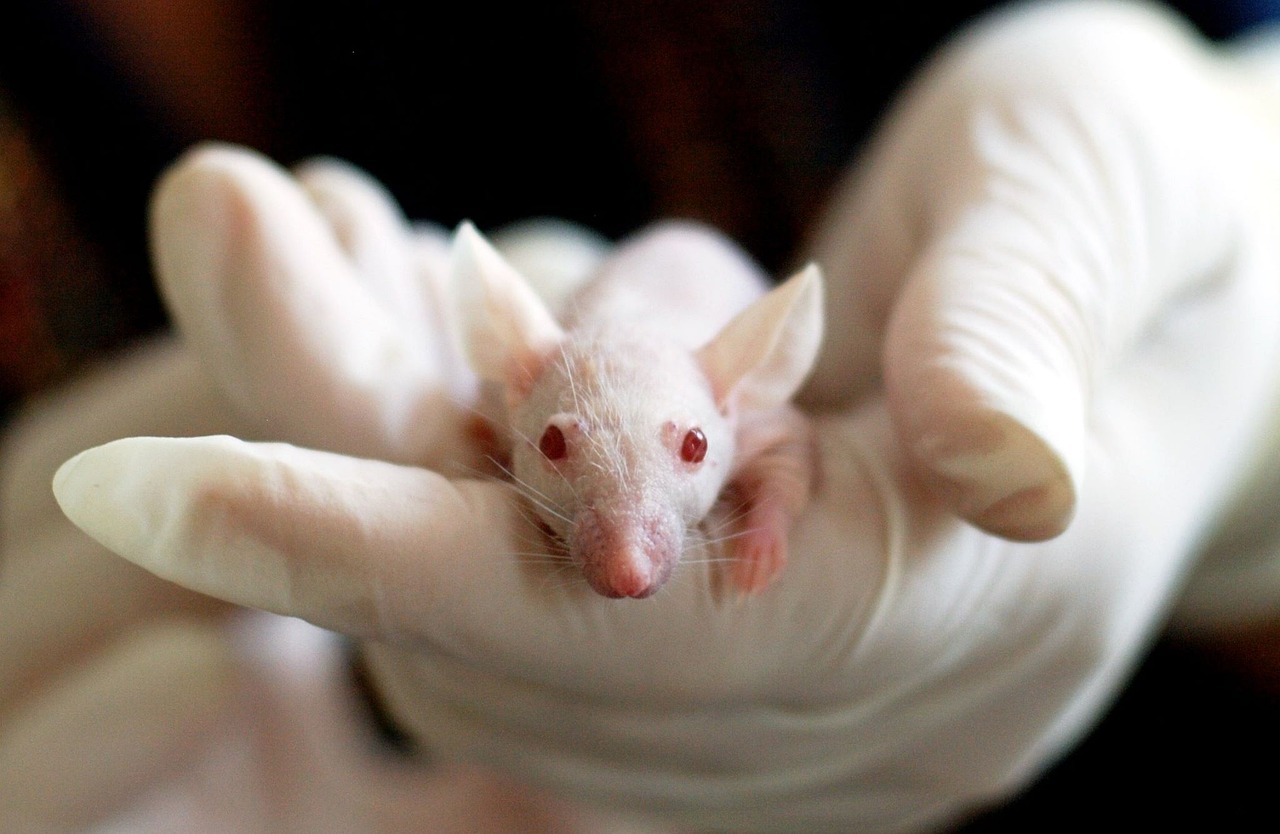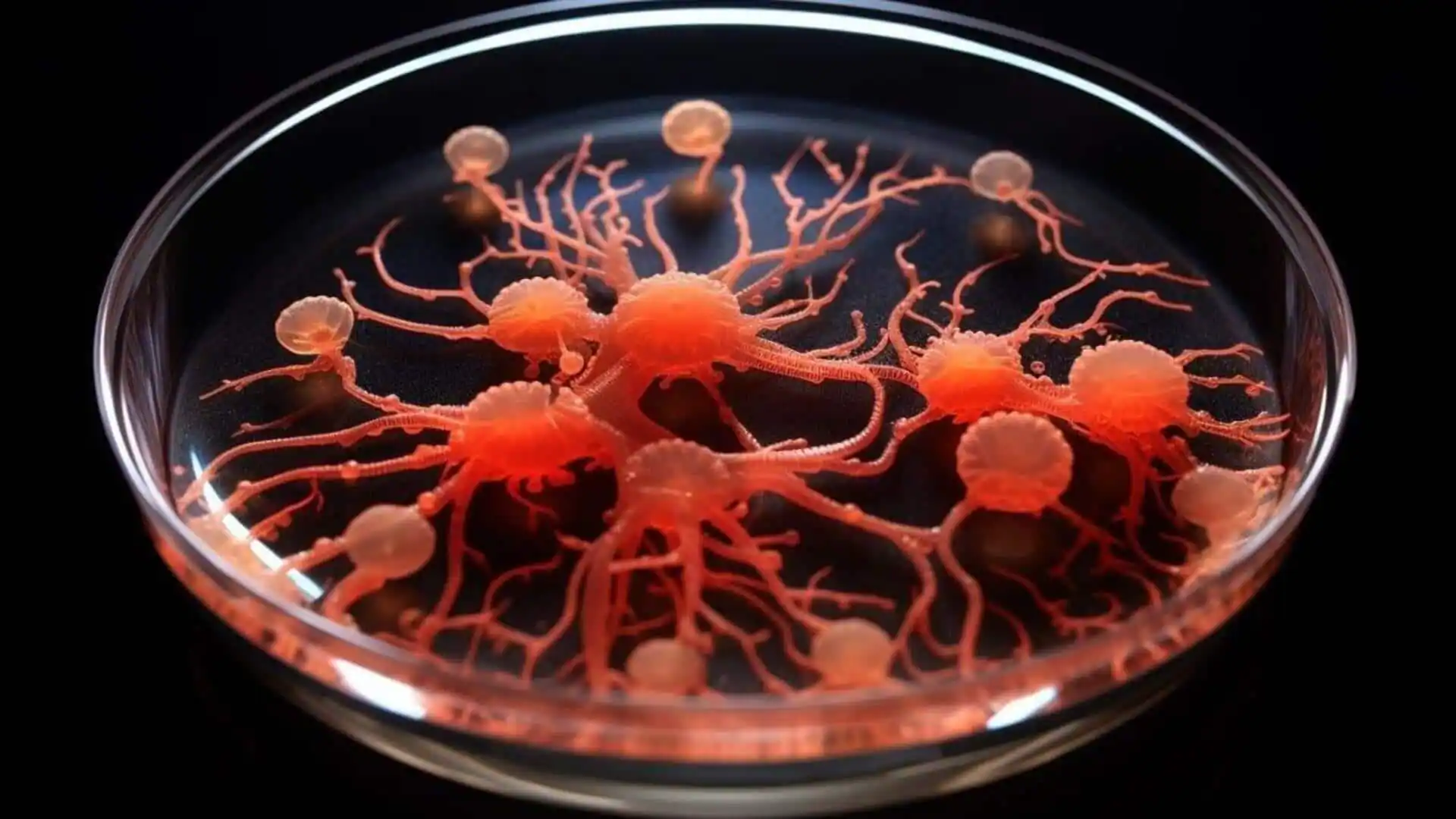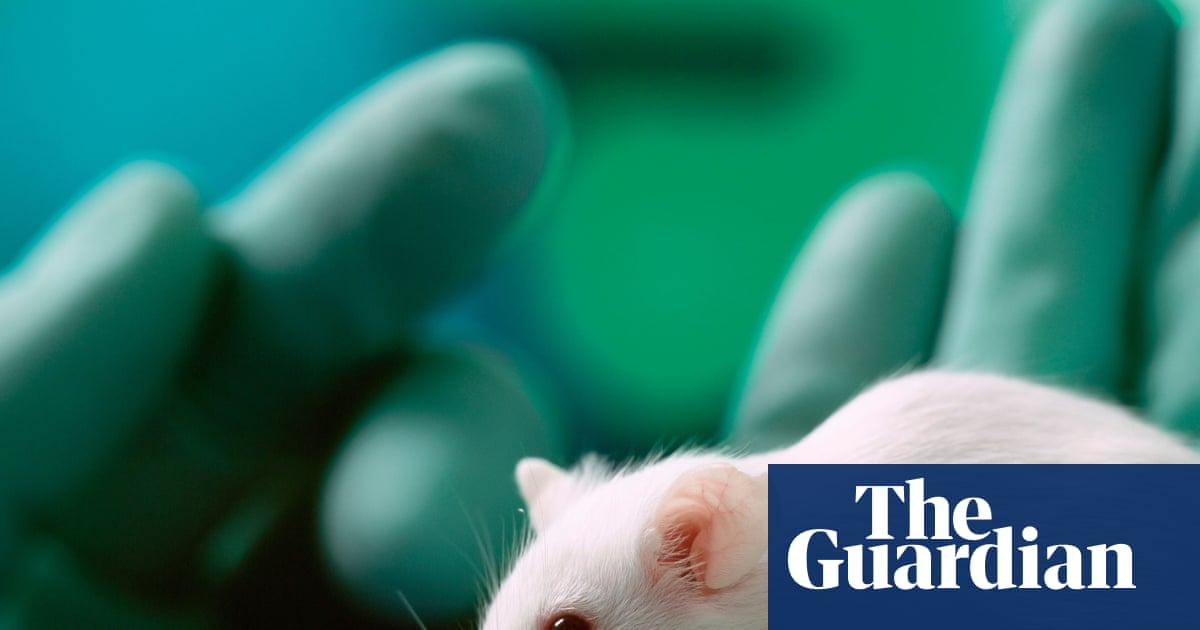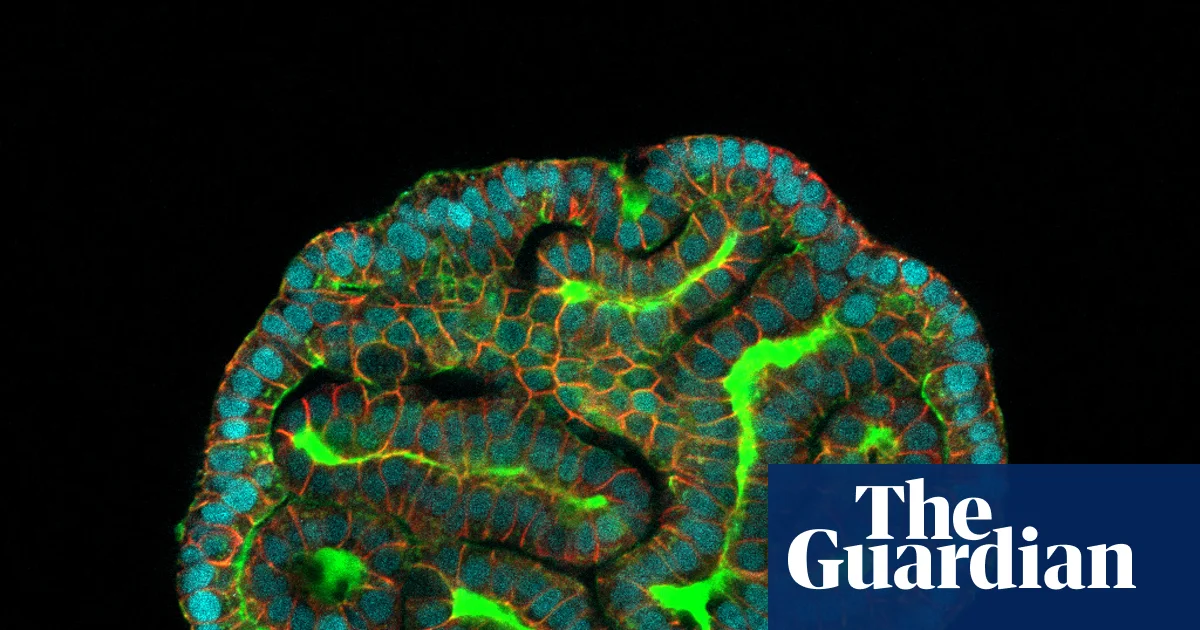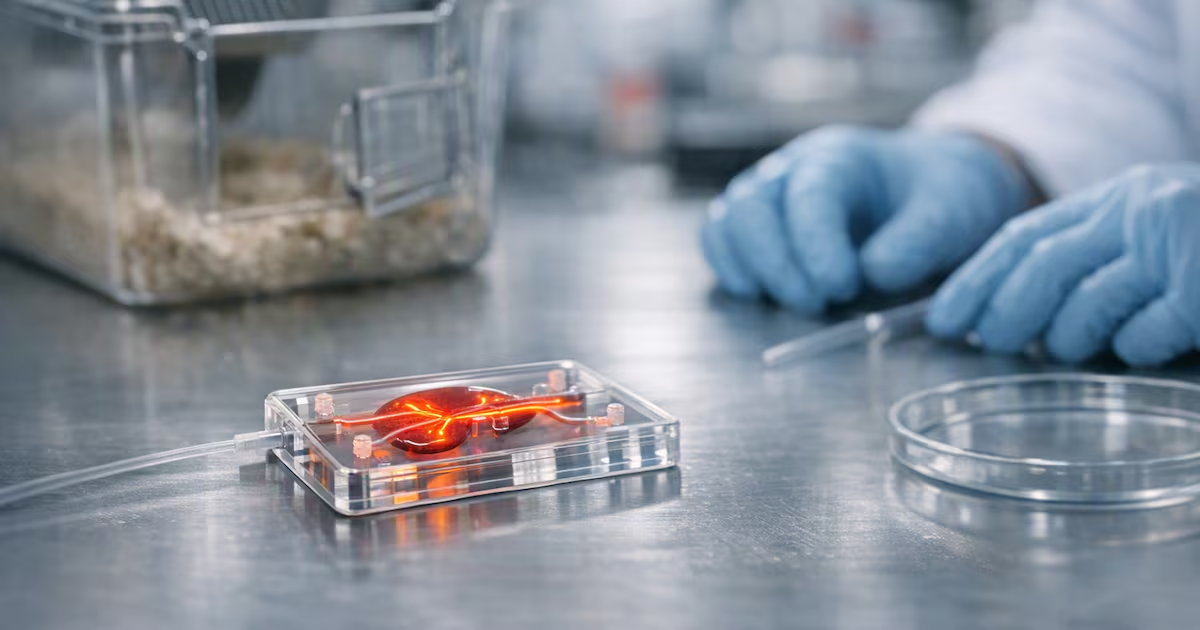
Dateline: July 15 2031In 2024, the global pharmaceutical industry used an estimated 111-million animals a year to test whether new drugs were safe for humans. This year, that number is zero. Not because anyone banned it or a cruelty-free campaign won, but because somewhere around 2028, the “organ-on-a-chip” simulated testing simply got better and cheaper than the mouse models.It’s been five years since the Food and Drug Administration first signalled the end was coming when it announced a phased elimination of animal testing for new drug submissions, betting instead on these organoid chips. By 2029, “exception” had become the operative word for animal studies and drug testing. By 2030, most major drug developers had stopped asking the question altogether, but not for ethical reasons. The chips were simply faster, cheaper and more accurate.The “liver-on-a-chip” that finally tipped the scales in favour of the mice wasn’t built by an animal rights lab but by a pharmaceutical company chasing margins. The device itself is unassuming in appearance: a SIM-card-sized slab of plastic, threaded with channels of human liver cells, fed by a fluid that behaves like blood. Run a drug through it and the cells react the way a real human liver would. And AI does the diagnostics in hours rather than weeks. Shaving 45 days off the drug development cycle with 90% fewer failed Phase 2 trials means big bucks for Big Pharma.Animal rights groups who spent 60 years fighting for exactly this outcome find themselves in an unfamiliar position ― irrelevant. The thing they couldn’t win through public protest was delivered by the market through balance sheets.A handful of legacy primate research centres remain, mostly for neuroscience work that no chip has cracked yet. Their funding is being reviewed annually now instead of years apart. The smart money says they’re next. Because profits drive progress. / First published on Mindbullets 15 July 2026When AI and chips are the best researchers, let them get on with itDateline: February 7 2027There’s only so much a scientist can do. Which is why we all use smart agents to do most of our research for us. Smart software can read and parse papers many thousands of times faster than any human.A typical example is fingerprint identification or facial recognition. Computers are just much more efficient at matching patterns. But what happens when you are looking for new data in real time? How do you programme that?Nano Global has released their first version of Nanobit, a system-on-a-chip that can detect, analyse and report on molecular changes in real time. That’s like a molecular scientist on steroids, working 24/7 on a living sample, only faster.The key to this breakthrough is integrating several emergent technologies in a combinatorial mashup, embedded in the latest purpose-driven silicon package. Combining nanomaterials, AI, biotech and blockchain with advanced computational logic makes the Nanobit unique in its ability to not only monitor molecular systems but also determine corrective protocols to fight disease or advance health.This is just the beginning of a whole new era of scientific discovery, performed by automated digital systems ― hardly robots ― without human intervention. Hundreds of academic fields from biochemistry to metaphysics are set to get a major boost, as the body of scientific knowledge increases exponentially over the next few years.And what will the humans do? Oh, we still need them for peer review. Or do we? / First published on Mindbullets 6 December 2017• Despite appearances to the contrary, Futureworld cannot and does not predict the future. The Mindbullets scenarios are fictitious and designed purely to explore possible futures and challenge and stimulate strategic thinking.
NEWS FROM THE FUTURE | No-one freed the mice
New technology could replace animal testing by making drug development cheaper
600 words~3 min read