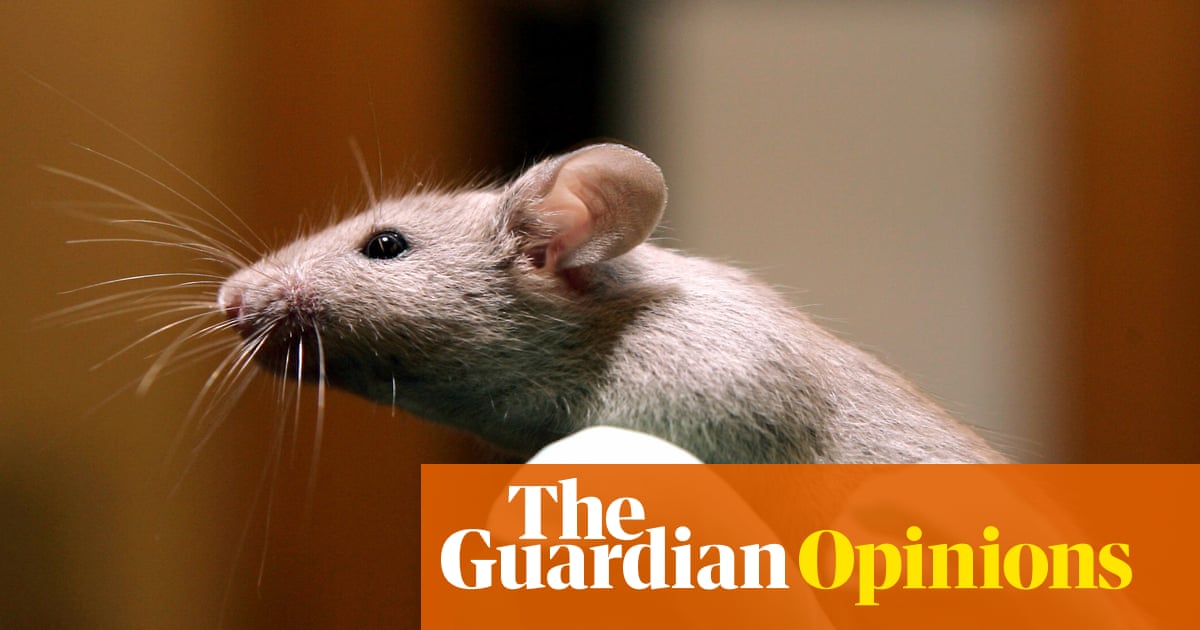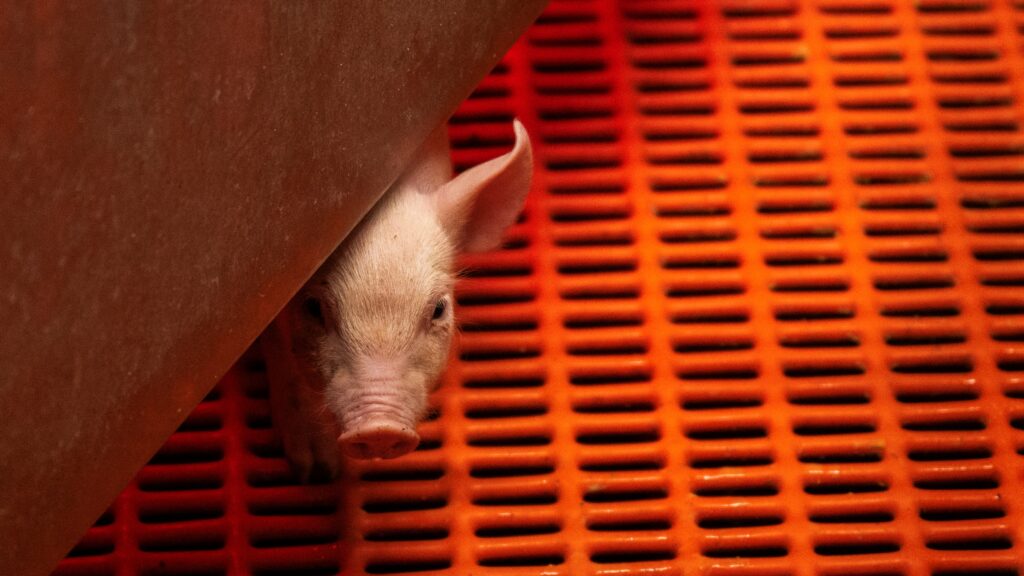
Health secretary Robert F. Kennedy Jr. seeks to end all federally funded animal testing after concluding that “the predictivity of animal models is very, very poor for human health outcomes.”
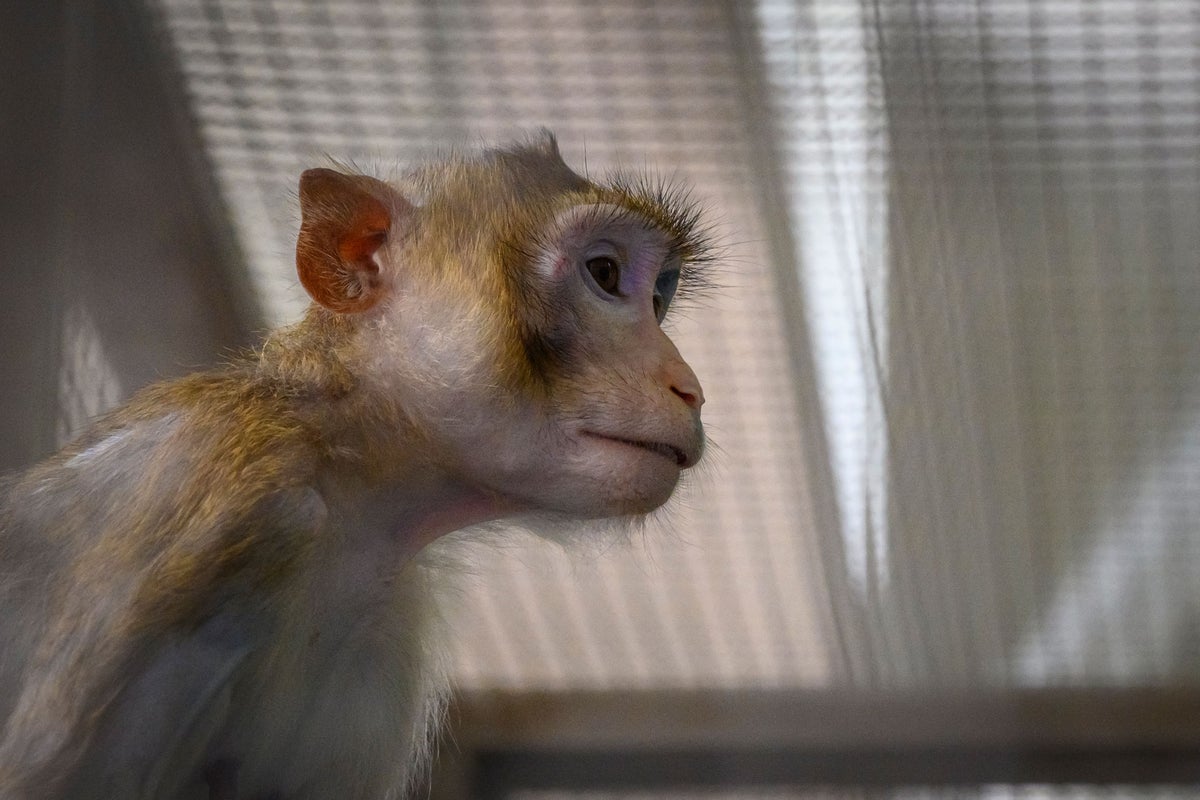
In November 2025, Centers for Disease Control and Prevention staff were told that the agency would be required to phase out primate studies, and they are in the process of transferring their animals to a primate sanctuary. The National Institutes of Health, the largest funder of biological sciences in the U.S., has stopped issuing funding opportunities exclusively for animal models, sending a clear message that basic science conducted in animals small and large will no longer be a priority. Of the eight NIH-funded National Primate Research Centers in the U.S., one has been shuttered, and a second is exploring the possibility of converting to an animal sanctuary.
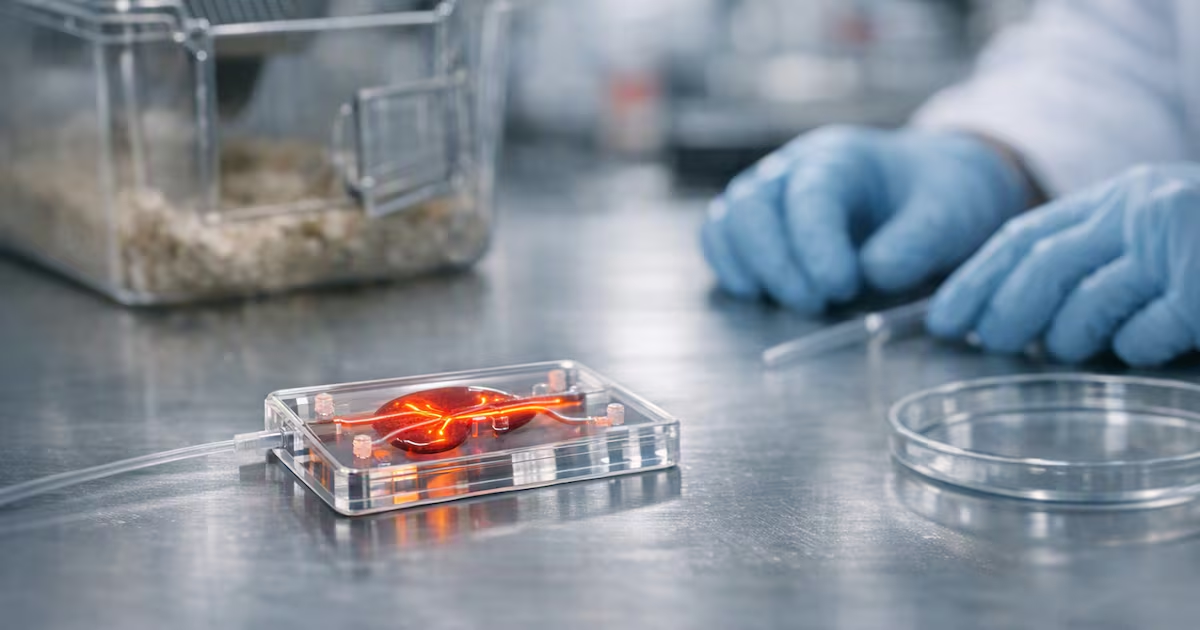
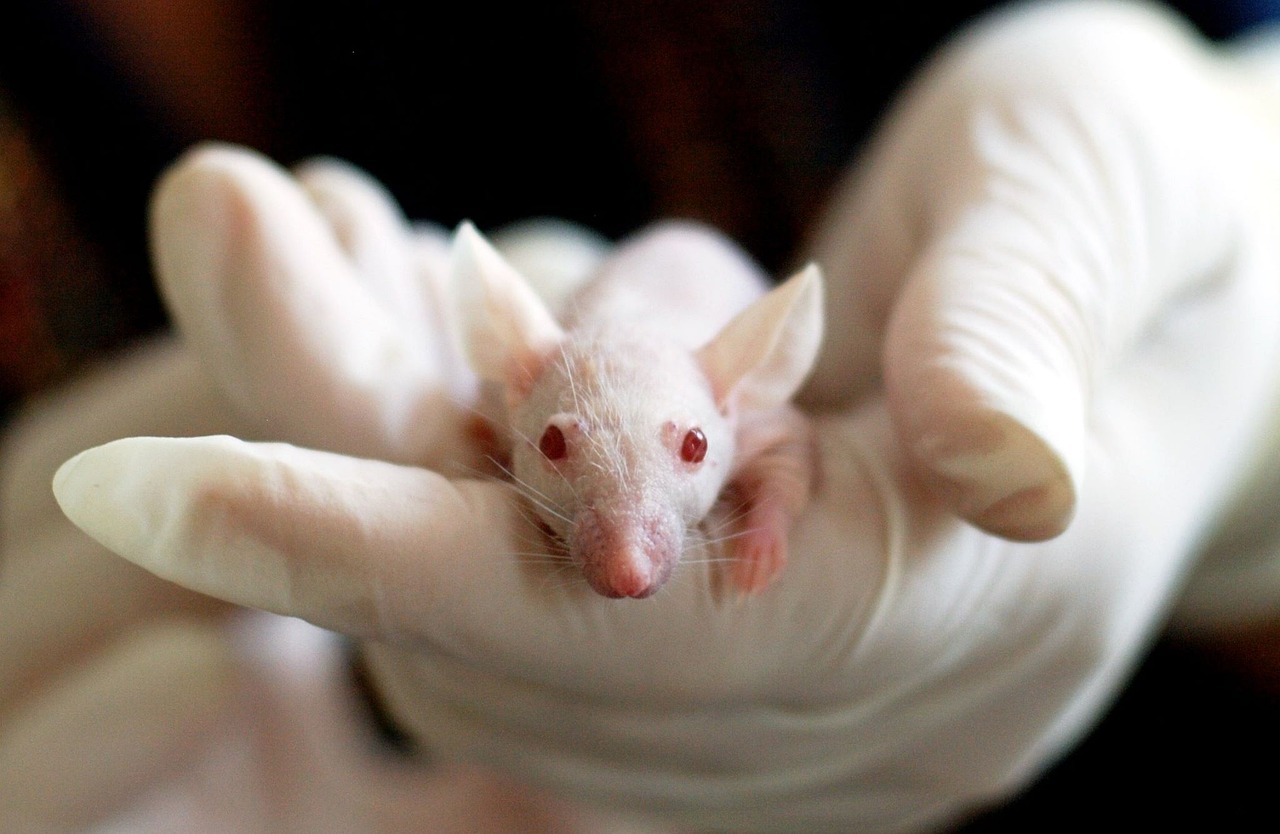
The desire to move away from animal experimentation is based on ethical concerns and a claim that animal trials are unreliable in predicting what will happen in humans. This has been accompanied by an assertion that “new approach methodologies” — including organs on chips, 3D tissue cultures (organoids), and artificial-intelligence-powered computational models — can be better predictors than animal studies.