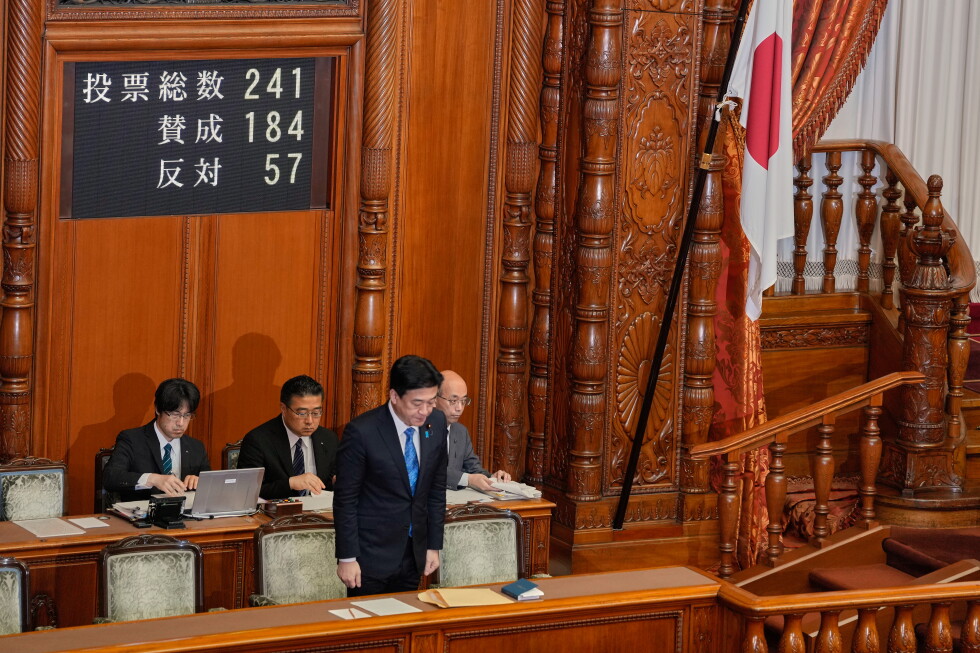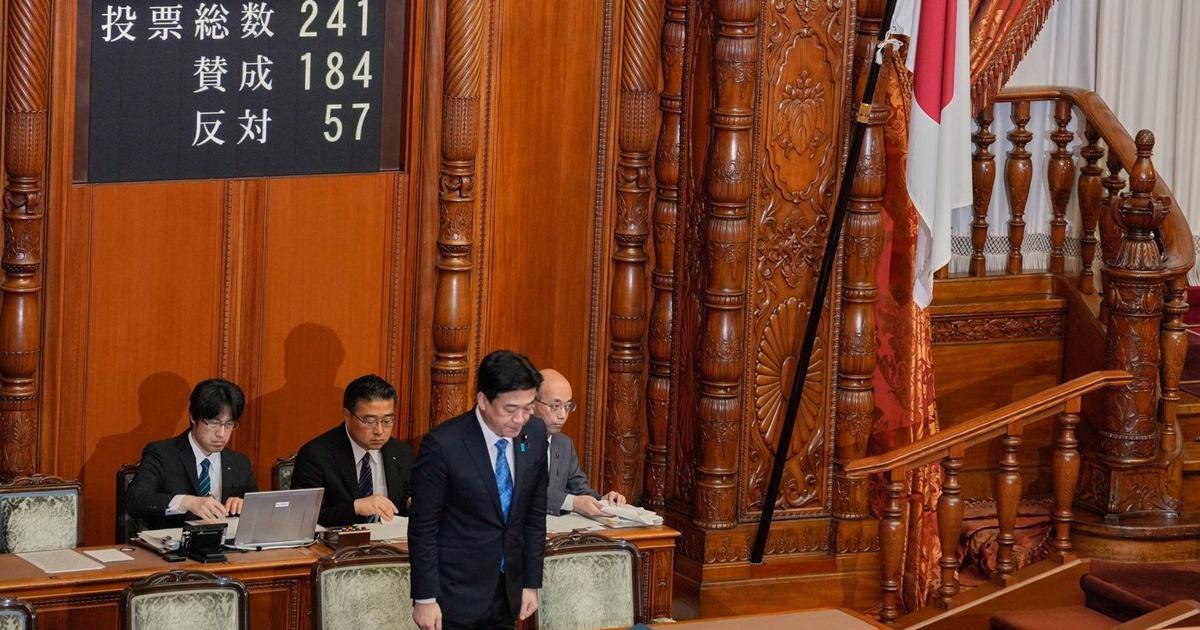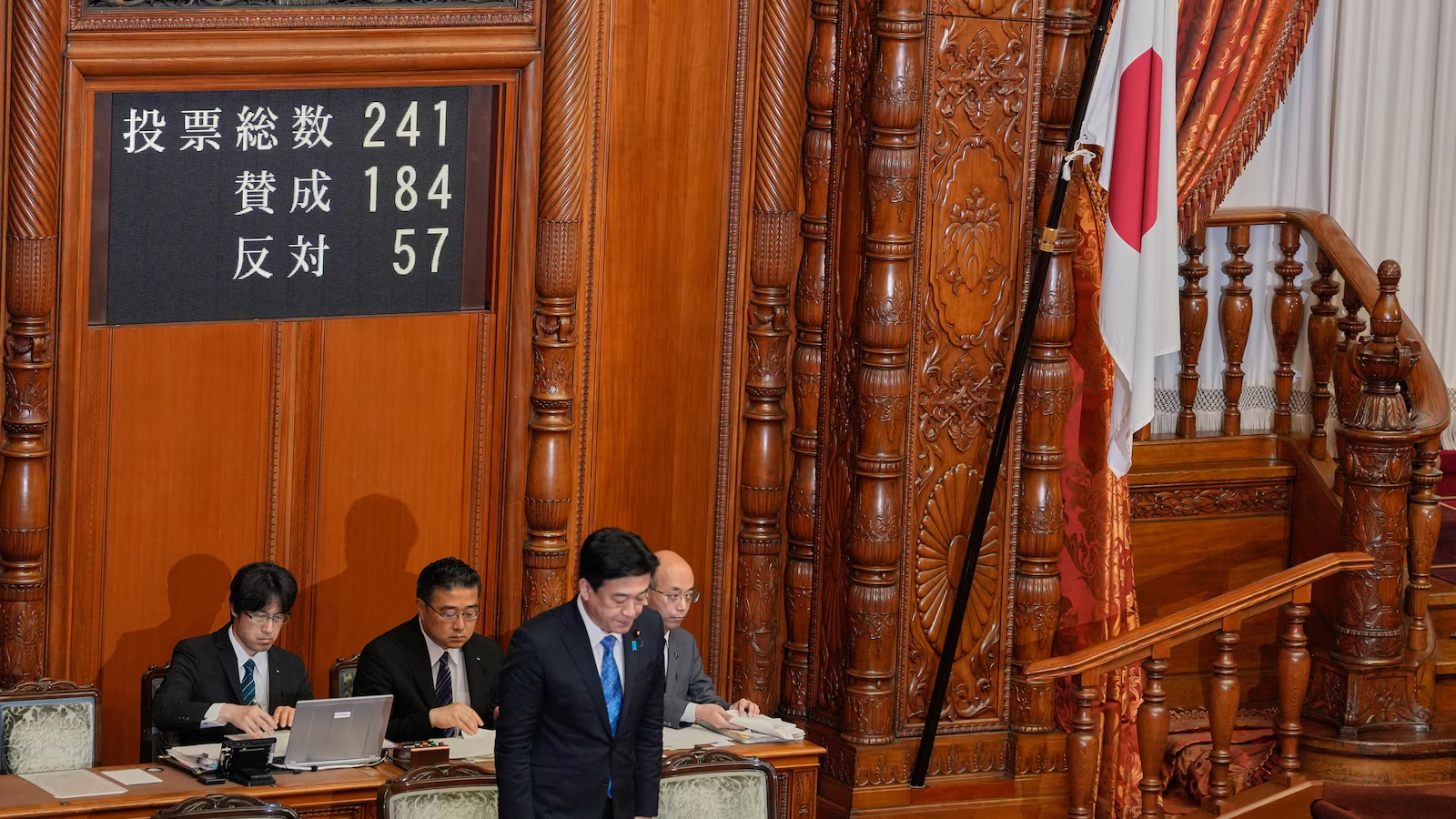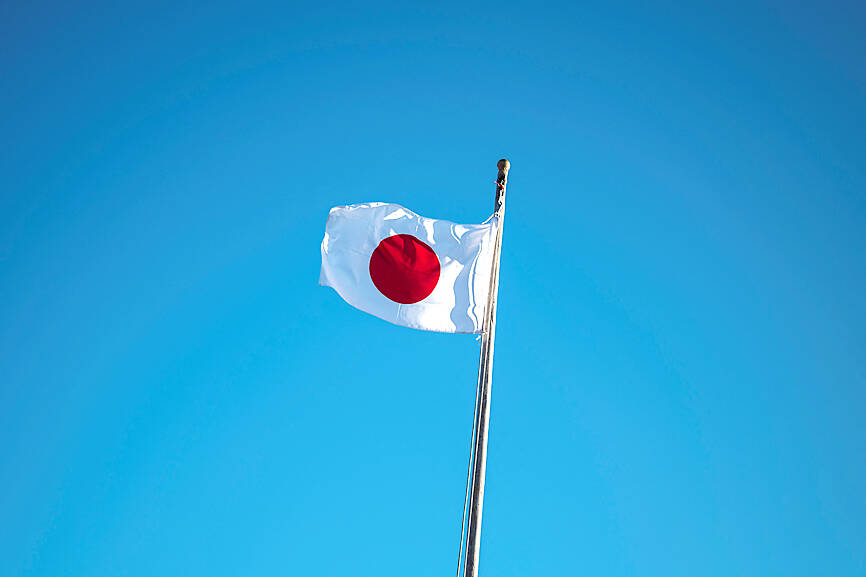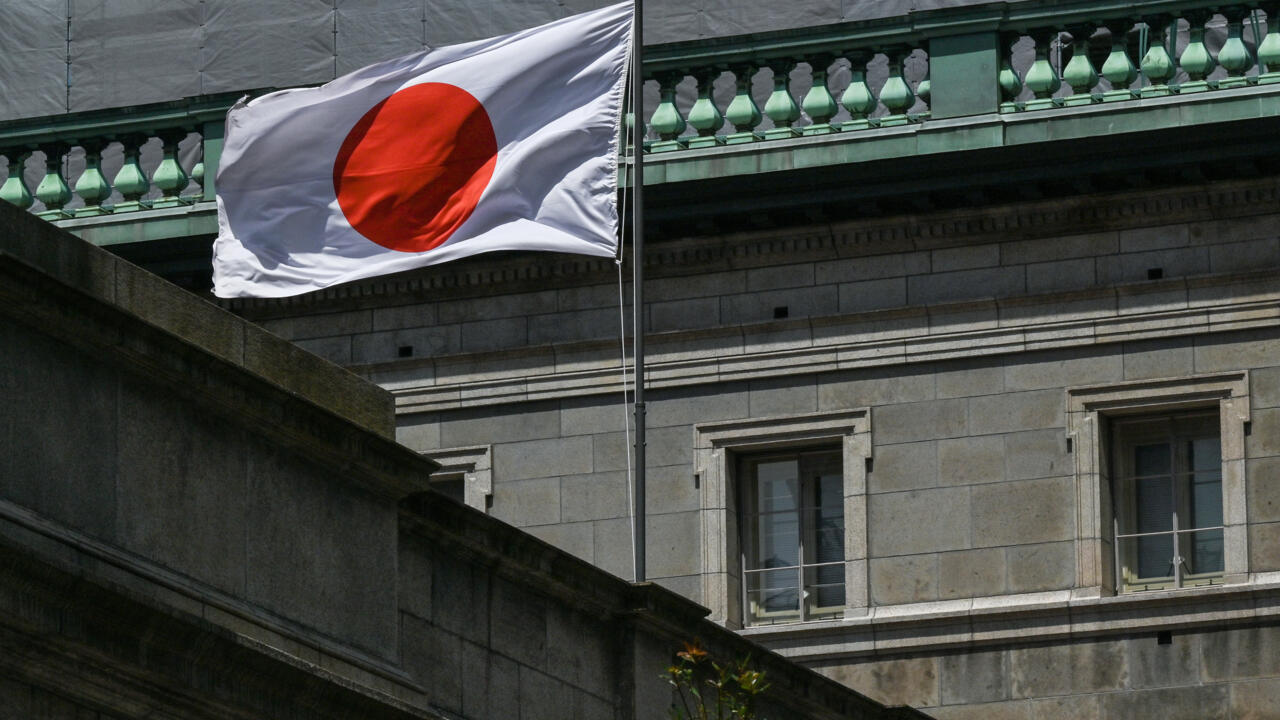
On July 17, Japan’s upper house passed legislation criminalizing the public desecration of the national flag, known as the Hinomaru, after the bill cleared the lower house on June 30. The law provides for up to two years in prison or a fine of up to 200,000 yen for publicly damaging, removing, or defacing a Japanese flag in a manner likely to cause others “extreme discomfort or disgust.” The measure addresses conduct that many people regard as deeply disrespectful, but it also raises a difficult question: how far should the state go in protecting a national symbol from political expression?
Public opinion offers no clear answer to where that line should be drawn. A nationwide public opinion survey conducted by the Social Survey Research Center in April found that 40 percent of respondents supported prohibiting damage to the national flag with criminal penalties. Another 21 percent favored a prohibition without penalties, while 19 percent saw no need for a ban, and 19 percent were unsure. Although a majority supported some form of restriction, the results show no clear public consensus on whether criminal penalties are appropriate, with a substantial share of respondents yet to form a clear view.