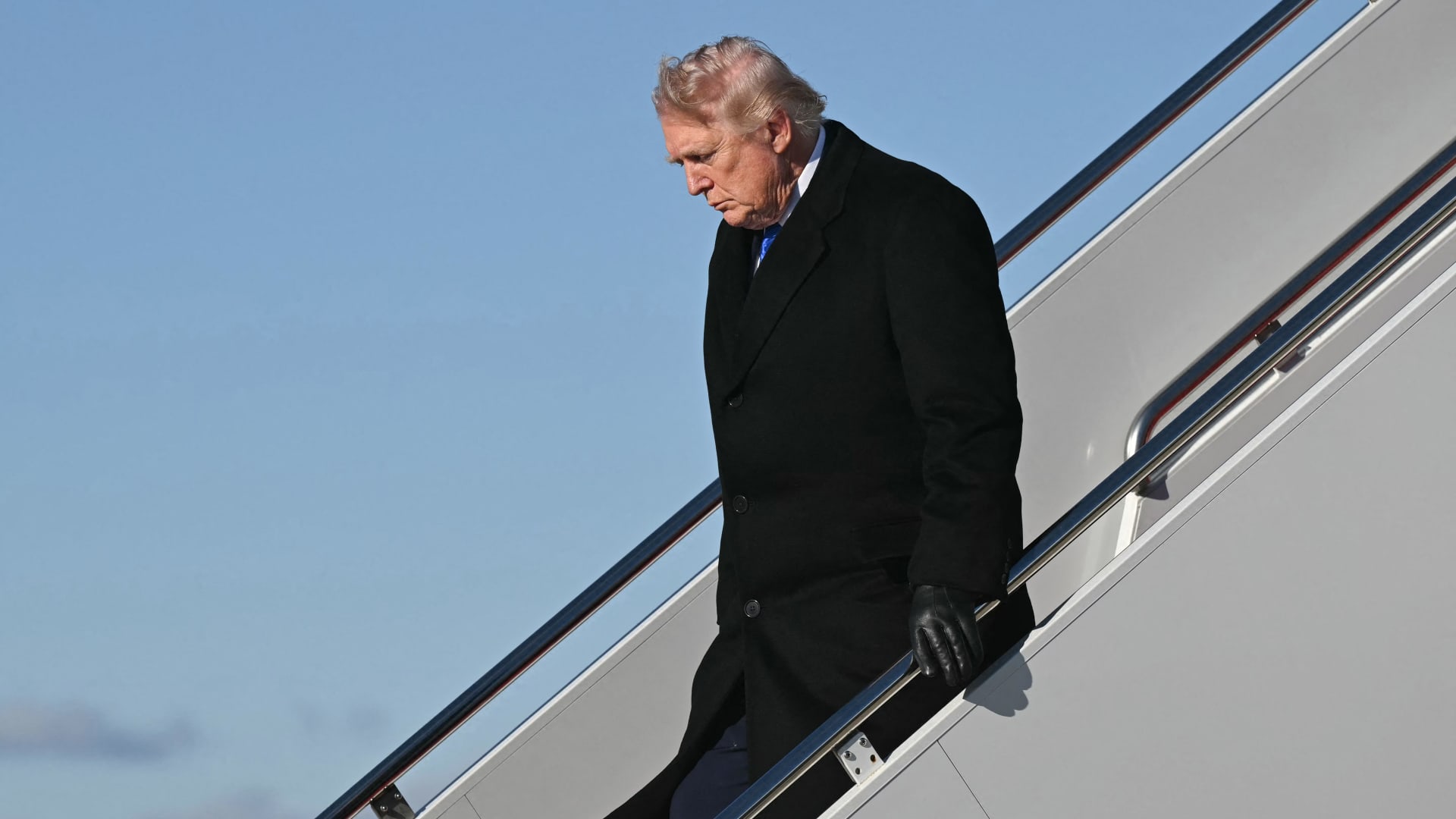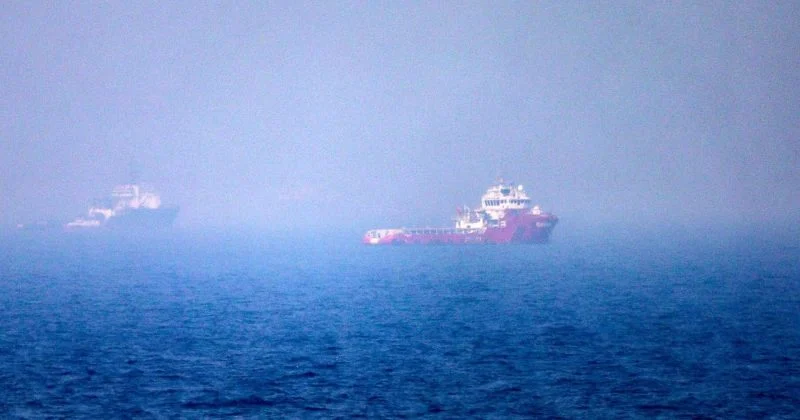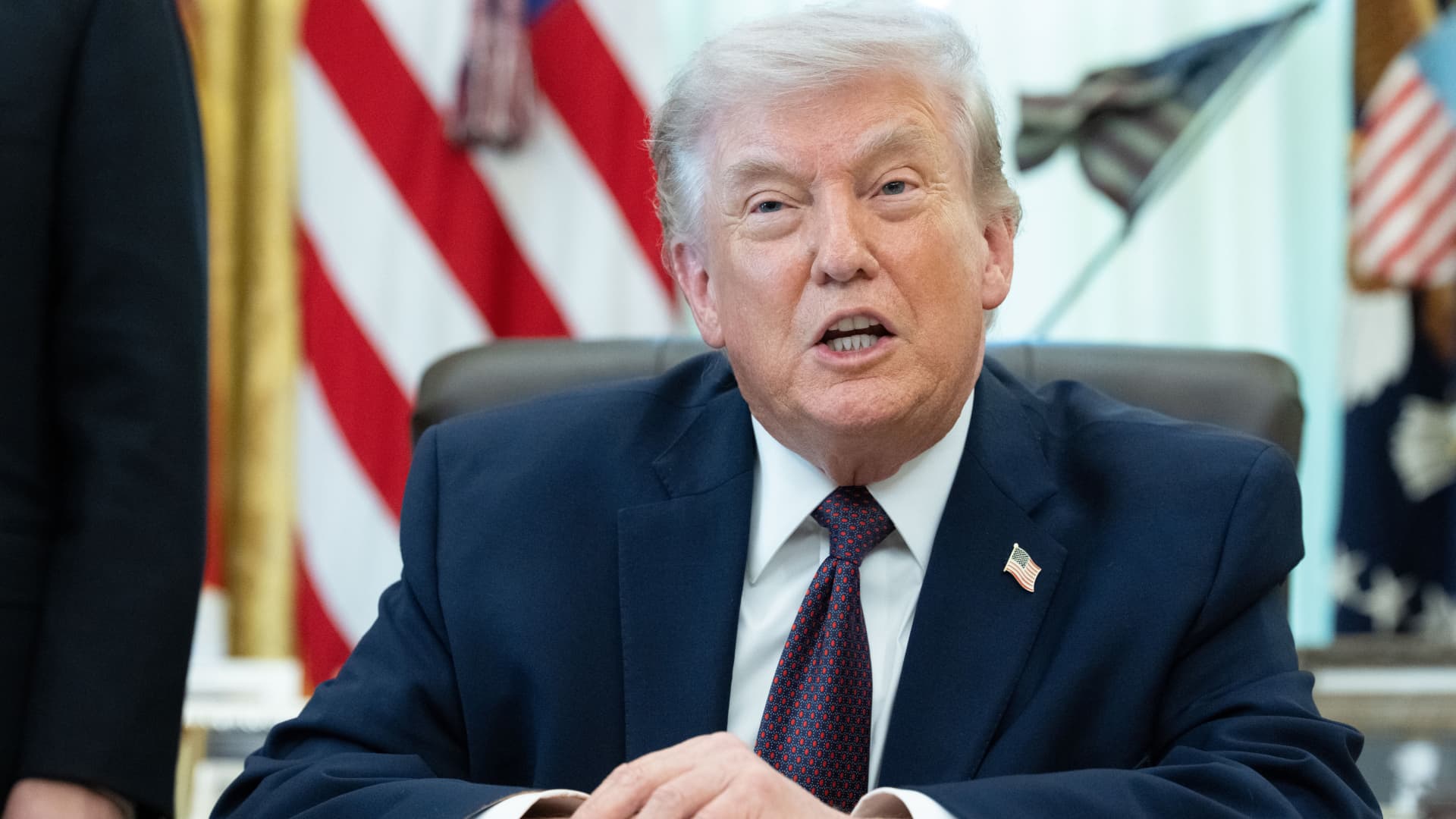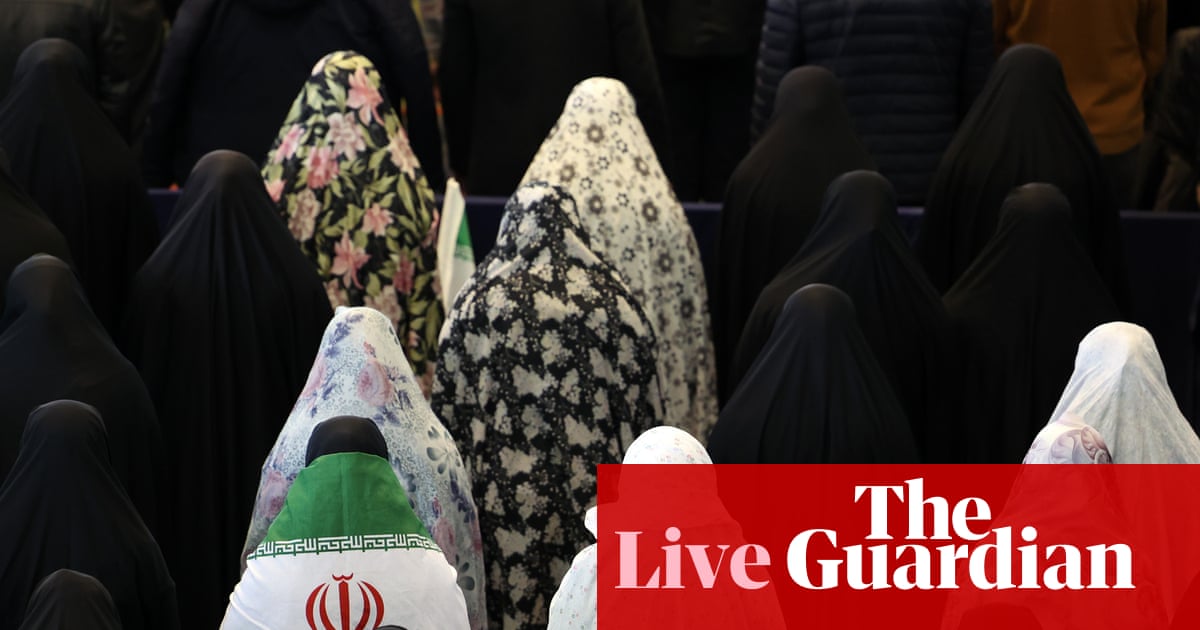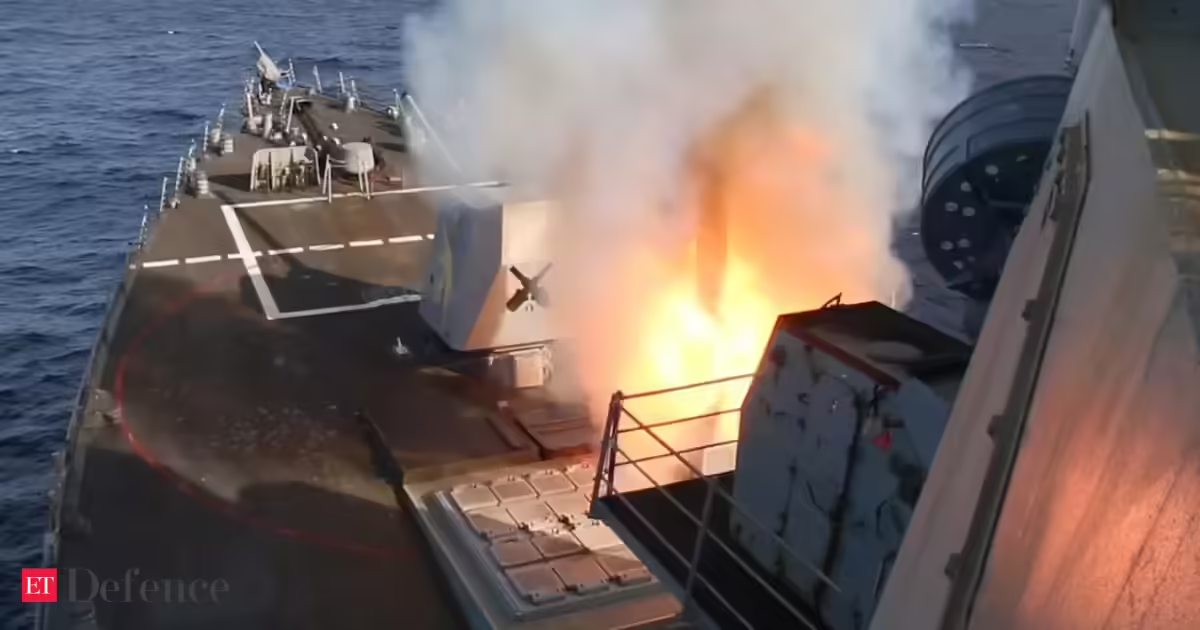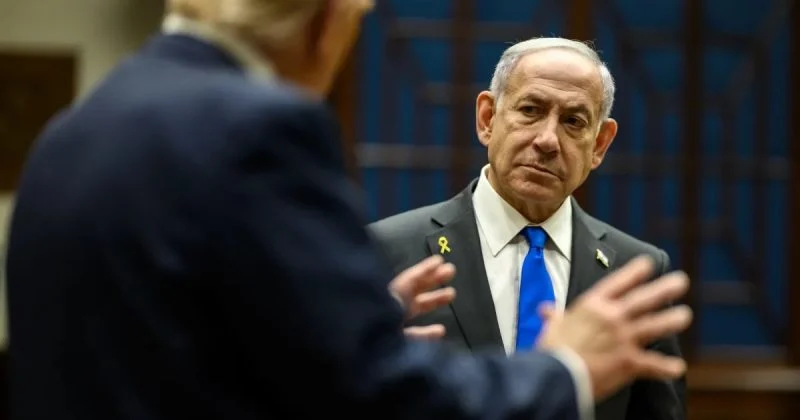
U.S. President Donald Trump and Israeli Prime Minister Benjamin Netanyahu are reportedly weighing two final options to address the ongoing Strait of Hormuz crisis. The options include a proposed 10-day ceasefire to reopen vital shipping lanes or launching a massive joint military campaign to force Iran’s capitulation. This development follows a collapse of the previous ceasefire, resulting in renewed hostilities and shipping disruptions in the Gulf. The proposal, presented by Qatar, Egypt, Pakistan, and Oman, aims to mediate an end to the conflict that has left many seafarers stranded and regional tensions high.
Market activity around the Israel-Iran ceasefire question reflects a notable increase in the likelihood of a ceasefire being sustained through July 25. The odds for this outcome have risen from 70% to 81% over the past 24 hours. The potential for a diplomatic resolution appears to have influenced market sentiment, as participants weigh the feasibility of the ceasefire proposal against the risks of further escalation.
Current projections for the Israel-Iran ceasefire continuing through July 31 suggest a somewhat lower probability, currently at 66.5%. This indicates some uncertainty about the longevity of any potential ceasefire agreement. The dynamics suggest that while a short-term resolution is being given increasing consideration, the longer-term outcome remains less certain.