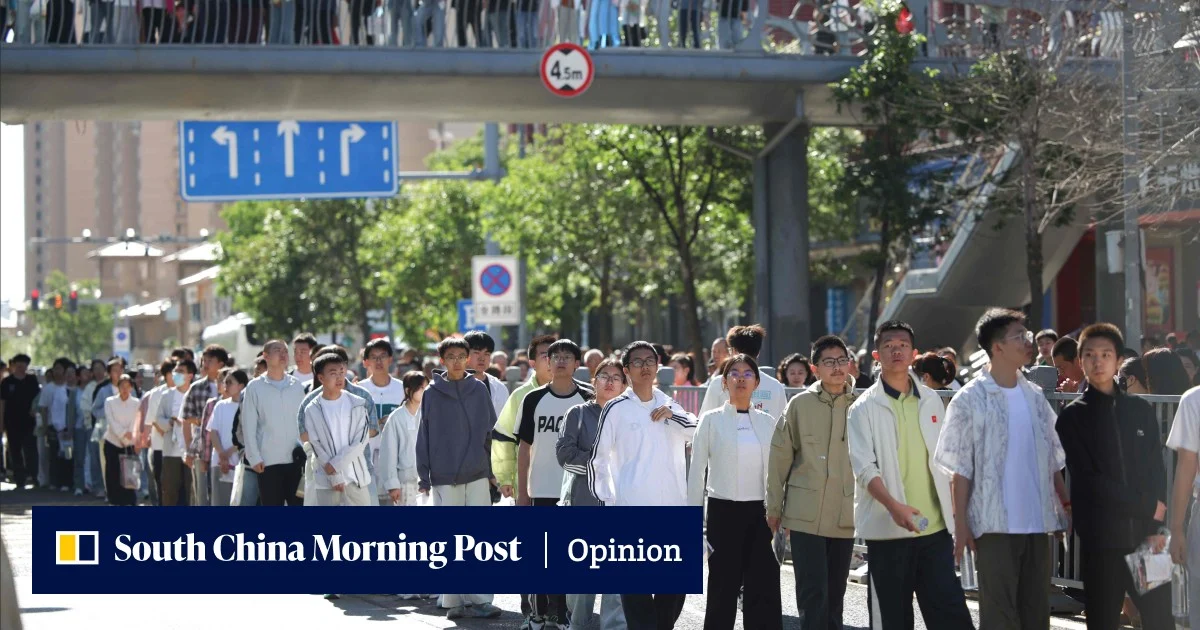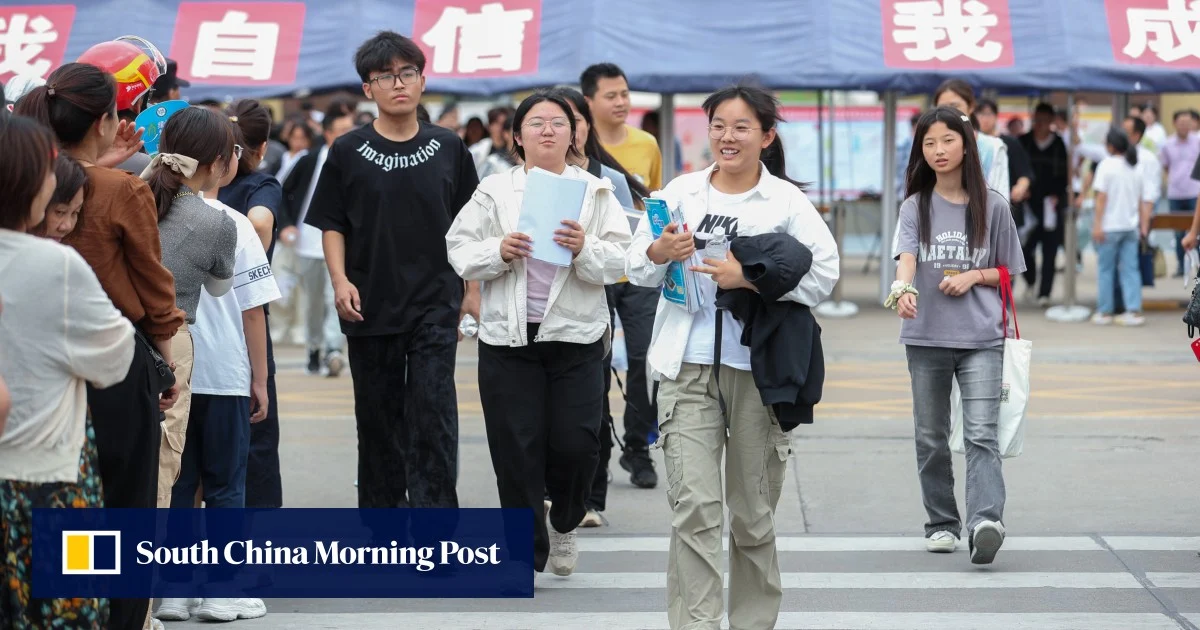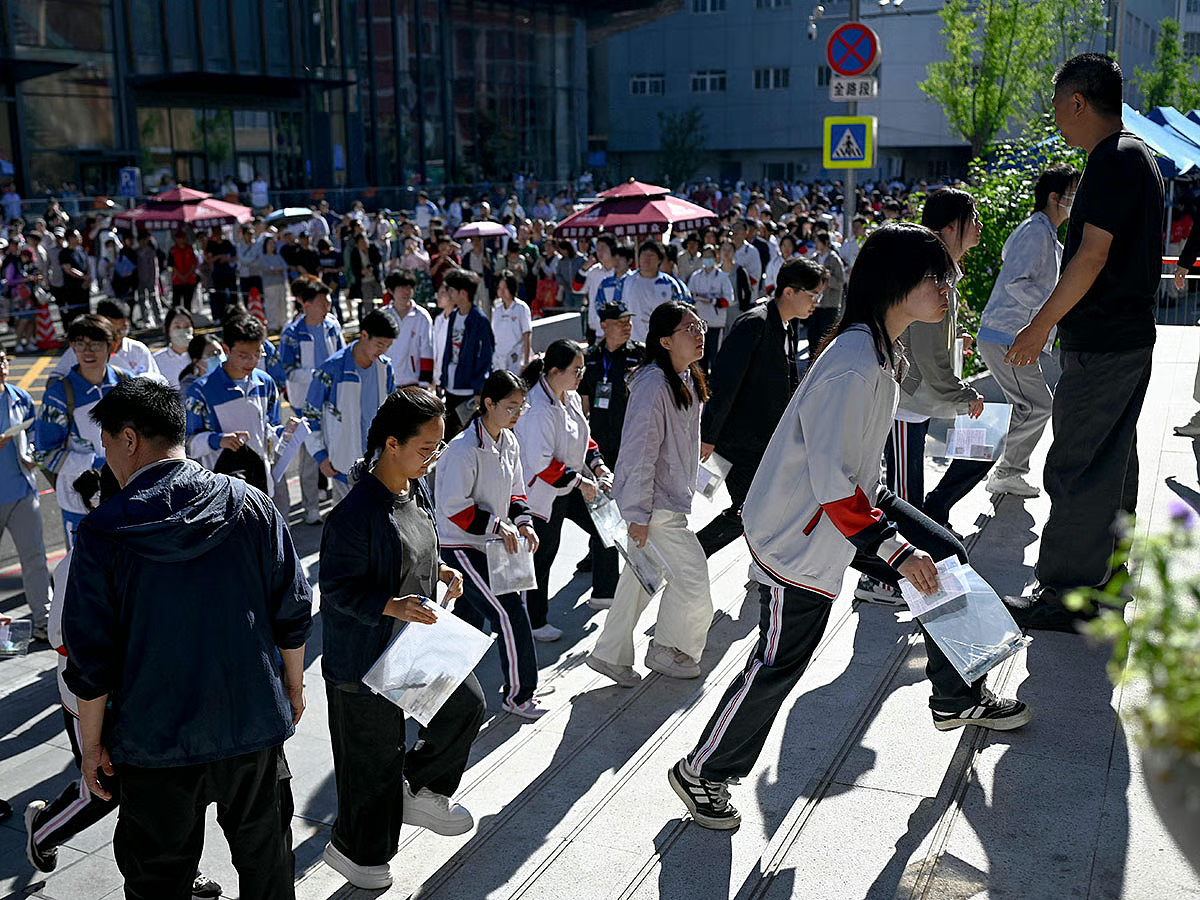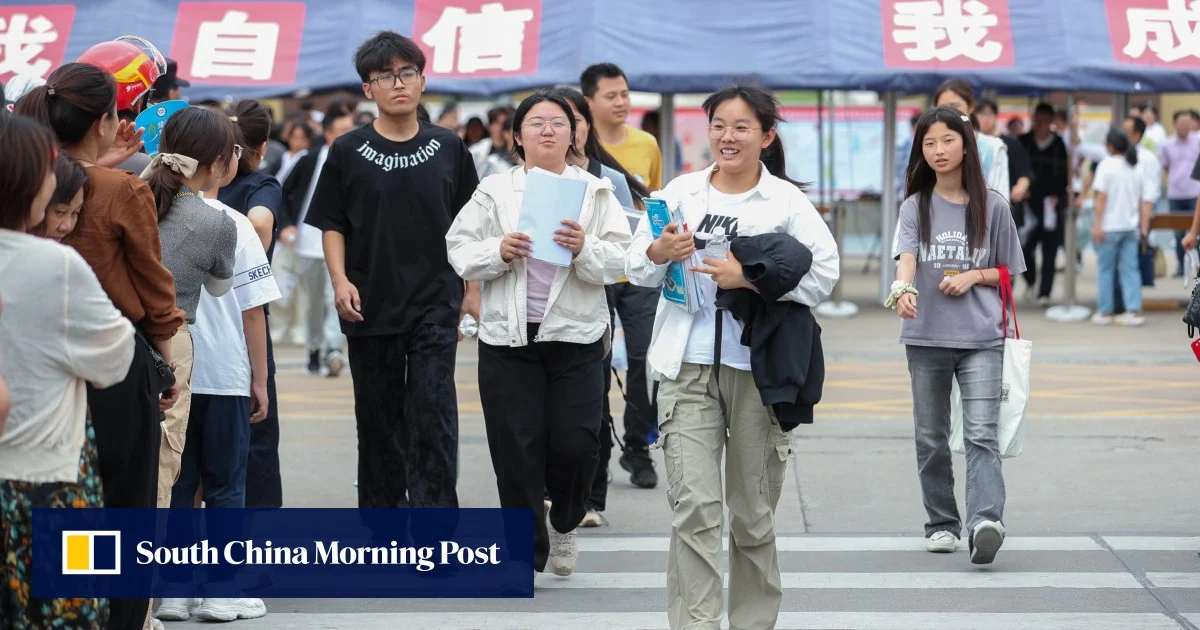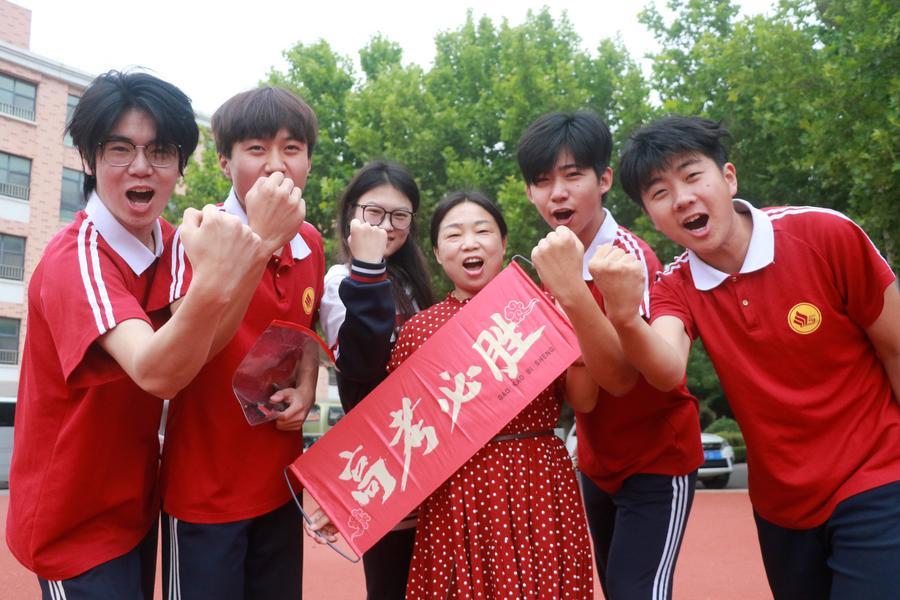
Last month, 12.9 million students in China sat for the National Higher Education Entrance Examination, or gaokao, the number sliding for a second year, and down from 13.3 million last year. Given that births have fallen below 8 million annually to a record low, in 18 years, the country’s more than 3,100 universities will find themselves fighting over an even smaller cohort.This will coincide with a growing global competition for talent. In a knowledge-driven economy, the countries that prosper will increasingly be those capable of attracting researchers, entrepreneurs and skilled workers. Yet demographic trends are changing: declining fertility is no longer confined to the wealthy, ageing societies in Europe and East Asia.The global fertility rate has fallen from 2.9 births per woman in 1994 to 2.2 in 2024, and more than half of all countries and territories are now below the replacement level of 2.1. Even where fertility remains comparatively high, the direction is unmistakable: around one-third of all countries and territories had fertility rates of four or higher in 1994 but this had dropped to just 13 per cent in 2024.This transition is reaching countries once regarded as bastions of demographic growth. Take Bangladesh for example. Its fertility rate fell from 6.7 births per woman in 1960 to 2.2 in 2013 and has hovered around the replacement level since. As a region, South Asia’s fertility rate stood at 2.0 in 2024. Even sub-Saharan Africa, the world’s youngest and fastest-growing region, has experienced a sustained decline.While the world will not suddenly run out of young people, the distribution of talent will become increasingly important. Countries that can educate and offer opportunities to talented individuals will be better positioned to shape the future.International students will become a critical component of the global talent competition. For decades, the United States and Europe benefited as major destinations for talent. Their universities attracted generations of students who later became researchers, entrepreneurs, skilled professionals and bridges between societies. Students entering the classroom today are not just participants of academic exchange, they are building the talent networks that shape tomorrow’s economy.02:56Students and families celebrate end of China’s gaokao college entrance exam
Opinion | To prosper, China must become a magnet for international students
China must seize the opportunity to become a global education hub. Reform of its universities should begin now.
355 words~2 min read