Academia
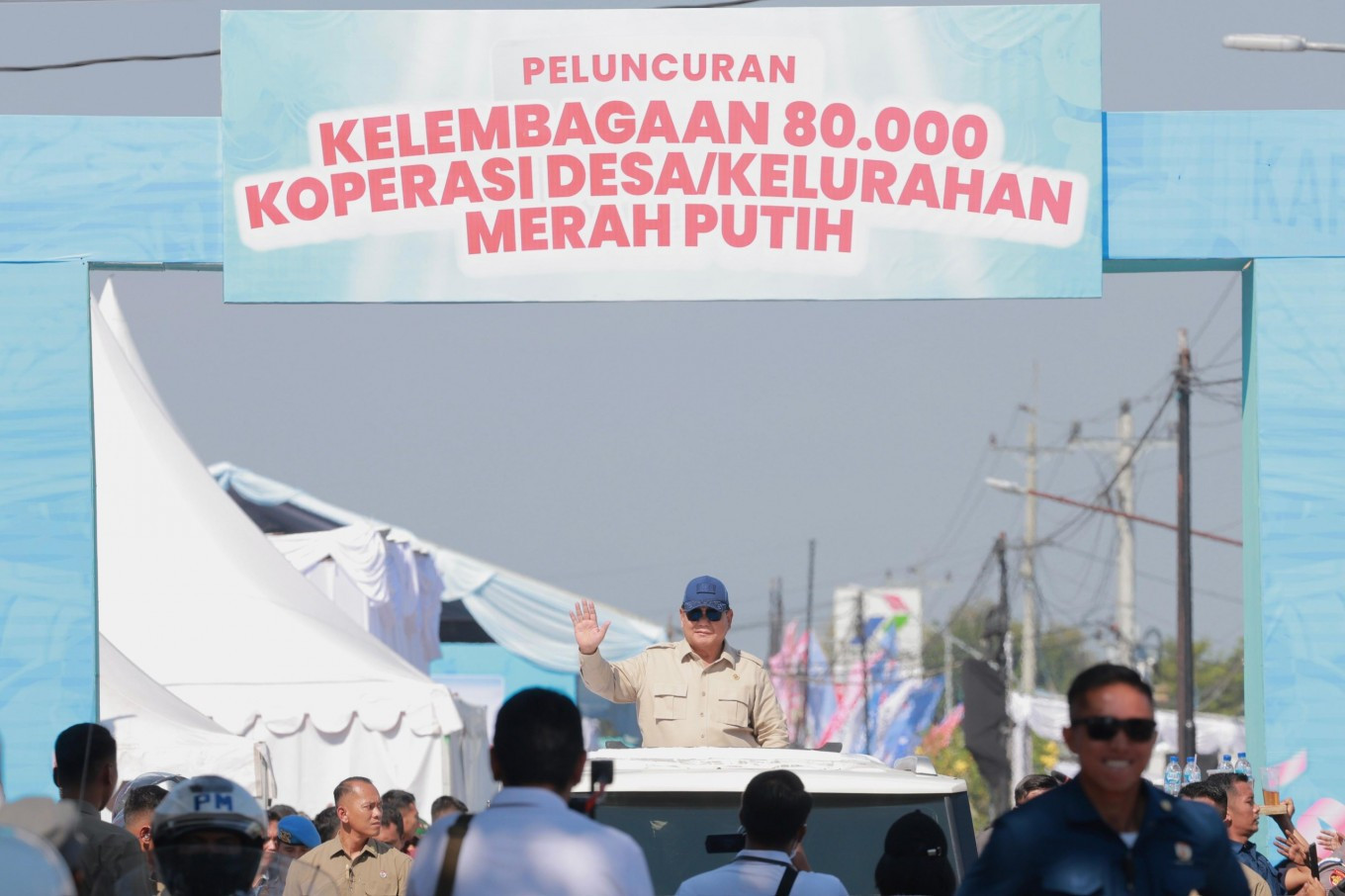
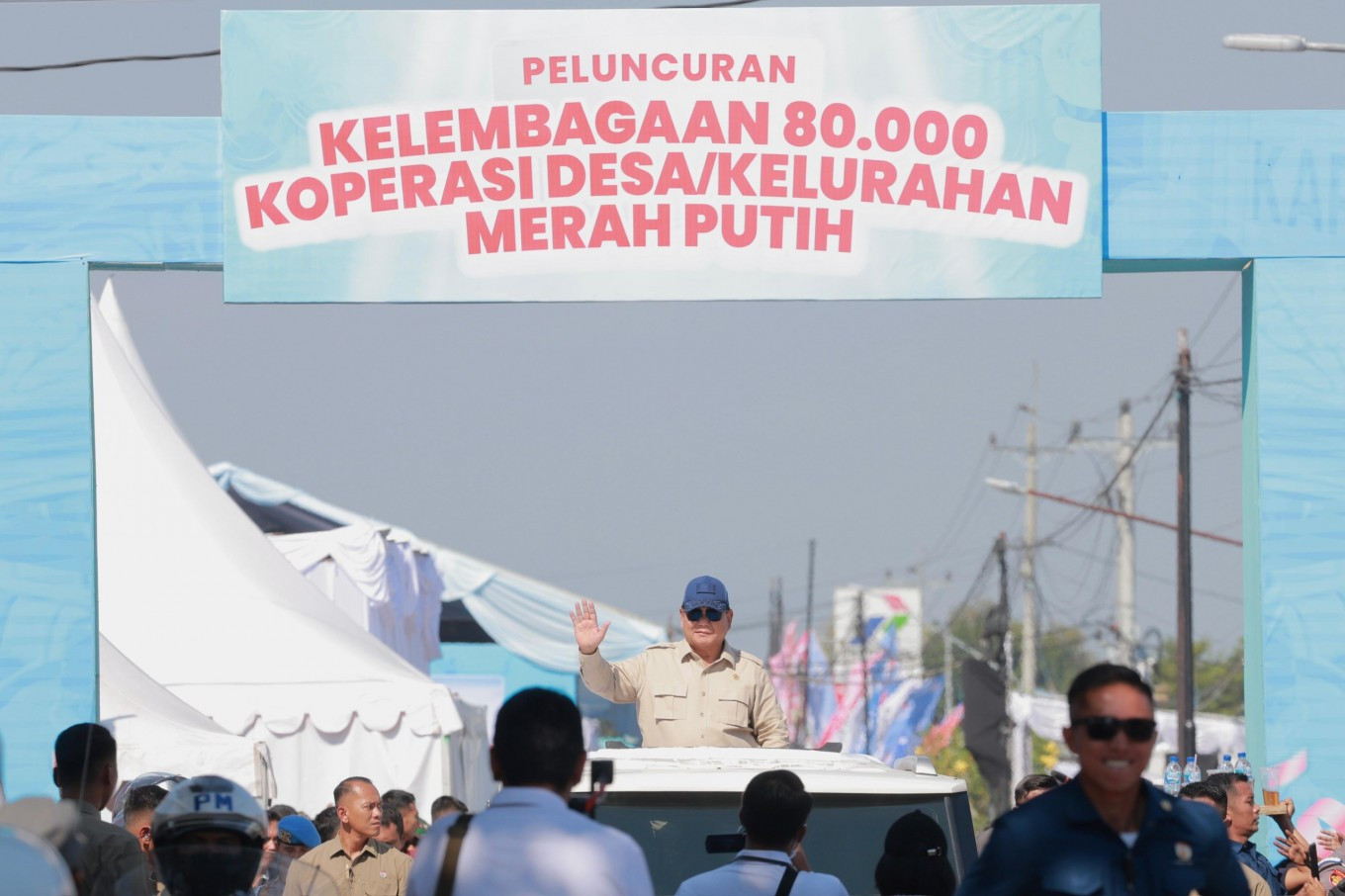
President Prabowo Subianto salutes the crowd from his vehicle on Monday, July 21, 2025, ahead of inaugurating the establishment of 80,081 cooperatives under the Red and White Village Cooperatives (KMP) initiative in a national rollout ceremony held in Bentangan village, Klaten, Central Java. (Courtesy of/BPMI Setpres) (Courtesy of/BPMI Setpres)
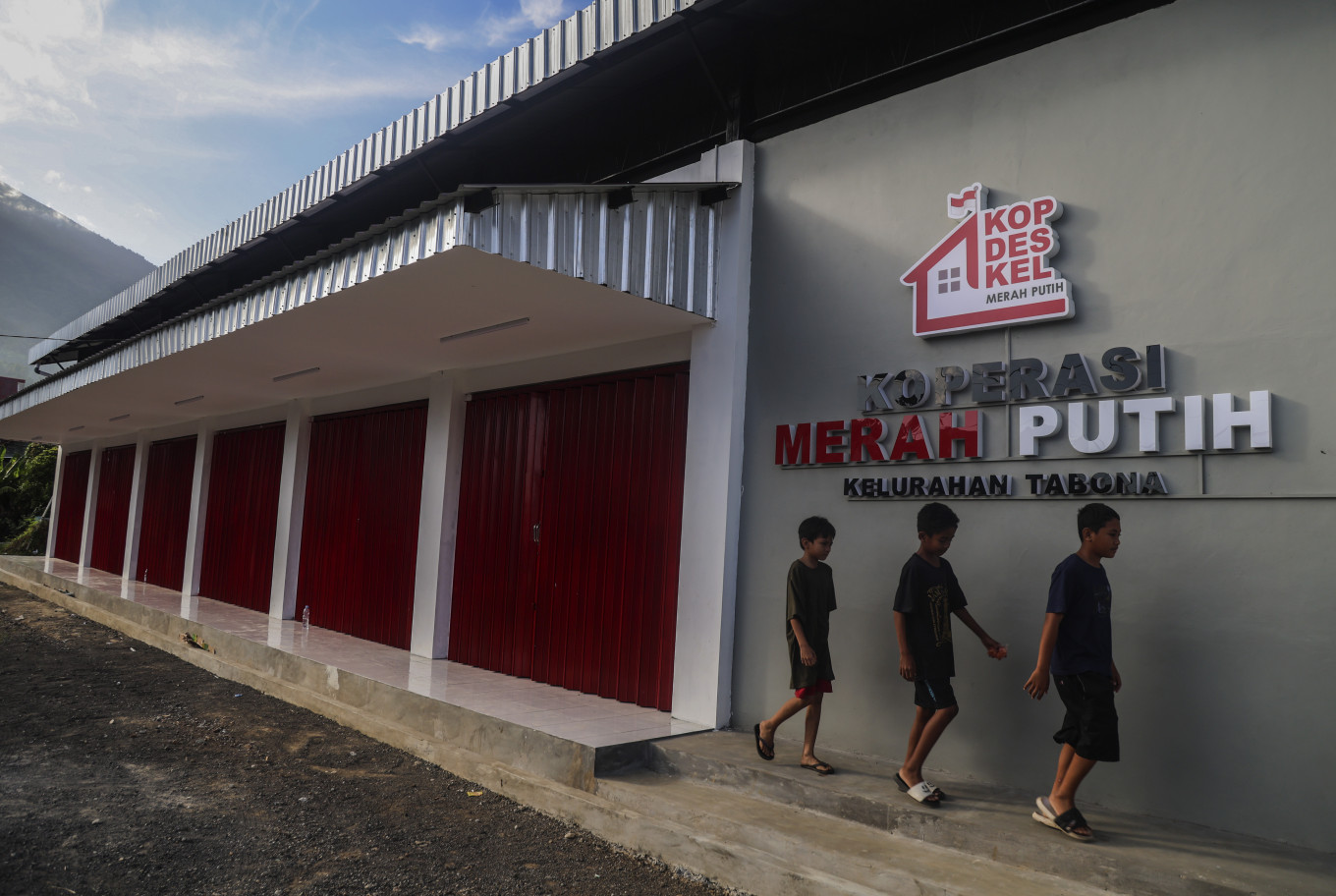
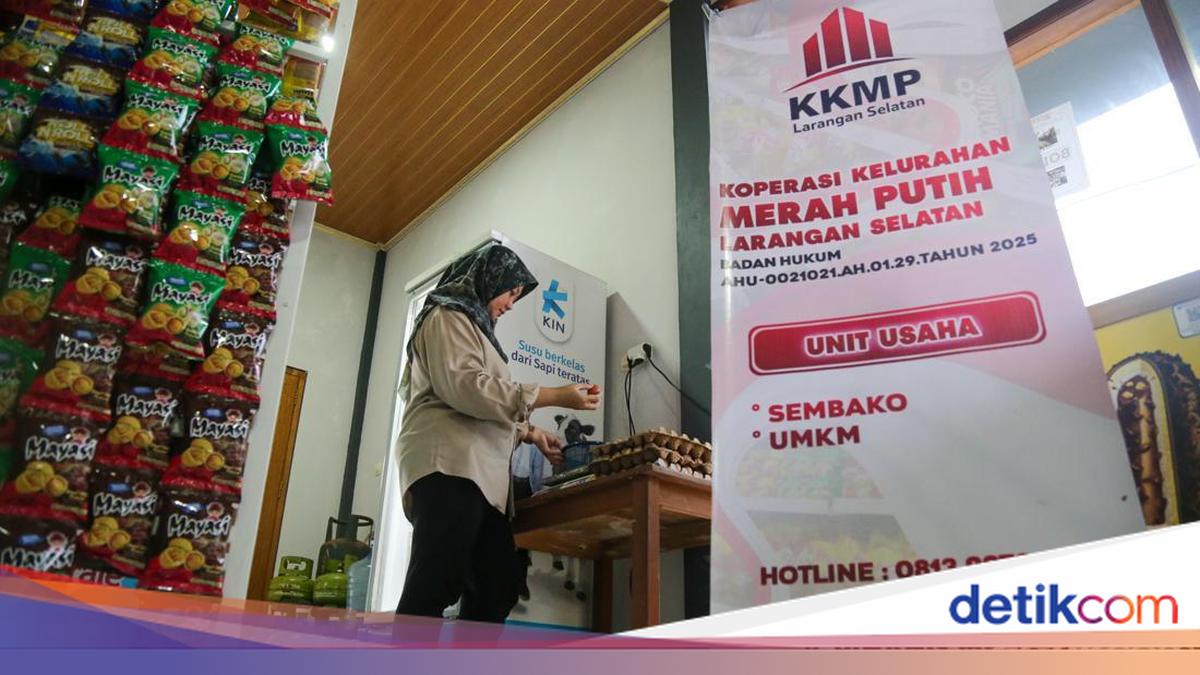
Fourteen months after President Prabowo Subianto unveiled the Red and White Cooperatives (KDMP) program as a vehicle for rural economic empowerment, the initiative increasingly resembles not a grassroots cooperative movement but a large-scale fiscal and governance experiment whose long-term sustainability remains uncertain.The program's financing model has become one of its biggest sources of concern. The government has tasked state-owned banks with providing Rp 3 billion (US$184,000) in loans to each cooperative. Of that amount, Rp 1.4 billion is allocated for operational expenses, including staff salaries, while the remainder is intended as working capital.
Revisions to the financing framework have removed the dedicated salary allocation previously provided through the state budget, leaving the remuneration of around 30,000 cooperative managers uncertain. Current estimates suggest the Rp 1.4 billion allocation could translate into monthly salaries of only around Rp 690,000, raising broader concerns about whether the program can attract qualified personnel and remain operationally sustainable once construction spending is exhausted.