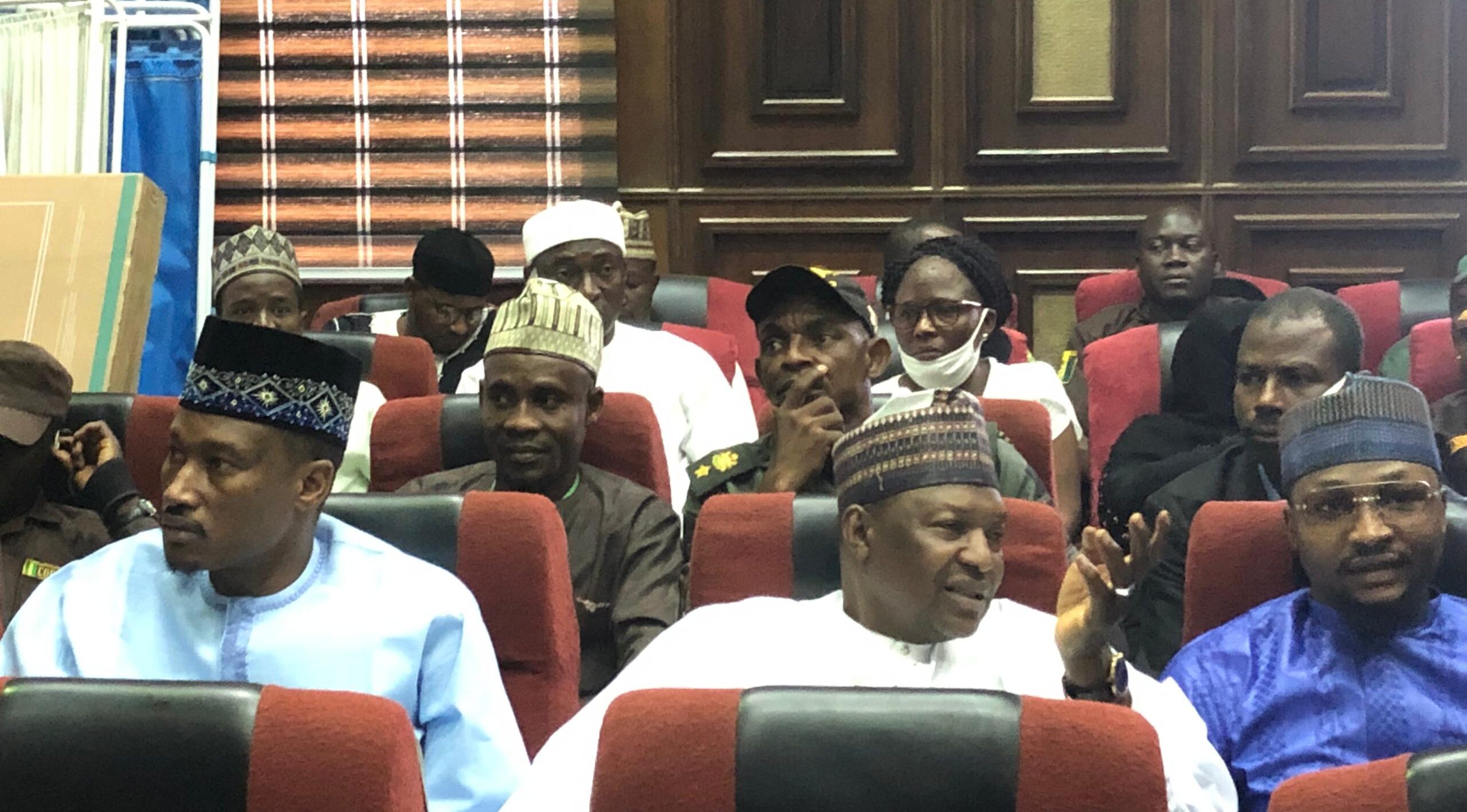
On 15 July, a Federal High Court in Abuja ordered the final forfeiture of 48 properties linked to Abubakar Malami, the former Attorney-General of the Federation and Minister of Justice. The properties, valued at roughly N180.4bn, include hotels, a university, malls and residential houses spread across Abuja, Kaduna, Kano and Birnin-Kebbi. Government officials and party loyalists have been quick to hail the ruling as proof that the Tinubu administration is serious about fighting corruption.
There is something about that narrative that needs to be examined dispassionately. Malami has not been convicted of anything. Forfeiture under Nigeria’s Advance Fee Fraud and Other Fraud Related Offences Act does not require proof beyond a reasonable doubt. It only requires “reasonable suspicion” that the property in question was acquired through unlawful means, and it is the property, not the person, that is on trial. Judge Joyce Abdulmalik was clear about this when she noted that the question before her was not who owns the properties, but how legitimate the money used to buy them was. That is a meaningful legal finding. It is not a guilty verdict.
To be fair to the process, it was not a one-sided exercise. The EFCC had asked the court to forfeit 57 properties worth over N212bn. The judge released nine of them, ruling that the commission had not established a clear link between those specific assets and any unlawful activity. Suspicion alone was not enough for her, and mere association with Malami did not automatically taint a property. That is an important point to note. A court that rejects a fifth of the government’s own request is not simply rubber-stamping the EFCC’s case, and anyone writing about this fairly should note that.