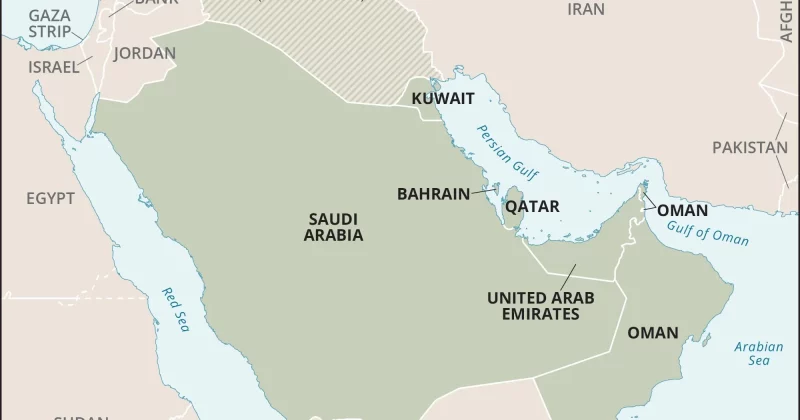
The rift between Saudi Arabia and the United Arab Emirates is spilling over from geopolitics into global finance. Global banks — long accustomed to treating the Gulf as a single, large and obliging wallet — are now being forced to make difficult choices, preparing for a time when money, people and assets might not flow as freely across the region as they do now. Together with the impacts of the Iran war, this has upended their notions of how the Gulf works.
The finance industry has only itself to blame, however. It had forgotten that wallets, however deep, have owners. And those owners have interests that are the banks’ job to understand. It’s not that the Gulf has gotten more complicated; the reality is it was never that simple. The misbegotten belief that the region is a monolith incentivised offers that were equally undifferentiated, lazily sketched-out and poorly aligned with each investor’s mandate and constraints.The notion that Saudi Arabia and the UAE — not to mention Qatar and other deep-pocketed neighbors — were basically variations on the same market had a certain seductive appeal. There’s no denying the similarities in their massive pools of capital and desire for long-term returns. Thus, the argument runs, the Gulf will finance any global asset that has even a chance of paying off in the future. What the region lacks is Western technology, expertise and access, so it will accept whatever terms it’s offered.