By
Ed Kilgore,
political columnist for Intelligencer since 2015
Midterm elections are almost always a referendum on the job performance of the party controlling the White House, with a thumb on the scales for the “out” party. This is due to two factors. First, there’s the tendency of a small slice of the electorate to seek a “balance of power” in Washington by reining in the party running the country. Second, many voters are discontent with the incumbent party, as a majority of Americans almost invariably think the country is on “the wrong track.” The exceptions that largely prove the rule are the two midterms since the early New Deal when the presidential party gained U.S. House seats: 1998 and 2002. In both cases presidential job approval was sky-high (per Gallup, Bill Clinton was at 65 percent in 1998 and George W. Bush was at 67 percent in 2002).
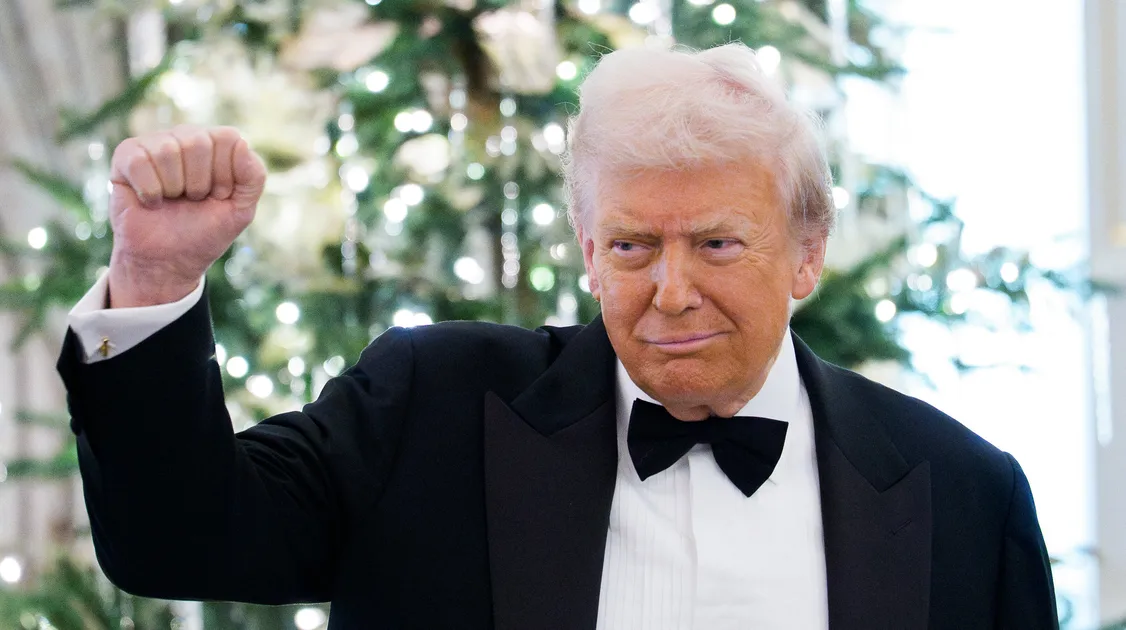
In cases where presidential job approval is terrible or meh, the White House party always tries to change the fundamental nature of the election into a choice between the two parties. The record shows it doesn’t often work. This year, however, you can understand if Republicans try it anyway. After all, Donald Trump’s job approval has been largely stuck underwater for most of his two terms as president. According to the Silver Bulletin averages, it’s been bumping along just above and (most recently) just below 40 percent all this year. At present, 47.4 Americans strongly disapprove of Trump’s job performance; these are not people who are going to change their minds any time soon.