By
Ed Kilgore,
political columnist for Intelligencer since 2015
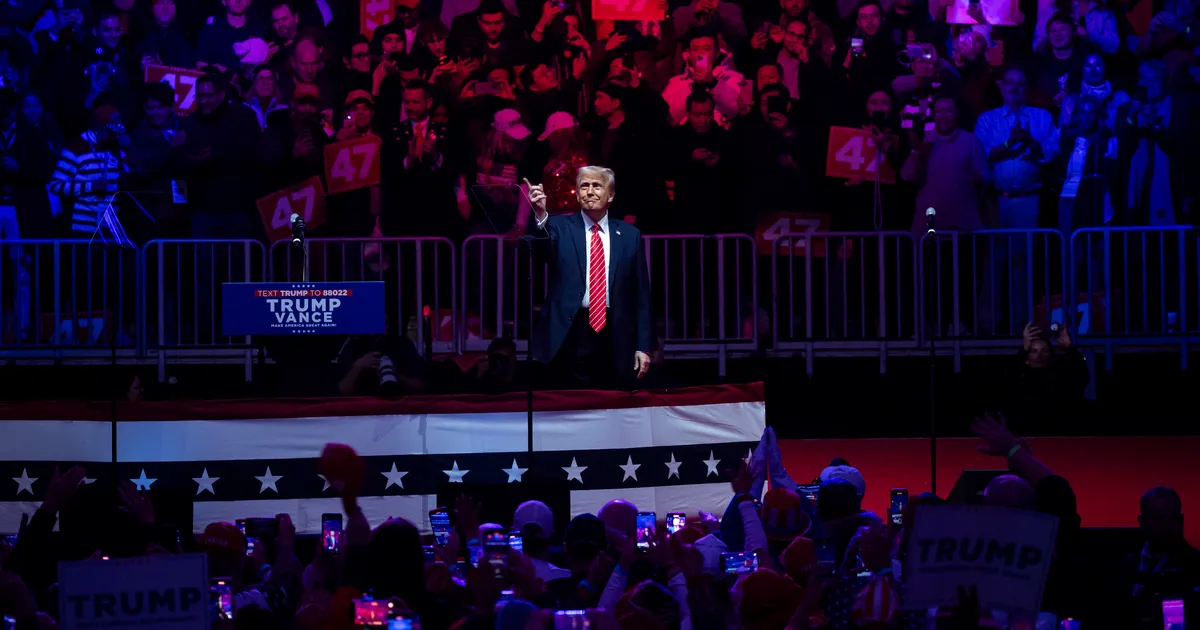
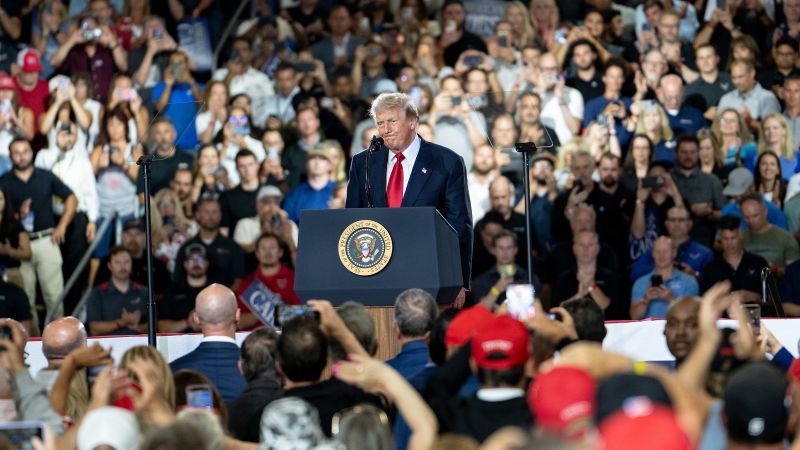
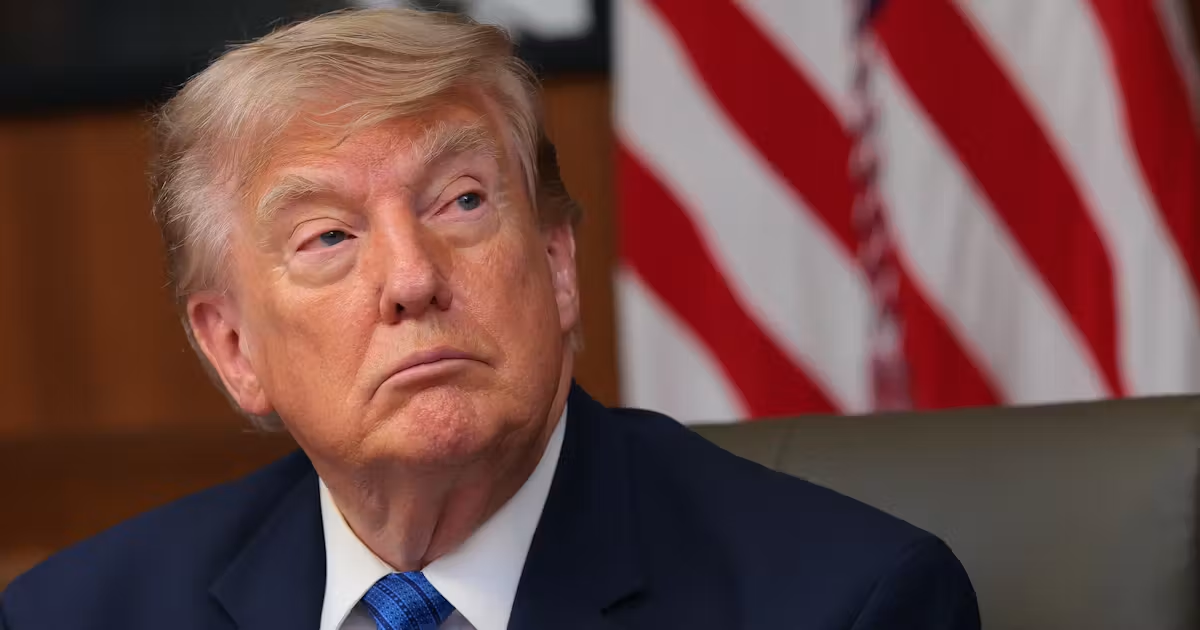
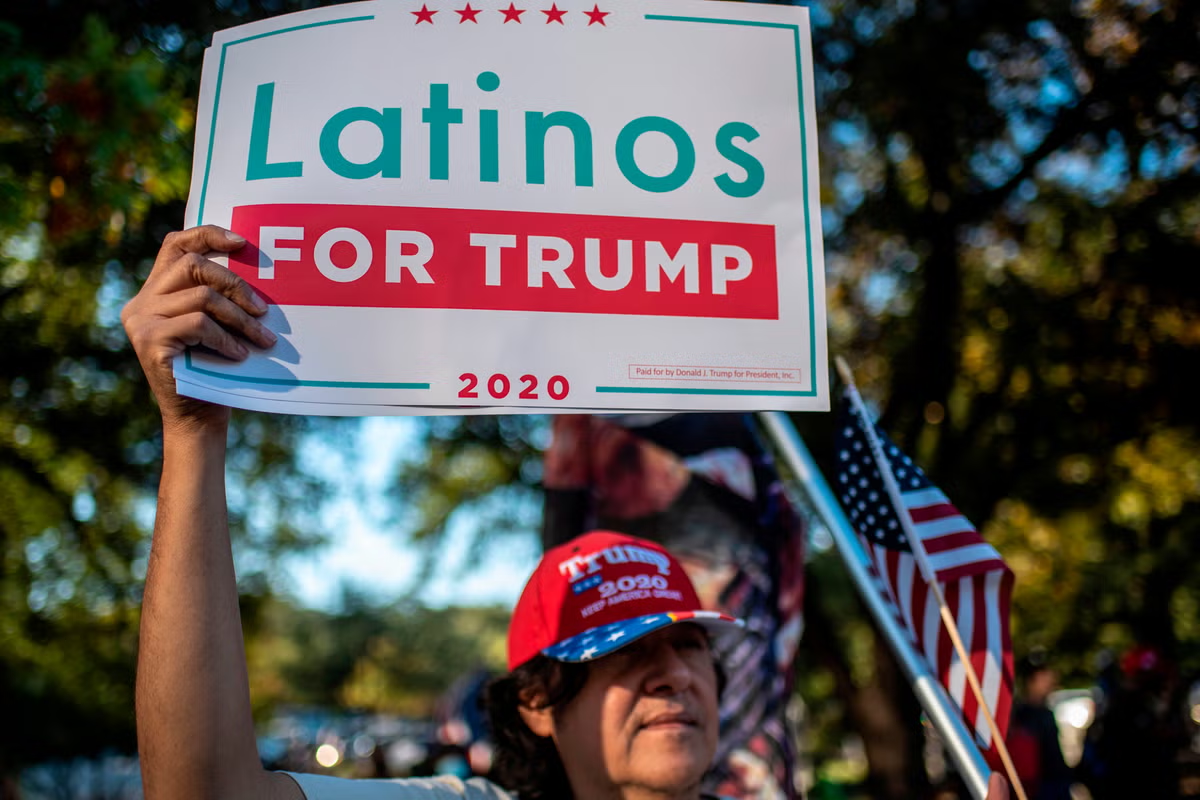
The heart of the 2026 midterm-election battle is a struggle for the high ground of public opinion between supporters and opponents of the president of the United States. That’s generally true of midterm elections, and it’s particularly true given the unparalleled visibility — ubiquity, really — of Donald Trump and the polarizing effect he has on the whole country. The outcome of the 2026 midterms may depend on whether 2024 Trump supporters bother to go to vote at all. The “enthusiasm gap” between self-identified Democrats and Republicans shows up all the time in the polls, as the Washington Post noted last month:
Americans prefer Democrats to Republicans in the congressional midterm elections by only a slim margin, but Democratic supporters are far more motivated to vote, according to a Washington Post-Ipsos poll.Because of partisan redistricting that favors Republicans this year, analysts estimate that Democrats need to win by three to four percentage points overall to gain a majority in the House. The poll shows Democrats leading Republicans by about that margin, 48 percent to 45 percent.The blue advantage grows to eight points among those “absolutely certain to vote,” with 53 percent of highly motivated voters supporting Democrats and 45 percent supporting Republicans.