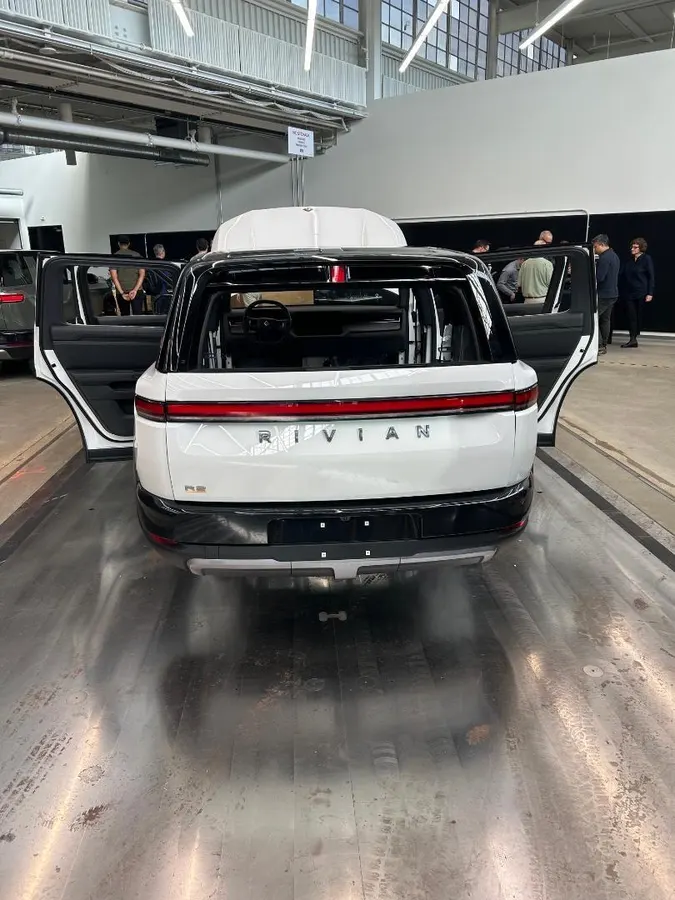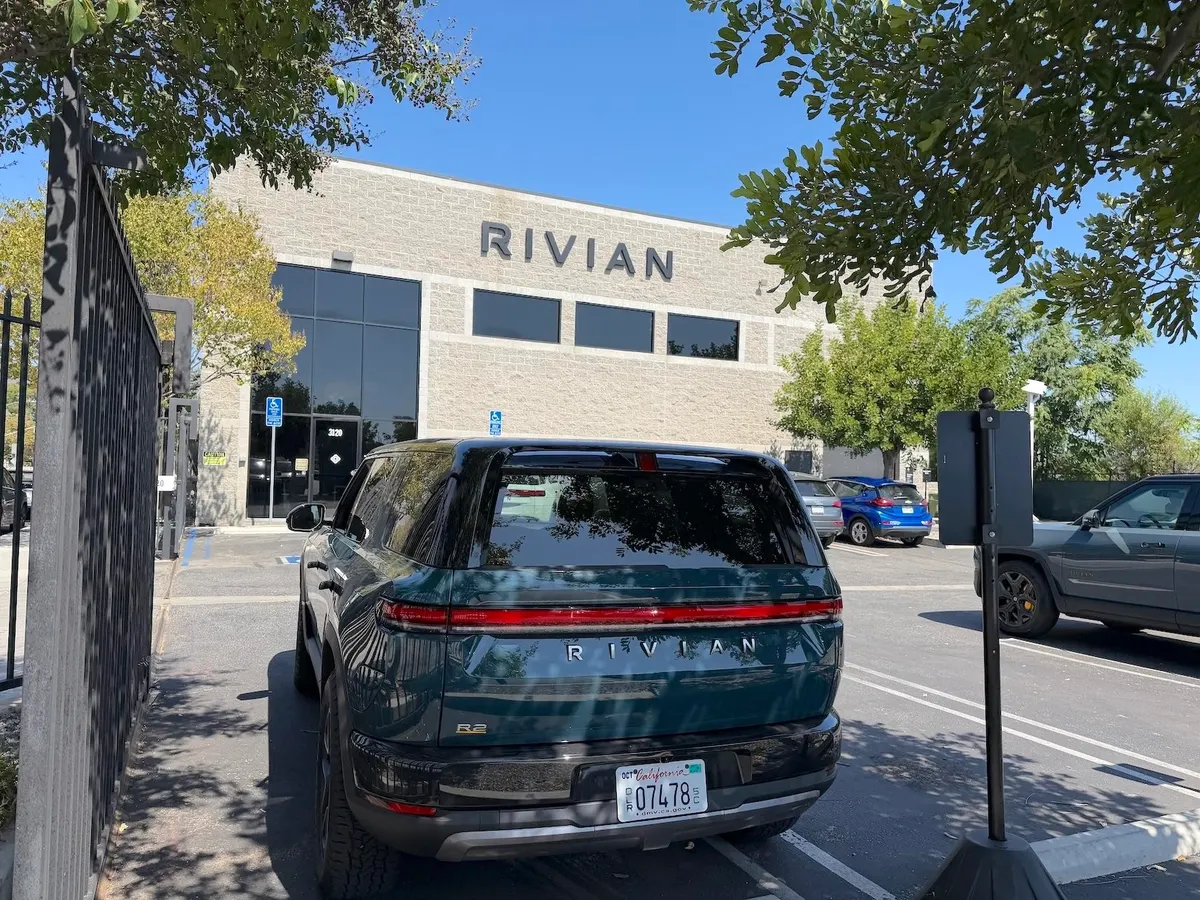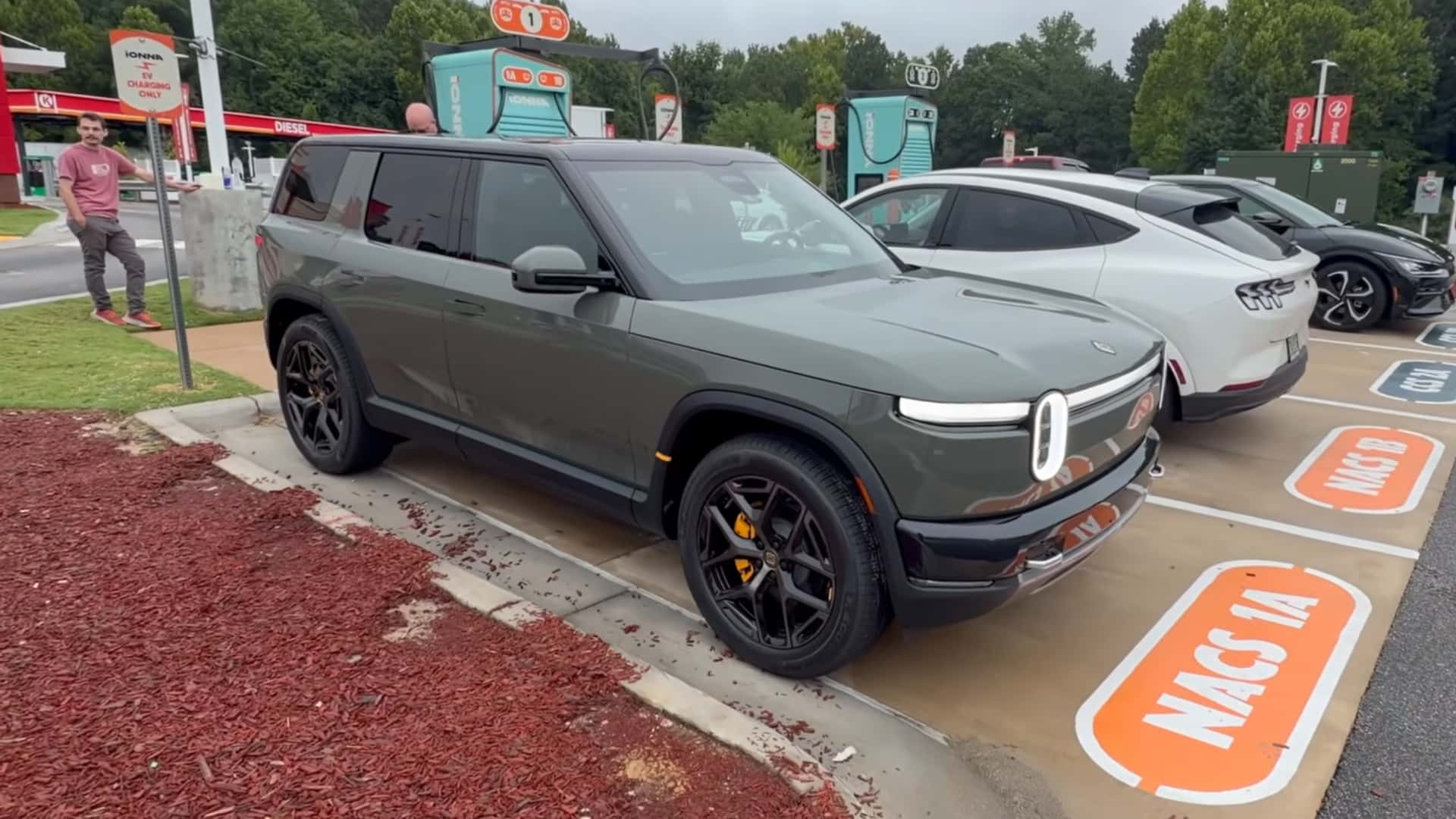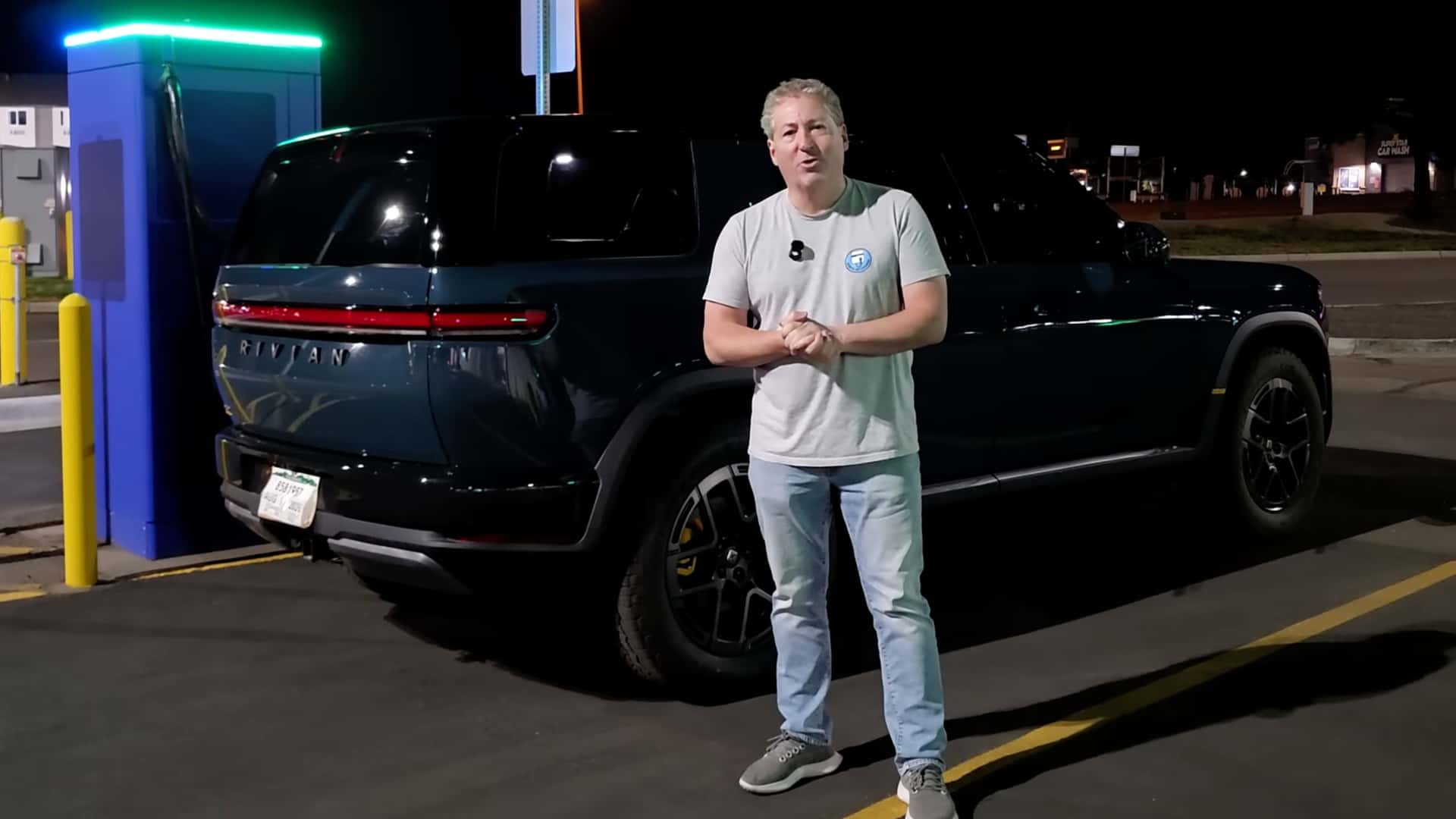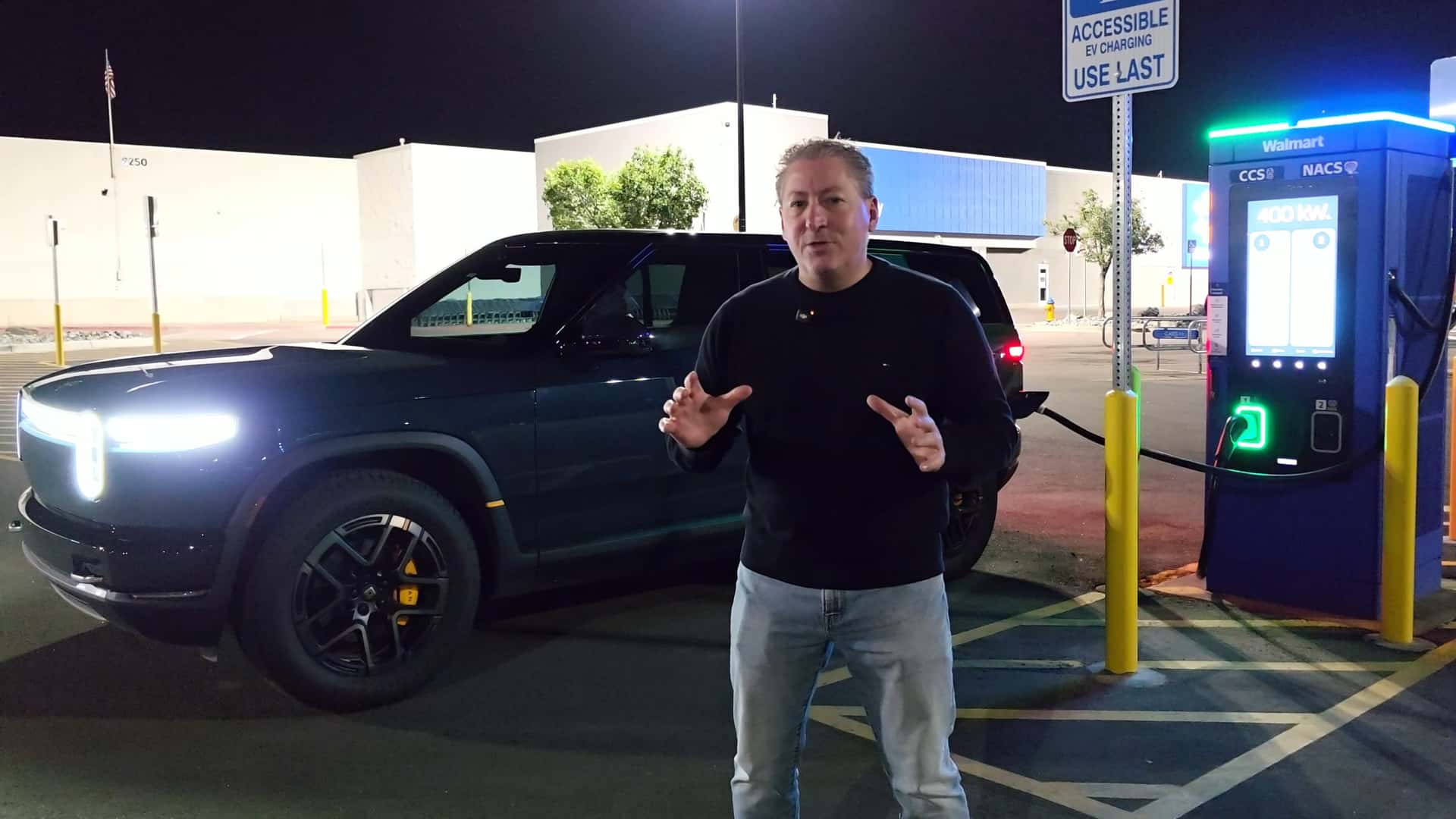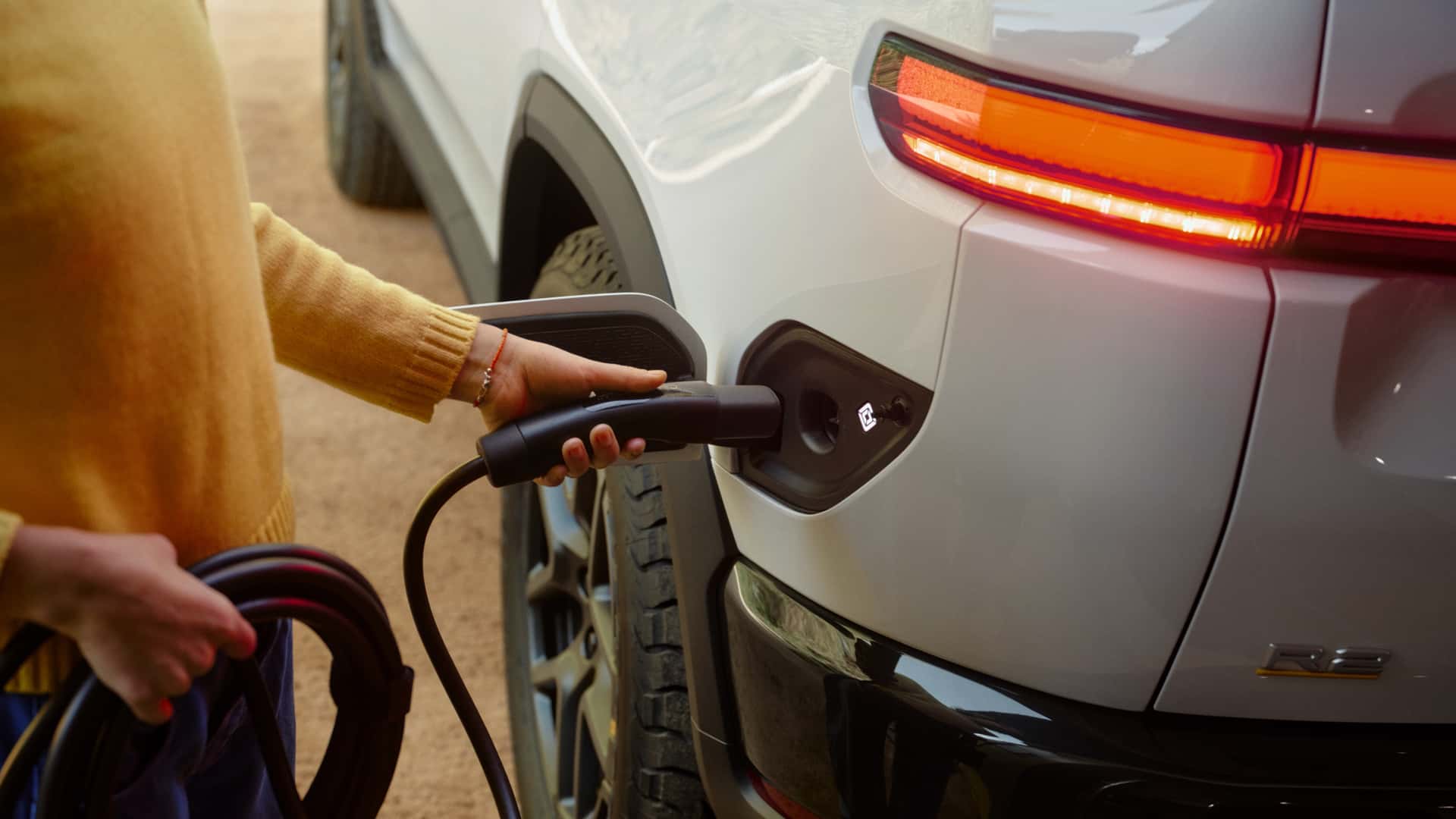
What happens if you use a subpar charging adapter to plug your Rivian R2 into a CCS charge station? Just ask, journalist Tom Moloughney, host of the State of Charge YouTube channel, who tested out the R2's charging capabilities using an older Tesla adapter. It melted one of the pins. This likely won't be an isolated incident, as it wasn't a malfunction or error on the car's fault. It's simply a nature of the R2's design and limitations of older NACS-to-CCS adapters.
So how did that happen and why can't older adapters handle the R2? The answer lies in the important difference between voltage and amperage. For Rivian to maintain the brilliance of its R1 models in the much cheaper R2, it had to make some cost compromises. One such compromise was sticking with the same 400-volt battery architecture as the R1, rather than the 800-volt systems that so many of its competitors are now using. While that's fine, it does mean that Rivian had to increase the R2's amperage draw while charging to maintain a similar speed.
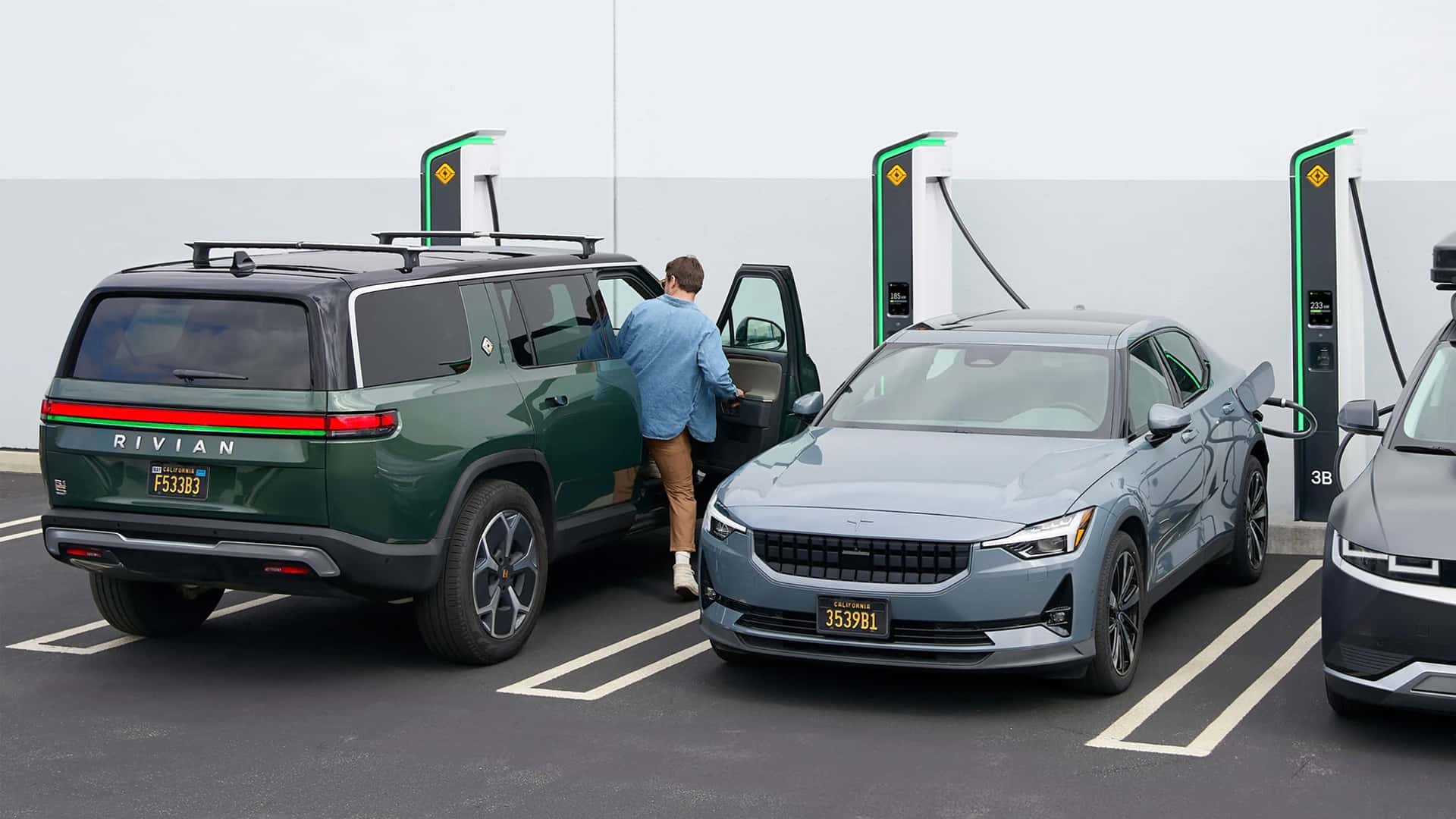
Moloughney says that the older adapter wasn't up to the task of handling the R2's extra amperage, which is why it melted. However, he does say that more modern adapters are more capable of handling higher amperage, and therefore won't melt. Which is important for customers to know now that the R2 has a native NACS port. While the NACS port is handy for Tesla Superchargers, owners will need an adapter to charge at many Electrify America, ChargePoint, and other CCS charging stations.