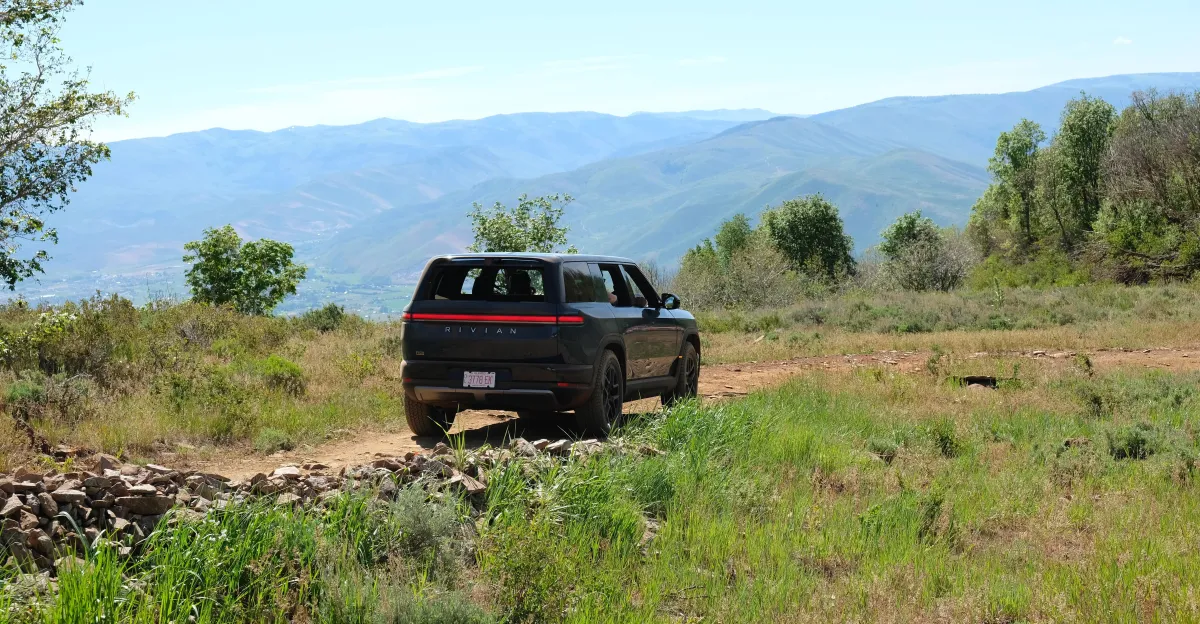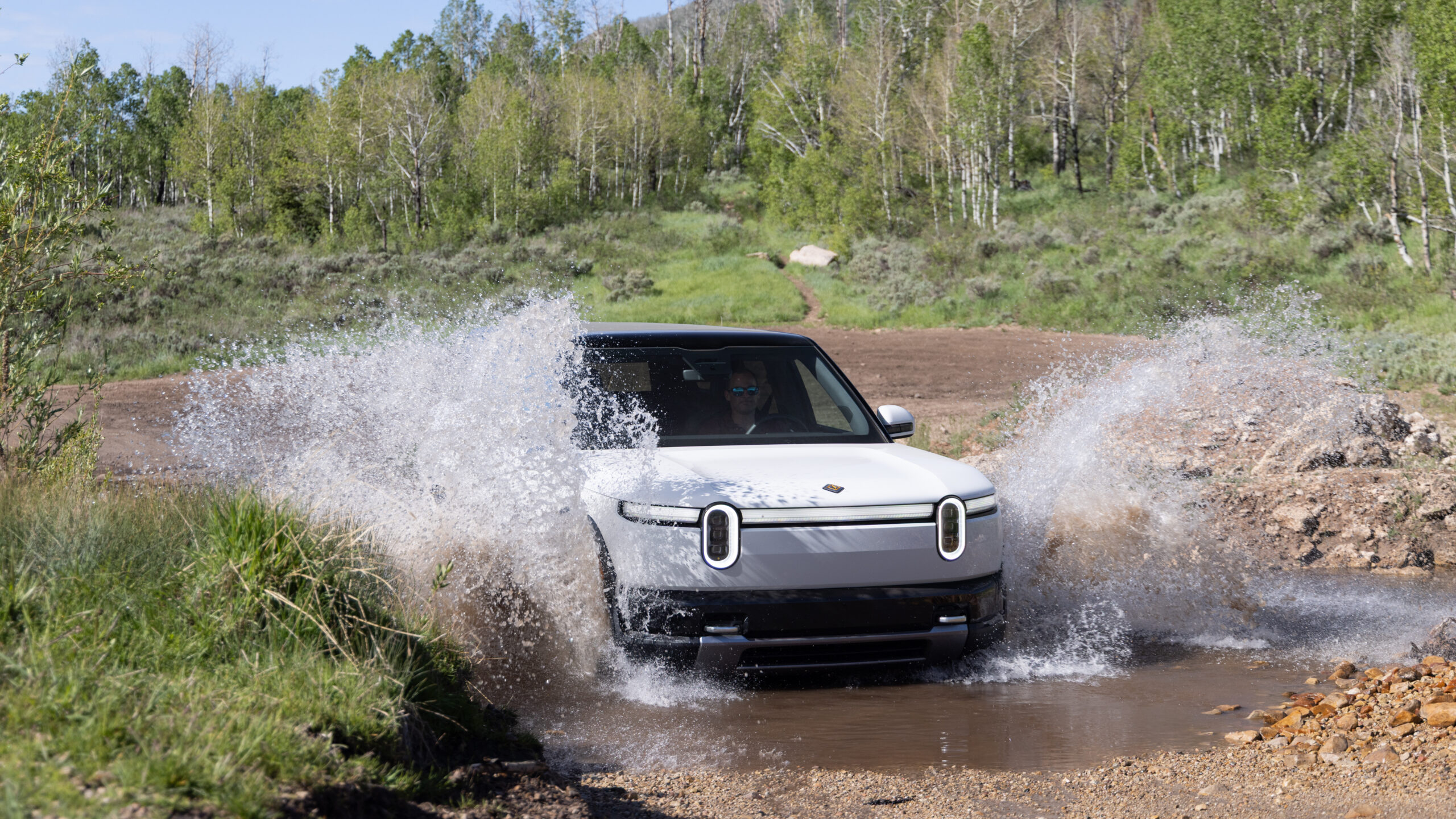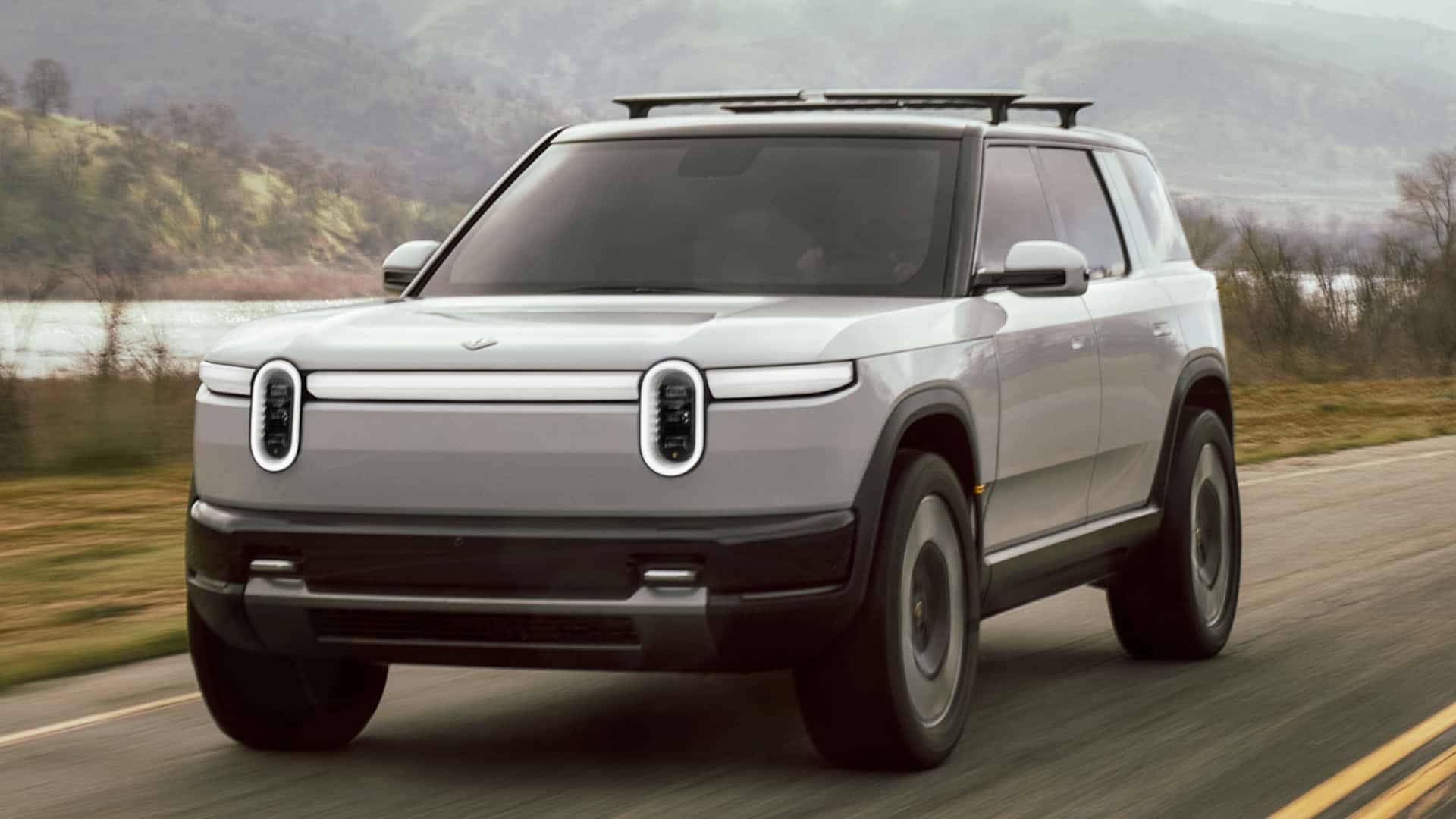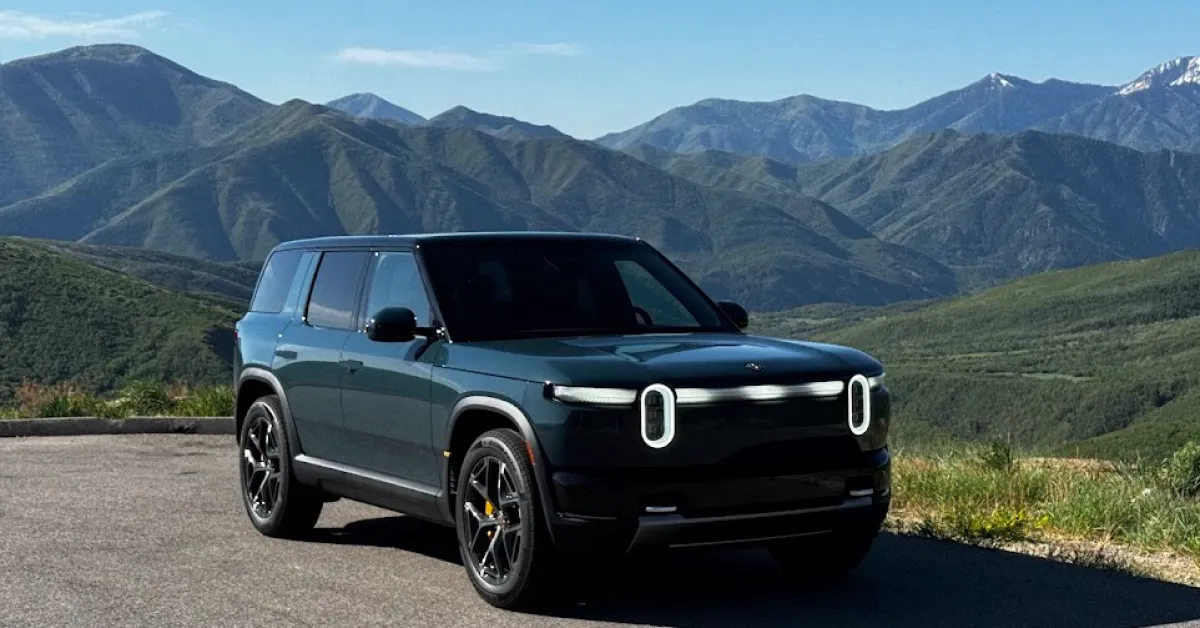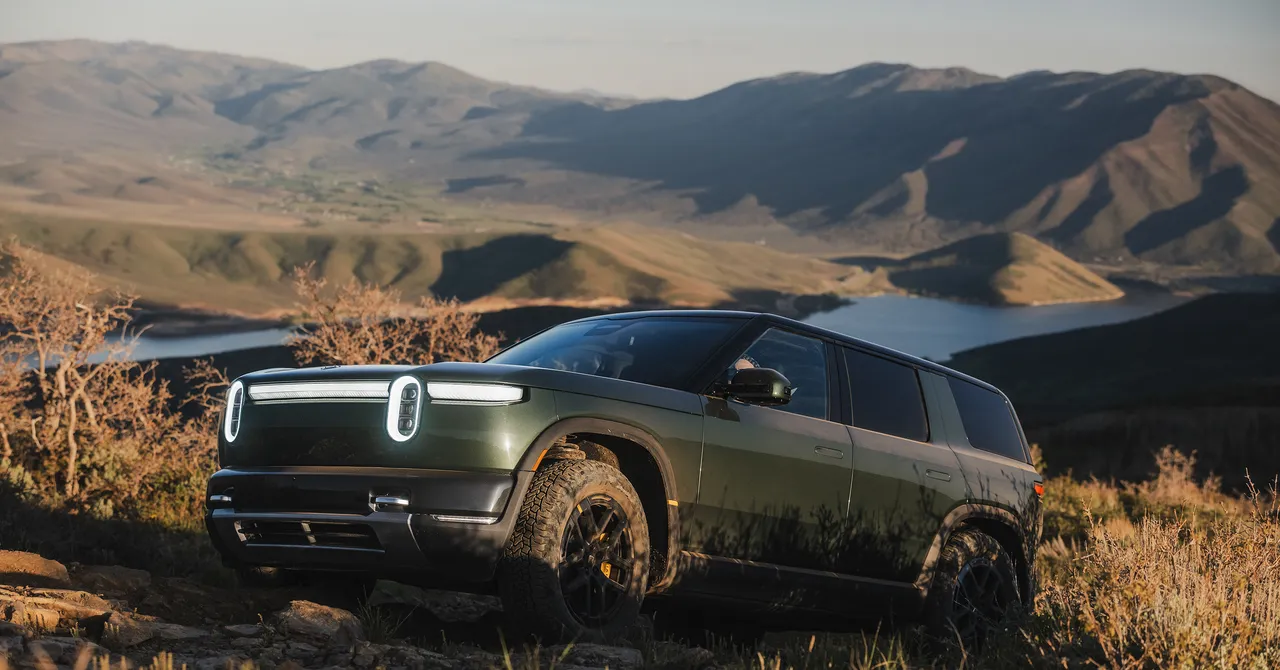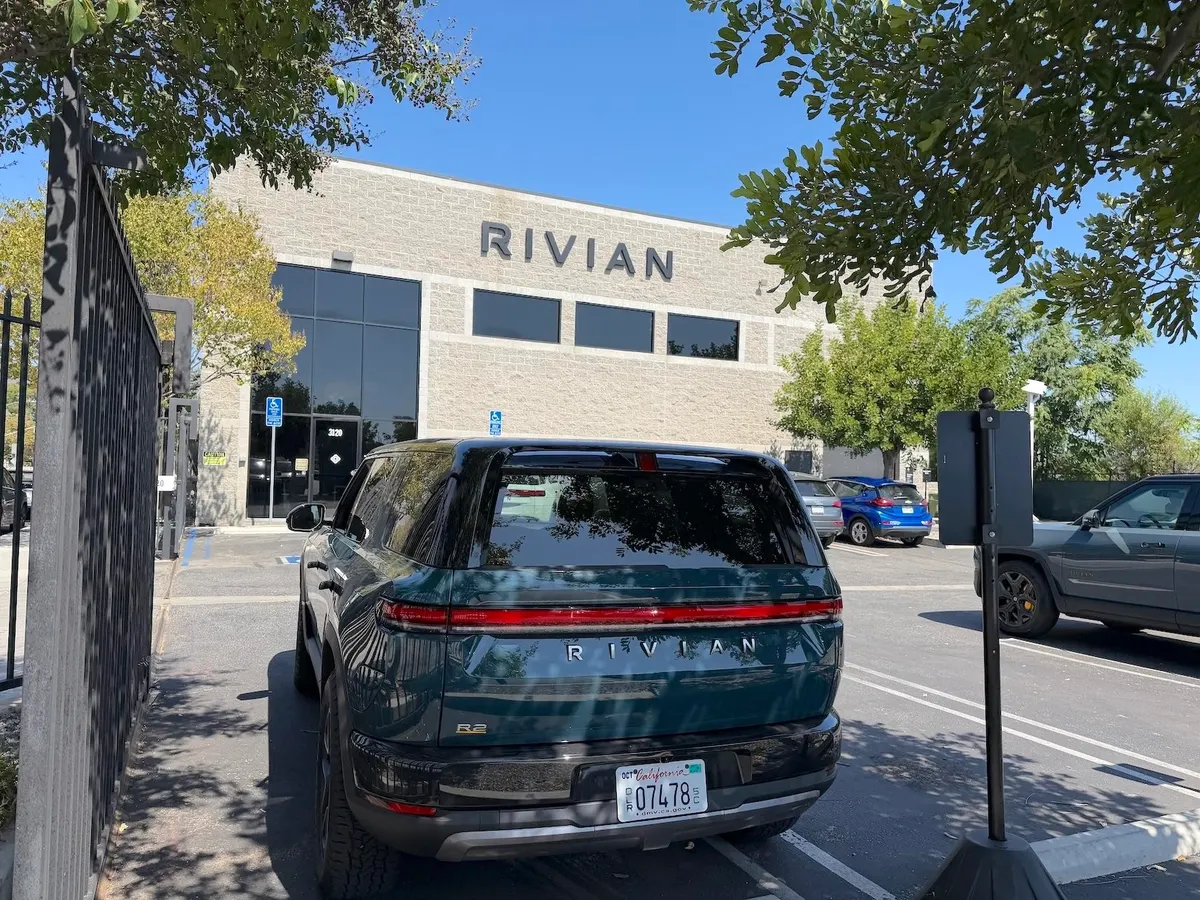
Rivian R2.Credit: Brooke Crothers[UPDATE] The Rivian R2 is here. I took it for a quick spin.I had the R2 for about 90 minutes*. I focused on testing the Rivian Universal Hands-Free autonomy technology and the ride/performance. (Later, I’m slated to do a more complete review of the R2.)TL;DR: If you want to get into a Rivian, the R2 is a good entry point. One of its best features is its size. Smaller, more nimble, and less expensive than the large three-row R1S. The vehicle autonomy is pretty much the same as the 2nd gen 2026 R1S. The R2 Performance Launch Package – available now – that I test drove starts at $57,990 and has an EPA rated range of 330 miles. (Note that the R2 that Rivian highlights on its website is $44,990 but not available until late 2027. That has a rated range of 275 miles.)Size and AutonomyThe R1S – Rivian’s first electric SUV introduced in 2021 – was a good starting point. But the R1S was (is) big and expensive. The cheaper, more compact R2 puts Rivian on better competitive footing with the Tesla Model Y. And note that the R2’s frunk (front trunk) is bigger and the R2 overall has more cargo space than the Model Y (see image below).MORE FOR YOUDuring my test drive, I focused mostly on the Universal Hands-Free autonomy technology. The Launch package includes a lifetime subscription to Rivian’s Autonomy technology. At this stage, I would categorize it as decidedly Level 2. That means the R2 drove itself (mostly) on Interstate 5 in Los Angeles. And to a lesser degree on local roads in Burbank. The local driver assist is limited to lane-centering, braking and acceleration. On highways, autonomy includes lane changes too. By comparison, Tesla Full Self-Driving (FSD) can navigate turns, stop signs, and traffic lights on local streets and follow a navigation route door-to-door. With both Tesla and Rivian technologies, the driver has to stay fully engaged and be ready to take back control if necessary. Rivian’s goal is Level 4 (think: robotaxi). The next step is Level 3 – hands-off, eyes-off in certain conditions. Then ultimately Level 4 — full autonomy within geofenced zones, no driver required. That dovetails with Rivian’s Uber partnership for R2 robotaxis. The R2 on the right, next to the R1S.Credit: Brooke CrothersR2 (on right) and R1S.Credit: Brooke CrothersRivian R2 Vs. R1S.Credit: Brooke Crothers / Claude AI / RivanRideThe ride was similar to the 2026 R1S (which I tested for a week in April). Rivians have a unique feel, surprisingly refined for an off-road capable vehicle. Acceleration is quick, as expected for a Performance trim. But it didn’t feel as nimble and quick as the 2026 Subaru Uncharted EV – also off-road capable – that I recently tested. Rivian Goes HapticThe Haptic Halo Wheels are a nice addition. The wheels – located on the steering wheel – control audio, climate, and drive mode, among other things. With the limited time I had, I would say I prefer physical controls to a touch screen (think: Tesla). Touch screens are fine – up to a point. And the fact that the controls are built into the steering wheel makes them more accessible than a touch screen and allows you to keep your eyes on the road. Conclusion:Again, I go back to size. It’s smaller, less expensive and it’s Rivian’s future. A mid-size electric SUV that could take Rivian into the (volume) big leagues.Rivian R2 Performance trim vs Tesla Model Y Performance trim.Credit: Brooke Crothers / Claude AI / source: Rivian, TeslaRivian R2.Credit: Brooke CrothersRivian R2 frunk.Credit: Brooke CrothersRivian R2.Credit: Brooke CrothersRivian R2.Credit: Brooke CrothersRivian R2.Credit: Brooke Crothers*Updated on July 20, 2026 to show that it was a 90-minute test drive, after a second 45-minute test drive. Adds photo of frunk.
2027 Rivian R2 First-Take Review And Test Drive
If you want to get into a Rivian, the R2 is a good entry point. One of its best features is its size. Smaller and less expensive than the large three-row R1S.
632 words~3 min read