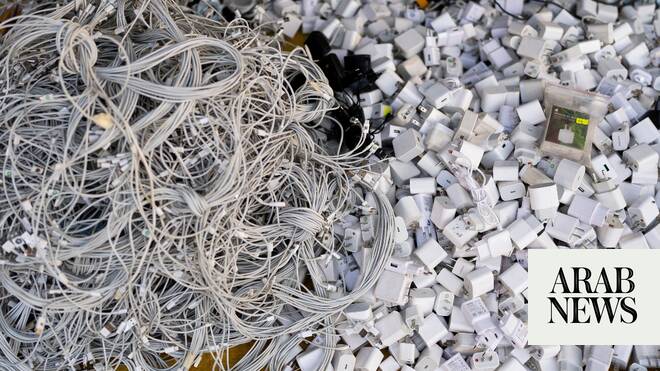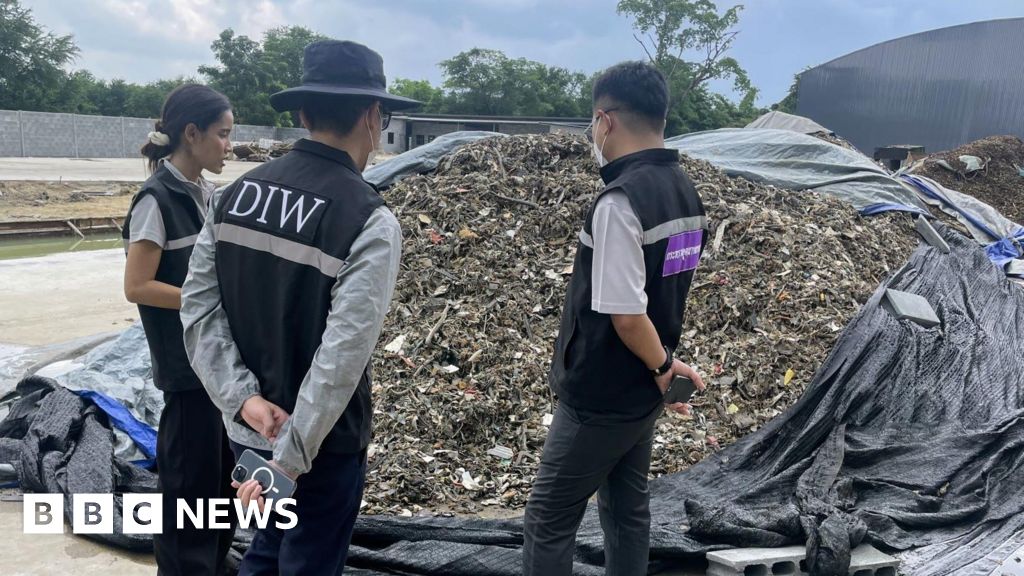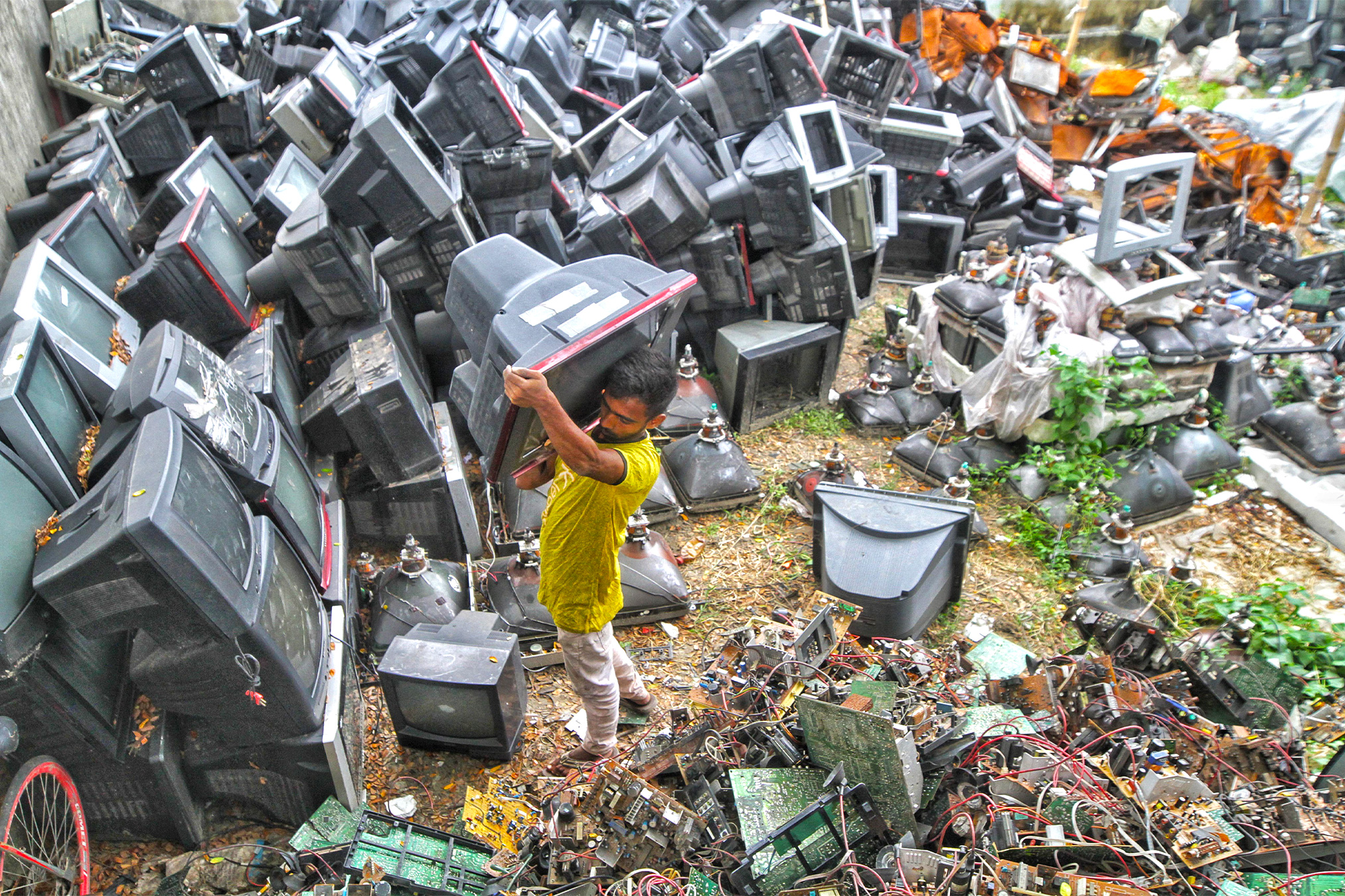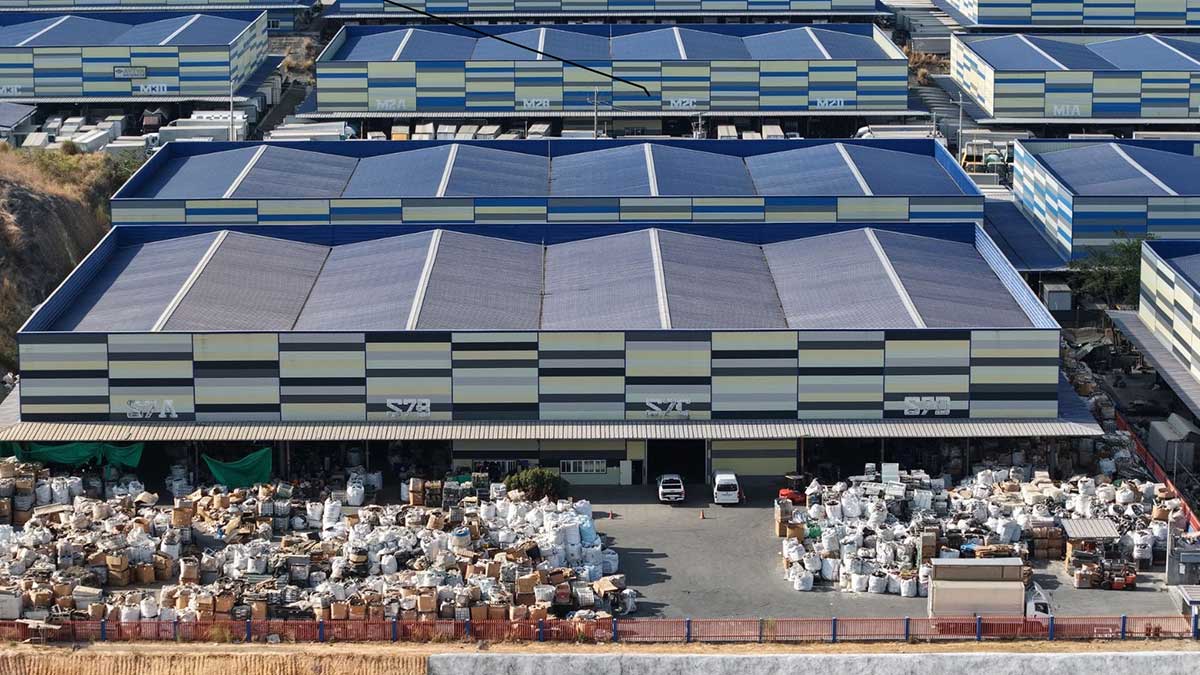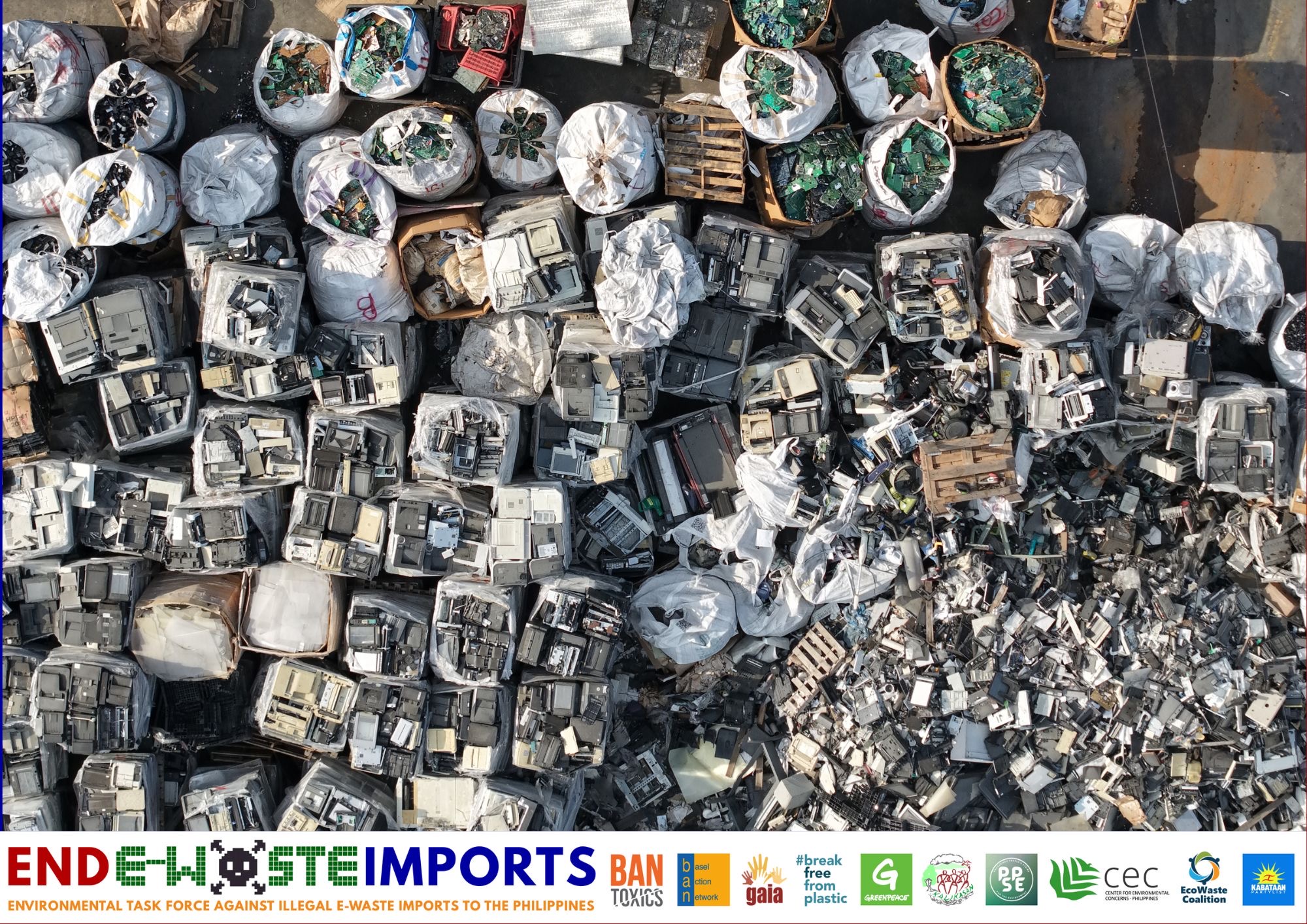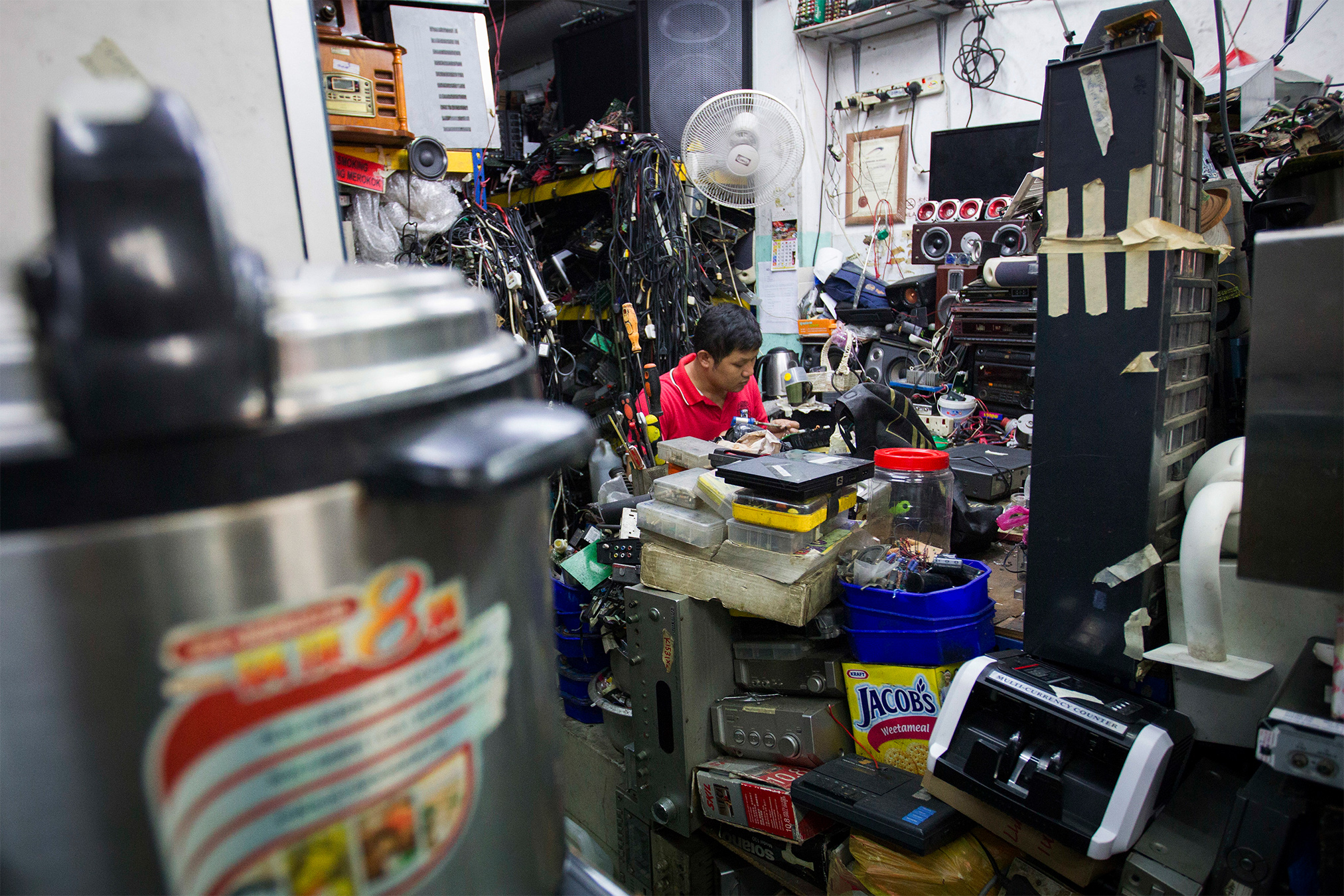
In April 2026, Malaysia began enforcing an absolute ban on e-waste imports, having previously been one of the main recipients of imported electrical and electronic waste.Enforcing the ban requires customs authorities to discover and turn back cargoes of e-waste falsely declared as industrial metals or other commodities — a daunting task given the volume of containers passing through Malaysia’s ports every day.While enforcement efforts are underway, including a joint task force that has already sent thousands of tons of e-waste back to origin countries this year, loopholes remain, such as top exporter the U.S. not being a signatory to the Basel Convention on hazardous waste.Meanwhile, local recyclers say the e-waste ban levels the playing field for companies trying to legally recycle domestic e-waste, while residents of areas near ports complain that illegal incineration remains a persistent problem.
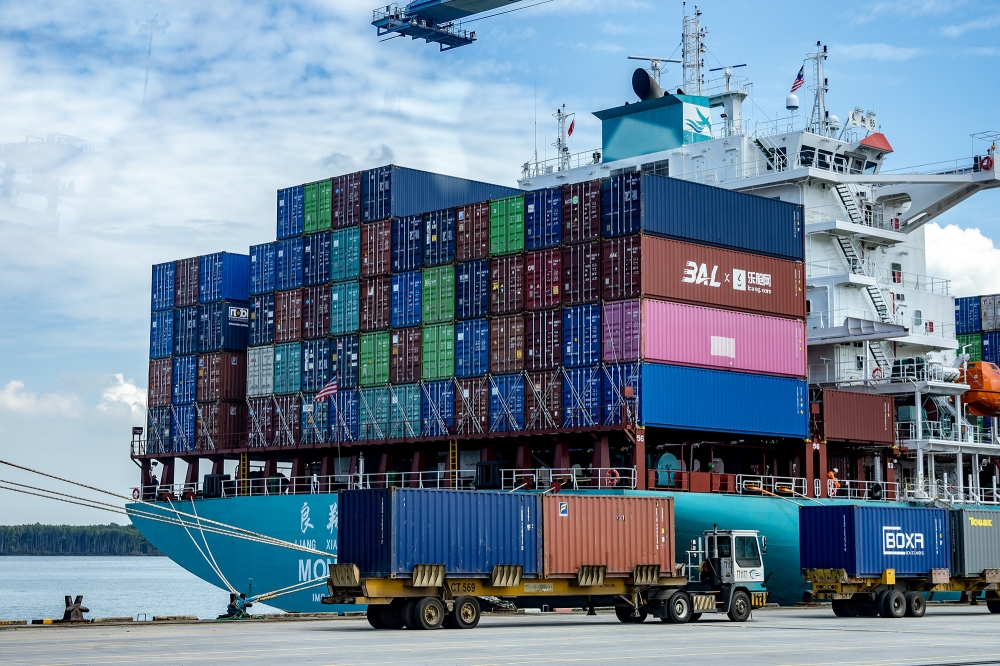
KLANG, Malaysia — On the morning of July 7, 2026, a shipping container declared to contain tin ore caught fire shortly after offloading at Port Klang, Malaysia. After firefighters doused the flames, they pried open the steel doors and found no industrial metals — only a cargo packed full of scorched electrical and electronic waste, or e-waste.