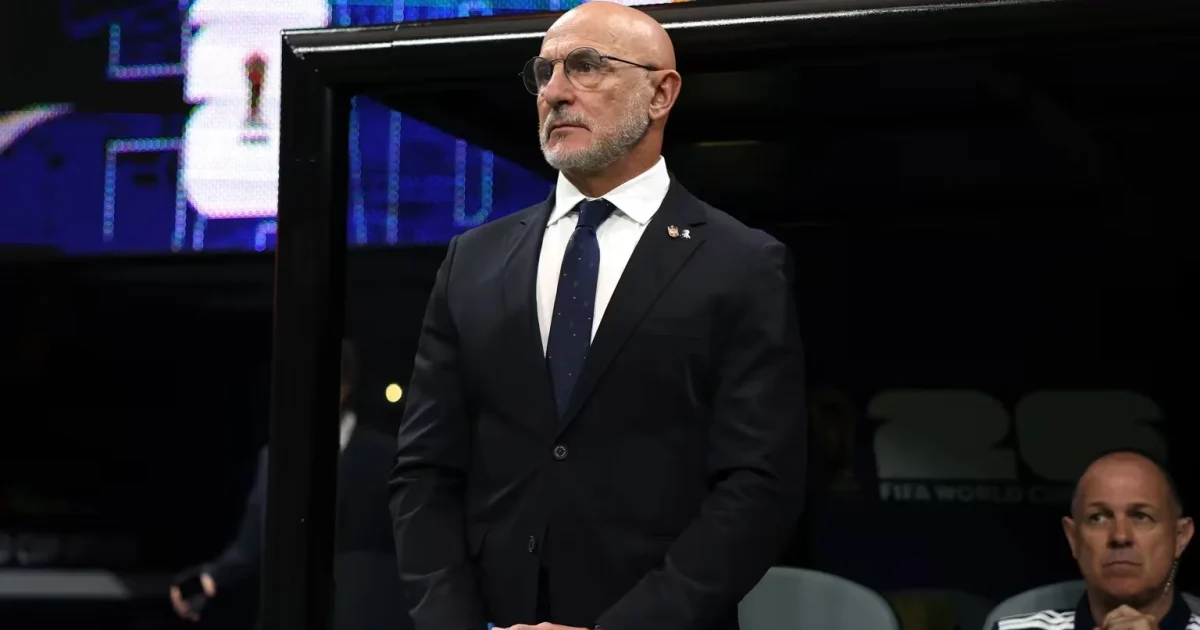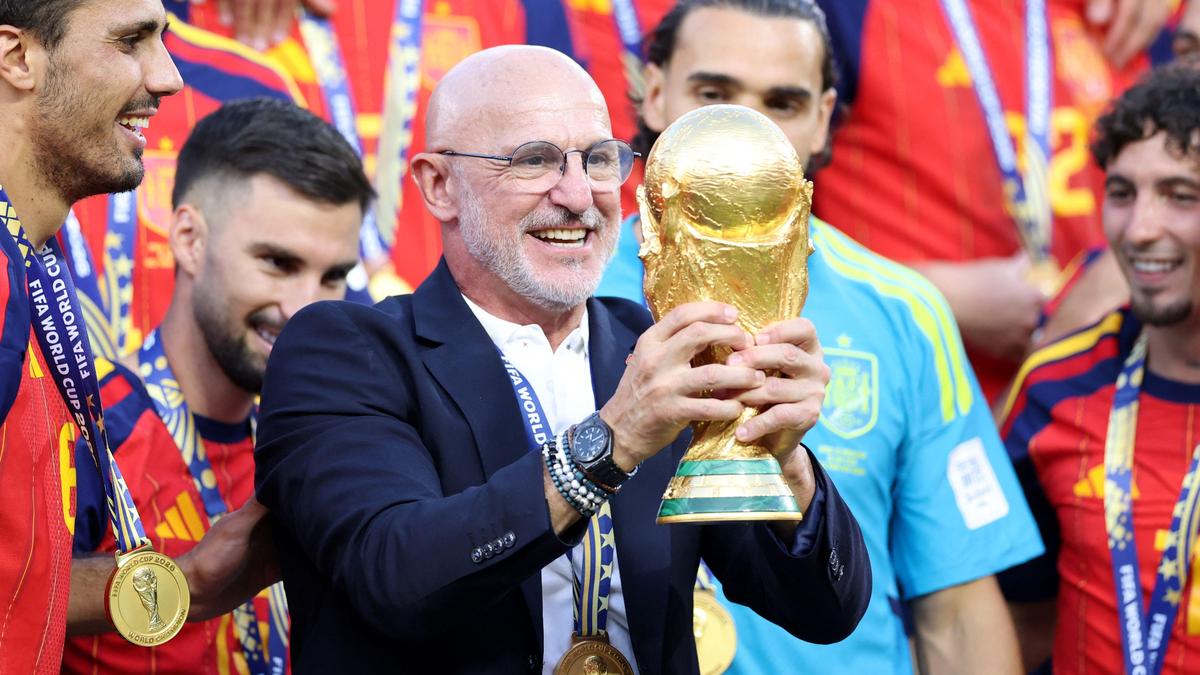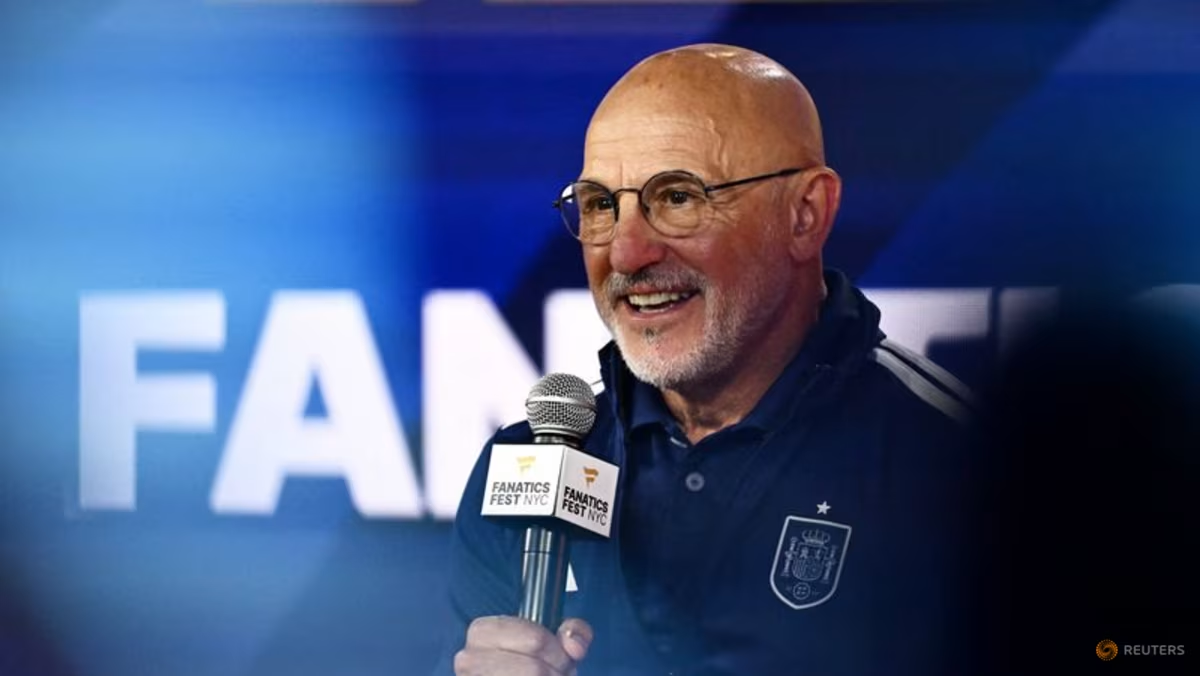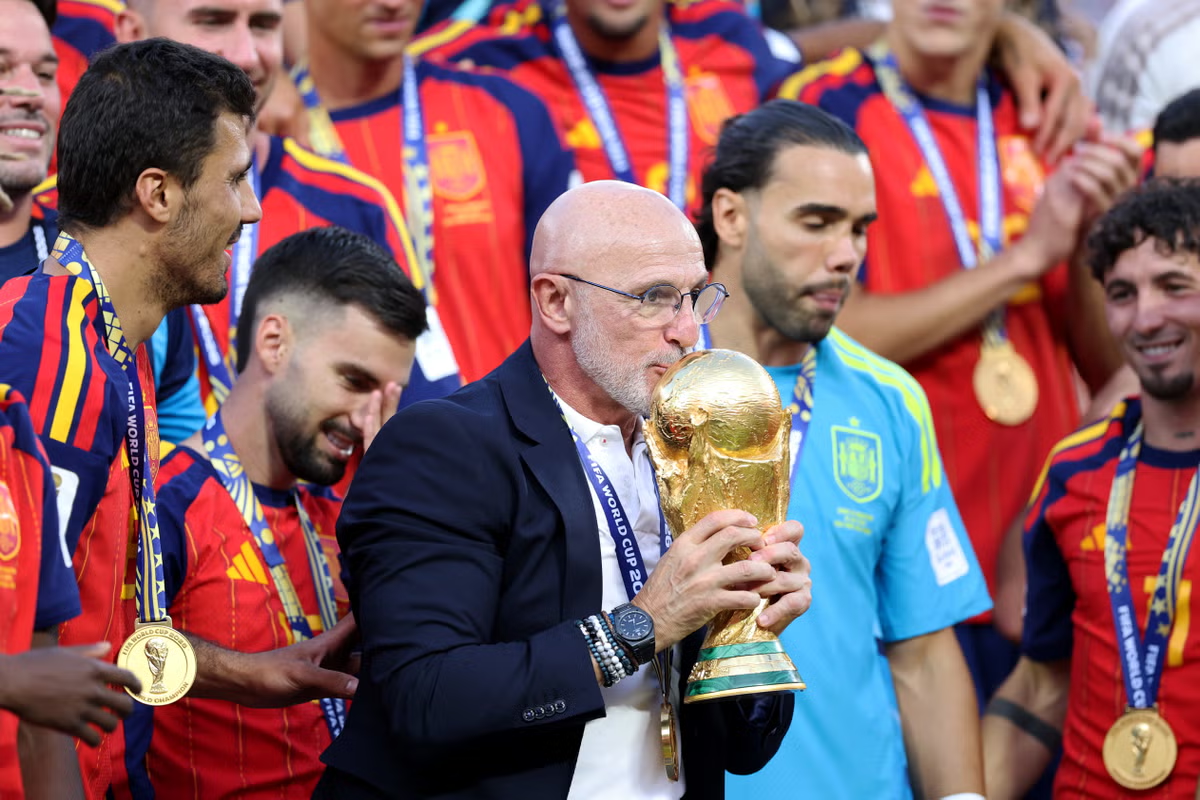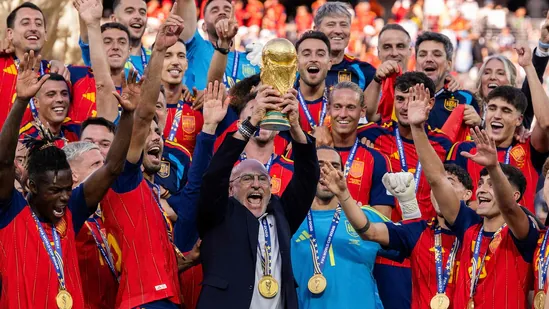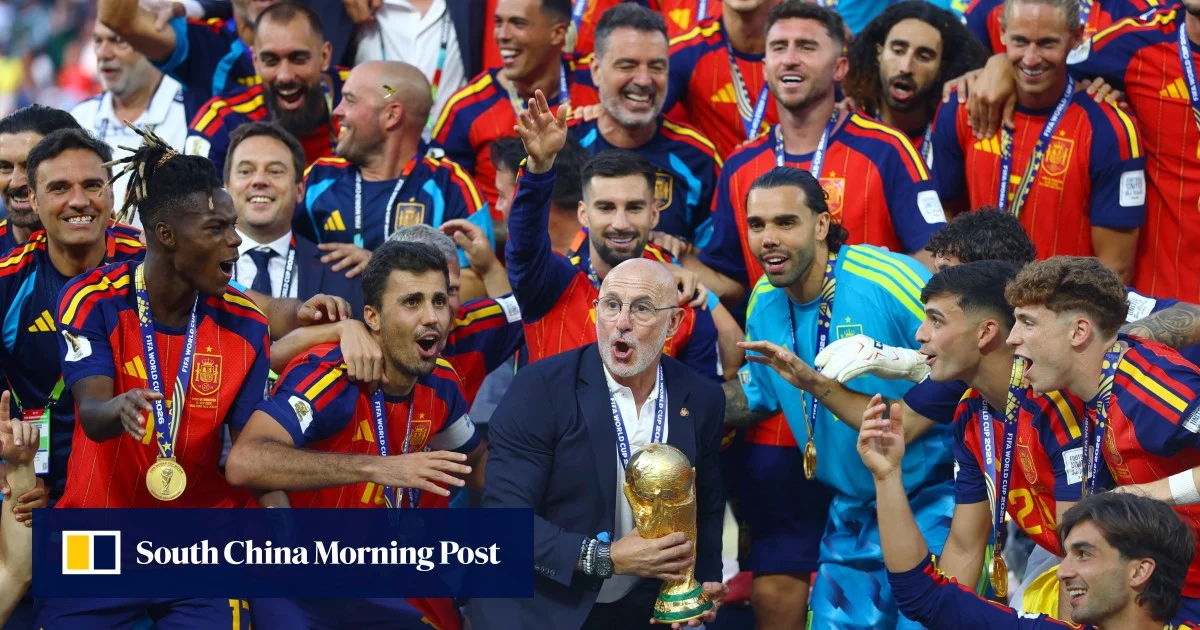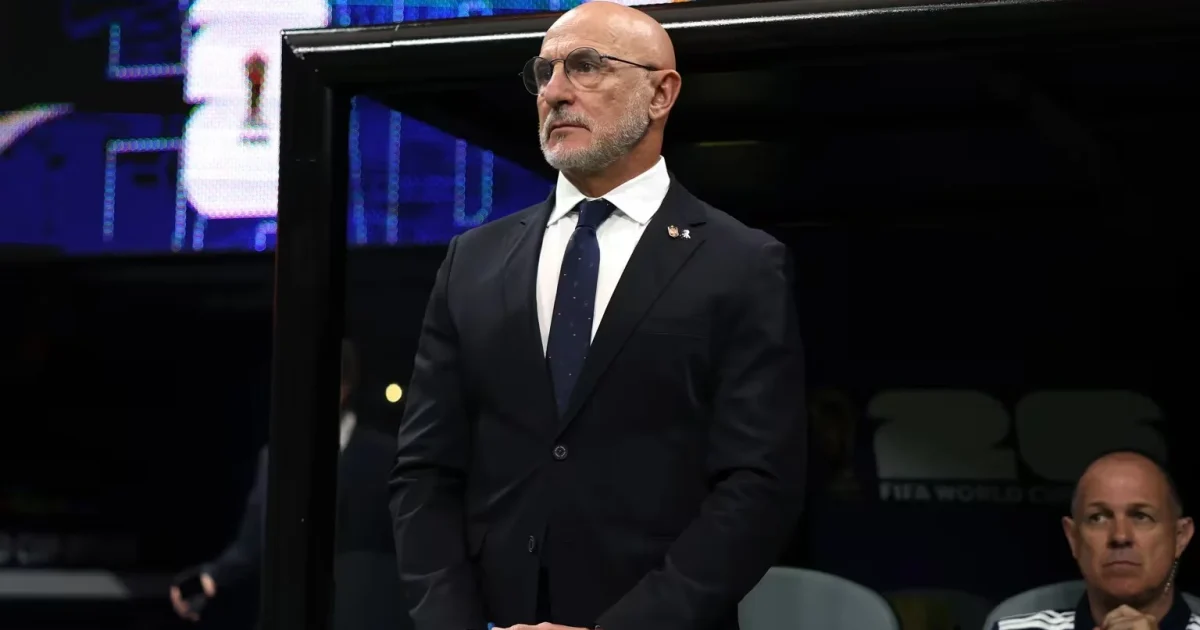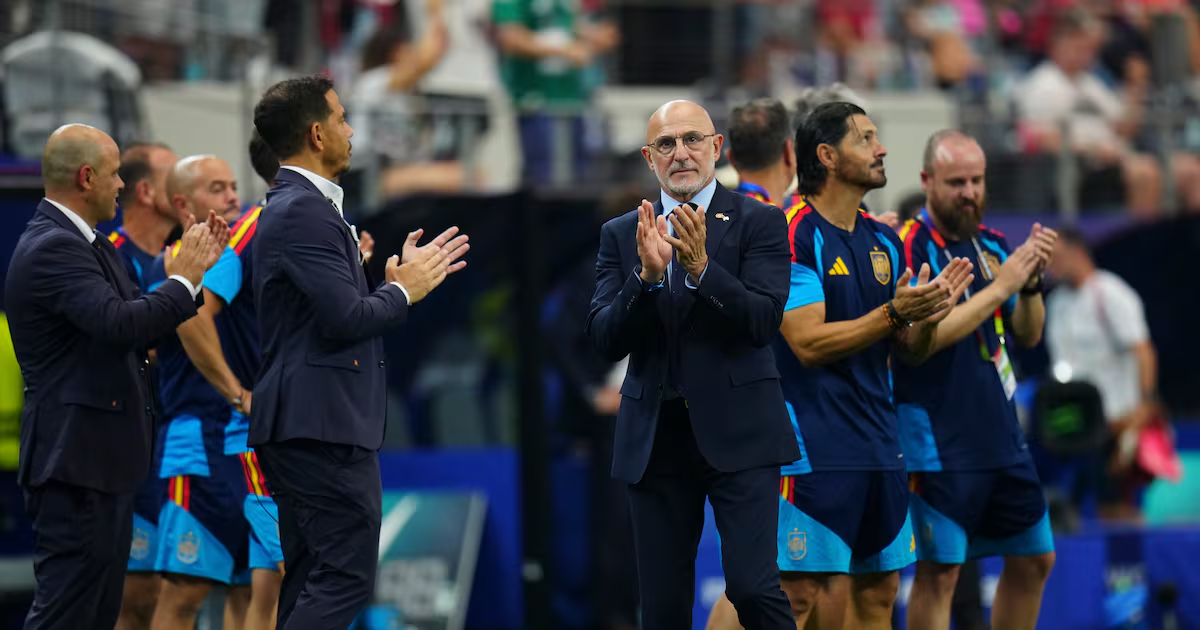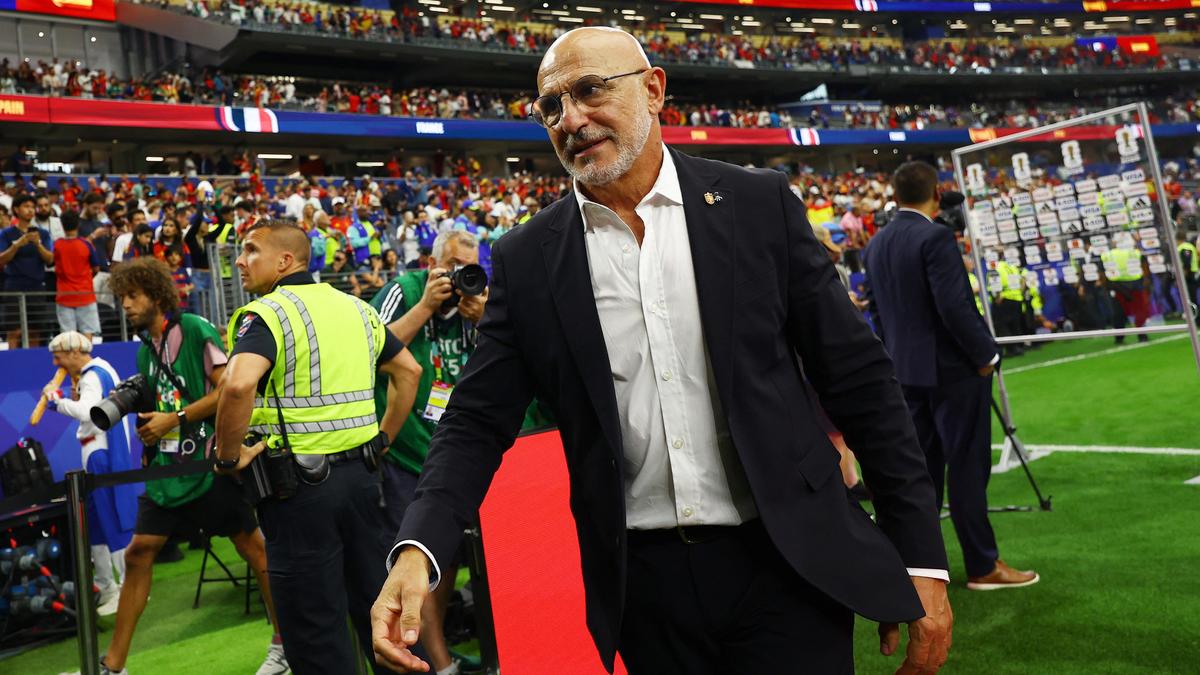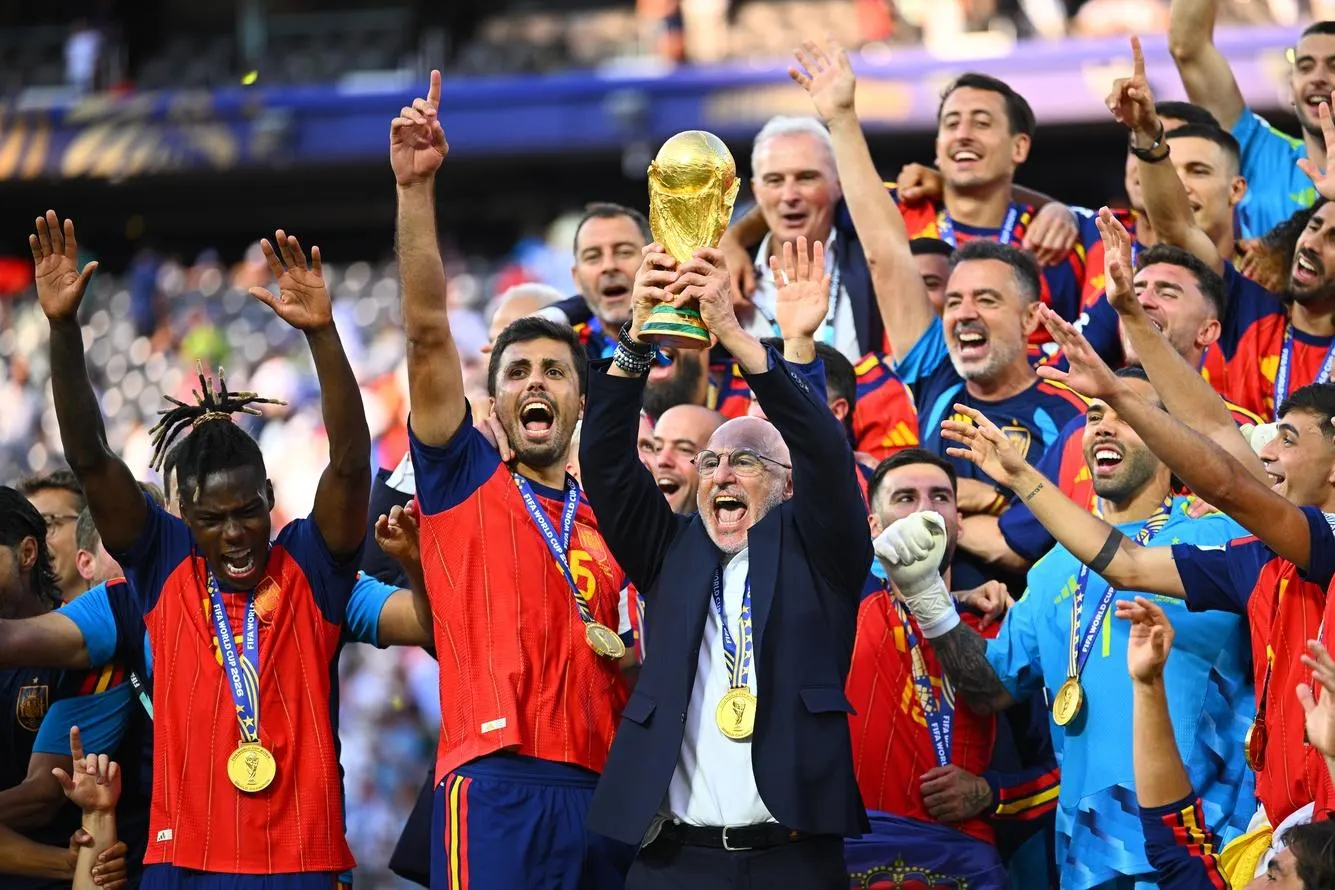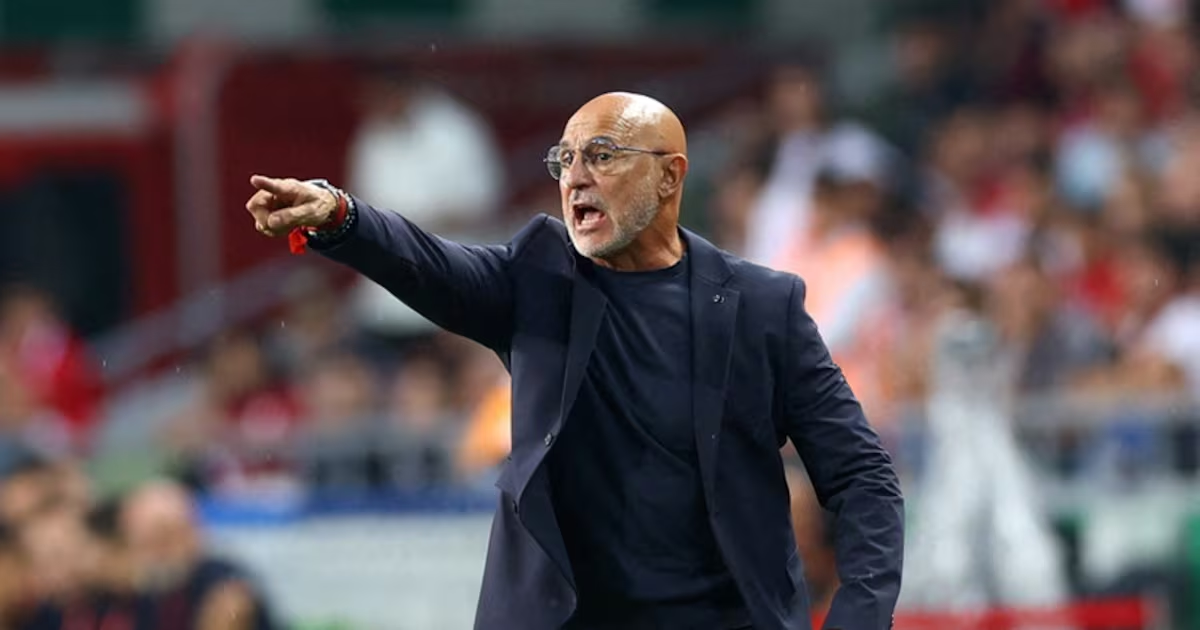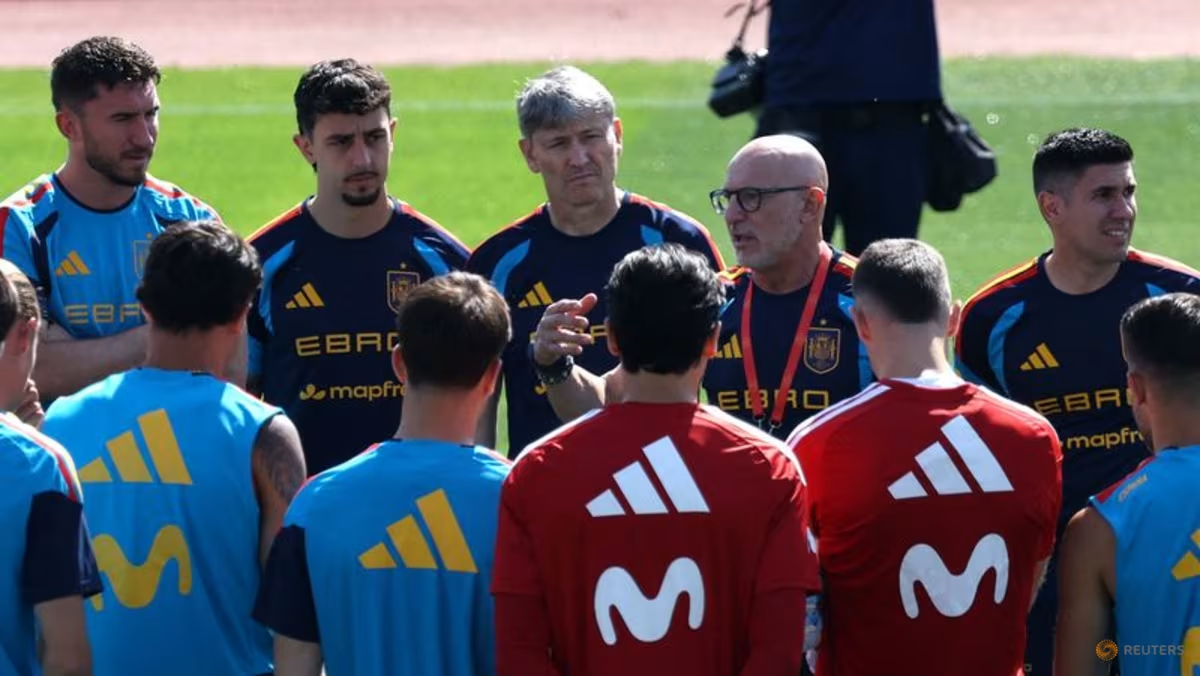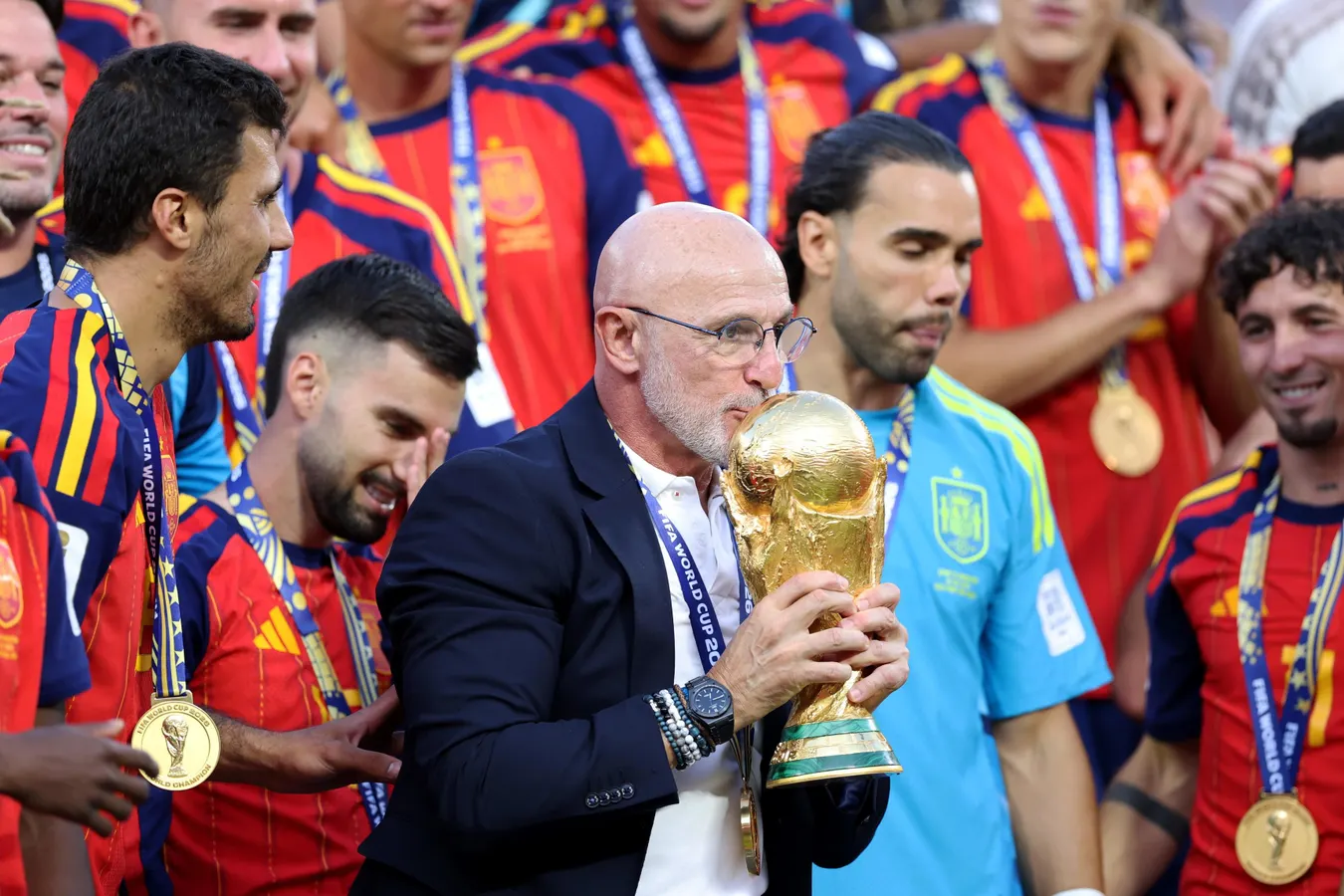
EAST RUTHERFORD, NEW JERSEY - JULY 19: Luis de la Fuente, Head Coach of Spain, kisses the FIFA World Cup Winner’s Trophy after the team’s victory following the FIFA World Cup 2026 Final match between Spain and Argentina at New York New Jersey Stadium on July 19, 2026 in East Rutherford, New Jersey. (Photo by Justin Setterfield/Getty Images)Getty ImagesLuis de la Fuente’s appointment didn’t inspire much excitement. Spanish fans saw him as a convenient hire, a company man, a coach who wasn’t expected to succeed – and it was hard to disagree.De la Fuente hadn’t taken charge of a single top-flight match throughout his career. In fact, his only spells in charge of lower league clubs in Spain had been mostly underwhelming. What did this guy know about leading Spain to international success? It turns out quite a lot. Less than four years after the 65-year-old replaced Luis Enrique’s replacement, he’s established himself as one of their best ever to take charge of La Roja.Winning the 2023 Nations League was an encouraging start, while clinching Euro 2024 in sparkling fashion delivered on that promise on the big stage. But to follow it up two years later with a second-ever World Cup triumph lifted him into a different stratosphere.So how did a coach with such modest credentials elevate himself into the elite at such a late stage of his career? And did Spain know what they’d got their hands on before hiring him?An international specialistThe reality is, whether his bosses at the Spanish Football Federation knew it or not, De la Fuente’s profile fit that of other successful international coaches.Just like other recent World Cup winners, such as Lionel Scaloni and Joachim Löw, he was relatively unheralded before taking charge. Someone who had worked in the background inside the national federation, embedding himself in a culture that has become a trademark of an institution.MORE FOR YOUThis latest success takes Spain’s reign of supremacy to 16 titles in five years in the men’s and women’s game across every age group, doing it with a swagger that almost guarantees consistent success.It’s a style of play that first emerged in the country when Johan Cruyff took over Barcelona in 1988 and gradually seeped into the national consciousness, thanks to a host of followers – not least Pep Guardiola – applying and adapting the Dutchman’s philosophy until Luis Aragones applied it to win Euro 2008.A period of unprecedented national success from 2008 to 2012 when Spain’s tiki-taka won back-to-back European Championships and a first World Cup solidified the approach. This was how to win, the Spanish way.De la Fuente had experienced the evolution while working in the lower reaches of the Spanish football pyramid and as a coaching tutor, but became immersed in the methods when he became under-19s boss in 2013. It would serve him well, winning the age-group 2015 Euros and then repeating the trick at the under-21s Euros in 2019 before taking charge of the Spanish Olympic team, winning silver at the delayed 2020 Games.If that run of success wasn’t enough to earmark him as a future coach of the senior side, his accrued knowledge of the players and the system was. He’d worked with many of the squad before and understood what it took to build a happy environment that would provide the best possible platform to negotiate the unique challenge of a major tournament.That experience has served others well in the past. The aforementioned Löw and Scaloni worked as assistants before seizing the top jobs with their national teams, others – such as Didier Deschamps – have developed that know-how over multiple tournaments before striking gold. De la Fuente was ready as soon as he got the call.The winning ingredientsContinuity, creating a tight group and preaching calmness in the big moments are key parts of international management and De la Fuente followed that script perfectly. In the short bursts of action throughout the year and at a major tournament, he maintained a familiarity among the players that they instantly understood. This is what it’s like to play for Spain and this is how we win.That approach has totted up 38 unbeaten matches and created a resolute backline – another key trait of almost all World Cup winners – through pragmatism-by-possession. Spain conceded one goal in eight matches throughout this tournament, facing very few shots to a combined xG of 2.37. The numbers are mind-blowing.Suddenly De la Fuente looks the part. A quintessential international coach with a young team at his disposal that appear capable of hoovering up even more honours in the coming years – it’s only his own age that may hold him back from adding to his CV.By the time he does step down, he’ll be known as one of Spain’s greatest-ever managers. Someone who worked quietly in the background before stepping into the limelight in his 60s. From now on, wherever De la Fuente turns up, he’ll inspire plenty of excitement.
Is World Cup Winner De La Fuente The Perfect International Coach?
From unheralded federation insider to World Cup winner, Luis de la Fuente shows why international management rewards continuity, calm and control.
824 words~4 min read