Michael Saylor, co-founder and executive chairman of Strategy, published a 110-point essay on X on July 18 urging the Bitcoin network to reject BIP-110, the "anti-spam" soft fork proposal, in a rare foray into protocol governance.
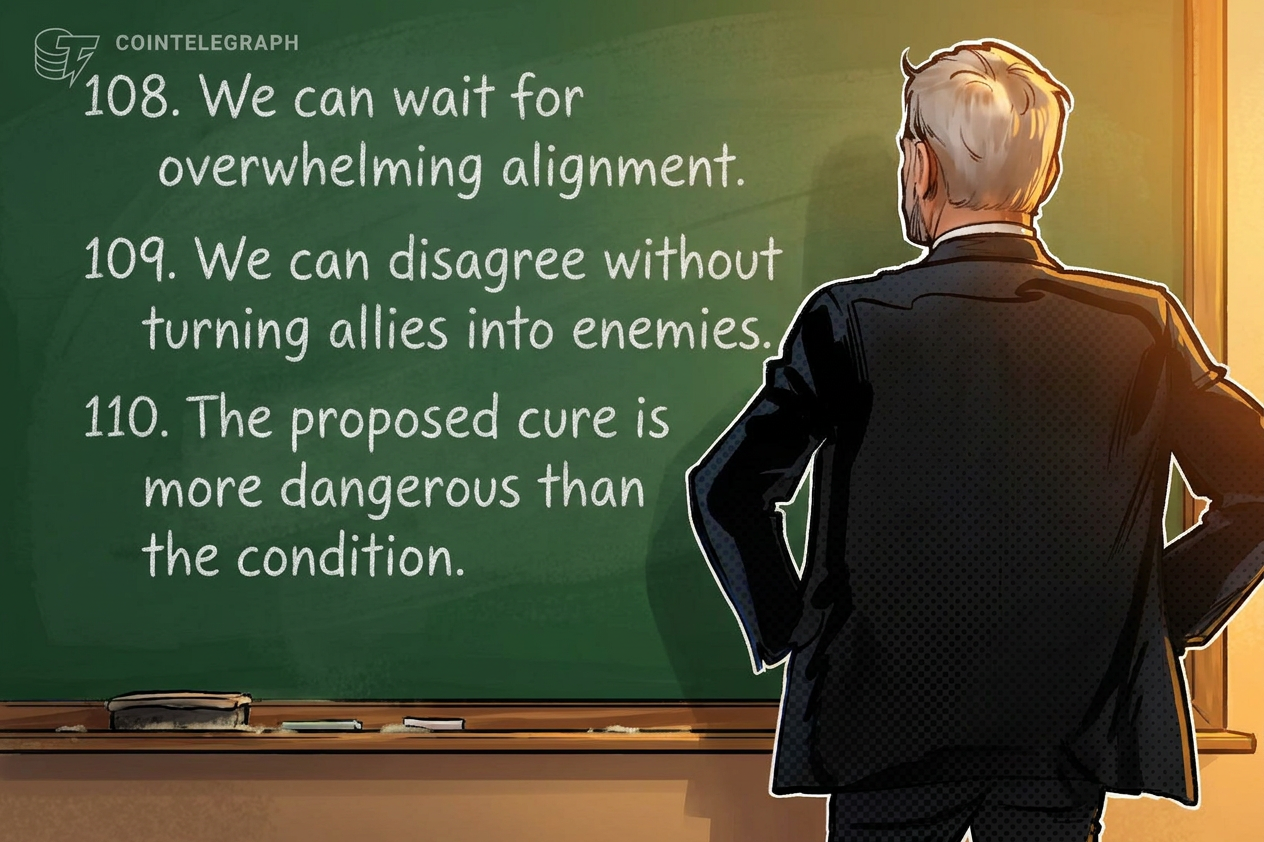
The essay, titled "110 Reasons BIP 110 Is a Bad Idea," had drawn more than 840,000 views by Sunday afternoon. Saylor said he shares supporters' desire to protect Bitcoin but considers the proposed cure more dangerous than the condition it targets.
His central argument is that consensus rules cannot judge the purpose of valid, fee-paying transactions and should not try. Objectors can decline to use, relay, index or mine unwanted data, he wrote, and any consensus rule should address a demonstrated denial-of-service or validation risk rather than perceived intent. The essay's final entry dismissed the measure as "a Bitcoin Iatrogenic Proposal" — repurposing the BIP acronym with the medical term for harm caused by treatment — and closed: "Bitcoin does not need guardians of purity. It needs guardians of neutrality."
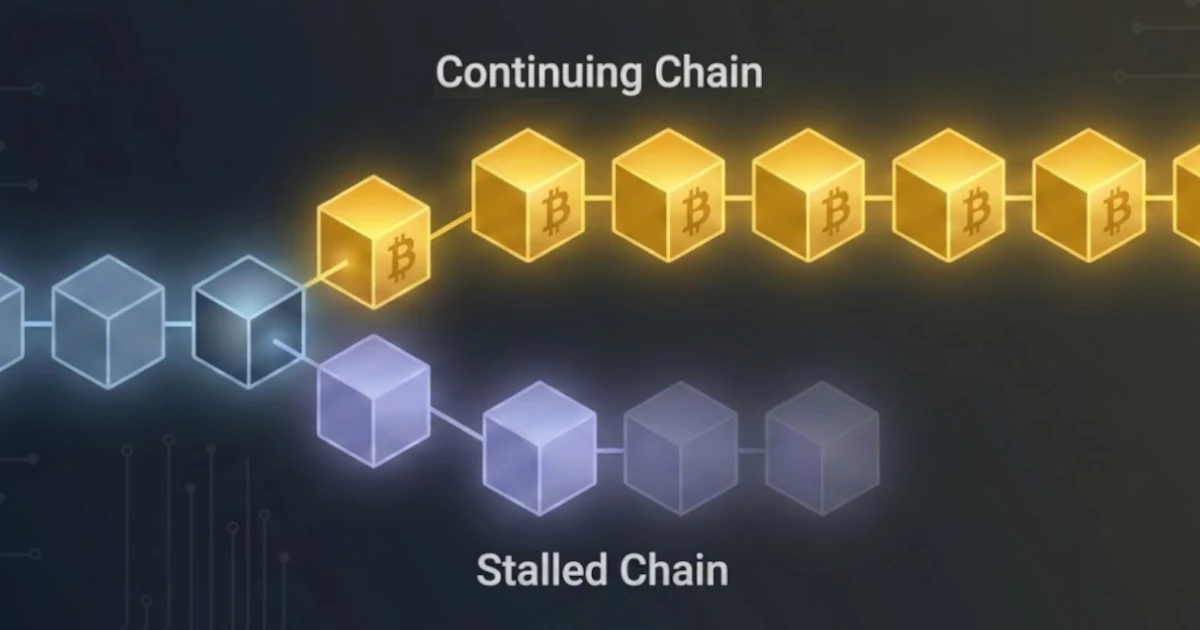
BIP-110 is a temporary, one-year soft fork bundling seven restrictions on data-heavy transactions. It was first published as BIP-444 in October 2025, after Bitcoin Core's v30 release lifted default limits on OP_RETURN data. A BIP-110-enabled client is based on Bitcoin Knots, the node software maintained by Ocean CTO Luke Dashjr, one of the proposal's most prominent backers.