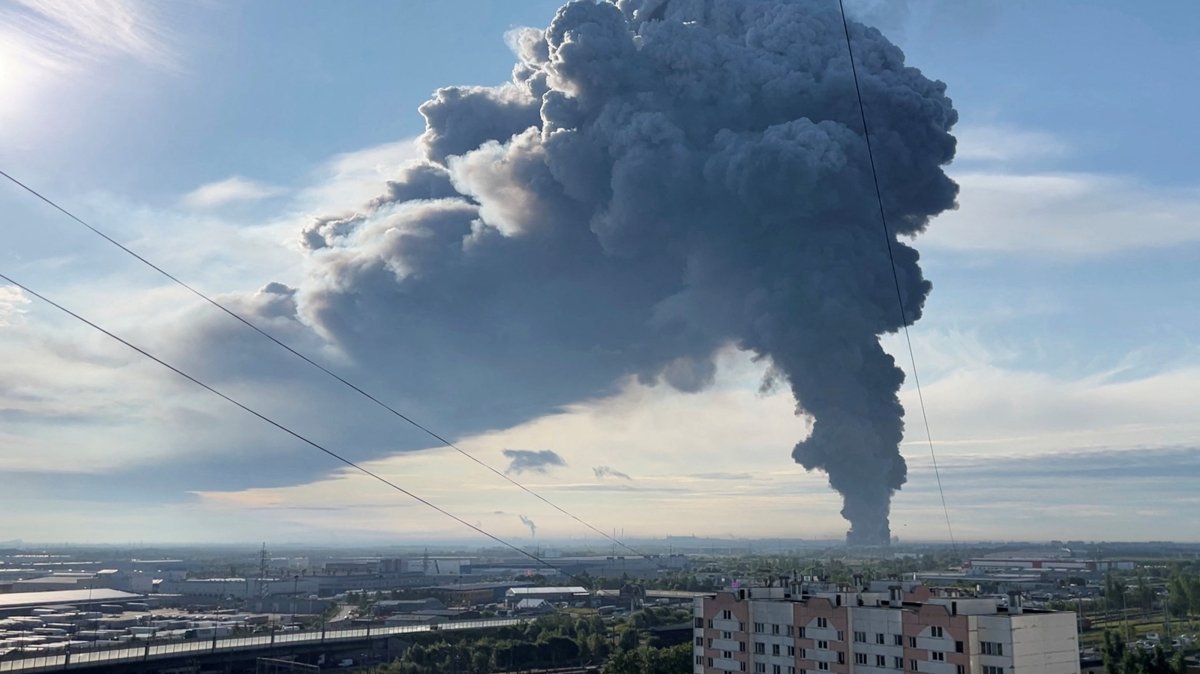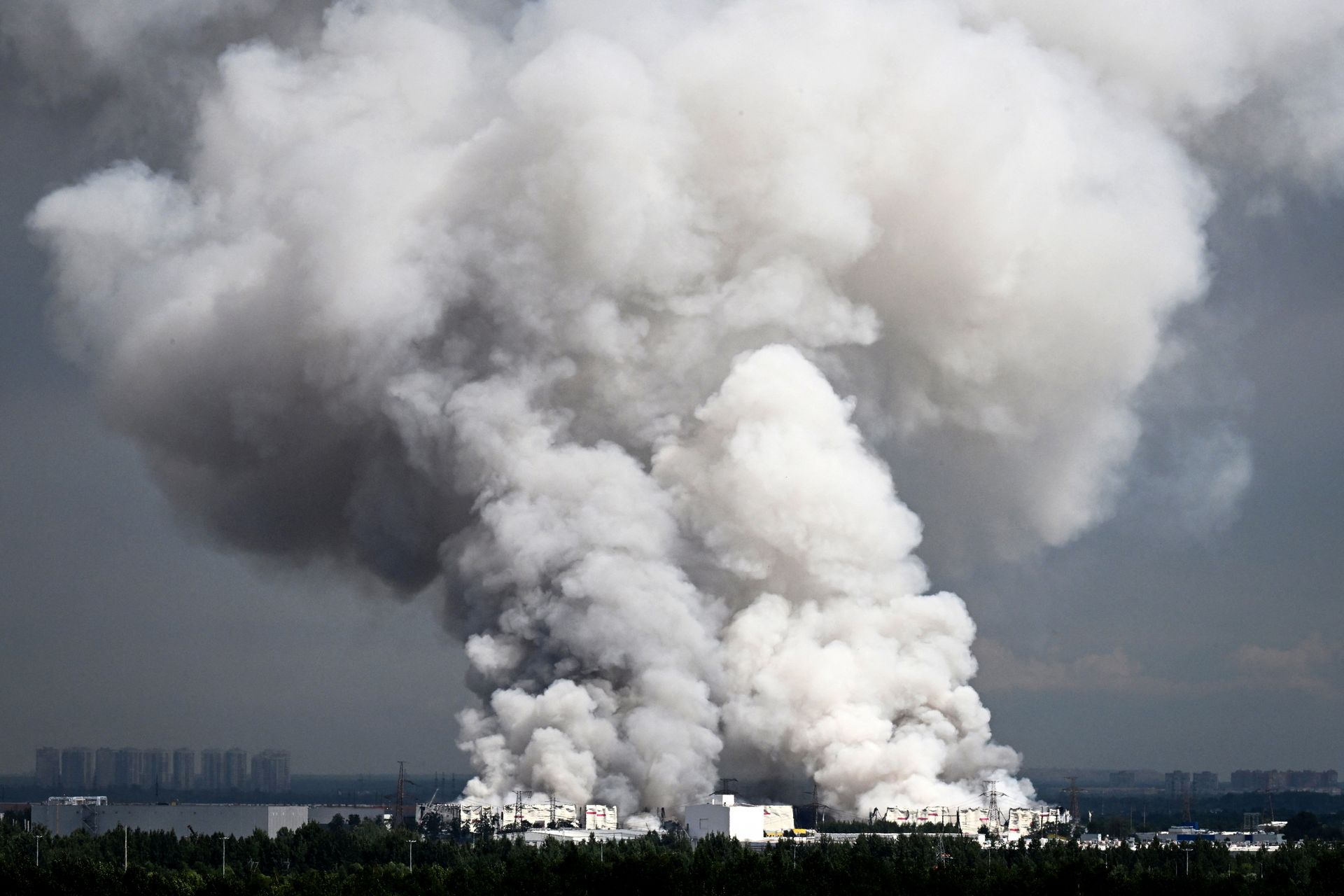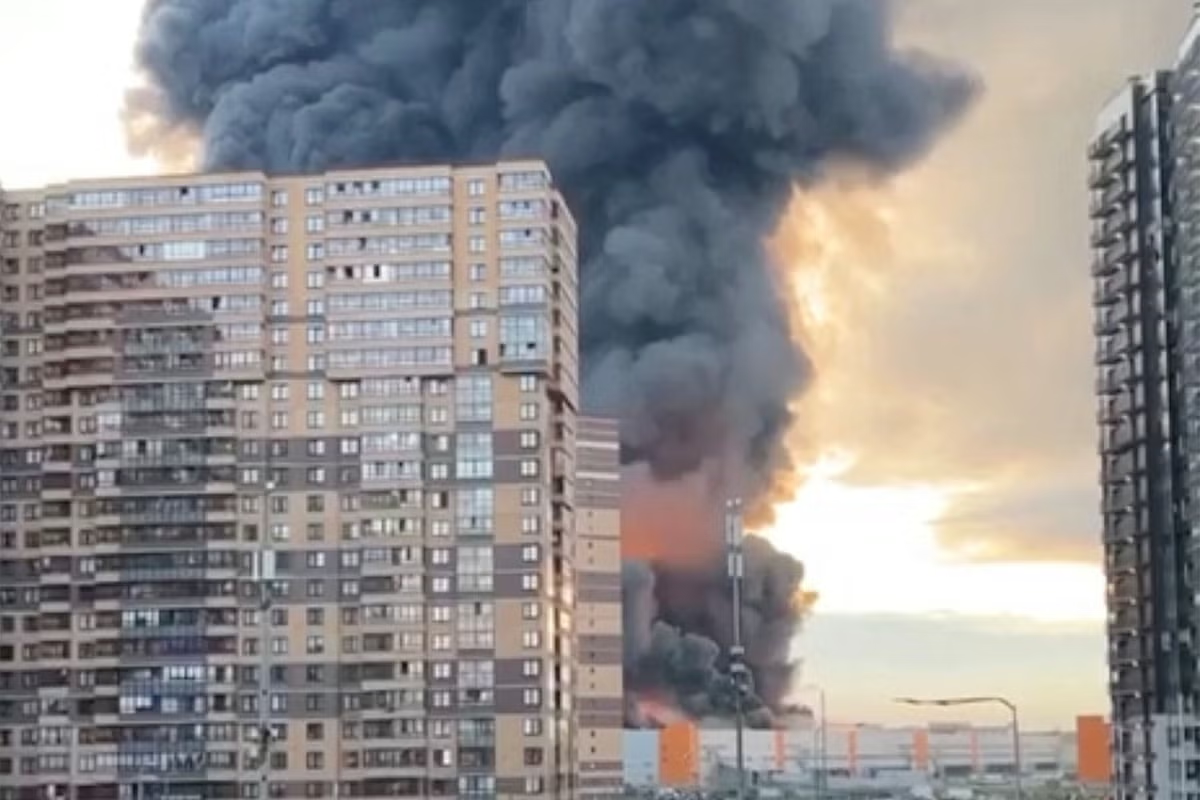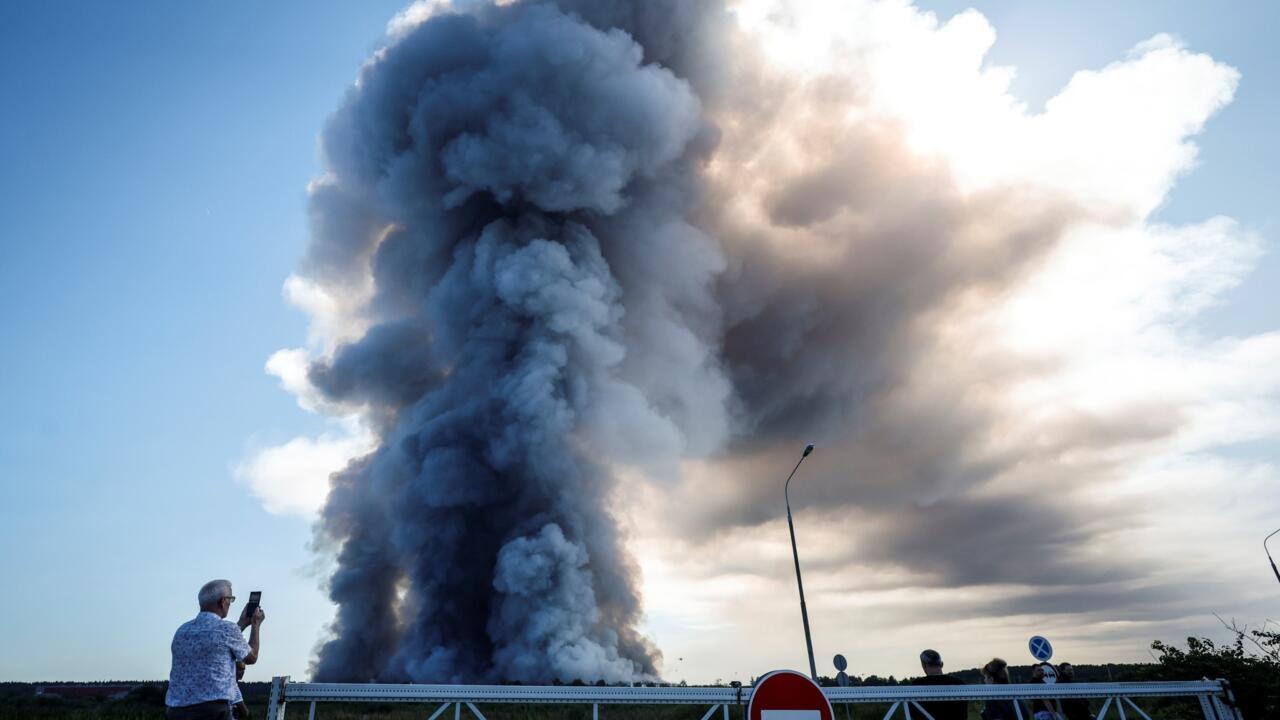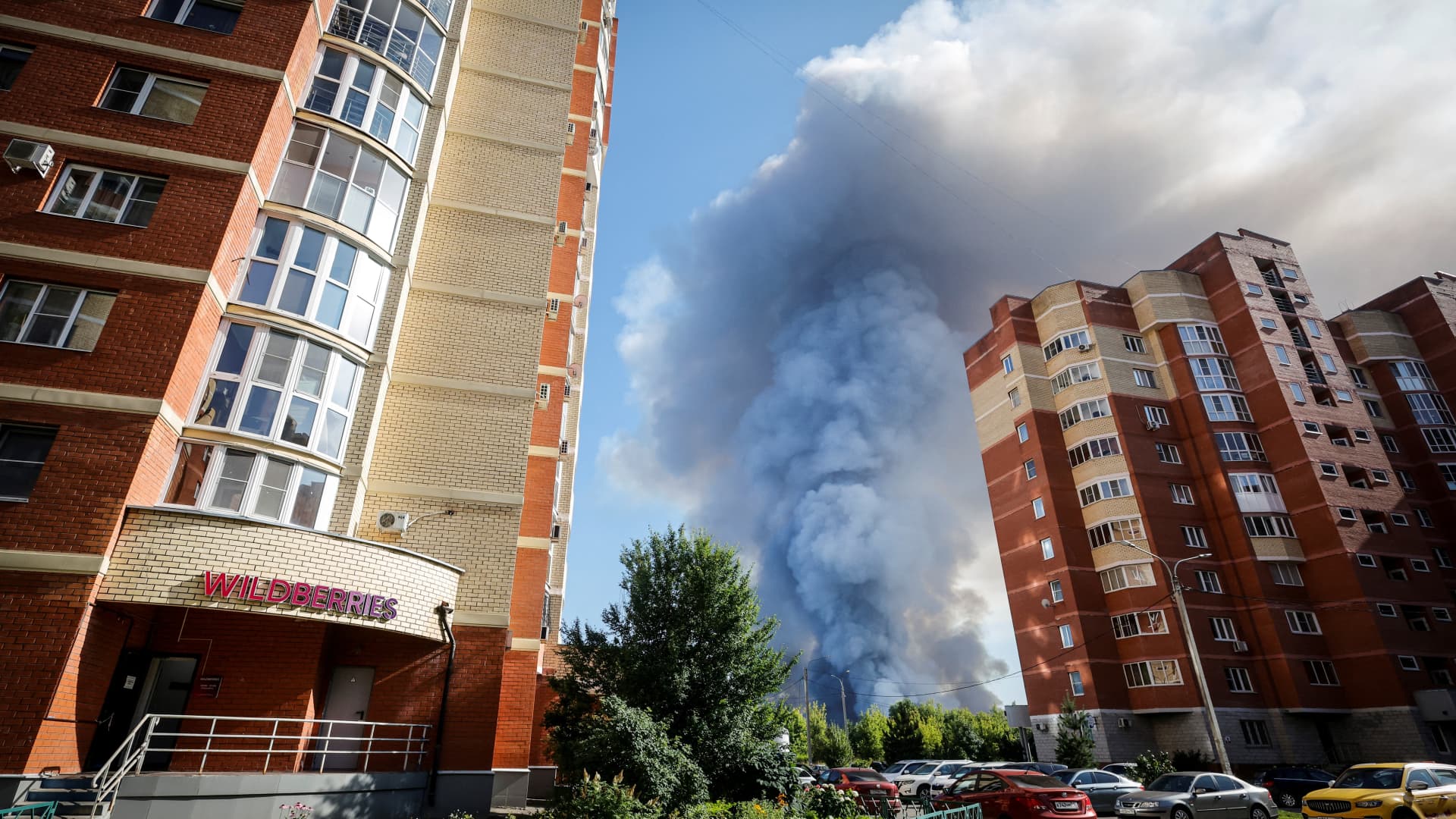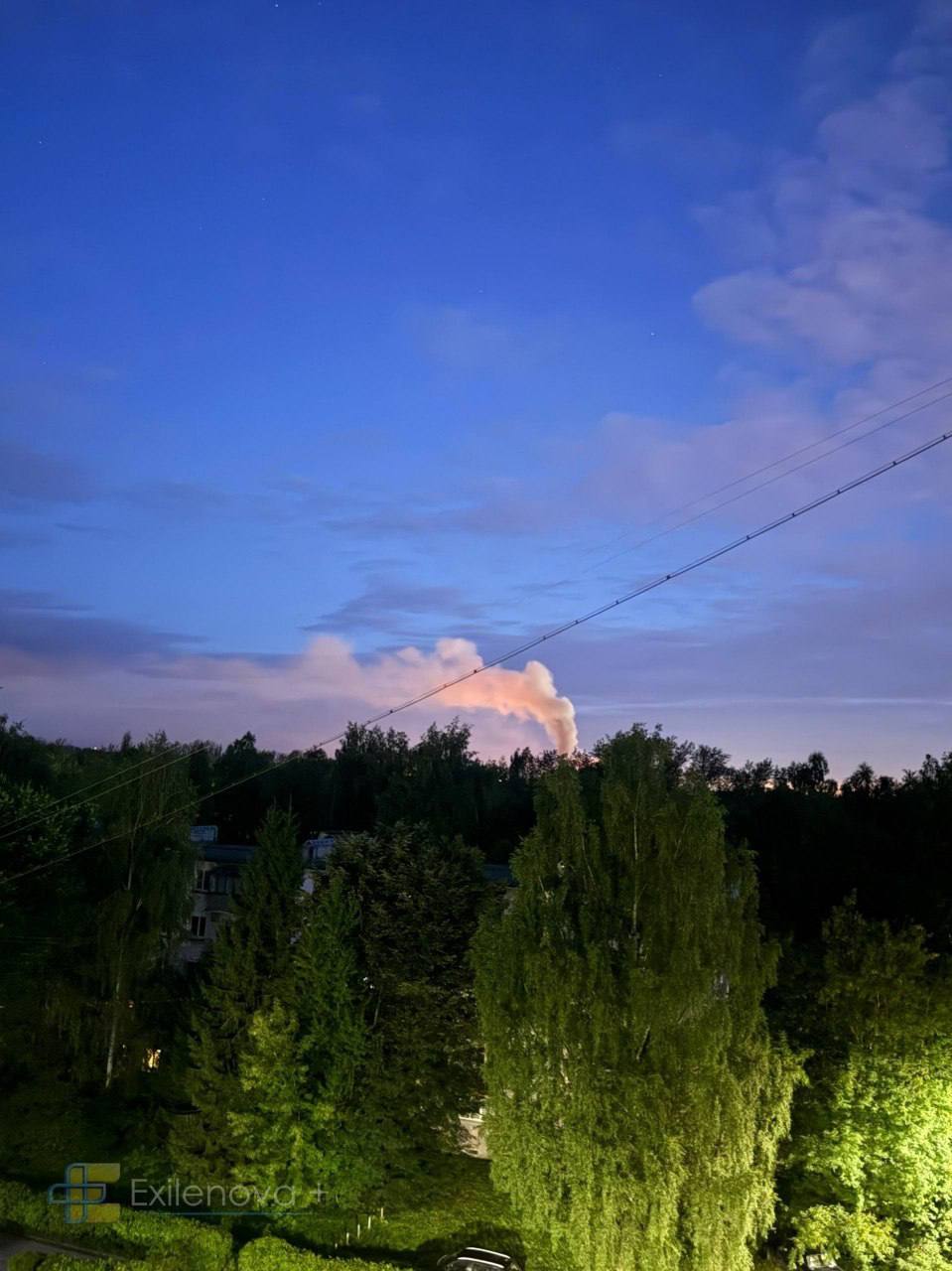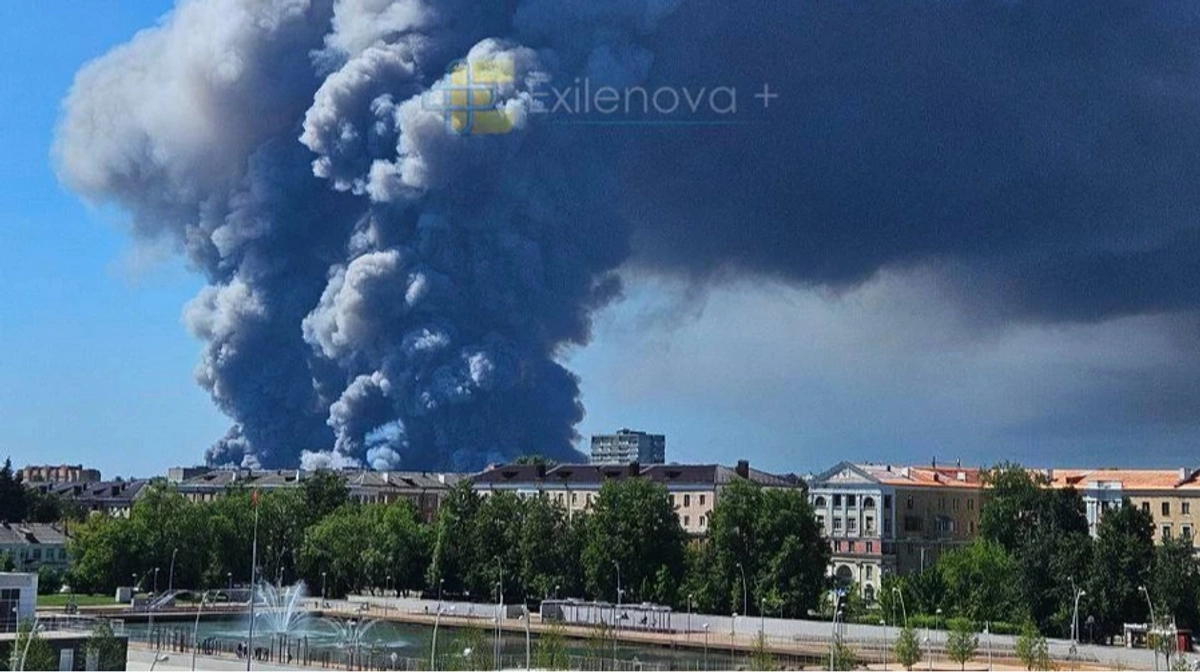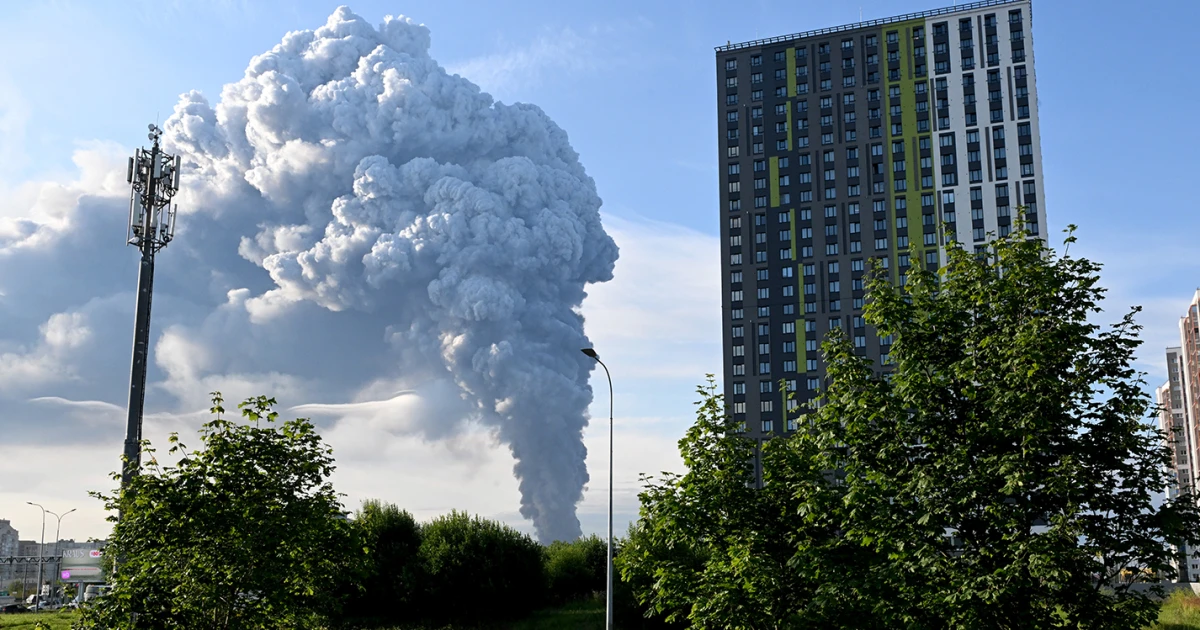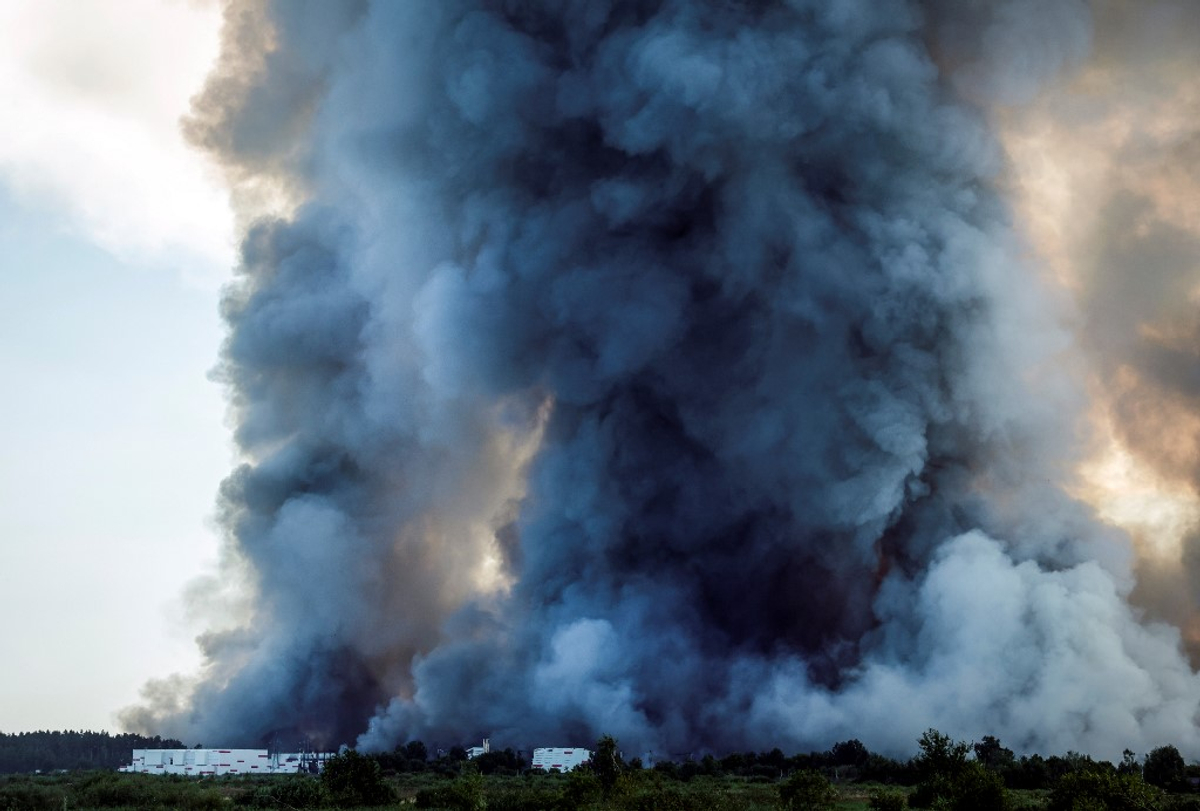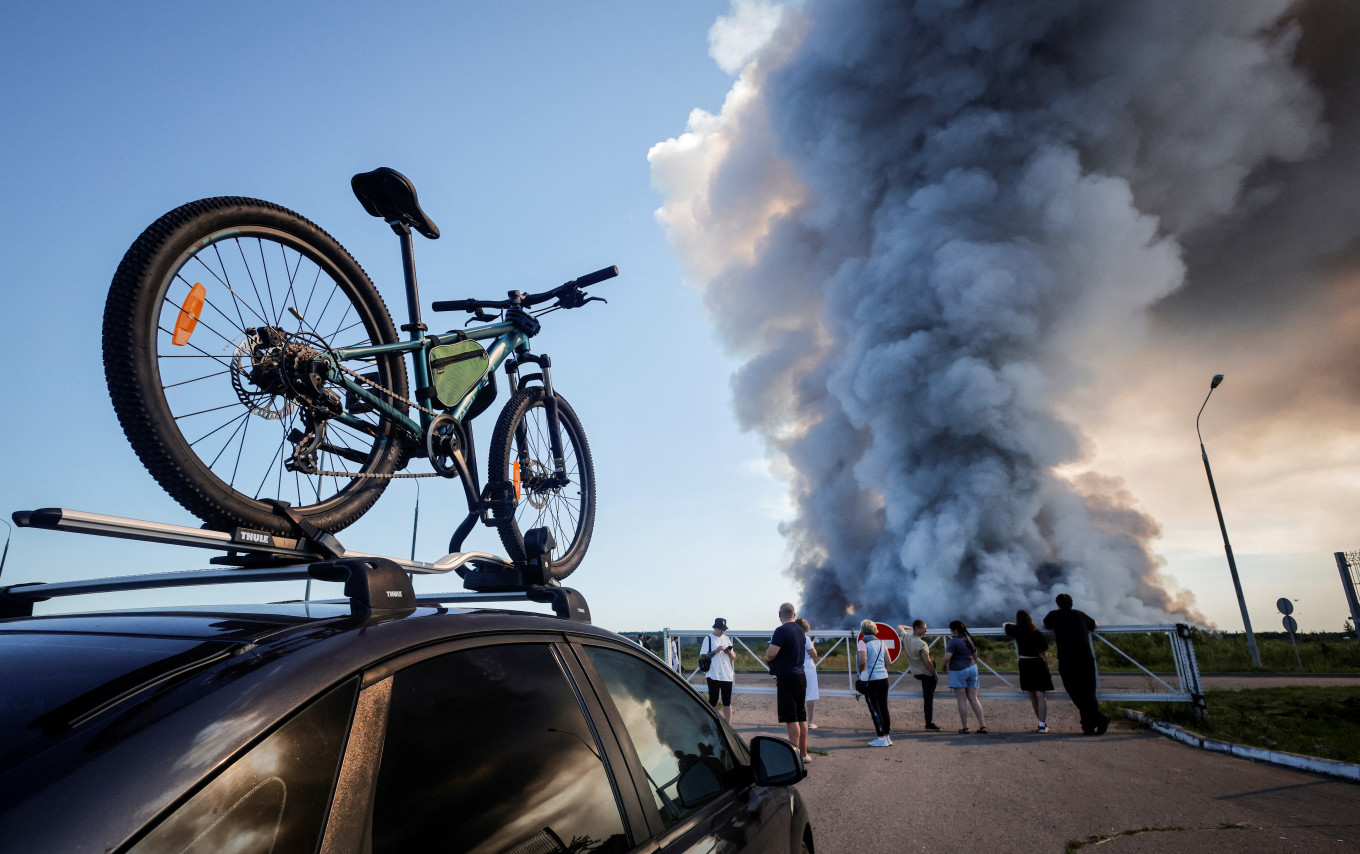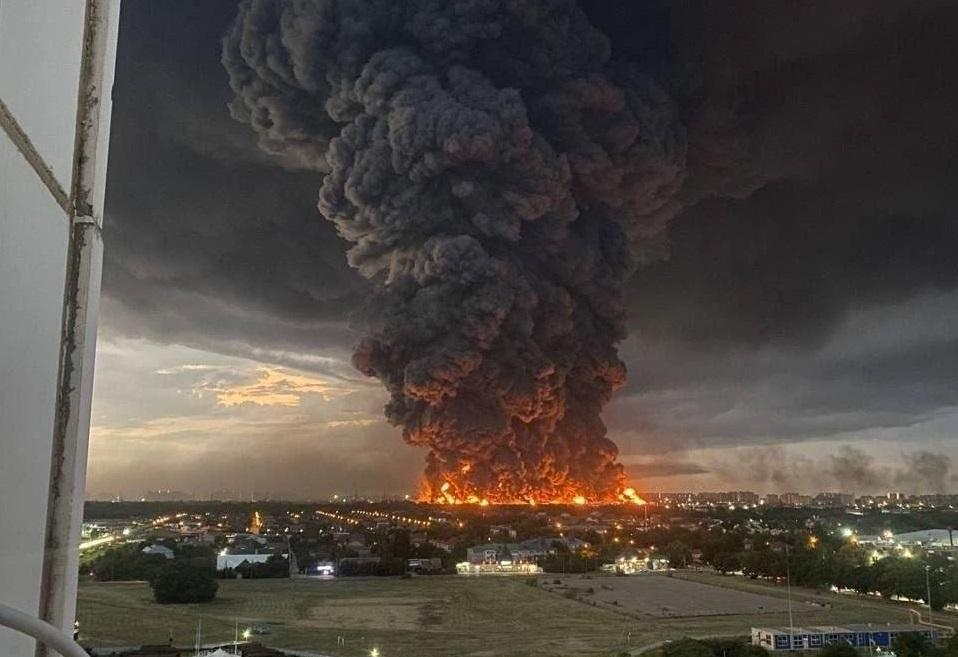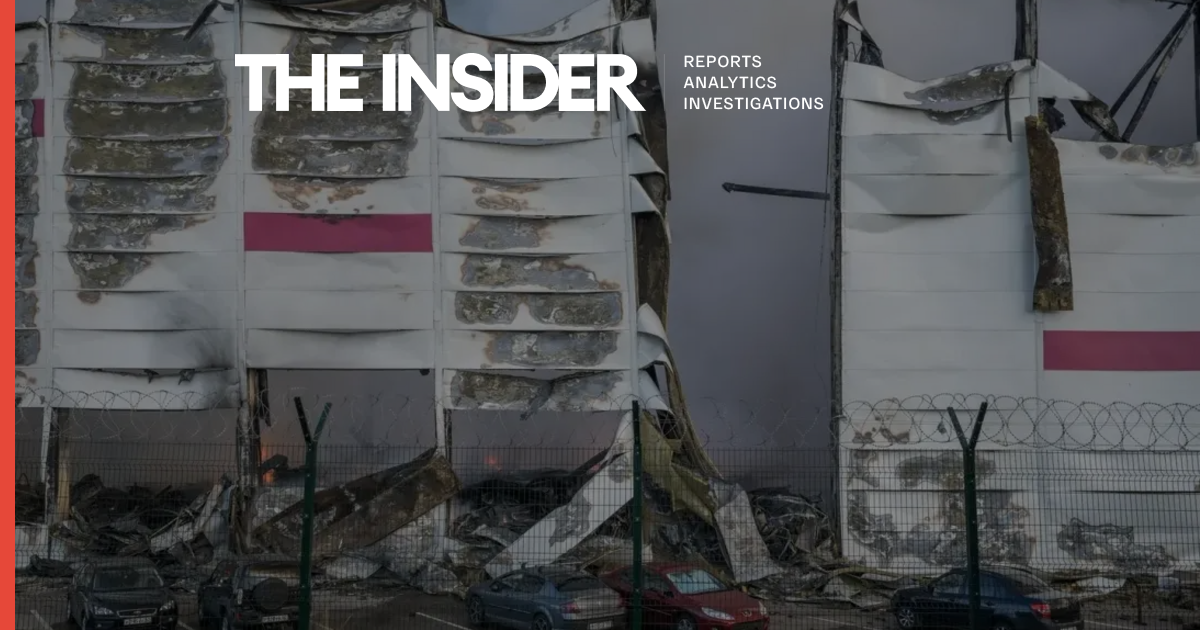
This past weekend, Ukrainian drones struck warehouses operated by the Russian e-commerce platform Wildberries in Elektrostal, near Moscow, and Kotovsk in the Tambov Region. Sellers responded by taking to social media to report that they had lost millions of rubles worth of goods.In early July, Wildberries changed the terms of its offer agreement, releasing itself from liability for goods destroyed or damaged as a result of military actions, drone attacks, shelling, and explosions. The company is now promising sellers subsidized loans, deferrals, and logistics discounts, but the question of compensation for the value of the goods lost in the fires remains unresolved.Viktoria, the founder of the children’s clothing brand FAREAL, wrote that 12,000 items from a new collection were stored at the warehouse and that preliminary damage was estimated at more than 15 million rubles.Maria Khlopkina estimated the value of her burned goods at 6 million rubles. She said she did not expect compensation. In a subsequent post, the entrepreneur wrote that what happened was not only a financial blow — she was also struck by the nature of comments from users under posts by affected sellers.Alexandra Anishkina said she kept nearly 40% of her inventory, worth more than 1 million rubles, at the Elektrostal warehouse. She said sellers pay for storage, logistics, commissions, and advertising, while the marketplace leaves them to bear the full risk if their goods are destroyed.Svetlana Makarkina said she had begun selling off remaining stock and was preparing to stop storing goods at Wildberries warehouses after the offer agreement was changed. She did not manage to finish the clearance sale in time.Some entrepreneurs are now trying to find the necessary money to resume sales. Tatiana, the owner of a women’s clothing brand, told the independent outlet Bereg that she estimated her losses at 2 million rubles at cost and 6 million rubles including expected revenue. She decided not to launch new production before the end of the summer.“Before, the business generally paid for itself. We had a good margin. We produce the goods ourselves, and that made it possible to make a profit,” she said. “But Wildberries’ higher commissions, of course, make the situation harder. For now, we plan to keep selling on Wildberries. We still have goods in warehouses, but we will not sew anything new until the end of the summer. We will also look at other platforms — Lamoda is in our short-term plans. Without compensation, we will not have money for production, or we will have to take out another loan, which we would rather not do because we already have one. So the only option is to try to recover at least part of the money through court.”Alexei, the owner of an electronics store, wrote that he lost about 210 PlayStation 5 consoles worth 10 million to 12 million rubles. After the fire, he put his car up for sale for 2.8 million rubles and plans to spend the money on a new batch of goods.“I immediately jumped in the car and drove there. When I arrived, they were no longer letting anyone through; the area had been cordoned off, so all I could do was watch the goods burn,” he said. “I was there for about five hours. I saw other sellers, but didn’t really talk to them. They were panicking too — they didn’t know what to do, they were calling someone. Of course, everyone was trying to get their goods out any way they could, but without success.”Another women’s clothing seller lost more than 600,000 rubles. Even before the fire, she had begun preparing her own online store — after another Wildberries commission increase, she said, the economics of selling through the platform no longer worked. Now, any obligations sellers had to suppliers, manufacturers, and banks remain regardless of whether their goods were destroyed.Wildberries announced its first support measures on July 19, saying it would offer discounts on storing goods at some warehouses for 45 days after delivery and fully waive fees for transit deliveries to regional warehouses. An assessment of the consequences of the attacks and the estimation of possible payouts could take up to 30 days, according to Wildberries founder Tatyana Kim.WB Bank, Wildberries’ banking arm, promised affected small and medium-sized businesses loan deferrals of up to six months, along with subsidized loans and special factoring terms. The bank also said it would waive fees for payments within Russia and offer accelerated withdrawal of revenues. Russia’s largest bank, state-owned Sberbank, began accepting applications for loan restructuring from those affected by the strikes.Wildberries and rival Russian e-commerce giant Ozon had earlier revised their seller contracts in order to shift war-related risks onto merchants. Ozon’s new terms, which took effect July 1, release the marketplace from liability for claims linked to military action, drone and missile attacks, shelling, explosions, and special legal regimes. Wildberries also added incidents involving the use of weapons, ammunition, and aircraft to the circumstances under which it may refuse compensation.The strikes disabled about 7% of RWB’s logistics capacity, according to a report by the Kremlin-aligned business newspaper Kommersant. Rebuilding the two warehouses could cost between 20 billion and 35.8 billion rubles, while total losses, including sellers’ destroyed goods, could reach 100 billion rubles. Only 5% to 7% of Wildberries sellers have insurance, and just 10% to 20% of those policies cover sabotage-related risks.The Wildberries warehouses in Elektrostal and Kotovsk were hit overnight into July 18. Seven people were killed in Kotovsk and one in Elektrostal; dozens more were wounded. Ukrainian President Volodymyr Zelensky said the facilities were used to supply sanctioned components for drones and navigation equipment.
“No insurance, no compensation”: Sellers on Russian e-commerce platform Wildberries report millions in losses after Ukraine hits warehouses
This past weekend, Ukrainian drones struck warehouses operated by Russian e-commerce giant Wildberries in Elektrostal, near Moscow, and Kotovsk in the Tambov…
934 words~4 min read