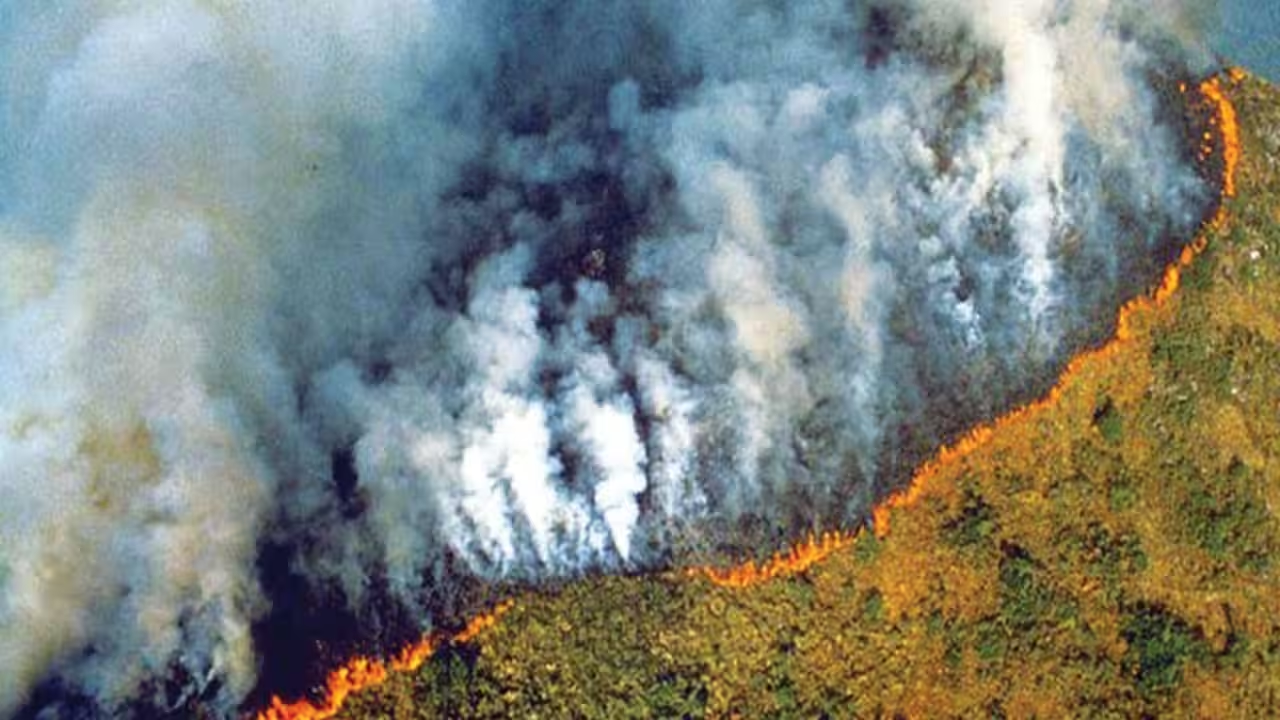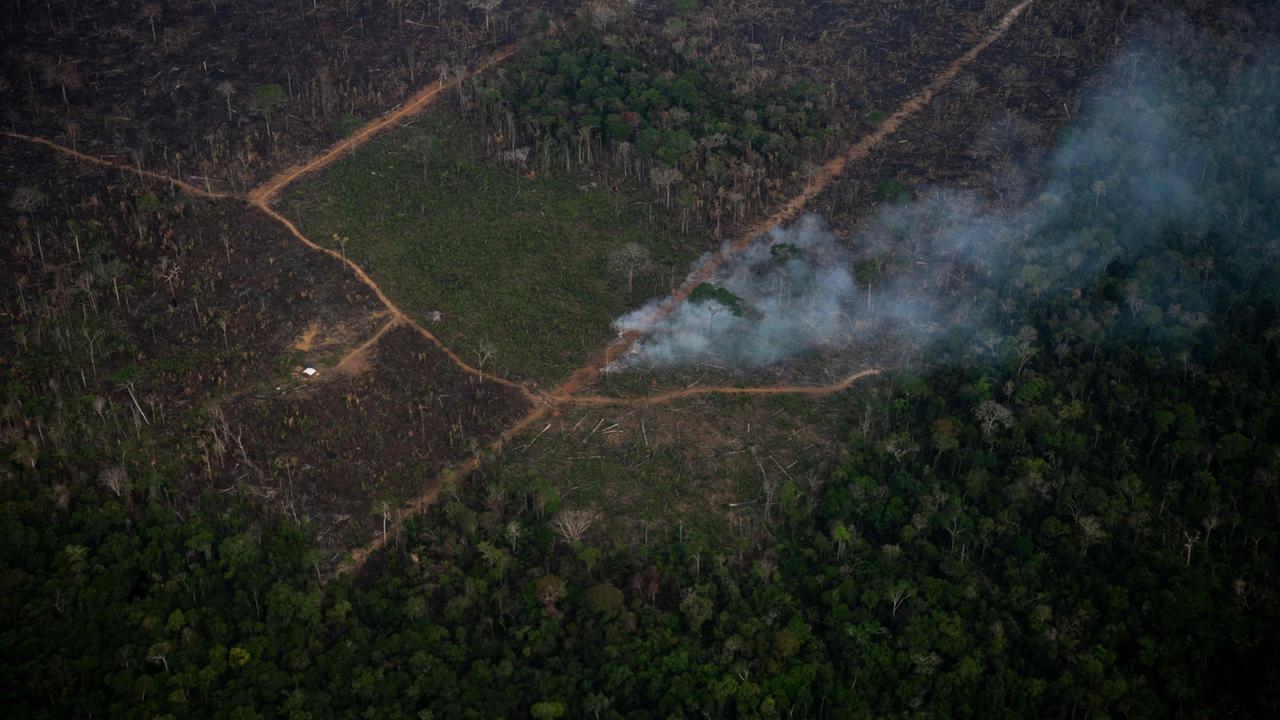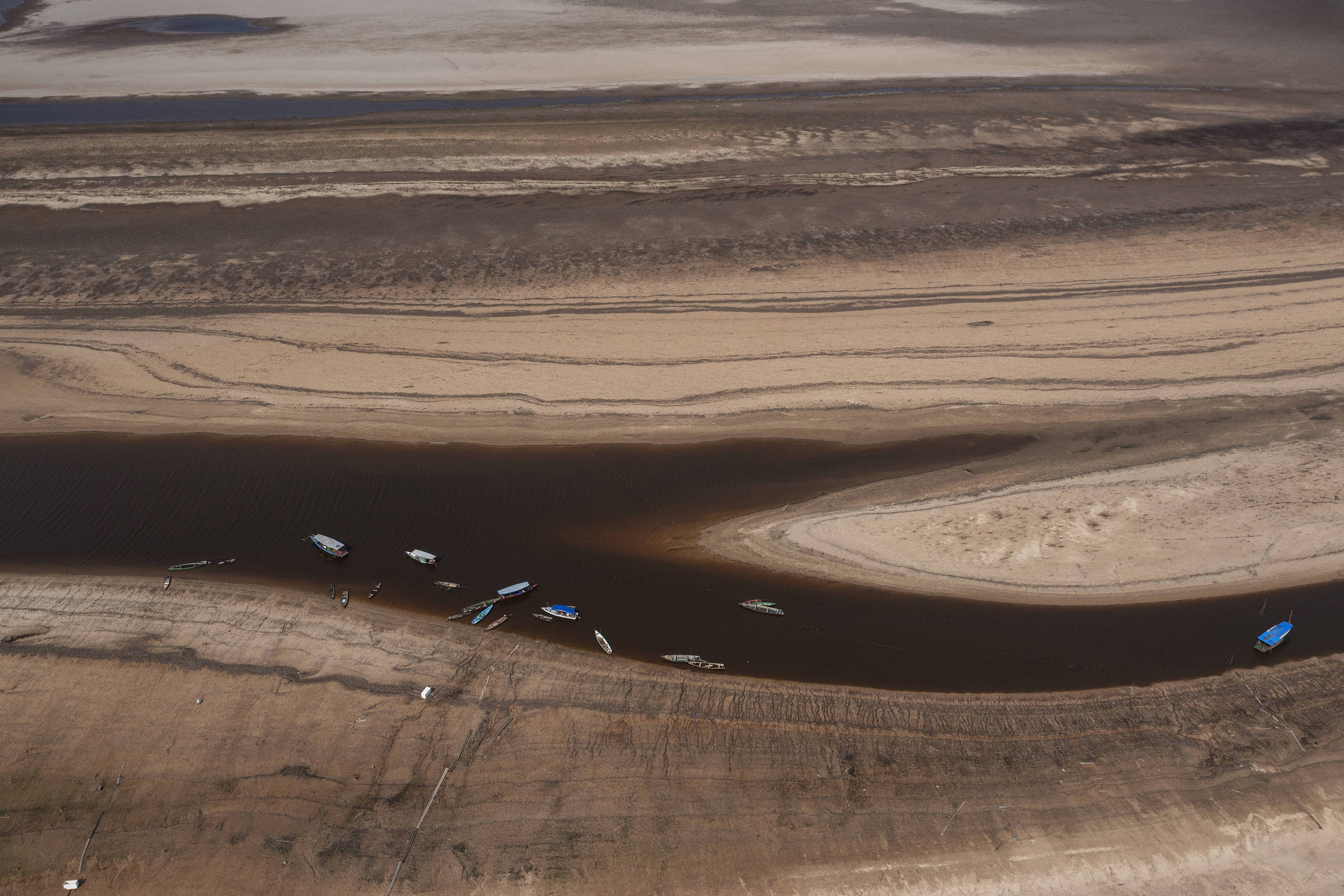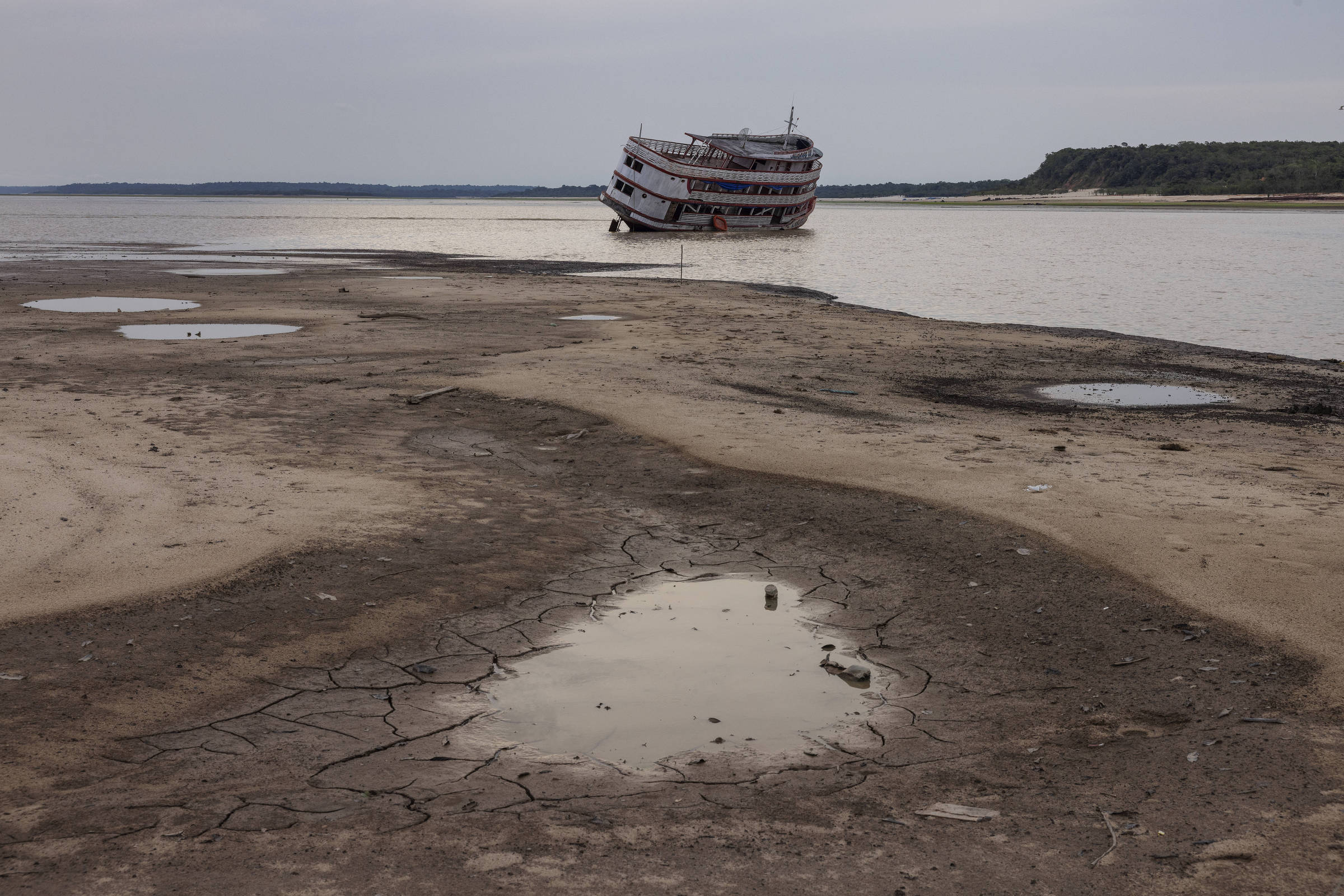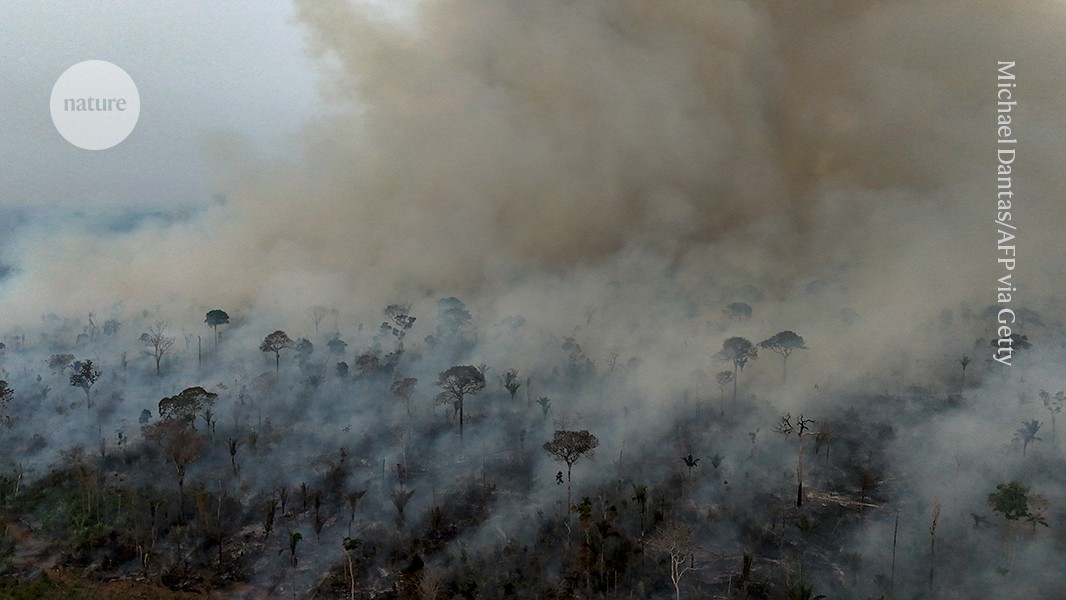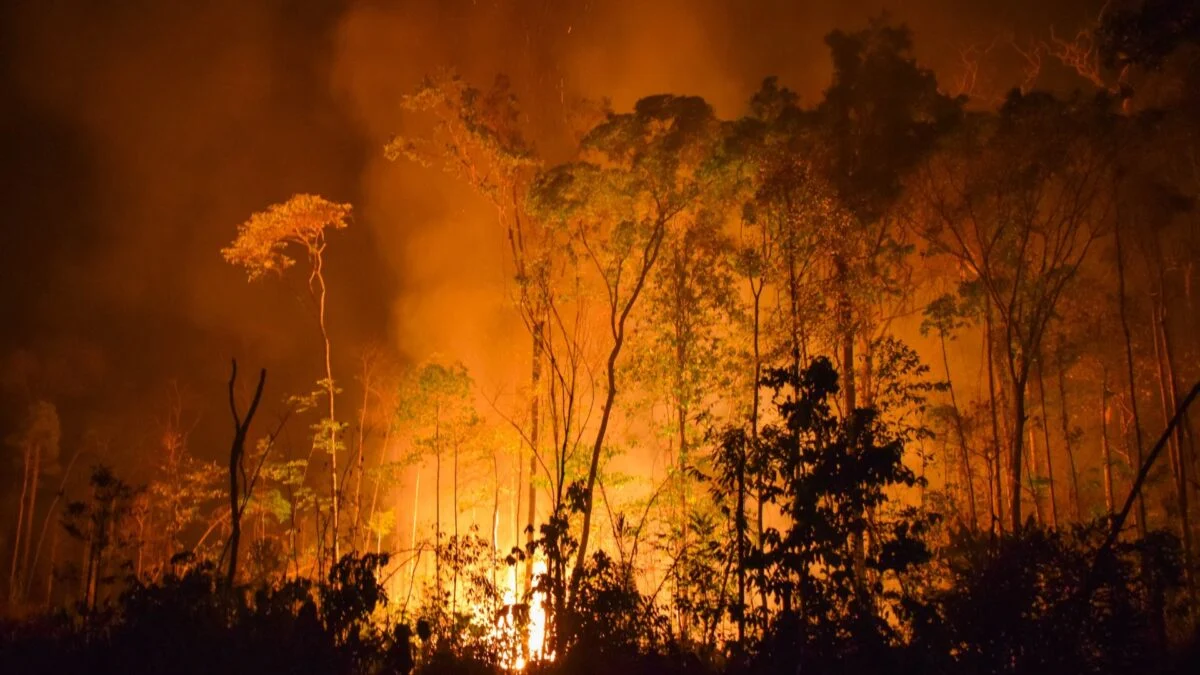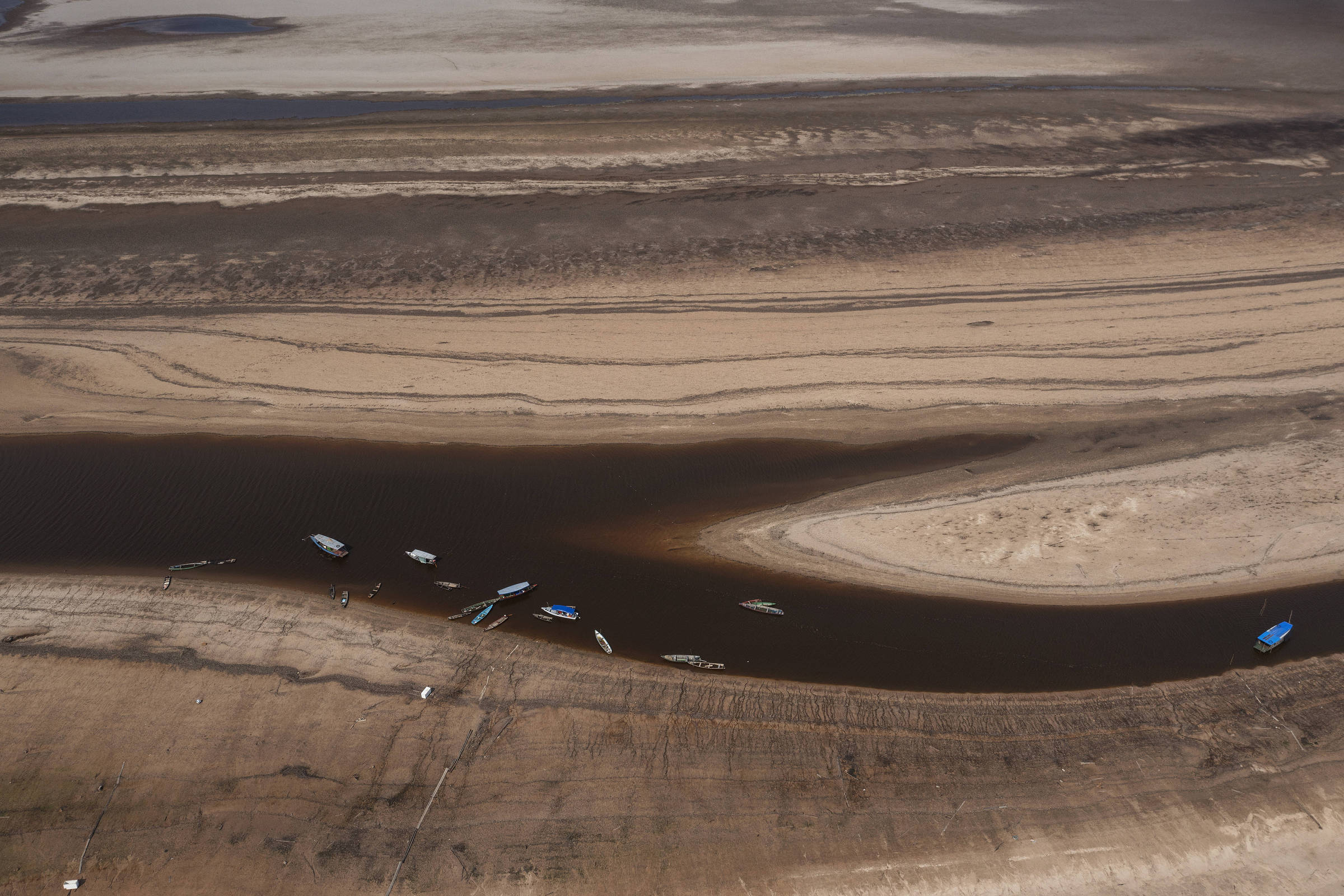
Two years after the historic 2023–2024 drought, the Amazon is once again under threat from a new El Niño event. A study published in April in the journal PNAS estimates that 53.7% of the intact rainforest areas affected by the previous drought will still not have recovered even seven years later. Based on three decades of satellite data, the study says this is the longest recovery period ever recorded: seven years after the 2015 drought, five years after the 2005 drought, and three years after the 2010 drought. In October 2024, the Rio Negro fell to its lowest level in 122 years.Even so, MapBiomas reported that in 2025 the region's surface water had returned to pre-drought levels, aided by La Niña. Agrometeorologist Gabriel Brito Costa cautions that this does not necessarily mean the rainforest has fully recovered, as factors such as evapotranspiration must also be taken into account.
According to Luiz Eduardo Aragão, a researcher at Brazil's National Institute for Space Research (INPE), "the forest is likely to lose biomass over time, reducing its productivity and its ability to recycle water and maintain its original microclimatic characteristics." Geologist Norbert Fenzl, meanwhile, argues that the PNAS models underestimate the Amazon's capacity for recovery, although he acknowledges that in deforested areas "natural resilience is reduced to zero."