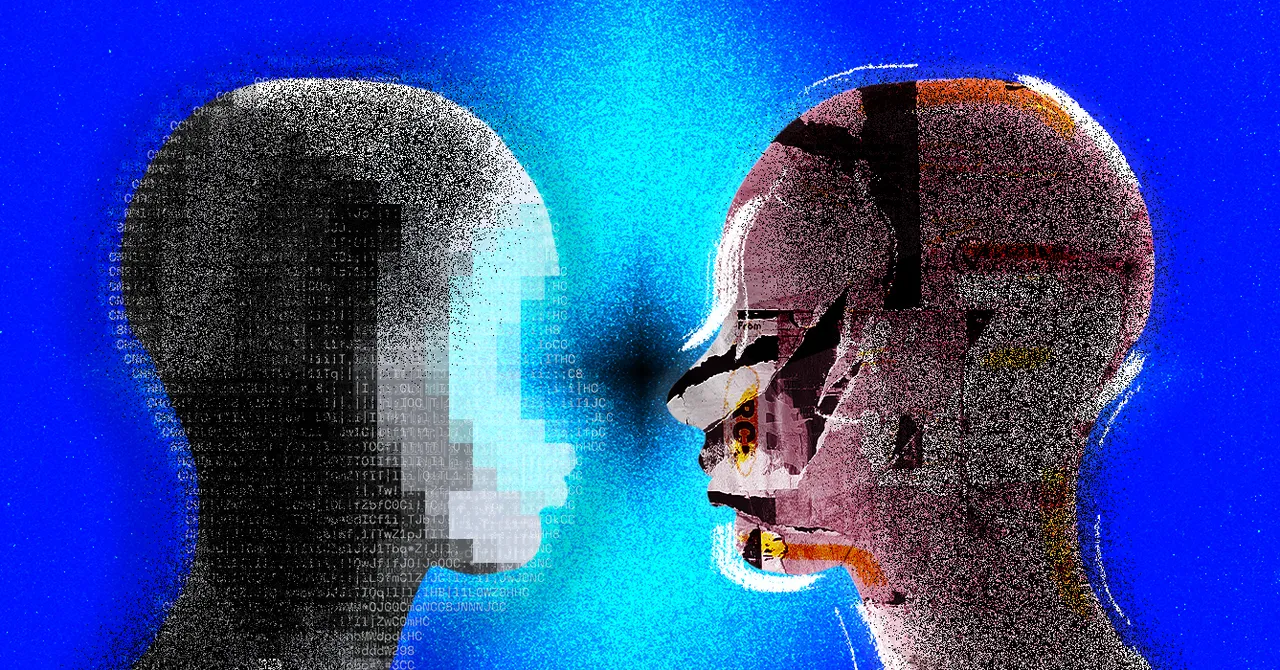
A growing portion of the digital content we consume on a daily basis is AI-generated. From articles and code, to customer interactions and even images and video, it’s getting harder to identify what is created by humans and what isn’t. Much of the content is useful and high quality, but some of it is highly inaccurate, because AI does not fundamentally understand truth.
AI was built to learn from human-generated knowledge at scale, but AI is no longer only learning from the collective output of human thinking. Now that it is actively populating the data ecosystem, AI is becoming part of a feedback loop where systems are increasingly training on AI-produced content. The result is a growing risk of data contamination where factual accuracy is replaced by outputs that may be convincing but not necessarily true.
Hallucinations, where AI generates confident but incorrect information because it predicts the most probable next word rather than verifying factual truth, have become a well-known challenge, as have deepfakes and synthetic media, where generated visuals or audio blur the line between authentic and artificial evidence. This is because AI does not “know” facts in the human sense. It predicts patterns.