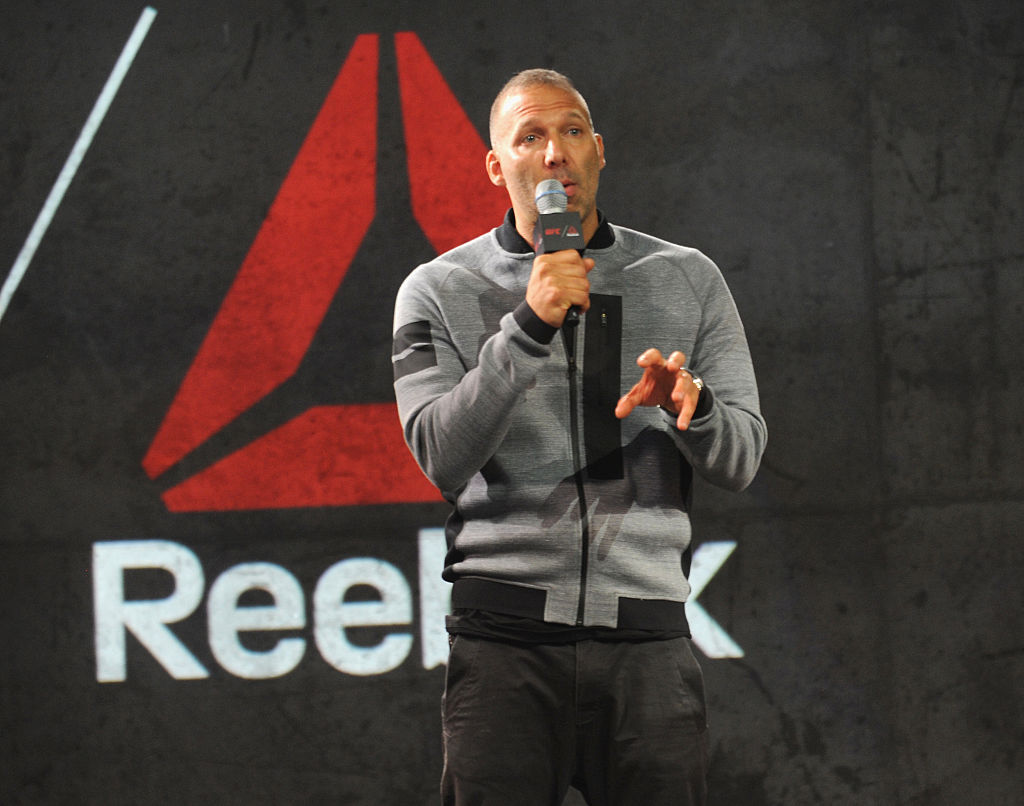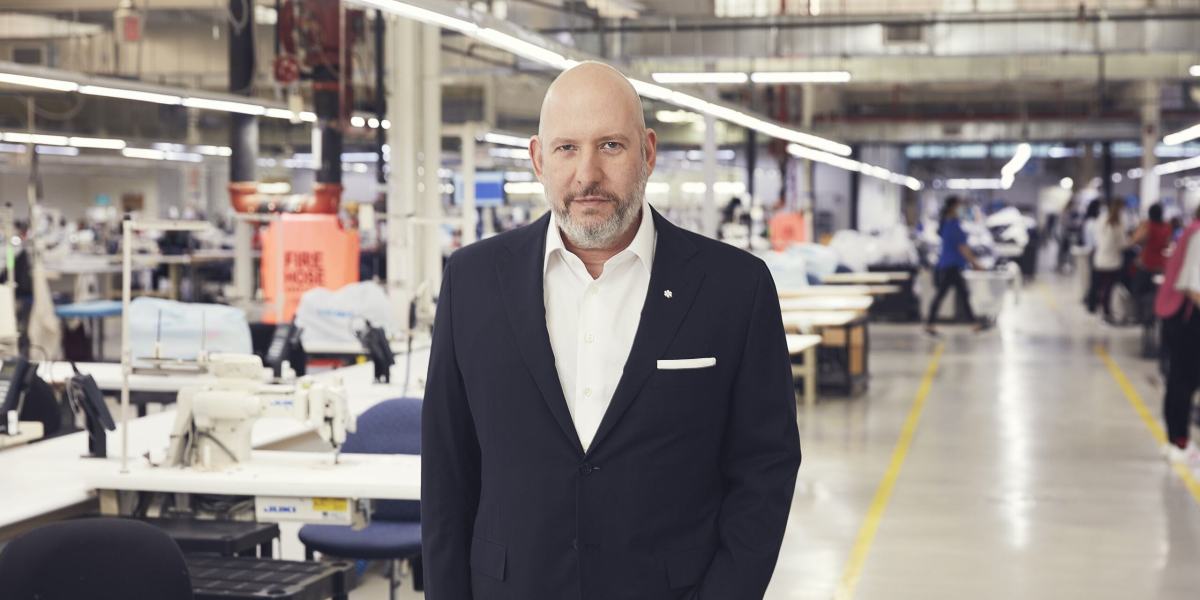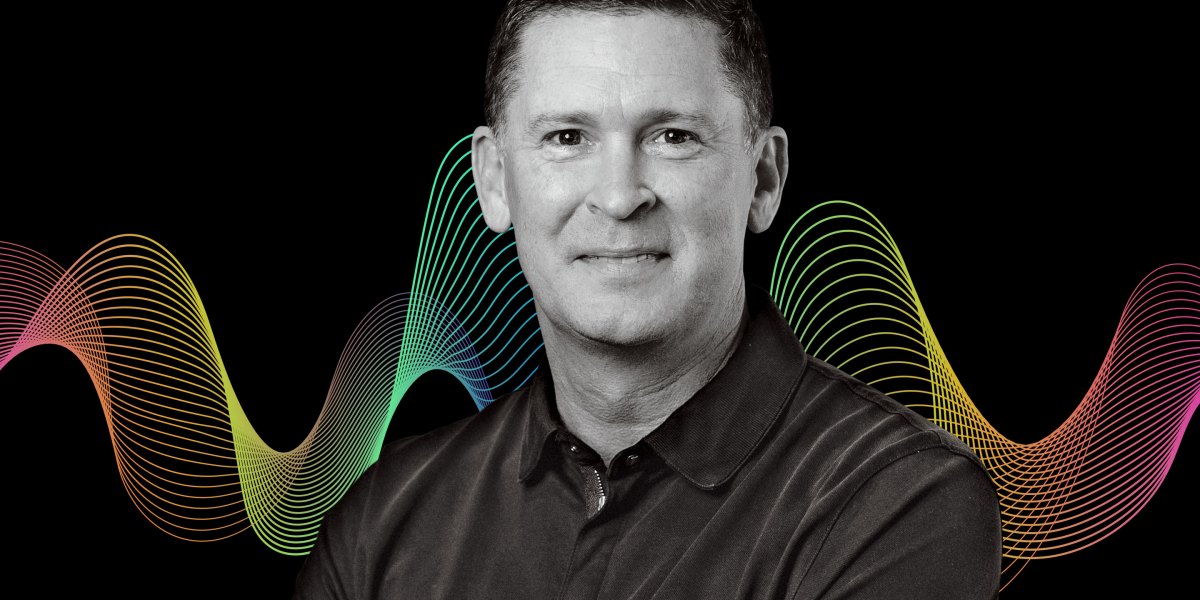
After Todd Krinsky graduated from college in 1992, he decided to try his luck in the sneaker business and got a job in Reebok’s mailroom. Thirty years later, he’d worked his way up to CEO.But Krinsky’s story isn’t just one of a self-described sneakerhead whose love of shoes translated to career success—it’s also about patience and reinvention. He stayed with Reebok after Adidas bought the brand in 2006, a time during which Reebok went from an innovative sports performance brand with an irreverent attitude to a more sedate fitness shoe brand playing second fiddle under Adidas. Soon after Authentic Brands bought Reebok in 2021, Krinsky was named its new CEO, starting the journey to rebuild the brand to its former market position.Today’s edition of Forbes CEO focuses on Krinsky’s story, the challenges he’s faced, and what he’s doing to help pump Reebok back up. Until next time.This is the published version of Forbes’ CEO newsletter, which offers the latest news for today’s and tomorrow’s business leaders and decision makers. Click here to get it delivered to your inbox every week.The Innovative UpstartNow-CEO Todd Krinsky's first Reebok ID from 1992, when he worked as a mailroom employee—and the company couldn't spell his name.ReebokTodd Krinsky spent his teenage years selling athletic shoes at mall stores and playing basketball. Sneakers were a part of his life, he said, so taking a job out of college at Reebok was a logical move. At the time, he didn’t see it as the beginning of a long career, but Krinsky said he quickly fell in love with the brand, its culture and its business.“I’ve always believed in the brand, whether we were on the high, or whether we were on the low,” Krinsky said. “I think that’s what’s kept me around.”In the first phase of Krinsky’s time at Reebok—before the Adidas acquisition—he was known for connecting celebrities with interesting backstories with the brand. Even in the ‘90s, Reebok didn’t work with as many athletes as competitors in the space, but Krinsky helped focus on what he called quality over quantity. Reebok targeted athletes with stories that went beyond the game, including NBA star Allen Iverson and European soccer legend Thierry Henry. These athletes created signature shoes, playing up their personal stories in the marketing.“We fused music, culture, and sport all in one to the consumer,” Krinsky said. “I think that’s a very common practice today, but back then we were very unique to do it.”Ill-Fated AcquisitionReebok CEO Todd Krinsky.ReebokIn 2005, German athletic wear giant Adidas announced its intent to buy Reebok for $3.8 billion. The acquisition gave Adidas about 20% of the U.S. athletic shoe market, and analysts said the two brands together could join forces to take on market leader Nike. But Adidas would instead pivot Reebok from a sports and culture brand to a basic physical fitness brand—mainly to avoid competing with Adidas. Through the years, Reebok’s professional sports licenses ran out, and its contracts with music and athletic luminaries weren’t renewed. It lost a lot of what made it stand out in the sports apparel world, becoming a nearly forgotten brand.“That was a very myopic approach to the marketplace, which forced us to get out of a lot of big commercial businesses,” said Krinsky. “And then some people say, ‘Well, why’d you stay through the whole Adidas thing?’ I think it was [the] rumors for many years that Adidas was going to sell us. We kind of knew it was eventually going to happen. Some of us were waiting and waiting for that to happen so we could get the reins back.”Reebok’s leadership weren’t the only ones who didn’t like the way business was going under Adidas. Reebok consistently struggled under the German company’s ownership, going from making up about 18% of Adidas’s total sales in 2010 to 7% in 2020, CNN reported. In 2022, Adidas finally sold Reebok to brand warehouse company Authentic Brands for $2.5 billion—less than it originally paid.Blueprints For SuccessAngel Reese's Reeboks at an Atlanta Dream game last month against the Golden State Valkyries.Thearon W. Henderson/Getty ImagesAfter the acquisition by Authentic Brands Group was complete, Krinsky was named Reebok’s new CEO. He finally had the opportunity to steer the company back to where things left off in 2006—but it hasn’t been an easy path. There’s a lot to do, he said, and it can’t all happen at once.“What people need to understand is we literally got out of businesses,” Krinsky said. “We got out of the basketball business. We got out of the tennis business. We got out of the golf business. And even though we’re fortunate to have a lot of institutional knowledge here on those businesses, we were out of them. You can’t just push a button and you're back into all these businesses. So we had to create a five-year strategy. We had to create a roadmap of what’s going to be the priority in the beginning.”One of the first priorities was tapping into Reebok’s past. Retro style is big right now, and classic Reeboks from the ‘80s and ‘90s are in. Matt Powell, a longtime sports footwear analyst who leads his own consulting firm called Spurwink River, said Krinsky has been starting where he should—especially because Reebok has a “wonderful vault of really cool old shoes to bring back.”“Half of the athletic shoe business in the United States is what we call sport lifestyle, meaning athletically inspired, but not really meant for any athletic purpose,” Powell said. “...So 75% of the sneaker business in the U.S. is sportswear, and that was always Reebok’s greatest strength.”(Not-So) New FacesReebok CEO Todd Krinsky poses with Allen Iverson at Iverson's 50th birthday celebration last year.Prince Williams/WireImageWhen Krinsky became CEO, most of Reebok’s old guard had left the company. They had been looking forward to recapturing the company’s groove, he said, but became demoralized during the Adidas years, or weren’t sure they were ready for the long road to the brand’s comeback, he said. Today, Krinsky is working with some people from Reebok’s past, as well as others who know where the brand had been and are excited for the opportunity to get it there.Getting back into sports is a priority for Reebok, so Krinsky created a new position: president of basketball. He hired someone who’s new to the corporate arm of Reebok, but familiar to everyone else: basketball legend Shaquille O’Neal. In this role, O’Neal is responsible for Reebok’s basketball strategy—something he knows well, having designed signature shoes for the brand in the ‘90s. O’Neal, who’s parlayed his success on the court to business in general since his retirement, is “probably one of our most active employees,” Krinsky said. O’Neal, who’s also a stakeholder in parent company Authentic Brands, isn’t doing marketing or designing, Krinsky said he wanted to be involved in strategy, helping determine what Reebok is saying about basketball. O’Neal takes a key role in signing players to be Reebok partners. Krinsky said he was key in bringing WNBA star Angel Reese into the fold: Both O’Neal and Reese went to Louisiana State University. Reebok’s vice president of basketball is probably also familiar: Allen Iverson. In addition to his lifetime partnership with Reebok, Iverson has a cultural resonance with younger players and is involved in the product side.Krinsky said these hires have gotten Reebok several headlines—plus a Netflix documentary—but O’Neal and Iverson are with the company for more than a big PR splash.“In the end, it’s really using [O’Neal’s] currency as such a major global figure to recruit players and brainstorm and shape the future of basketball,” he said.Opportunity ReboundsReebok CEO Todd Krinsky speaks at Brand Summit.ReebokWhile Reebok is slowly working toward growing its market share and brand relevance, its comeback efforts are hitting at an opportune time. While Nike is still the market leader in athletic shoes, the brand has struggled following an unsuccessful business pivot. Elliott Hill, a career employee at Nike, took the helm of that company in 2024 and is seeking a turnaround there as well.Krinsky said while this opens an opportunity for Reebok to gain market share, consumers today are different. Part of the reason that brands such as Asics, New Balance and Hoka are gaining traction is because Nike’s given up shelf space, but Krinsky said consumers are also more open to trying new things.Right now, Reebok is trying to balance its nostalgic lines with new innovations for athletic performance. Too much heritage, Krinsky said, will doom a brand to be seen as nothing else. And Reebok is working toward making its own kind of inroads into every sport. The company is about halfway through Krinsky’s initial five-year strategic plan, and he’s hoping that when it’s through, Reebok will be a top-five player in every market. And, he said, they’ll get there by keeping the brand’s culture and attitude alive.“We make world-class products for world-class athletes, but we don’t take life too seriously,” he said. “That’s been very accessible. ‘Life is not a spectator sport’ is this internal mantra we have where it’s important to do fitness, it’s important to be as fit as you can and fulfill your potential, but we also don’t take the world too seriously.”Krinsky’s Leadership AdviceYou have to inspire and create clarity. The clearer you can make that path, the easier it is for everyone to understand the decisions that we make and what everyone’s role is. I spend most of the time trying to inspire people, create clarity on what we’re trying to do and then hire the best people to do those things.Stay in your lane. I grew up in product and it’s my forehand to go into a room and tell people what shoes should look like because I love it. But I [should] not do that anymore. I’ve got to find talented people to do that: Hire great people to execute and get out of their way. I still go in the showroom sometimes and tell them what colors I would do, but sometimes they listen and sometimes they don’t.You have to role-model resiliency. Everyone in the company looks to the leader and if they’re showing any signs of, ‘Man, I don’t know if this is going to work,’ or, ‘This transition’s hard,’ you’re dead in the water. It’s not about faking it, it’s about believing that you’re going to get there. I do my best to role model this resiliency consistently so when people look over to me, they feel like, ‘If he’s in the driver's seat, he feels we can get there. And it’s not always him telling me, it’s him showing it by solving problems, clearing the path for people to achieve certain things.’Comings + GoingsProperty and casualty insurance company The Hanover Insurance Group elevated Richard W. Lavey as its new chief executive officer, effective December 31. Lavey currently works as chief operating officer and president of Hanover Agency Markets, and he will succeed John C. Roche, who is retiring.Accounting and advisory network Moore Global promoted Vivienne Muir to its chief executive officer role, effective July 20. Muir steps into the position after working as the network’s chief operating officer.Strategic staffing and advisory services provider The Planet Group appointed Kip Wright as its new chief executive officer, effective July 13. Wright joins the company from INSPYR Solutions, where he most recently worked as CEO and chairman.Strategies + AdviceWhen you’re planning your enterprise AI strategy, it can actually pay off to go big. A new study from Blue Ridge Partners found that large-scale AI uses both brought more revenue over the long run and cost less.QuizOn Friday, one company briefly unseated Nvidia as the world’s largest by market cap—though Nvidia quickly retook the No. 1 spot. Which was it?A. AlphabetB. MetaC. MicrosoftD. AppleSee if you got the answer right here.
Reebok CEO Todd Krinsky Played The Long Game—And Is Aiming For A Brand Rebound
This edition of the Forbes CEO newsletter focuses on Krinsky’s journey up the ranks at Reebok and his strategy for bringing the brand back to the top.
1,960 words~9 min read