Japan's Parliament on Friday approved the first major revision of the country's imperial succession laws, to address the risk that the last young male heir may not have a son.
By law, only a paternal-lineage male can become emperor in Japan. Female royals have been required to leave the imperial family when they marry commoners.
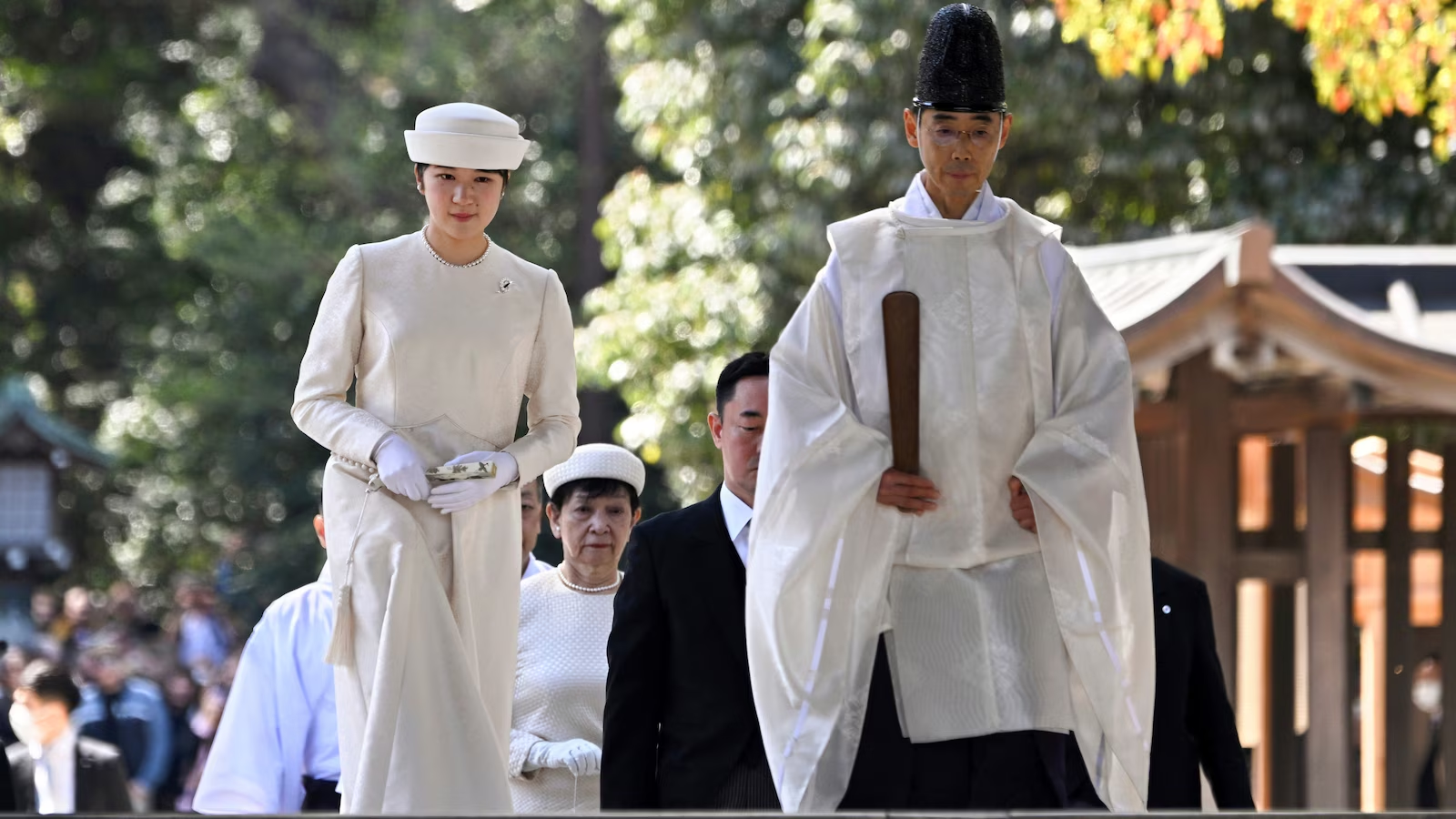
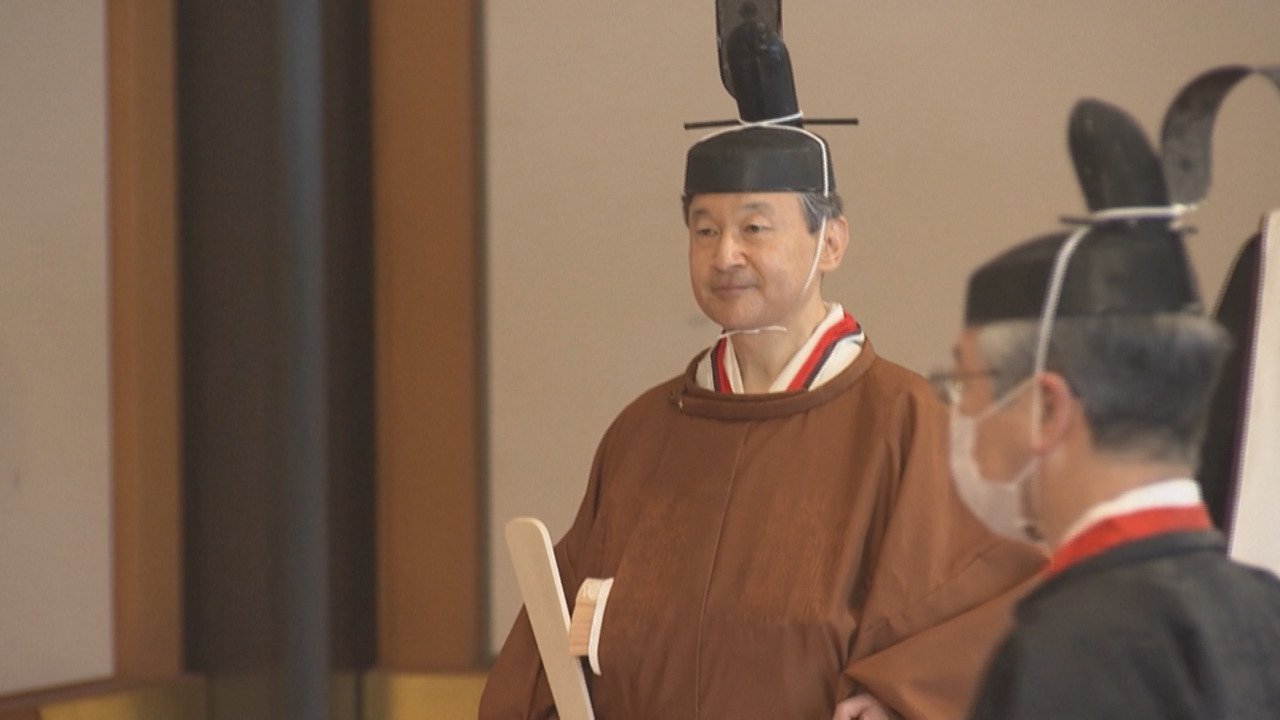
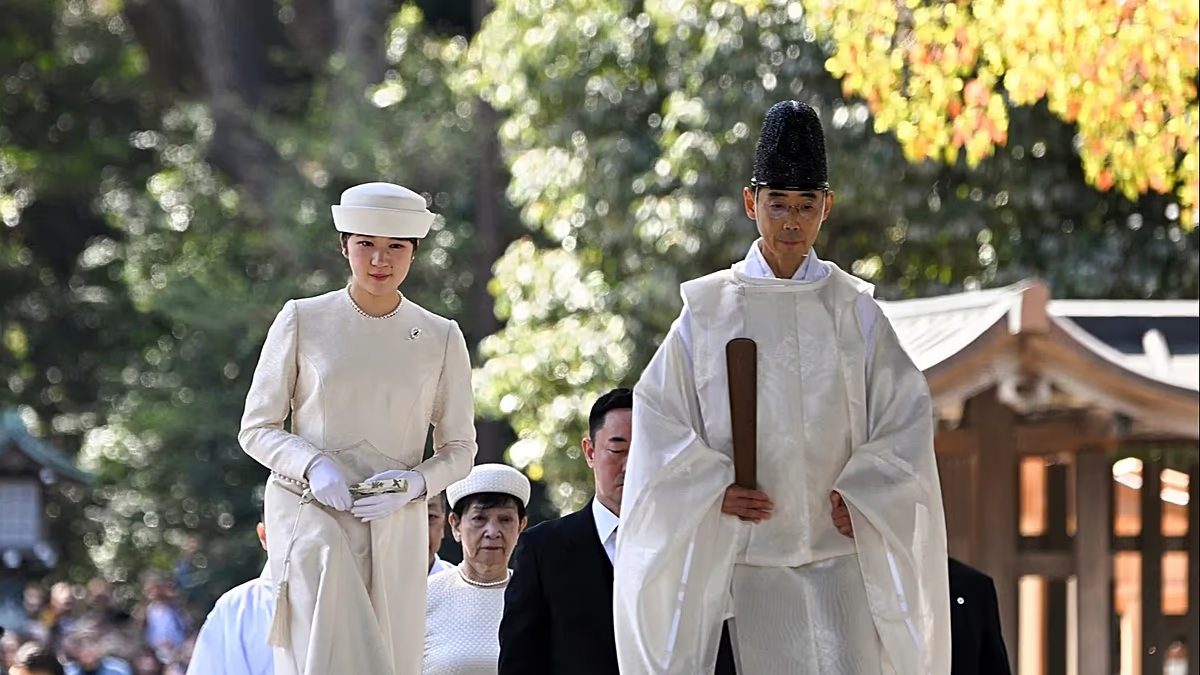
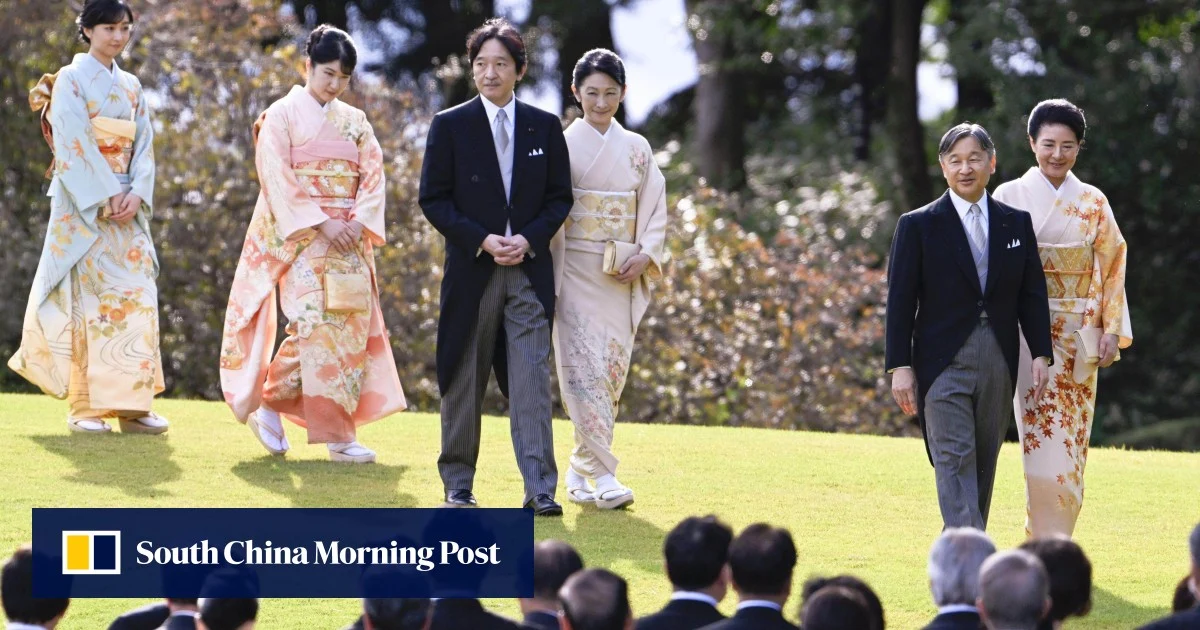
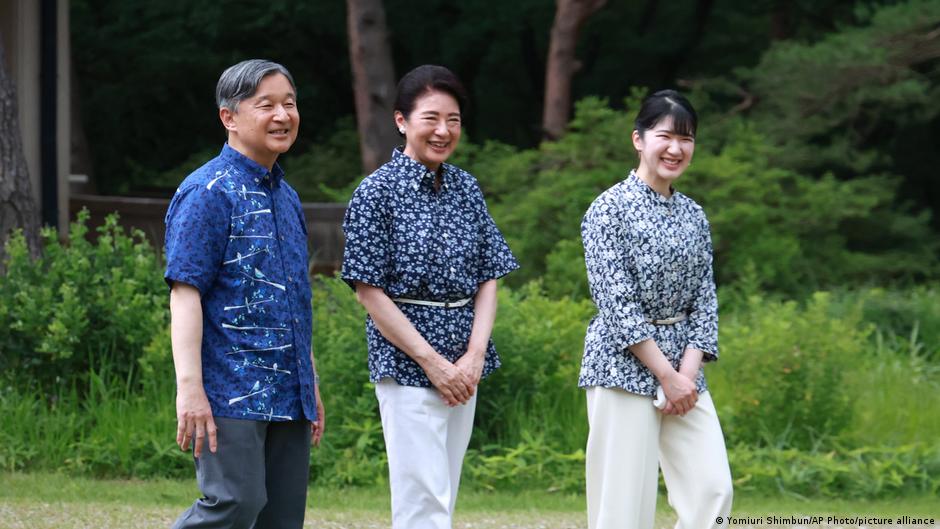
Japanese Emperor Naruhito, who acceded to the throne in 2019, and his wife, Empress Masako, have one child, 24-year-old Princess Aiko, who was born in 2001. She cannot inherit the throne under the current system.
Instead, Naruhito's younger brother, Prince Akishino (also known as Fumihito), is considered the crown prince. Akishino's son, Prince Hisahito, is second in line to the throne.
In 2005, a panel appointed by then Prime Minister Junichiro Koizumi unanimously recommended allowing female emperors and succession through the female line. The proposal was shelved after the birth of Prince Hisahito the following year eased immediate concerns.