Japan's parliament on Friday approved a bill to revise the country's Imperial House Law, which sets out the line of succession to the Japanese imperial throne.
The changes will allow the imperial family to adopt male distant relatives over the age of 15 and for their future sons to become eligible to take the throne. It also enables princesses to keep their royal status after marrying outside of the family.
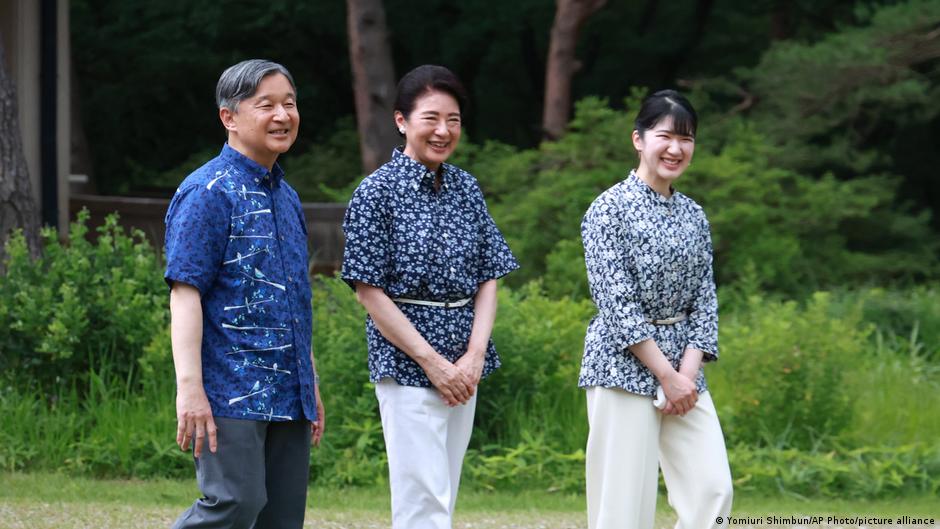
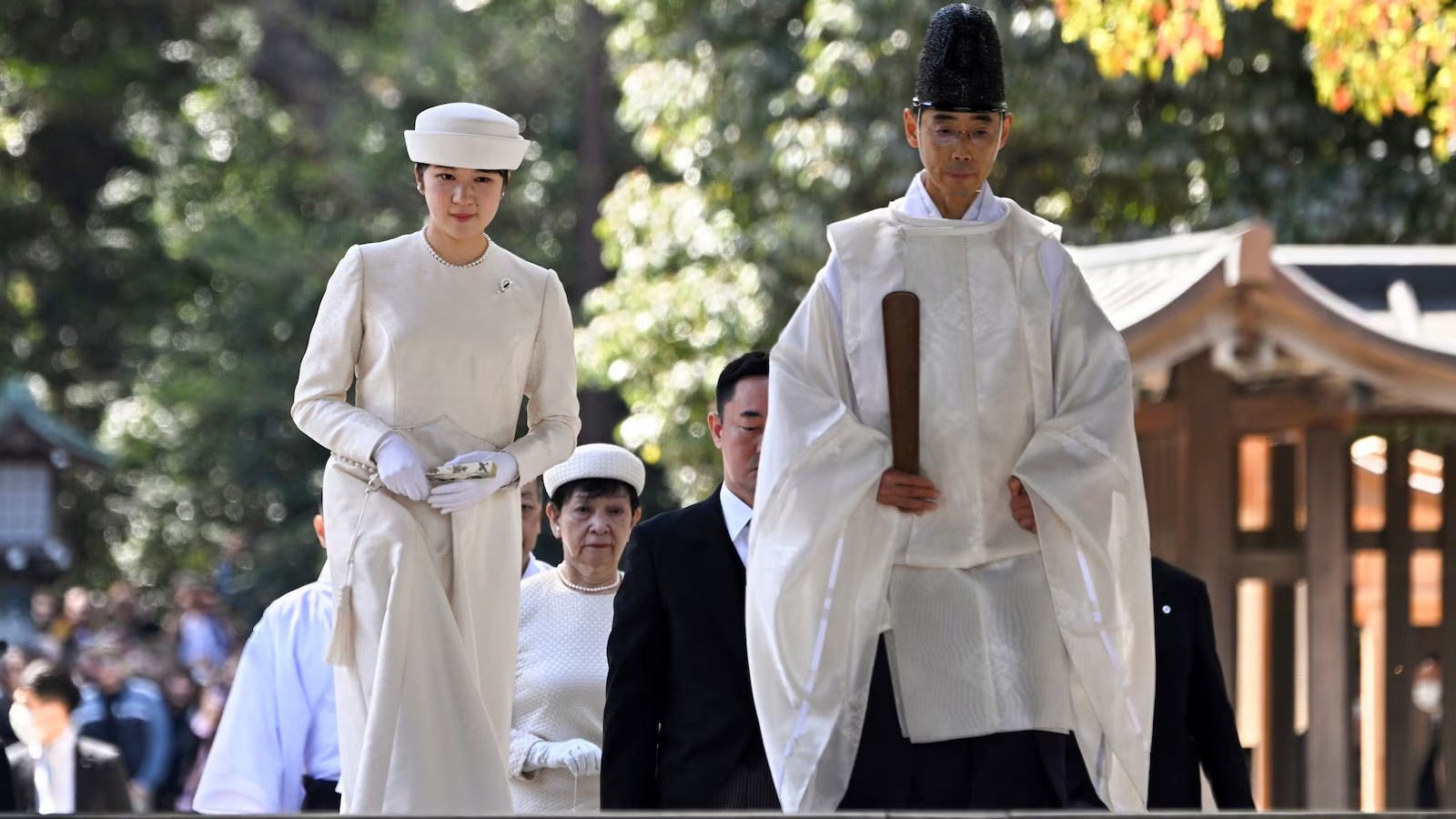
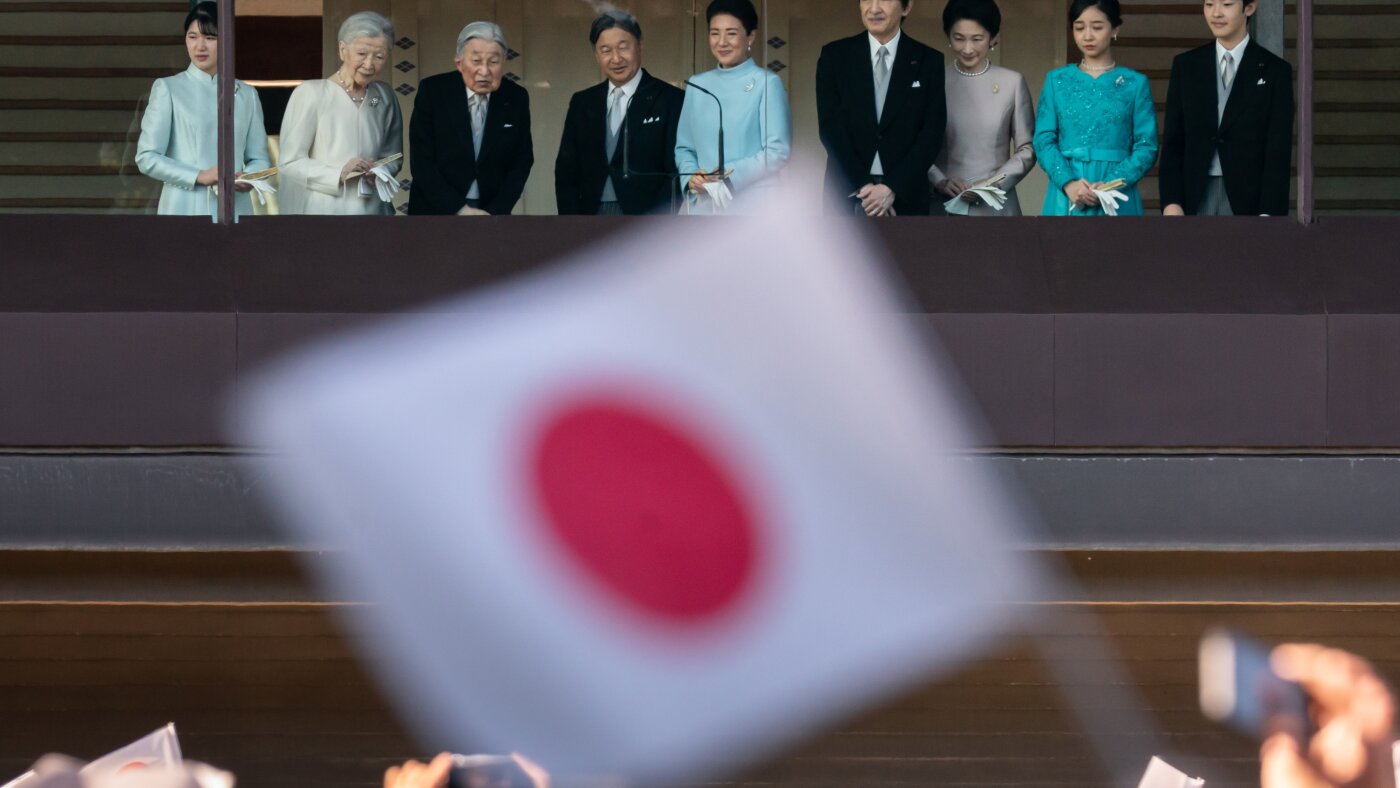
A ban on female emperors remains in place, however, despite the popularity of Emperor Naruhito's 24-year-old daughter, Princess Aiko, and concerns over the shrinking imperial lineage. The rules mean the imperial line will move to Naruhito's younger brother, the 60-year-old Crown Prince Fumihito, and then to his nephew, Prince Hisahito, 19.
Without further amendments to the law, the current bloodline would end if Hisahito does not have a son.
The male-only succession law dates back to the 1889 Imperial House Law, which established that only men descended through the paternal line could become emperor. This was carried over into the updated 1947 law. The new amendment is the first to the main text since 1949.