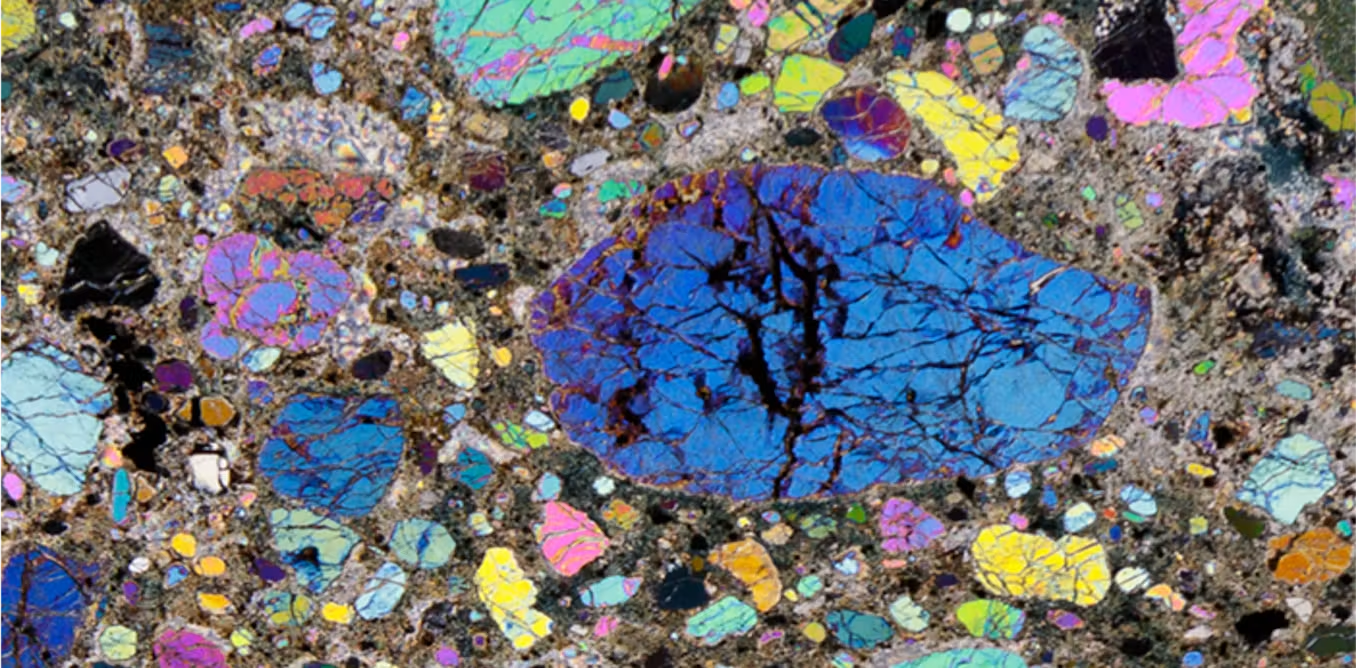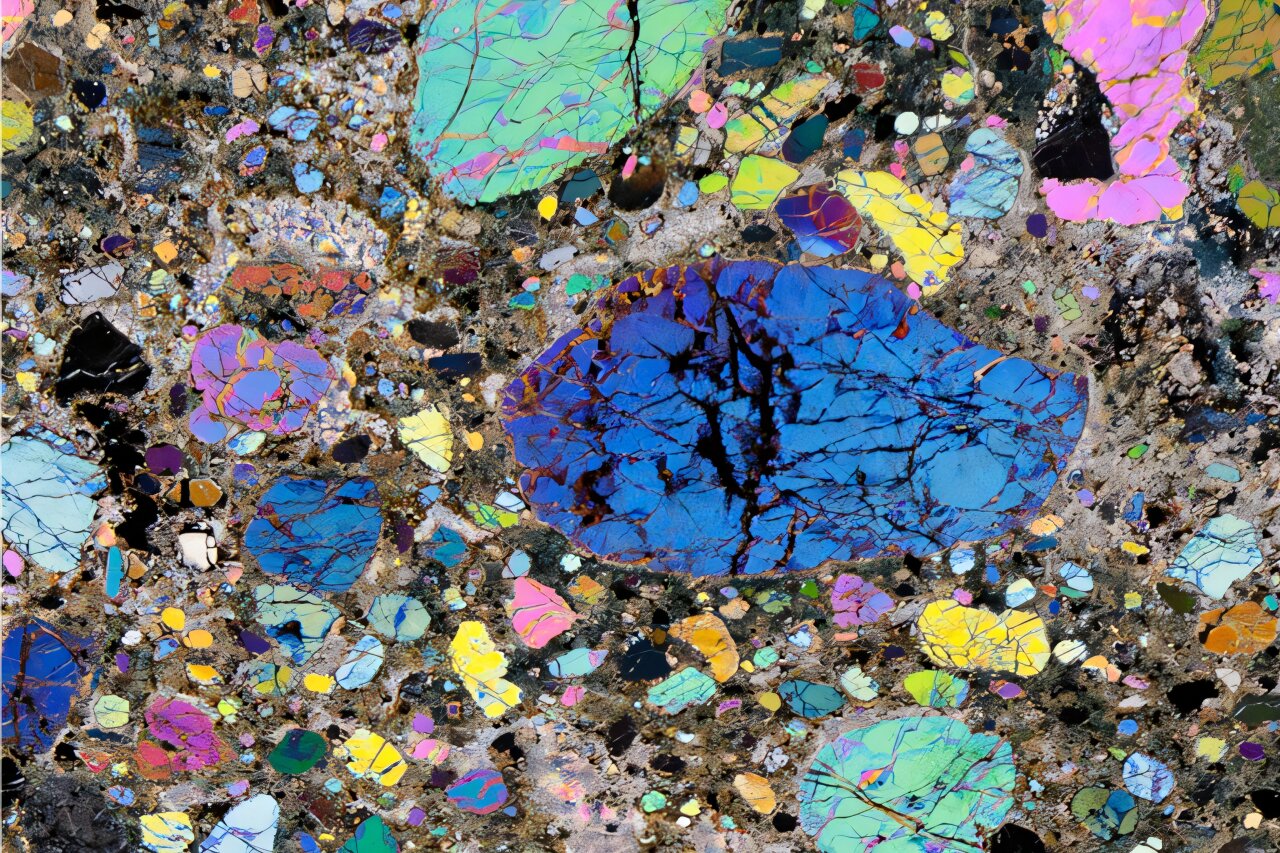
Photomicrograph in cross-polarised light showing olivine in a piece of kimberlite rock from the Karowe kimberlites, famous for recovering some of the largest gem-quality diamonds ever found. Credit: Geoffrey Howarth
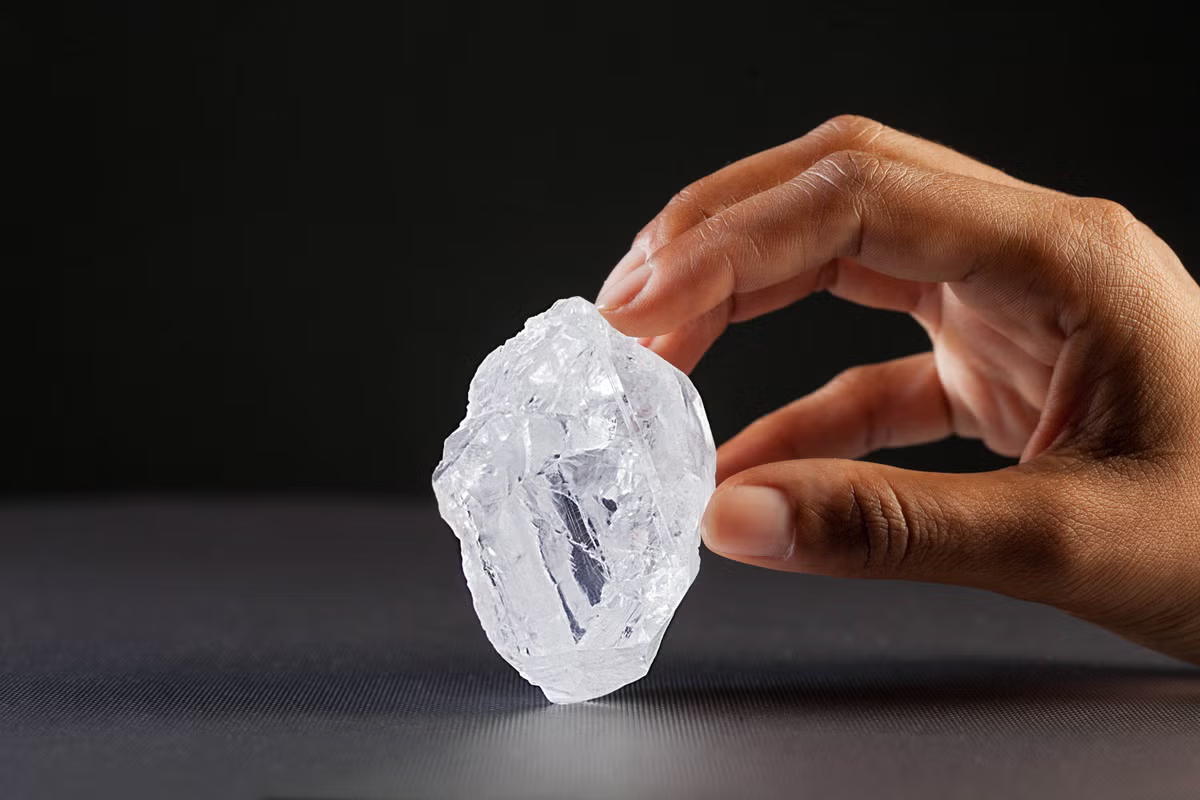
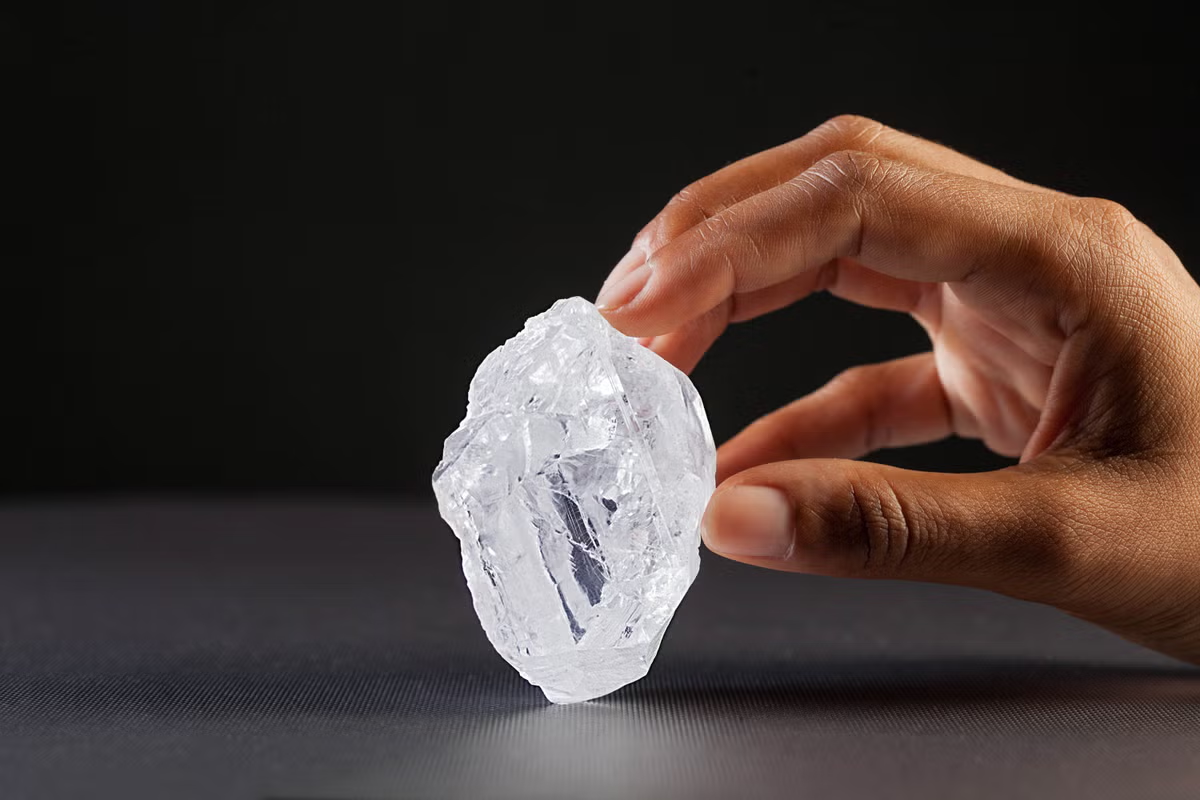
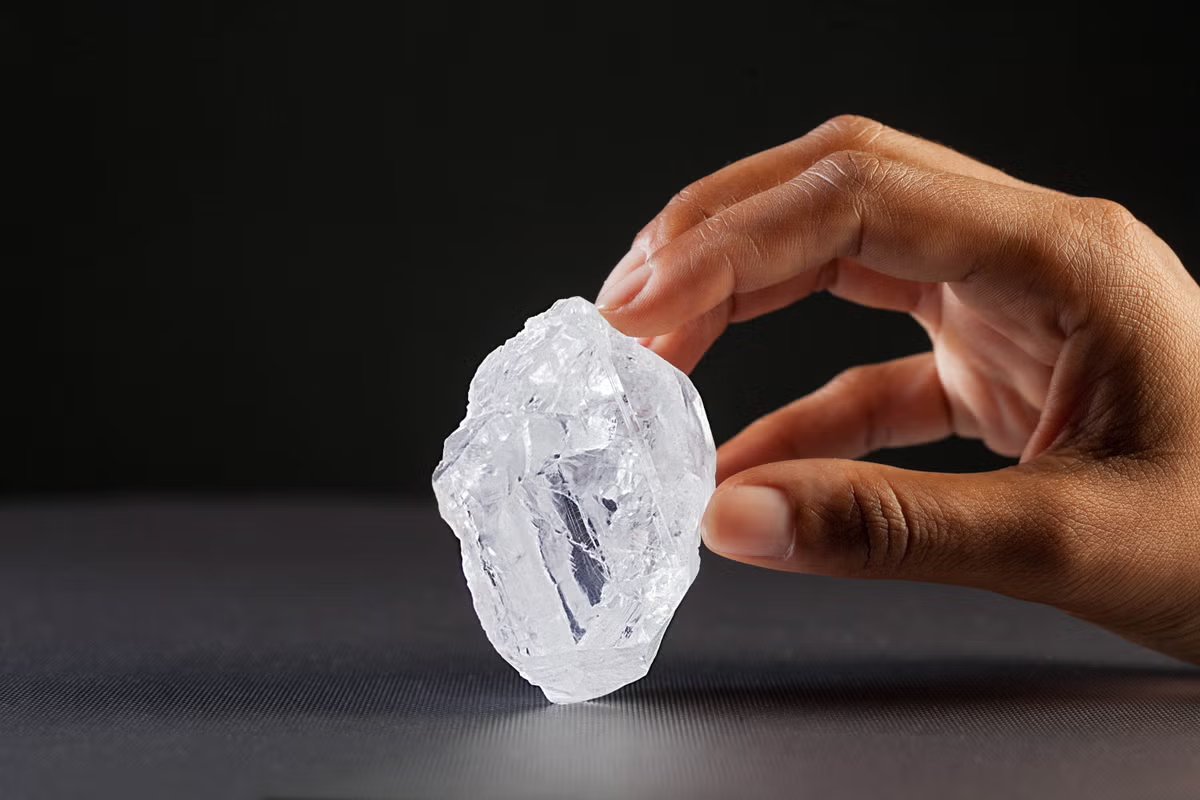
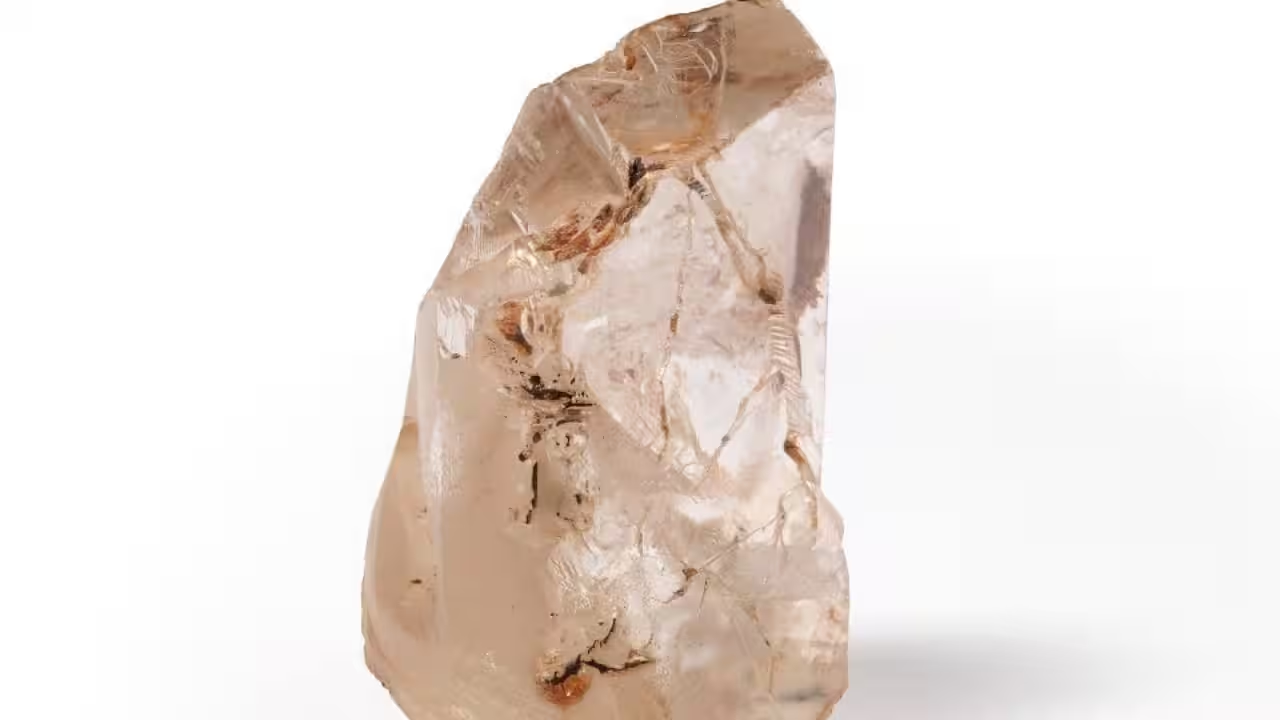
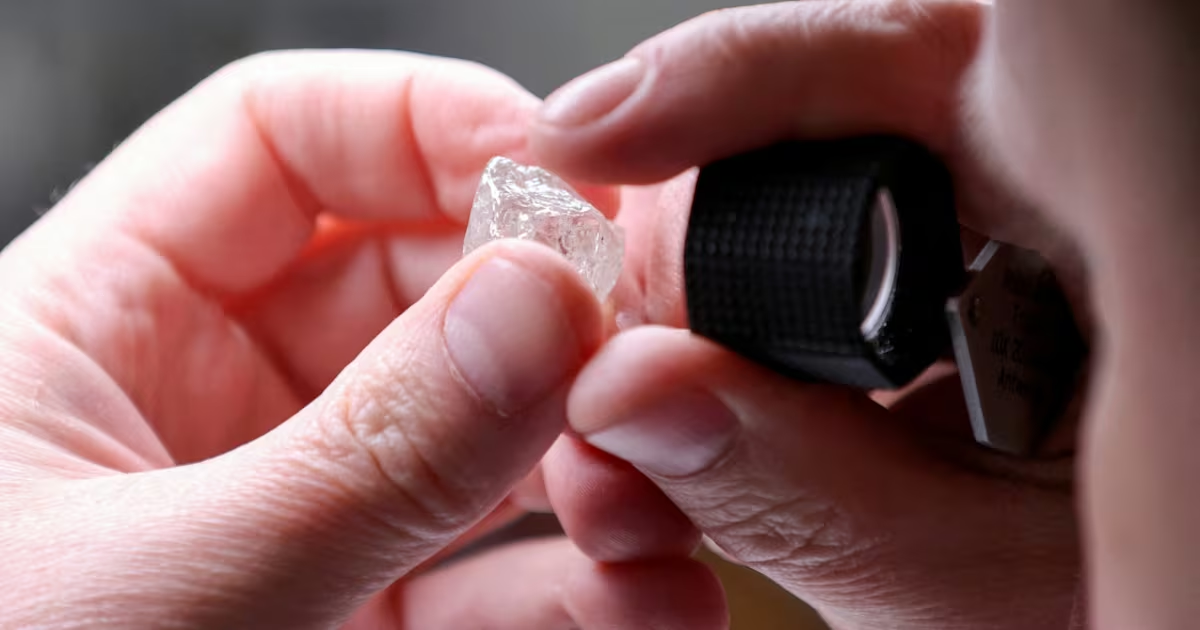
Some of the most extraordinary gems ever found belong to a rare class of diamonds known as CLIPPIRs (Cullinan-like, Large, Inclusion-Poor, Pure, Irregular, Resorbed). They make up less than 1% of all diamonds on Earth and include three of the largest diamonds ever recovered: the Cullinan, at 3,106 carats (1.4 pounds), found at the Premier mine in South Africa; the 1,111-carat Lesedi La Rona, discovered at the Karowe mine in Botswana in 2015 and sold for $53 million in 2017; and the 2,492-carat Motswedi (1.1 pounds), recovered from the Karowe mine in 2024.
CLIPPIRs are not ordinary diamonds. They are part of a group known as "superdeep" diamonds that form more than 400 km (250 miles) beneath our feet in a region of Earth's deep interior called the mantle transition zone. This is much deeper than ordinary gem-quality diamonds, which usually form in the thick, rigid mantle roots beneath old continents, at depths of up to about 200 km (120 miles). The mantle is the thick layer of hot rock between Earth's core and outer "shell," known as the crust.