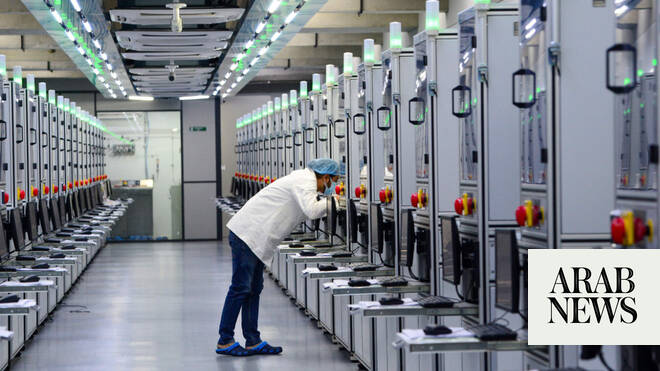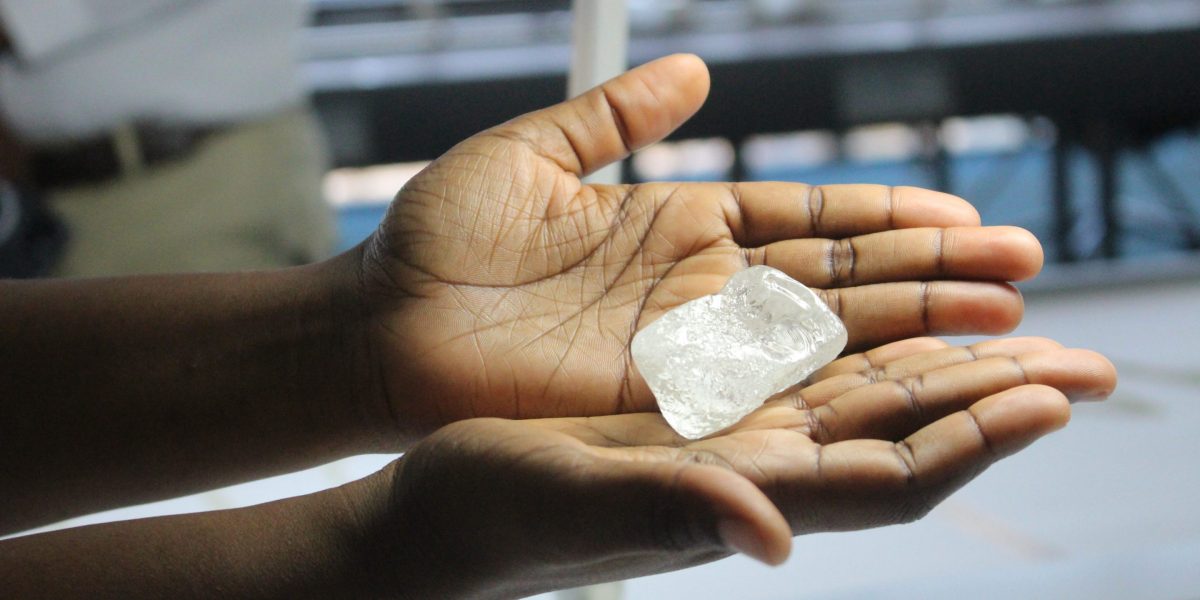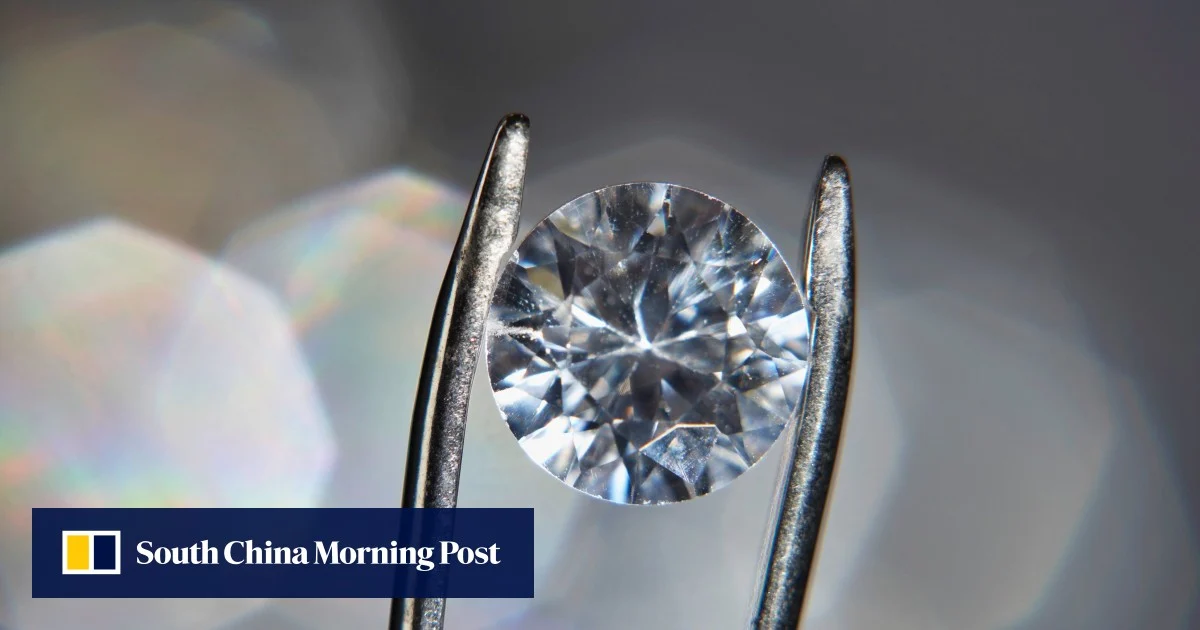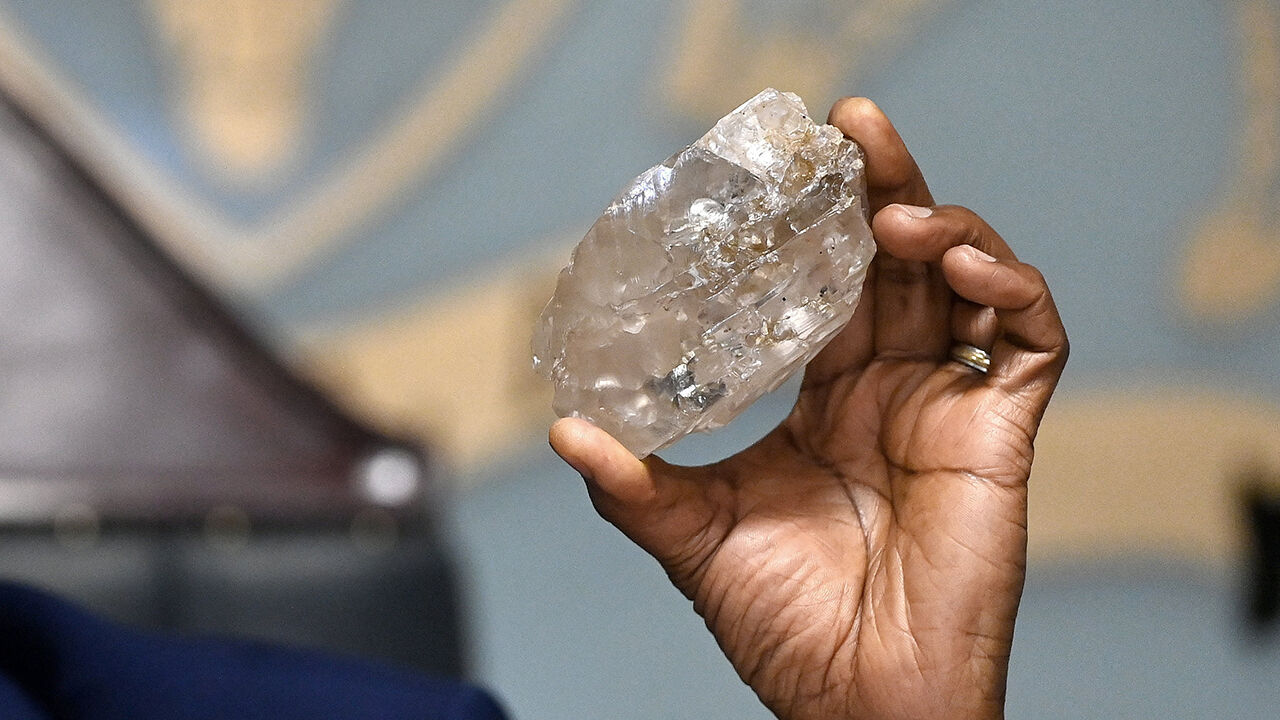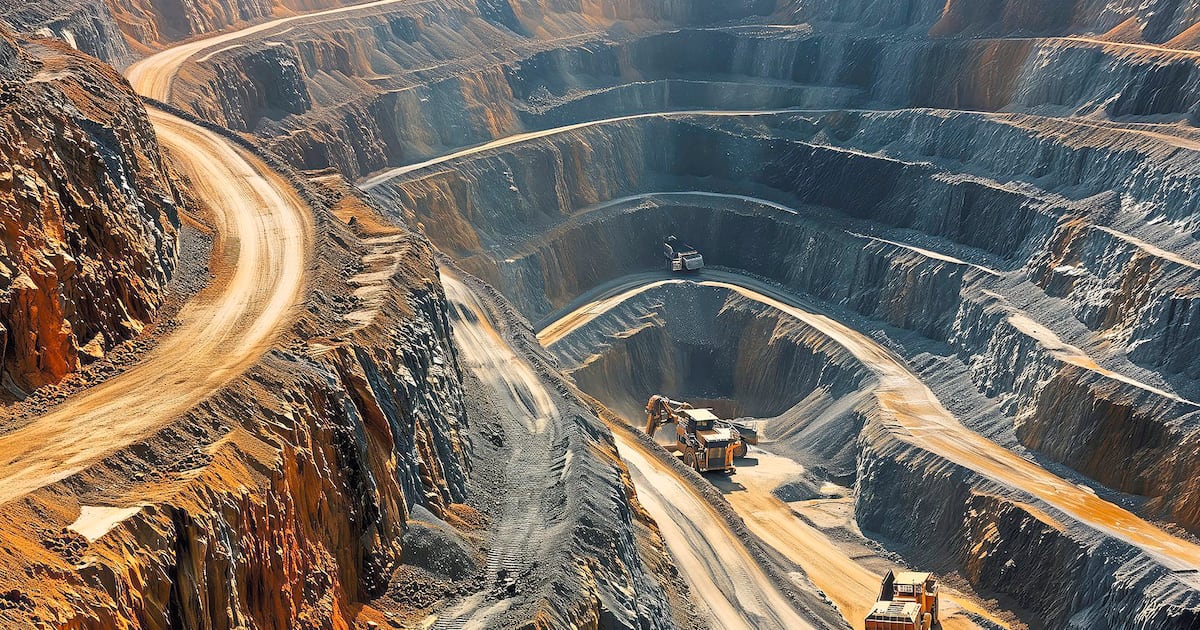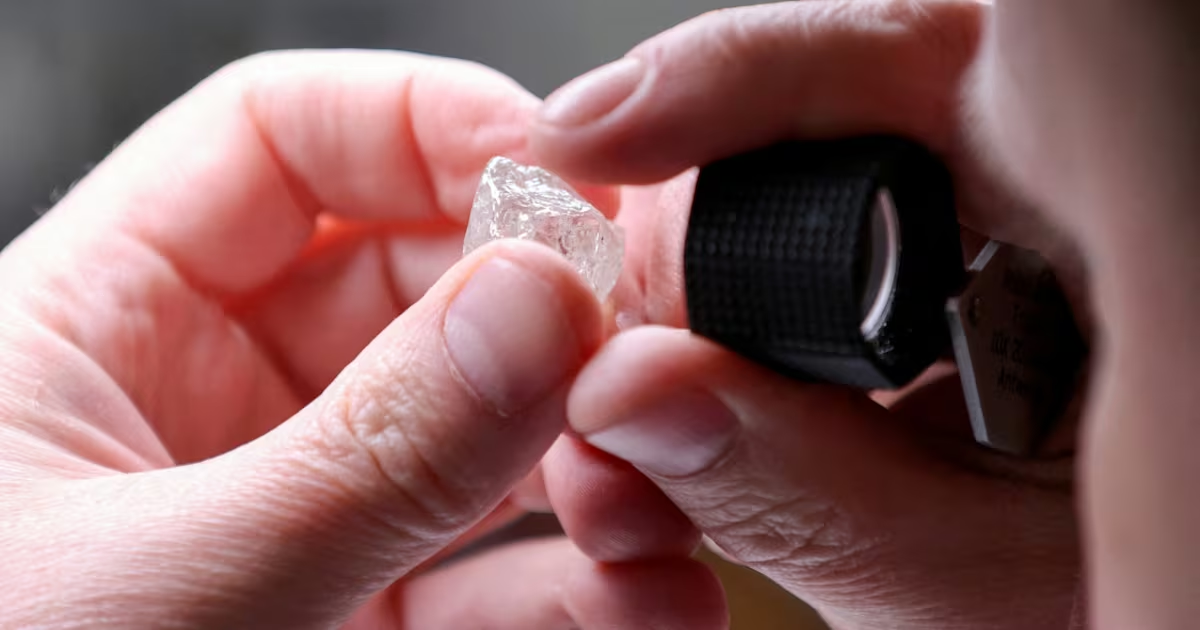
The rapid rise of lab-grown diamonds (LGDs) has triggered an economic shock across Southern Africa, with Botswana, South Africa, Namibia and Angola facing mounting pressure from a market increasingly shaped by synthetic supply. For Botswana’s economy, the rapid rise of LGDs has been devastating. The precious stones account for about 25% to 30% of the country’s GDP, nearly one-third of all government revenues, and about 80% to 90% of total export earnings.With a current valuation approaching $30bn and a projected expansion to upwards of $40bn by 2030, underpinned by a steady compound annual growth rate of about 8% to 10%, the LGD industry is poised for continued growth. What appears to be a technological shift in jewellery production has become a macroeconomic challenge for governments whose fiscal revenues, employment networks and export earnings remain tied to natural diamonds.The global diamond industry is undergoing a structural transformation as natural diamond prices weaken, LGDs expand, and traditional miners face operational strain. At the centre of this shift is a redefinition of value: diamonds are moving from a scarcity-based luxury paradigm toward a technologically mediated commodity framework. Global production and trade statistics reveal the scale and fragility of this system. Price movements over the past five years make the rupture explicit. The price of a one-carat lab-grown diamond has fallen from about $3,500 in 2021 to about $350 in 2026, while comparable natural stones have remained broadly at about $6,000. This collapse fundamentally changed consumer cost-benefit calculations.In 2024 global rough diamond production totalled about 118-million carats, with a combined value of about $11.48bn, implying an average price of about $97 per carat. This marked a modest increase in volume but a decline in value, reflecting weaker global demand and a shift toward lower‑priced stones. Natural diamonds, particularly in the commercial segment, have been under pressure as producers cut output to about 100-million carats to stabilise markets. These interventions have been overwhelmed by demand erosion caused by LGDs. China is changing the industry’s price-setting mechanism by turning diamonds from scarce mined assets into scalable manufactured goodsThe competitive threat extends beyond price into perception and identity. The global LGD market exceeded $27bn by 2023 and continues to grow rapidly, particularly among millennials and Gen-Z consumers. Based on research, 68% of millennial consumers would prefer to substitute natural diamonds for LGDs, while fewer than half of consumers can differentiate between them. As LGDs capture a growing share of jewellery sales, they erode the informational asymmetry on which the natural diamond premium had been based.Economically, this is a classic technological disruption. Natural diamonds are finite geological resources, while LGDs are reproducible industrial outputs manufactured within weeks through scalable industrial processes. As production technologies mature and capital costs are amortised, the marginal cost of LGDs continues to fall, creating persistent supply expansion and price compression. The consequence is a structural ceiling on natural diamond prices outside the rarest and highest-quality segments.China and India have become the decisive production engines of this disruption. Their advantage lies in industrial scale, dense manufacturing clusters, and mastery of high-pressure, high-temperature and chemical-vapour deposition processes. Henan province in China has emerged as a global centre for LGD production, with some industry estimates attributing more than 70% of global LGDs and more than 80% of jewellery-grade output to Henan alone. This scale makes China highly competitive on cost: production can be raised without geological constraint, quality is improving and producers can compete aggressively on price. The result is a supply shock that shrinks margins across the value chain and forces natural diamonds to fight for a price premium based on scarcity, provenance and branding rather than strength of quality. China is therefore changing the industry’s price-setting mechanism by turning diamonds from scarce mined assets into scalable manufactured goods.These dynamics have translated directly into operational stress. De Beers, the industry’s historical hegemon, has cut production in response to weaker demand, with output falling 12% to 21.7-million carats in 2025. The company reported a $511m loss and suffered a $2.3bn write-down in the same year, reflecting lower prices, subdued Chinese demand and intensified LGD competition. This contraction illustrates the limits of natural diamond supply management strategy in an era of synthetic competition.The crisis is sharper among secondary producers, whose cost structures are less resilient. In the context of South Africa, this transition is most visible in the collapse of mid-tier diamond economics, exemplified by Petra Diamonds’ Finsch and Cullinan mines, where severe cost pressures have placed the operations on an effective closure trajectory, putting nearly 1,800 jobs at risk, thus revealing the socioeconomic cost of technological substitution. The economic logic is stark: more than 90% of Finsch and Cullinan output comprises small, lower-value stones, precisely the segment most exposed to LGD substitution. As prices collapse, revenues no longer cover costs, and restructuring becomes unavoidable. These assets demonstrate not isolated operational failures but a systemic recalibration of value within the global diamond industry.Across Southern Africa, Botswana, South Africa, Namibia and Angola face mounting pressure from a diamond market increasingly shaped by synthetic supplyA parallel pattern is visible at Ekapa’s Kimberley operation — a 158-year-old diamond mine — where a fatal mud rush early this year trapped five mineworkers underground and severely damaged access to the Du Toitspan shaft. The disaster unfolded amid weak rough-diamond prices, competition from lower-cost synthetics and constrained liquidity. Ekapa Resources and Ekapa Minerals subsequently applied for liquidation after concluding they could no longer meet their financial obligations, particularly as shaft repairs would require substantial capital and months to complete. Tough diminished by declining ore grades, ageing mines and rising costs, South Africa’s diamond industry remains a source of economic activity and employment. Long-term data show declining diamond mining employment, reflecting resource depletion and structural adjustment. Looking forward, the industry is likely to become increasingly polarised. LGDs are positioned to dominate the mass market through affordability, scalability and alignment with contemporary ethical sourcing and environmental preferences. Natural diamonds, by contrast, are likely to retreat into a niche luxury segment where value derives from rarity, provenance and symbolic meaning rather than functional distinction. High-end natural stones may retain pricing power, but the broader commercial market is structurally weakened.The diamond industry’s long-term survival depends on adapting to a bifurcated diamond market. The price competition between natural and synthetic diamonds is less a battle for dominance than a reconfiguration of the industry into distinct but interconnected segments. The industry’s historical success rested on supply management and powerful marketing narratives, most famously “A Diamond is Forever”, the 1947 slogan created by Frances Gerety to link diamonds’ durability with the permanence of romantic commitment. The narrative remains valuable, but the headwinds are severe. The diamond industry is thus undergoing a paradigmatic shift driven by technological disruption, changing consumer preferences coupled with China and India’s rise as dominant production bases for LGDs. LGDs price collapse has eroded the economic viability of large parts of the natural diamond market by converting diamonds from scarcity-led luxury assets into reproducible manufactured products. Events at Petra’s Finsch and Cullinan mines and at Ekapa’s Kimberley operation show how this abstract market transformation materialises as restructuring, liquidation and employment loss. Across Southern Africa, Botswana, South Africa, Namibia and Angola face mounting pressure from a diamond market increasingly shaped by synthetic supply. Natural diamonds may endure as symbols of rarity and luxury, but their mass-market dominance has been decisively challenged. As synthetic diamond production continues to grow, particularly in lower price segments, natural diamond producers must compete not only on price but also on value differentiation.• Dr Tshitereke, an honorary professor at Unisa’s Thabo Mbeki School of Public & International Affairs, is chief of staff at the minerals & petroleum resources ministry.
CLARENCE TSHITEREKE | Natural vs synthetic: the brutal diamond price war
Lab-grown diamonds drive economic upheaval in Southern Africa, writes Clarence Tshitereke.
1,275 words~6 min read