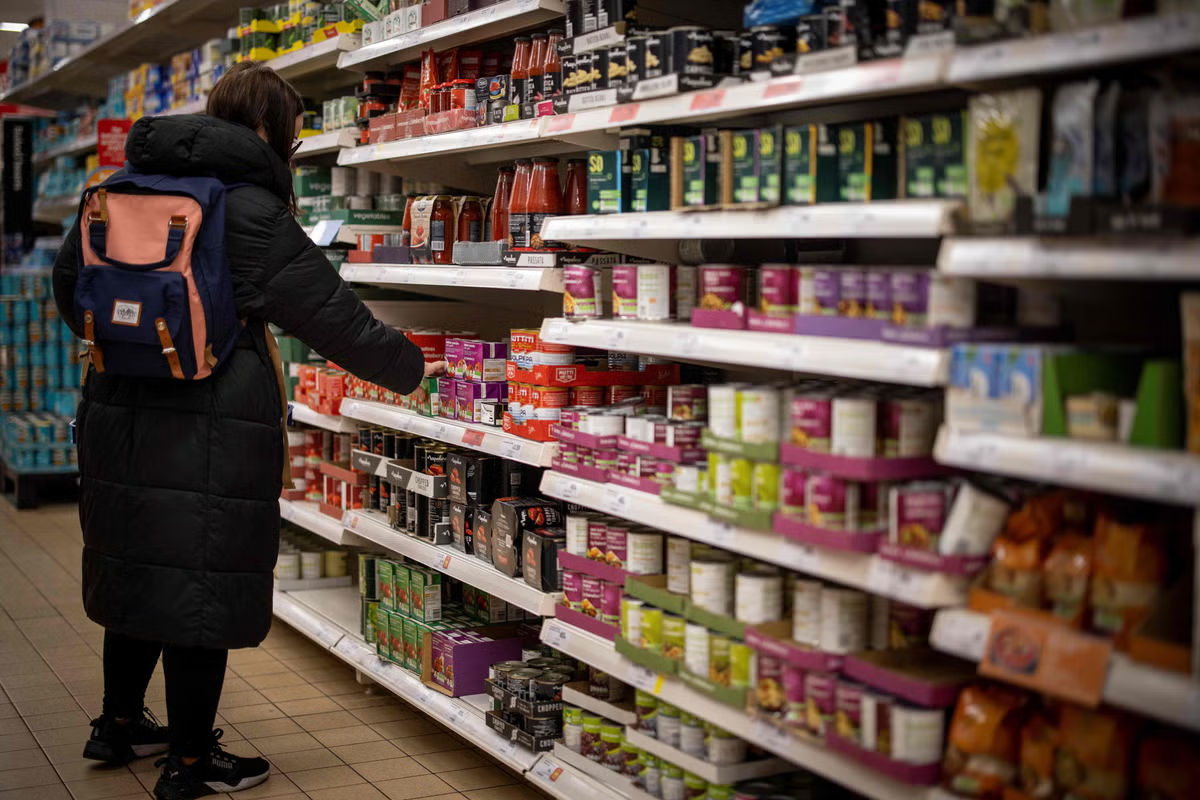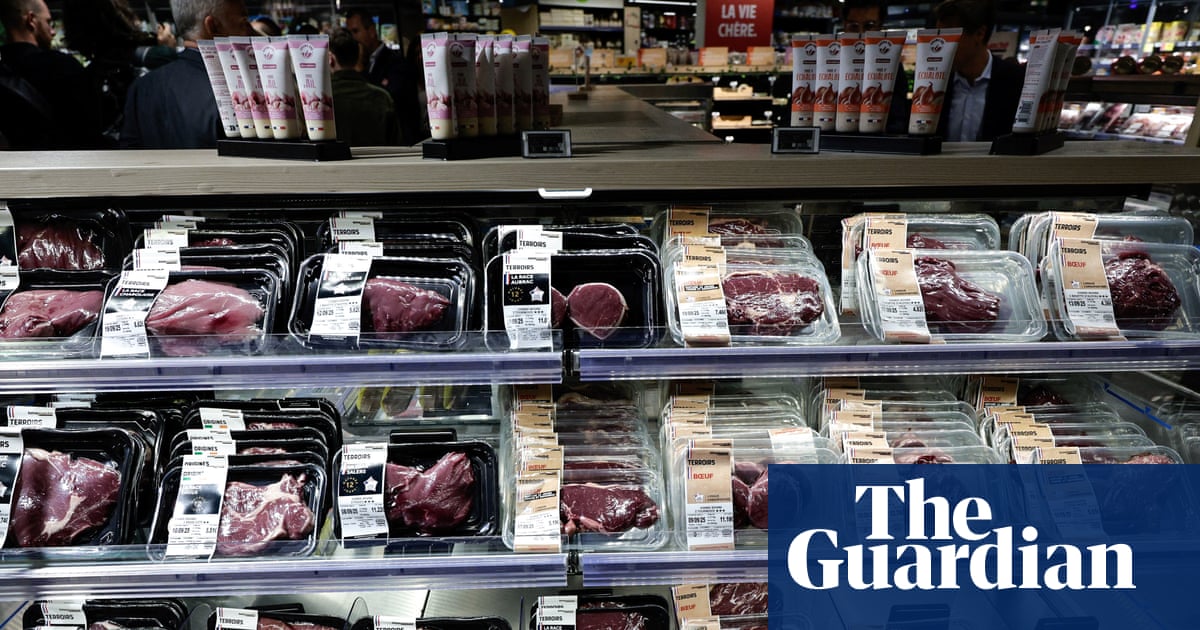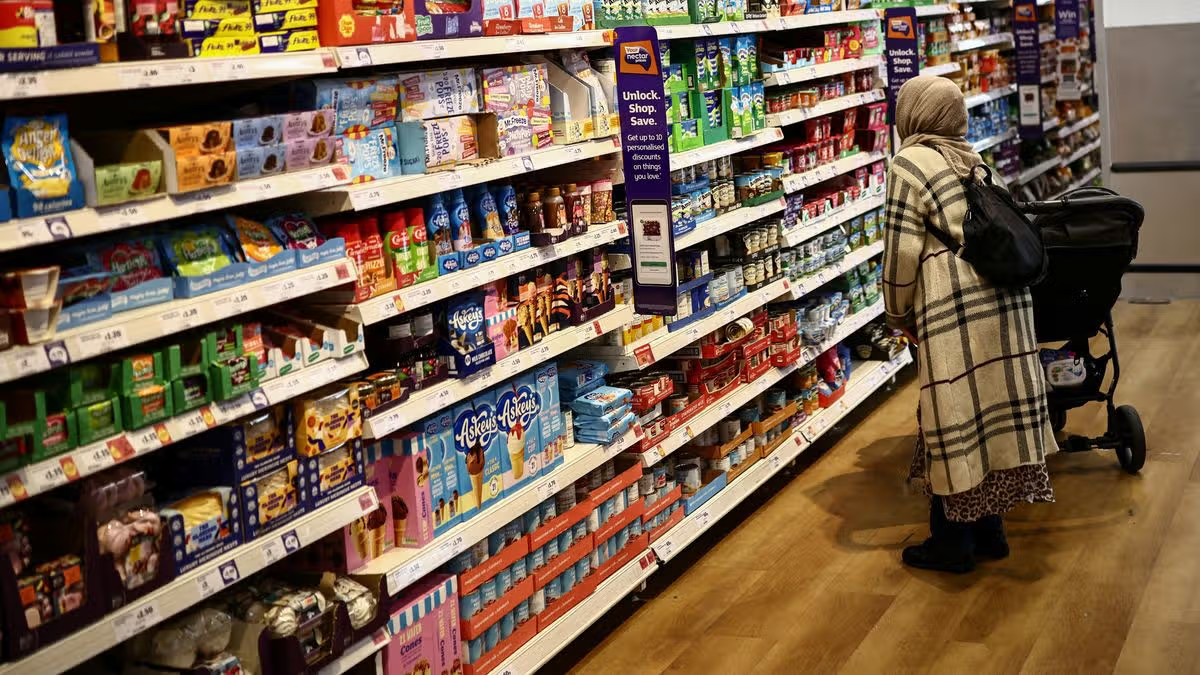
Economists say labeling supermarket food to show its environmental impact, combined with taxing the most carbon-intensive items, could slash UK greenhouse gas emissions by almost 5% while generating net gains for society.
In a study in the Journal of Environmental Economics and Management, a research team led by the University of Trento in Italy, in collaboration with the University of Exeter, explored how best to minimize the climate impacts of food while maximizing the return for society.
As food production and consumption account for one-third of global greenhouse gas emissions, the researchers believe there is huge untapped potential in this area for new climate mitigation policies and interventions.
"We designed a simulated online supermarket environment and collected data from about 5,000 UK-based respondents regarding which products they typically buy, how frequently and in what quantity," explained Dr. Michela Faccioli of the University of Trento.
The study participants were then asked whether and how they would change their typical food choices following the introduction of carbon labels—showing the carbon footprint of each product—and/or a tax on the most carbon-intensive food items.