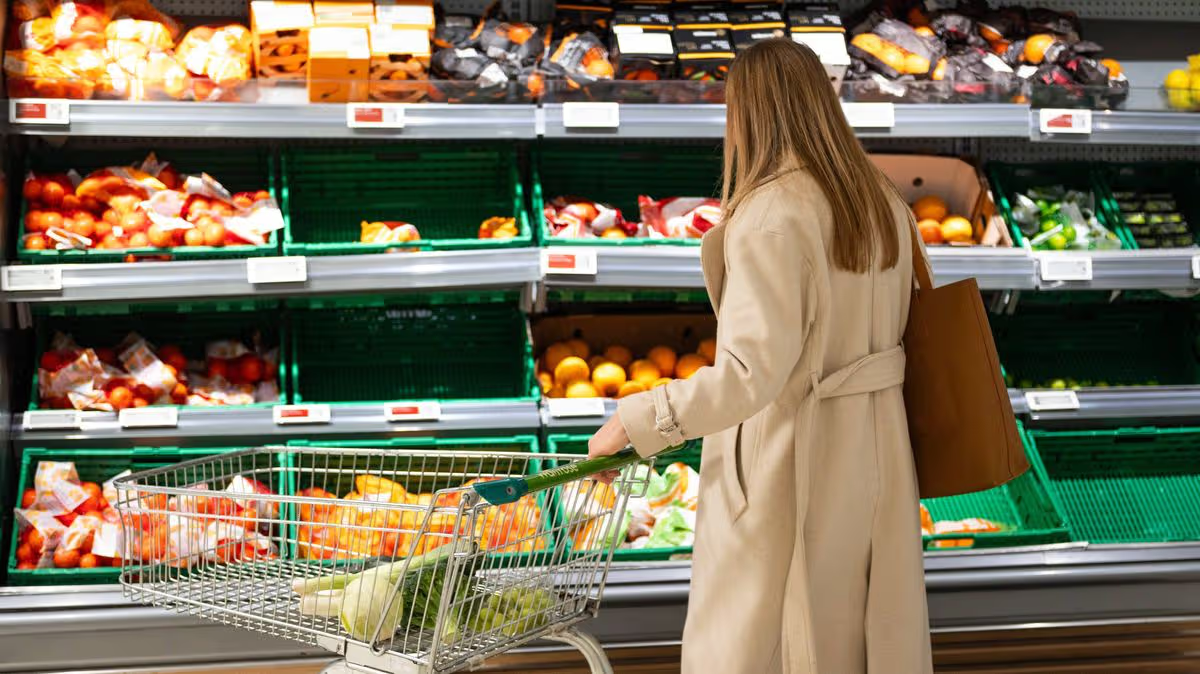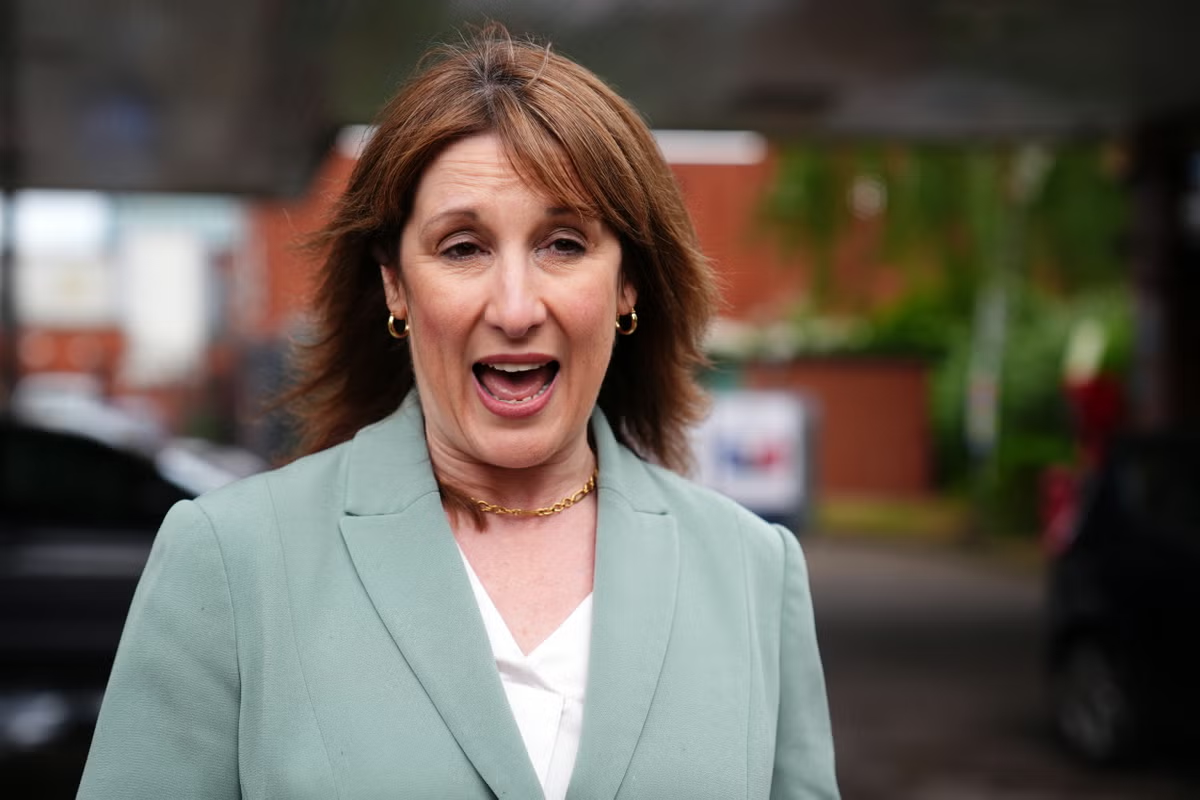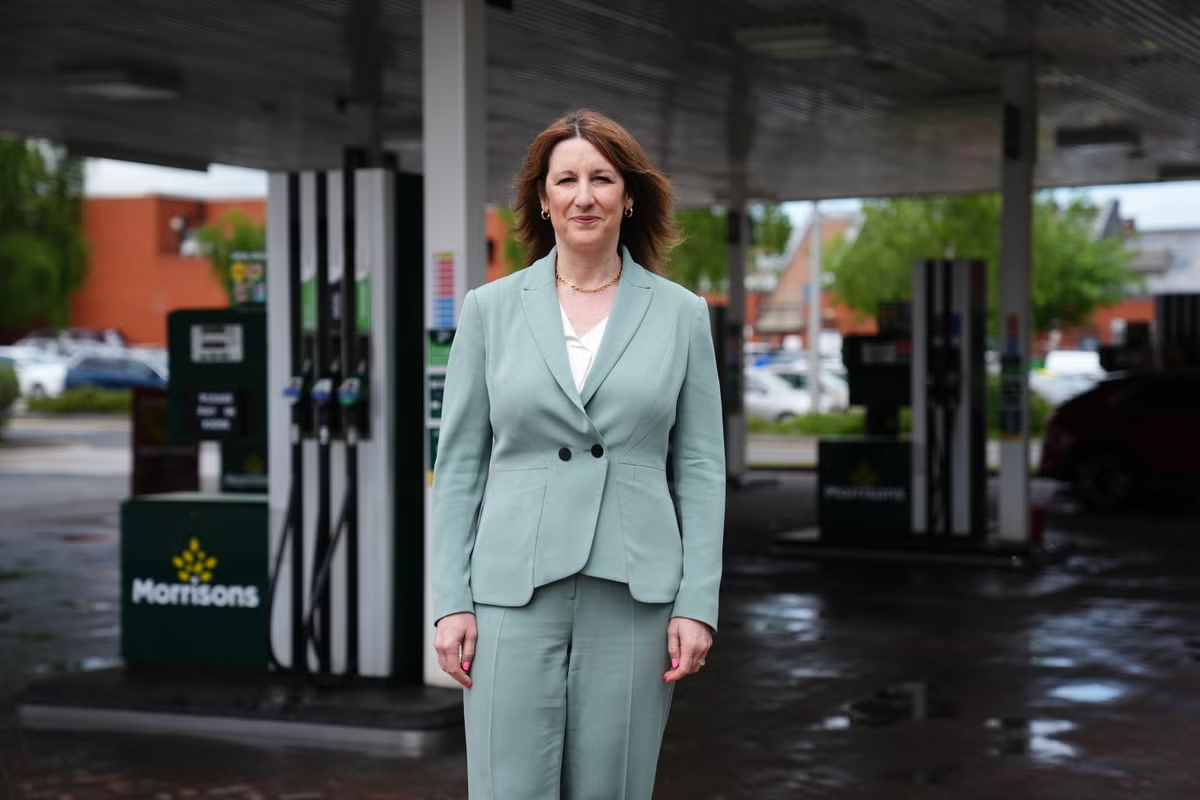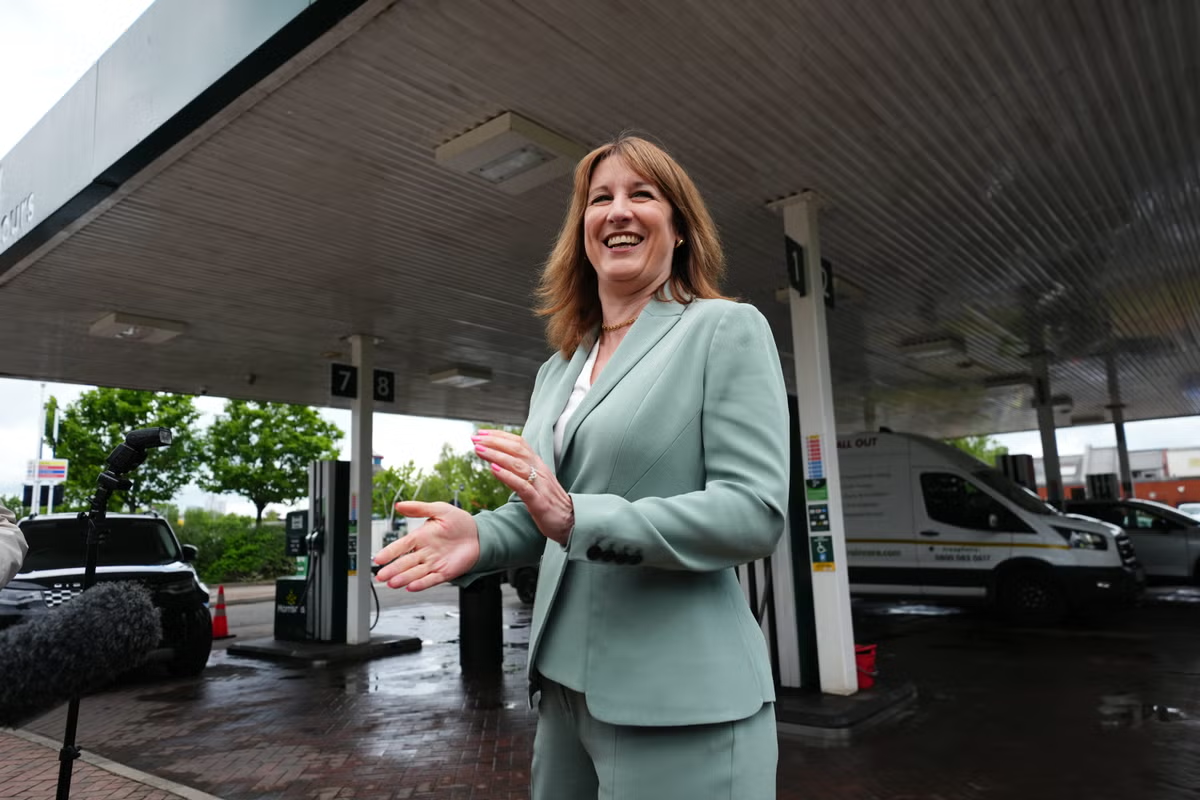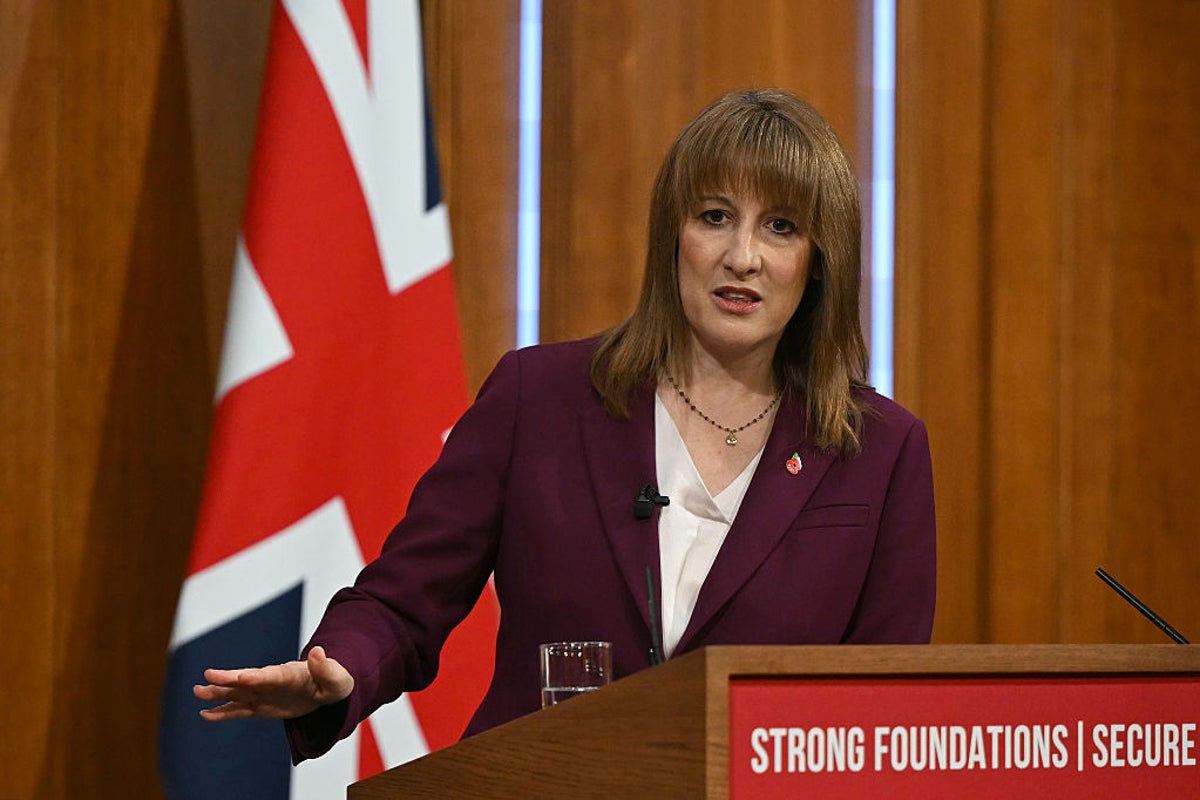
The format for calculating the tax to be paid by oil and gas companies in the UK has been rewritten to help pay for a cost of living support package announced by Chancellor Rachel Reeves on Thursday.Import tariffs have been removed from 100 food and drink items in Britain as prices continue to soar because of the Iran war.In measures intended to save shoppers £150 million ($201 million) a year, the import levy was cut from items including biscuits, chocolate, dried fruit and nuts, as well as baked beans. Ms Reeves also confirmed that there would be no rise in fuel duty in 2026 and announced a 10p per mile increase in tax-free business mileage rates backdated to April, and a 12-month road tax holiday for heavy goods vehicles (HGVs). She also said there would be a cut in VAT for attractions such as theme parks, zoos and museums over the summer.In a Commons statement, the Chancellor also confirmed that children aged between five and 15 would receive free bus travel across England during August. The Great British Summer Savings scheme is estimated to cost around £300 million, the Treasury said.Ms Reeves said the support would be paid for by taking a tougher line on energy companies. She told MPs: “Today I am bringing forward specific changes to the taxation of foreign branch profits, changing how companies are taxed in relation to their overseas activities.“Currently, some oil and gas groups that operate overseas through foreign branches have structured their tax affairs in a way which ensures they pay little or no corporation tax on their UK energy trading profits.“Today we are putting an end to that practice.“We expect these reforms to raise hundreds of millions of pounds a year and fund the package of measures set out today, with costings certified by the OBR (Office for Budget Responsibility) forecast in the usual way.”Britain's Chancellor Rachel Reeves at a petrol station near Leeds. AFPInfoA £350 million so-called critical chemicals resilience fund was also announced, aimed at supporting “strategically important” producers and sites, while a ceramics package worth £120 million will back energy efficiency, decarbonisation and long-term competitiveness.Food squeezeThe Bank of England and food experts have raised concerns that food inflation could reach 10 per cent as the fuel costs from the Strait of Hormuz blockade continue. Ms Reeves said she expected supermarkets to pass on savings from reduced tariffs to their customers “in full”.“My No 1 priority is protecting households from rising costs,” said Ms Reeves said on Thursday. “As the war in Iran pushes prices up at home, my economic plan is the right one. I will continue to make the right choices, to protect households and businesses, and build a stronger and more secure Britain.”The cost of suspending the food tariffs to the Treasury would be about £40 million, with the full list of food products exempt to be published next week. The move comes a day after the government asked supermarkets to introduce voluntary price caps on 20 items of food, a request that was rejected by food companies. However, the devolved Scottish government plans to go further and introduce mandatory price ceilings on as many as 50 food staples because of the Middle East conflict. The Chancellor has said she expects supermarkets to pass on the cut in costs caused by the removal of tariffs on food imports. Getty ImagesInfoWhile inflation fell by half a point to 2.8 per cent in April, it is expected to surge with the impact of Iran’s Strait of Hormuz actions felt more severely in fuel price increases. Conservative shadow chancellor Mel Stride suggested that “if a packet of peanuts or a chocolate bar is slightly cheaper” this would not make a big difference to households. He blamed Ms Reeves's tax rises on businesses for stoking inflation and slowing the economy. “We’ve ended up in a very weak and fragile position just as we’re going into additional pressures now because of the Middle East and an increase in oil and gas prices.”Ms Reeves is expected to wait until September before finalising any package of targeted support for households over winter, when more energy is used.
Energy giants to face higher UK taxes to pay for removal of food tariffs | The National
Government aims to reduce cost of imported food by raising levies for oil and gas companies
693 words~3 min read