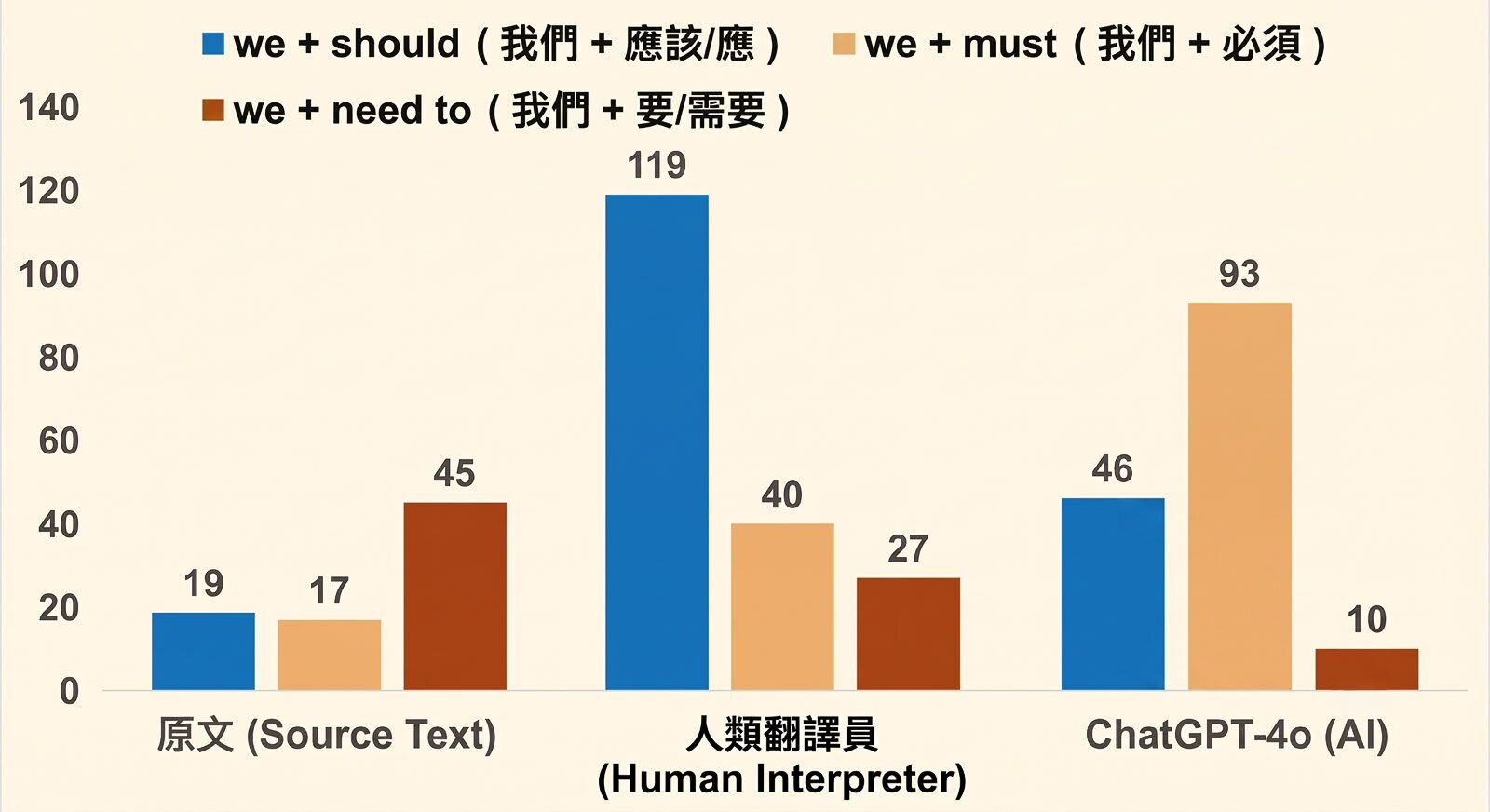
A joint study by Lingnan University analyses 16 Chinese-language speeches delivered at the United Nations General Assembly between 2008 and 2023, comparing AI-generated translations with professional conference interpreting. The researchers find that even when AI is provided with extensive contextual information and prompts, major differences remain in contextual understanding and translation strategies between AI and human interpreters. Credit: Lingnan University
As generative artificial intelligence (AI) is increasingly used in translation, questions have been raised about whether it could eventually replace professional interpreters. A joint study led by Lingnan University found that while AI can improve translation efficiency, it is still less capable than professional interpreters at adapting language to context and preserving rhetorical and communicative effects. The researchers conclude that human judgment and oversight remain essential, particularly in politically, diplomatically and culturally sensitive settings. These findings have been published in Humanities and Social Sciences Communications.
The research team from Lingnan University and the Chongqing University of Posts and Telecommunications analyzed 16 Chinese-language speeches delivered at the United Nations General Assembly (UNGA) between 2008 and 2023. They compared the official English interpretations by professional U.N. conference interpreters with AI-generated translations produced by ChatGPT-4o, examining how each handled language in different contexts.