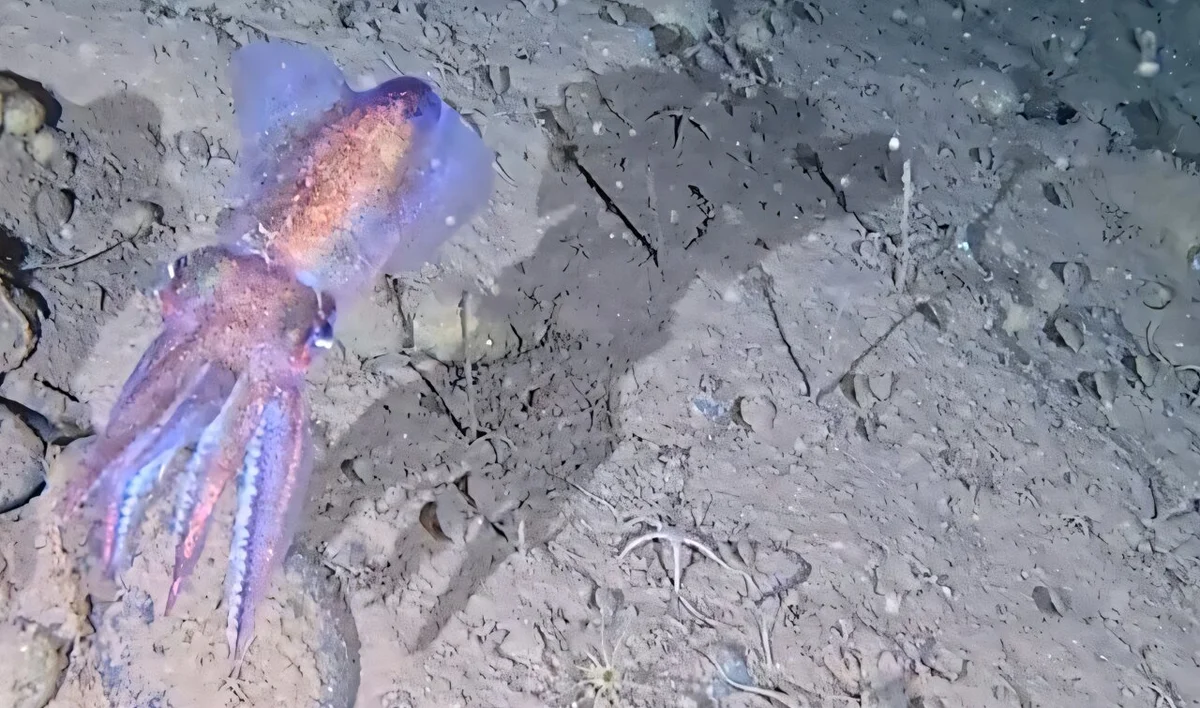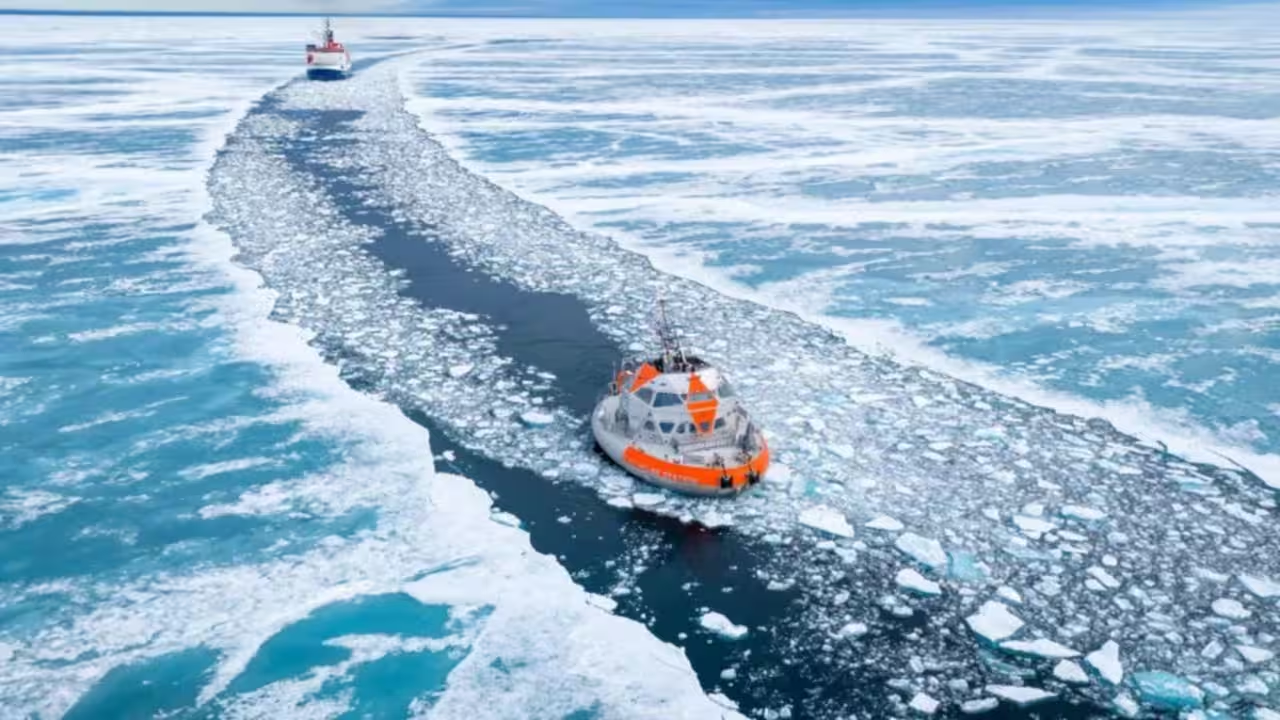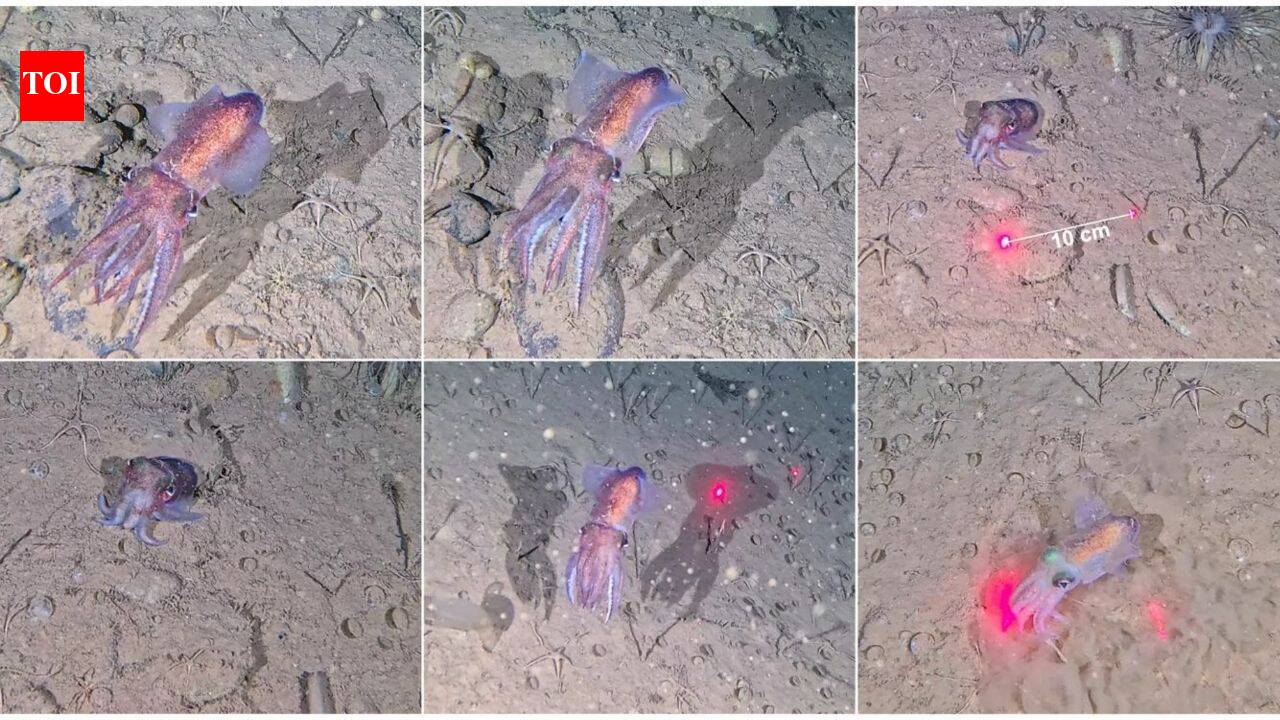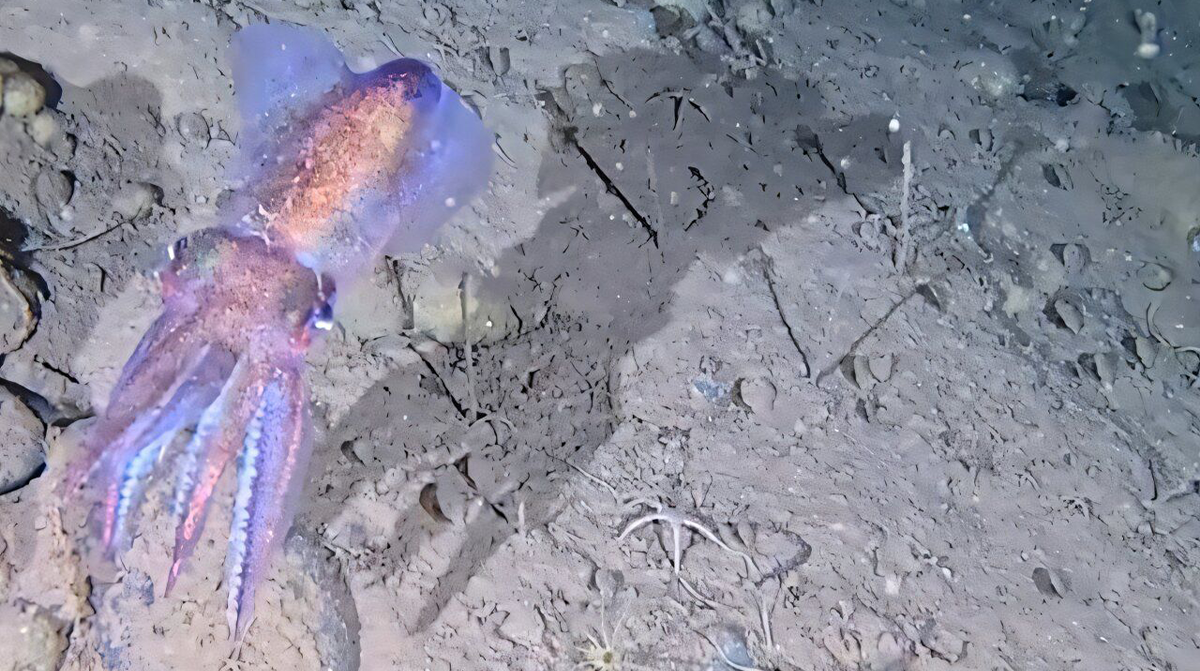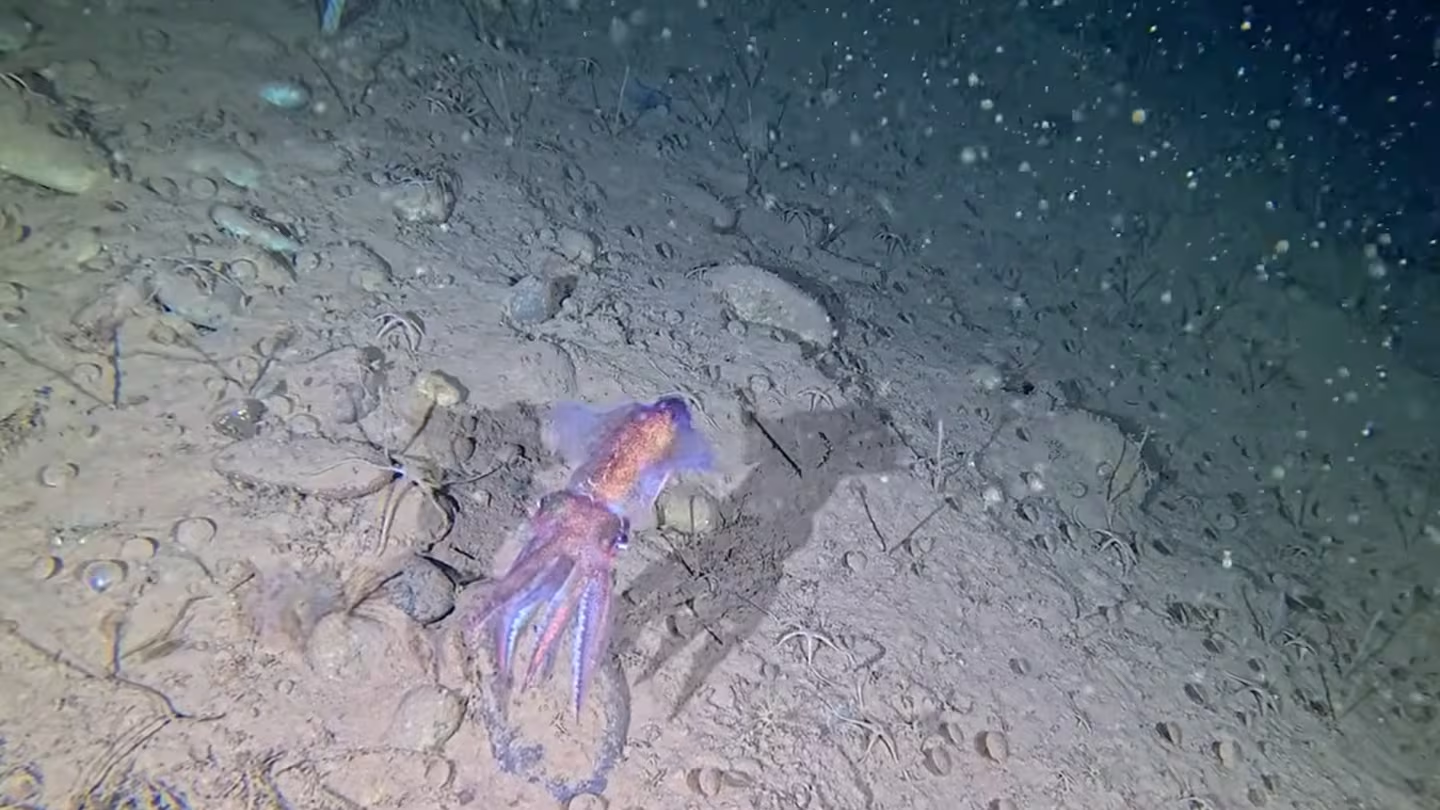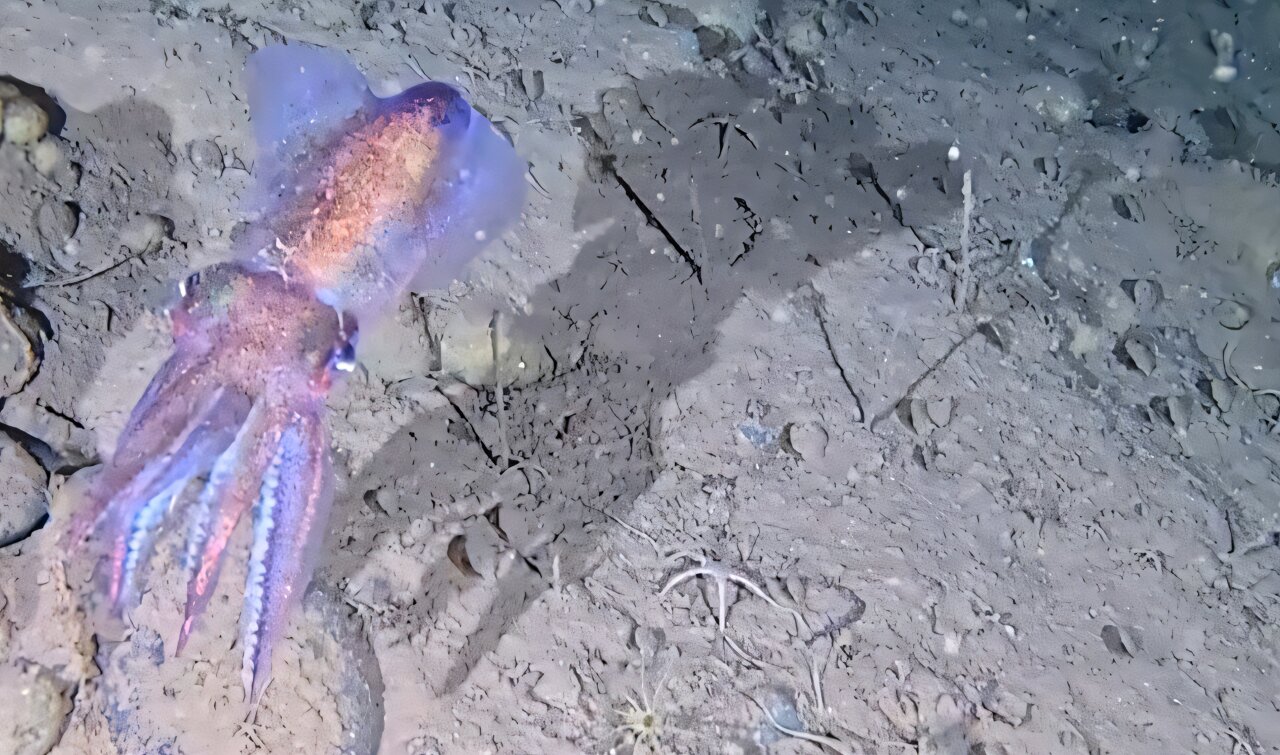
Marine biologists have observed the Arctic bobtail squid in its natural habitat in the North Atlantic Ocean for the first time, including the rare discovery of a mature female with eggs. Dr Paige Maroni, from The University of Western Australia's School of Biological Sciences, is lead author of the study published in Polar Biology, which recorded the Arctic bobtail squid, Rossia moelleri, in Northeast Greenland National Park.
"Northeast Greenland National Park is the largest national park on Earth but one of the least biologically documented marine regions in the Arctic," Maroni said.
The research team's discovery included a mature female bobtail squid and multiple egg masses, providing direct evidence of active cephalopod reproduction in the remote, subzero Arctic fjord system.
"The squid and eggs were recorded at a depth of 50 meters (164 feet) in water around −1.6°C (29°F), which highlights the resilience of marine life in one of Earth's most extreme environments," Maroni said.
Cephalopods such as squid and octopuses are sensitive to environmental change and play important roles in the ecosystem as both predators and prey.