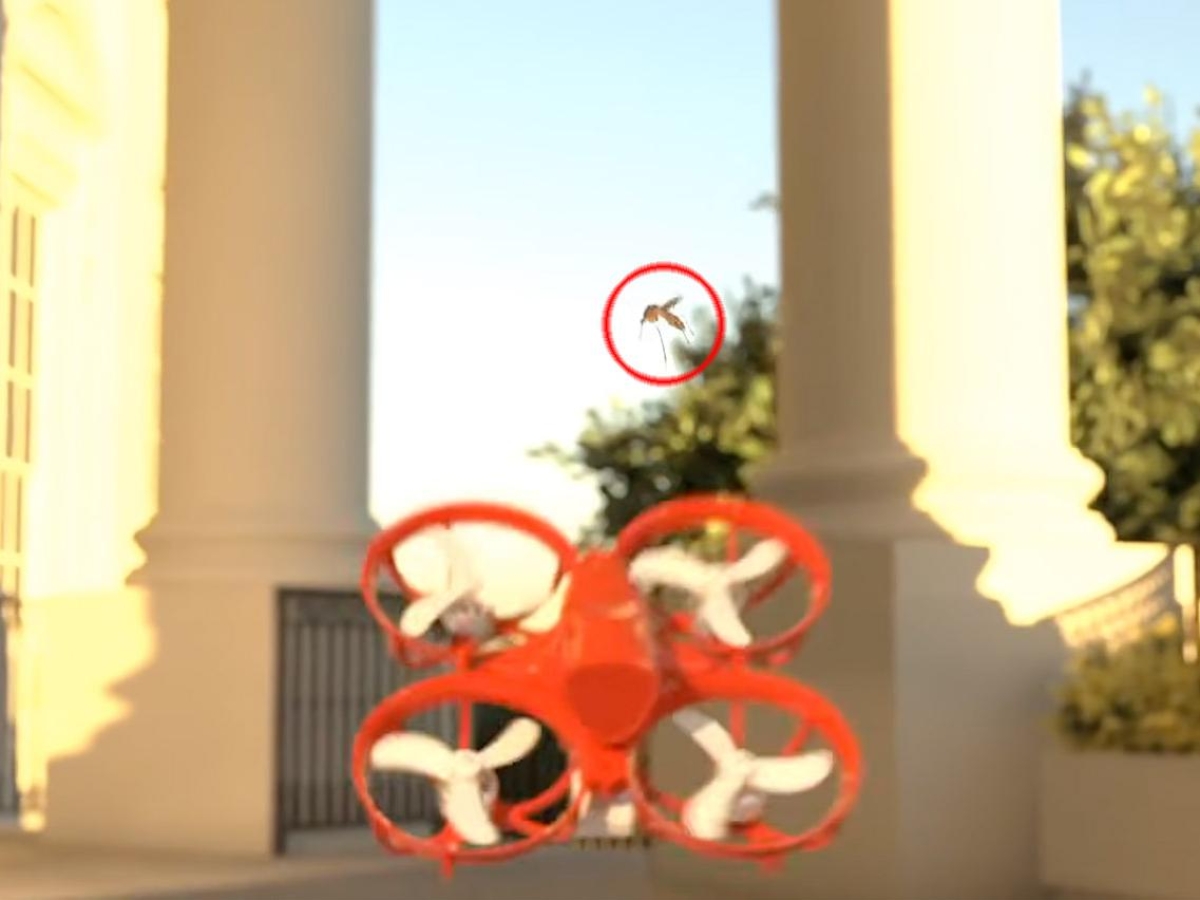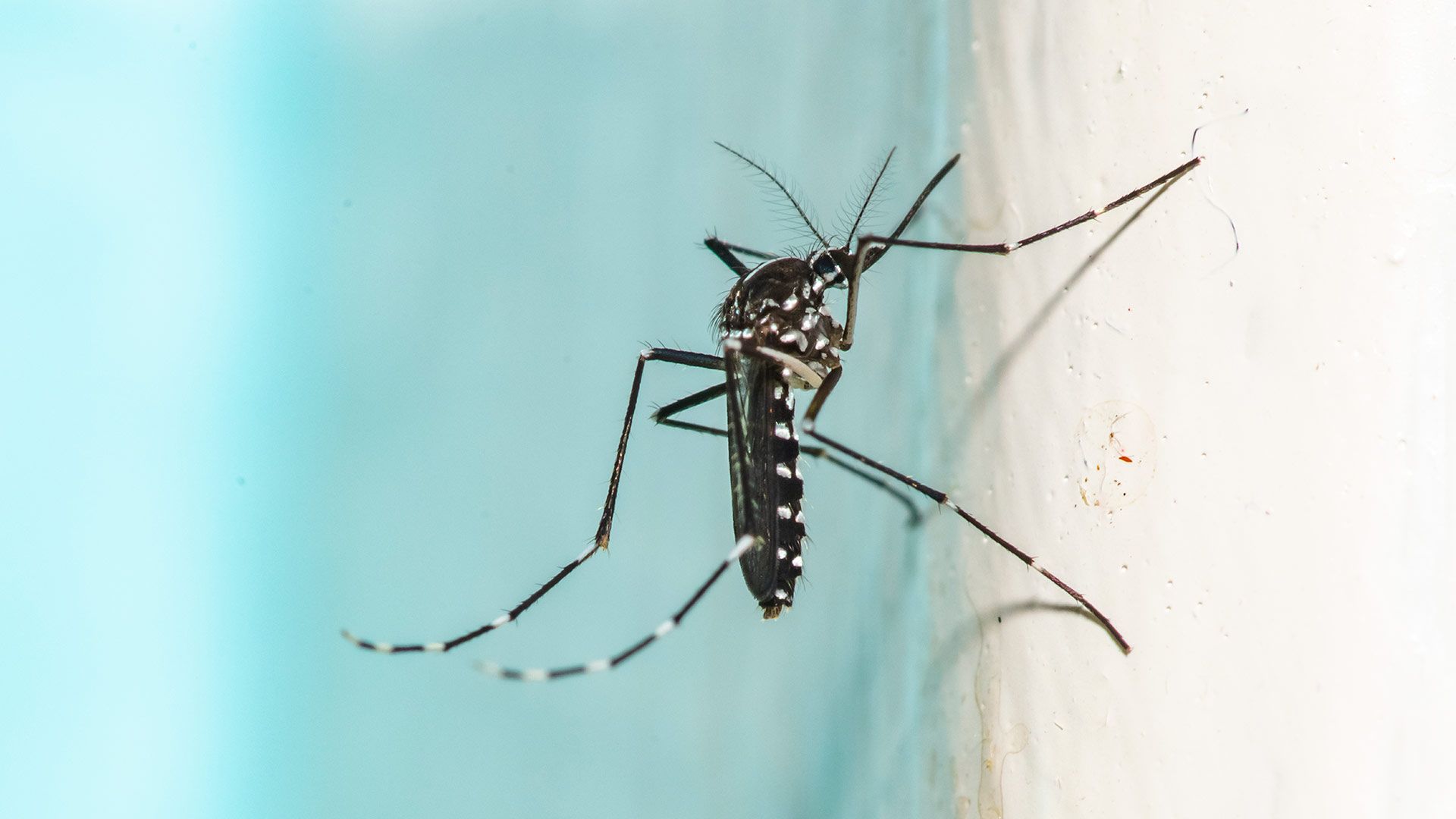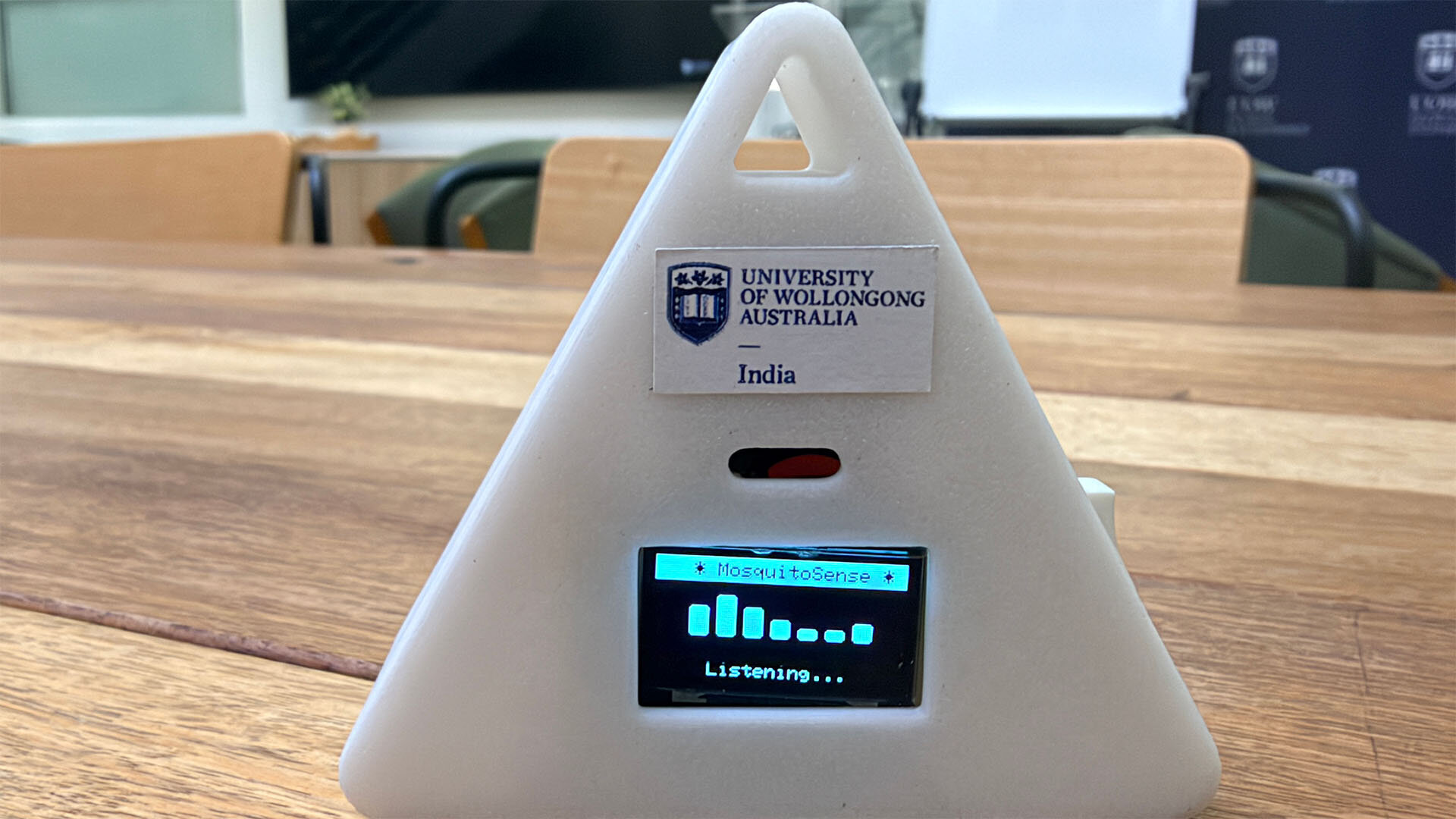
AI-powered detector listens for disease-carrying mosquitoes. Credit: University of Wollongong
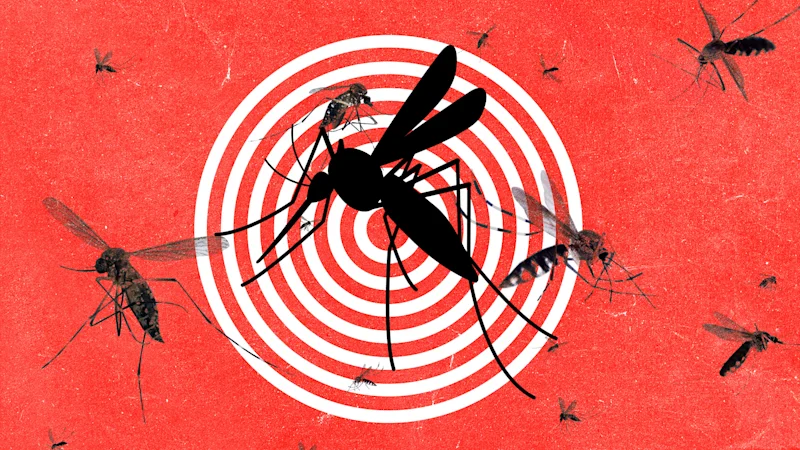
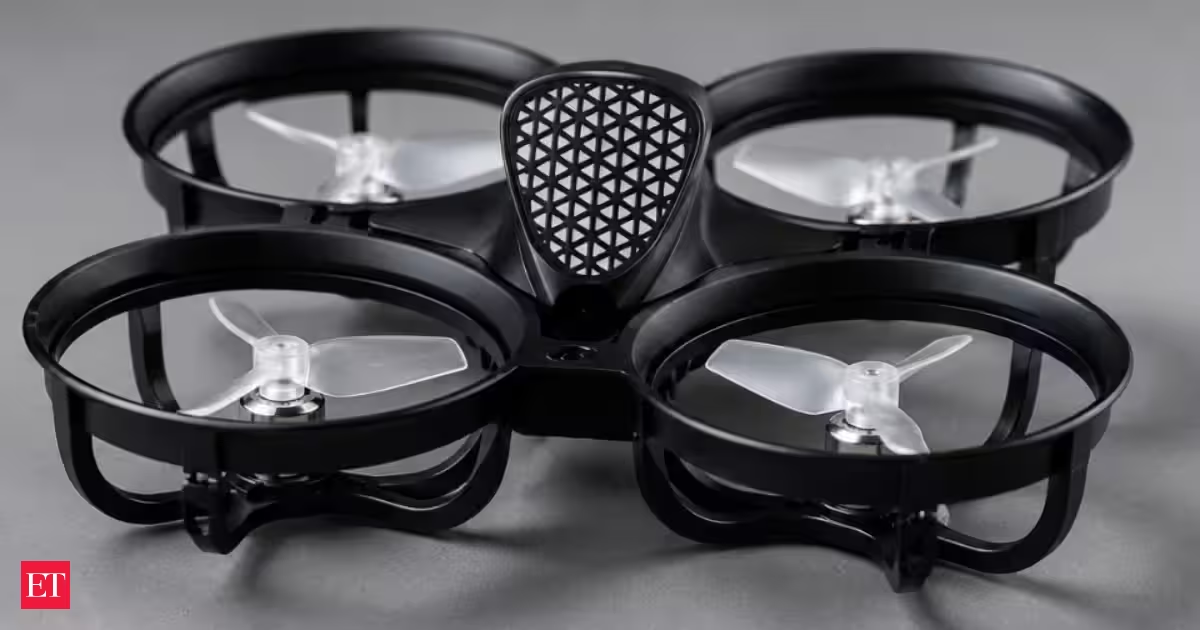
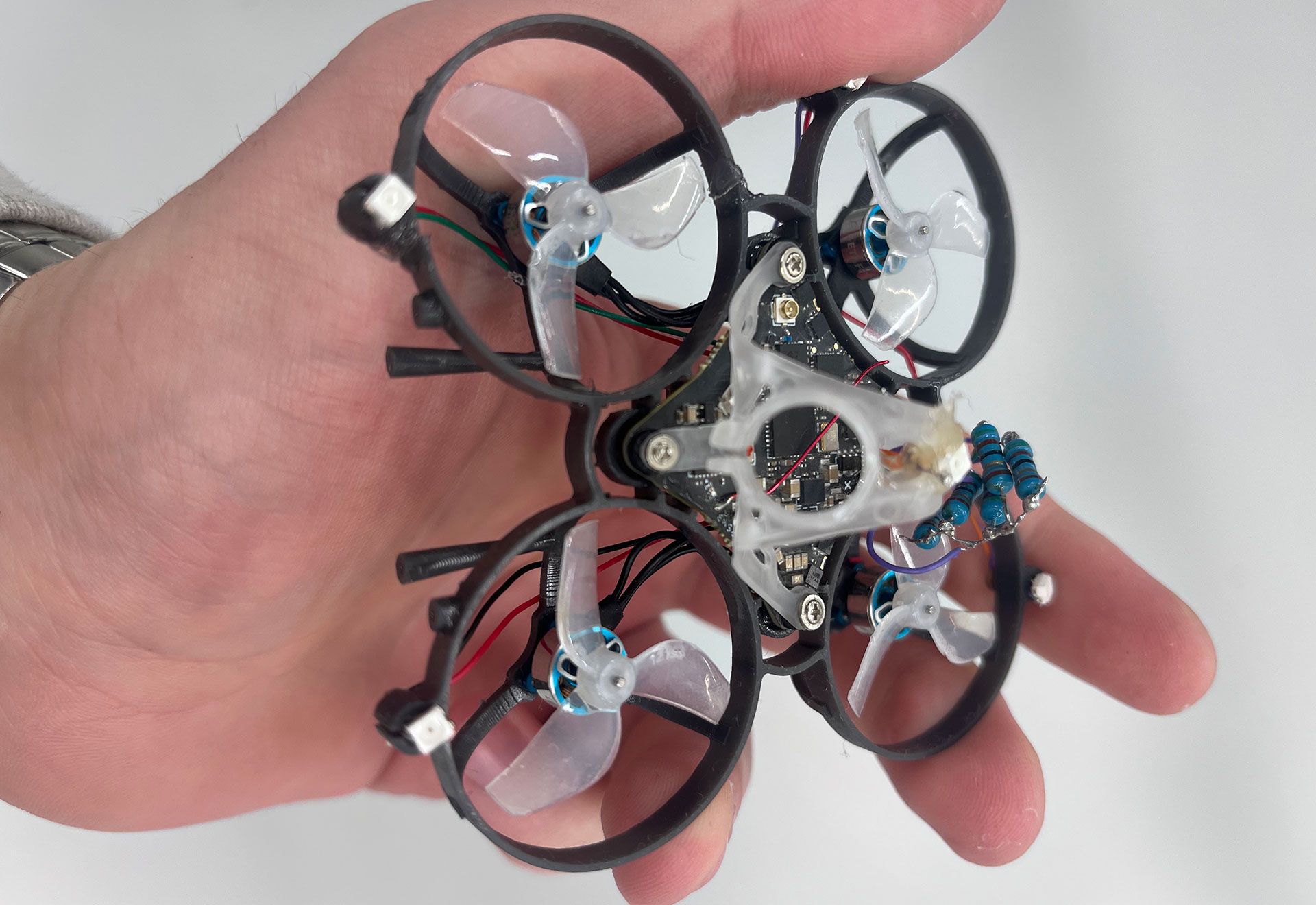
Kiran Trivedi, a University of Wollongong (UOW) academic, has developed a low-cost device that identifies disease-carrying mosquitoes by the sound of their wingbeats, offering a faster alternative to traditional surveillance methods used to track malaria and dengue.
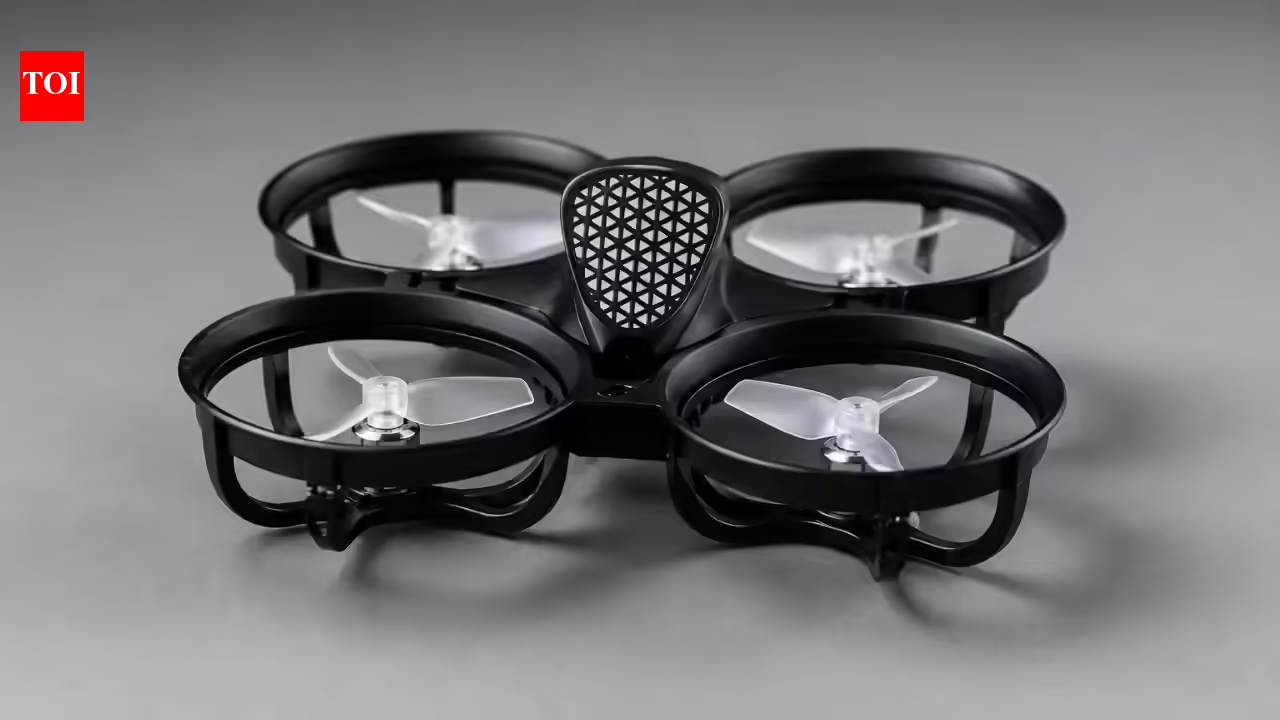
Designed by Trivedi, the portable system uses AI to identify three of the world's most significant disease-carrying mosquito species—Aedes, Anopheles and Culex—in seconds, with no internet connection required. The device is built on Tiny Machine Learning, or TinyML, a fast-growing field that lets AI models run directly on small, low-power chips rather than relying on powerful computers or the cloud.
Trivedi was recently invited to demonstrate the device at the United Nations AI for Good Global Summit in Geneva this month.
The World Health Organization ranks the mosquito as the world's deadliest animal, responsible each year for hundreds of thousands of deaths. The heaviest toll falls on developing nations and remote communities, many of which lack the laboratory resources needed for current surveillance methods.