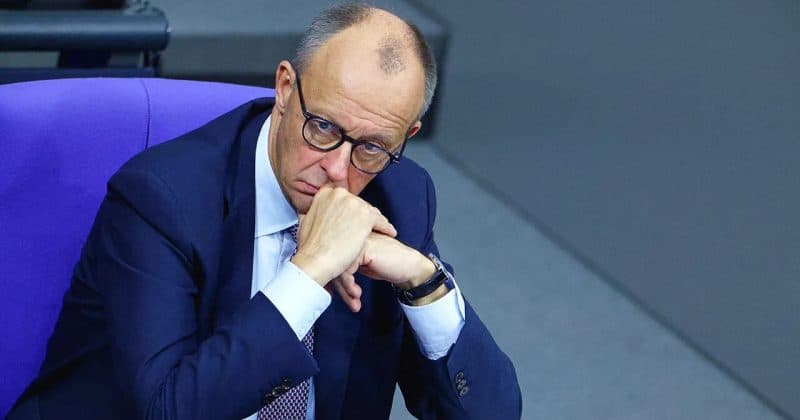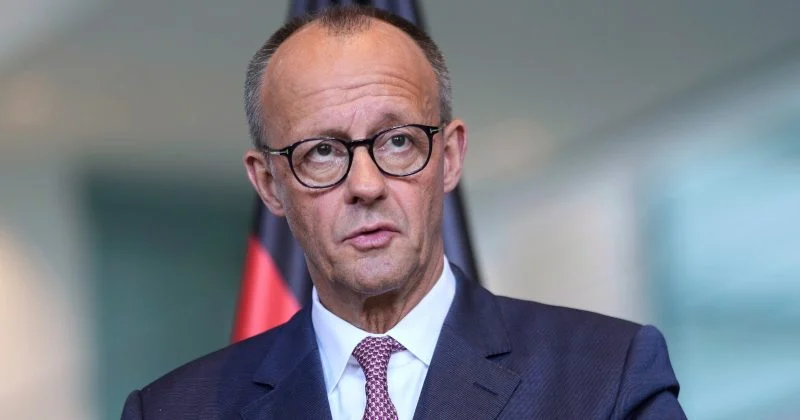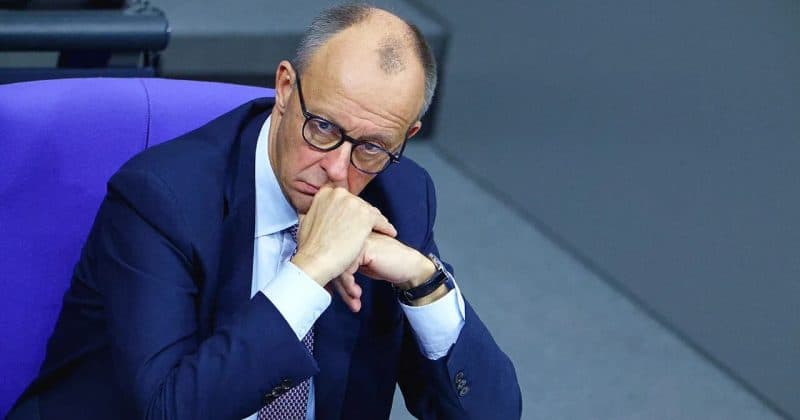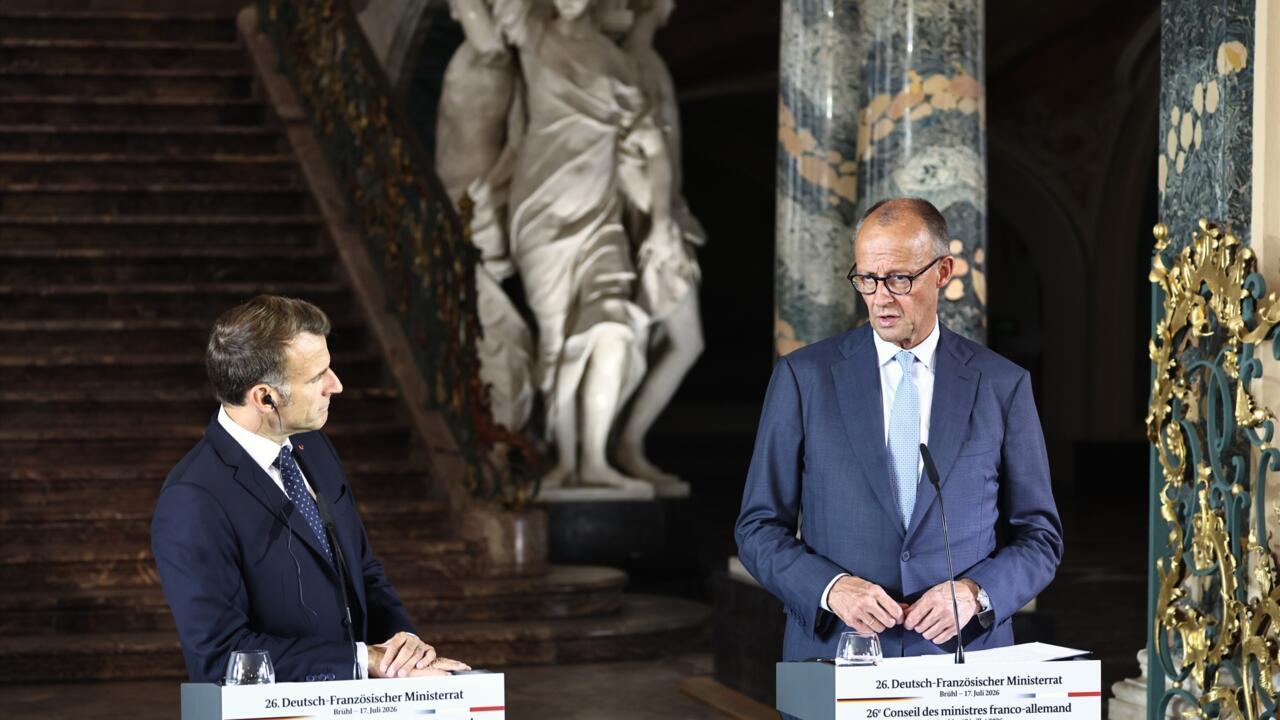
At a speech in Cologne last Monday, German Chancellor Friedrich Merz expressed his concerns about the undervaluation of China’s renminbi. Merz argued that the European Union (EU) could never win against a competitor that artificially manipulates its currency and urged China to “allow its own currency to float freely, including in the context of competition in the capital markets.” This isn’t the first time that Merz has raised the issue of China’s currency policies, but his remarks are striking because they mark a departure from Berlin’s unwillingness to publicly challenge Beijing on its trade behavior.
Germany is the latest major EU member state to question the bloc’s massive trade imbalance with China. On June 19—following pressure from Germany, France, Italy, and the Netherlands—the European Council called on the Commission to address “global macroeconomic imbalances” and consider policy responses to China’s export glut. Since the beginning of June, the EU has initiated nine additional anti-dumping investigations into products imported from China.
Apparently, China’s flood of redirected exports has finally tipped the political balance in Germany, pushing Berlin toward closer coordination with Brussels. After running a trade surplus with China for years, Germany is now experiencing the persistent trade deficits that much of the rest of Western Europe has faced since China’s rise as the world’s factory. But the EU will need to proceed strategically. After all, Beijing could use its expanding economic statecraft toolkit to complicate investigations, delay enforcement, and undermine the evidence needed to justify anti-dumping and anti-subsidy duties.