Monday 20 July 2026 5:45 pm
Wealthy Brits are bracing for tax shakeups
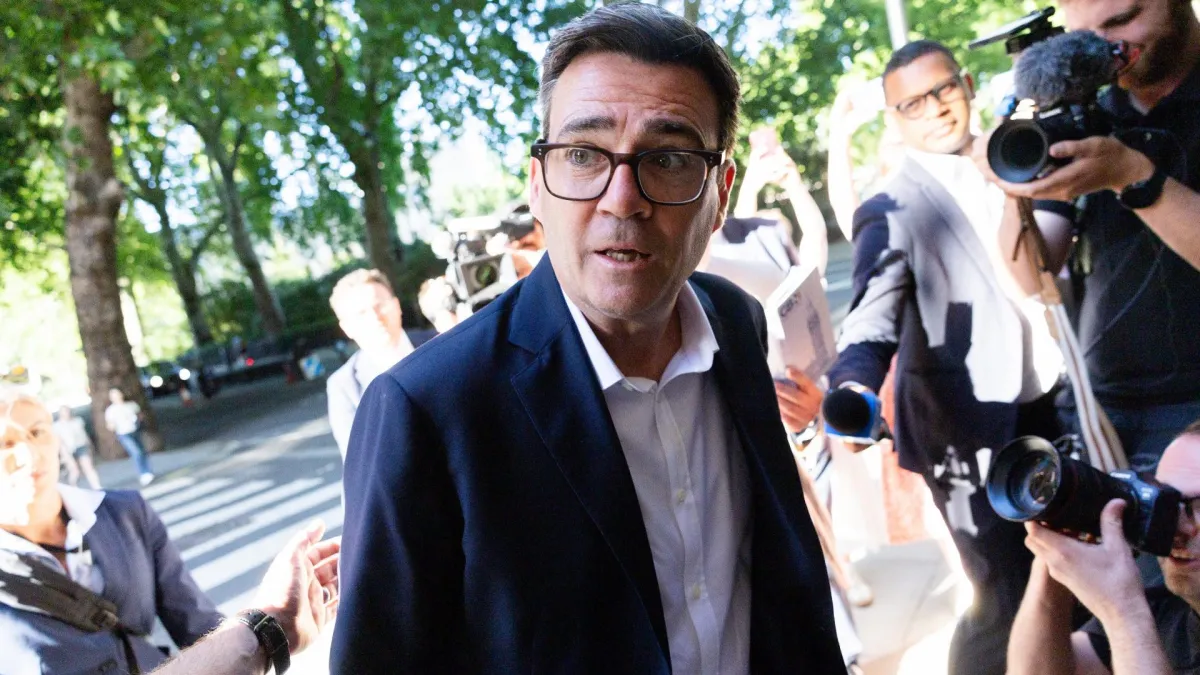
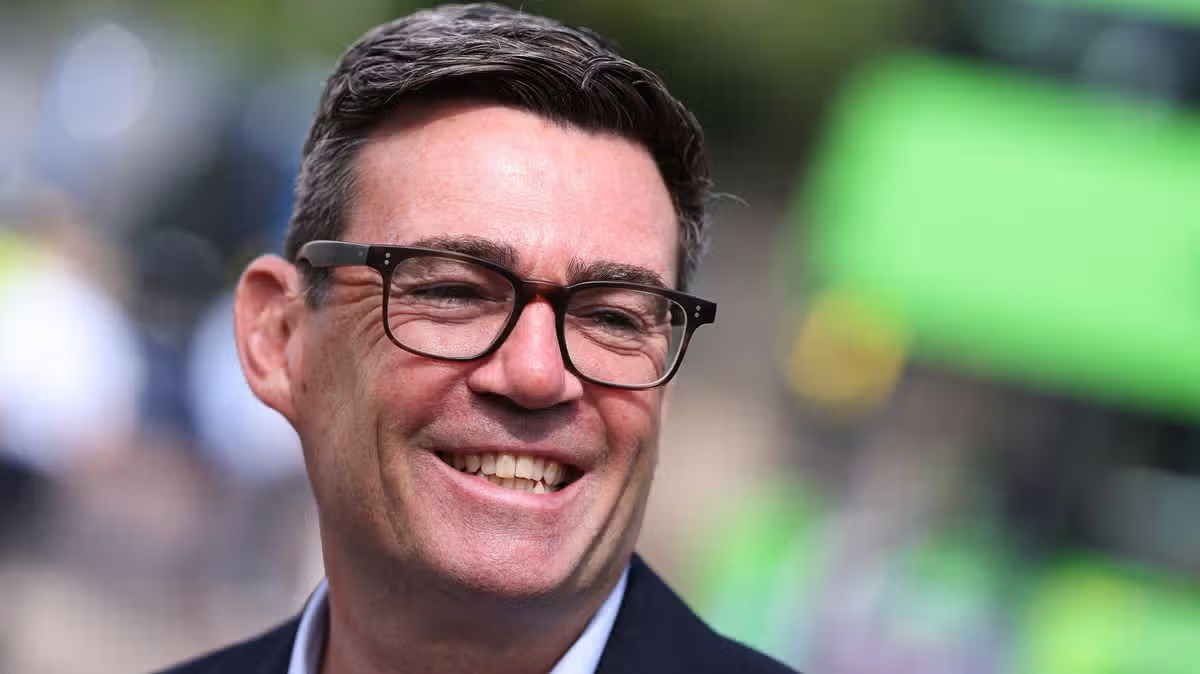
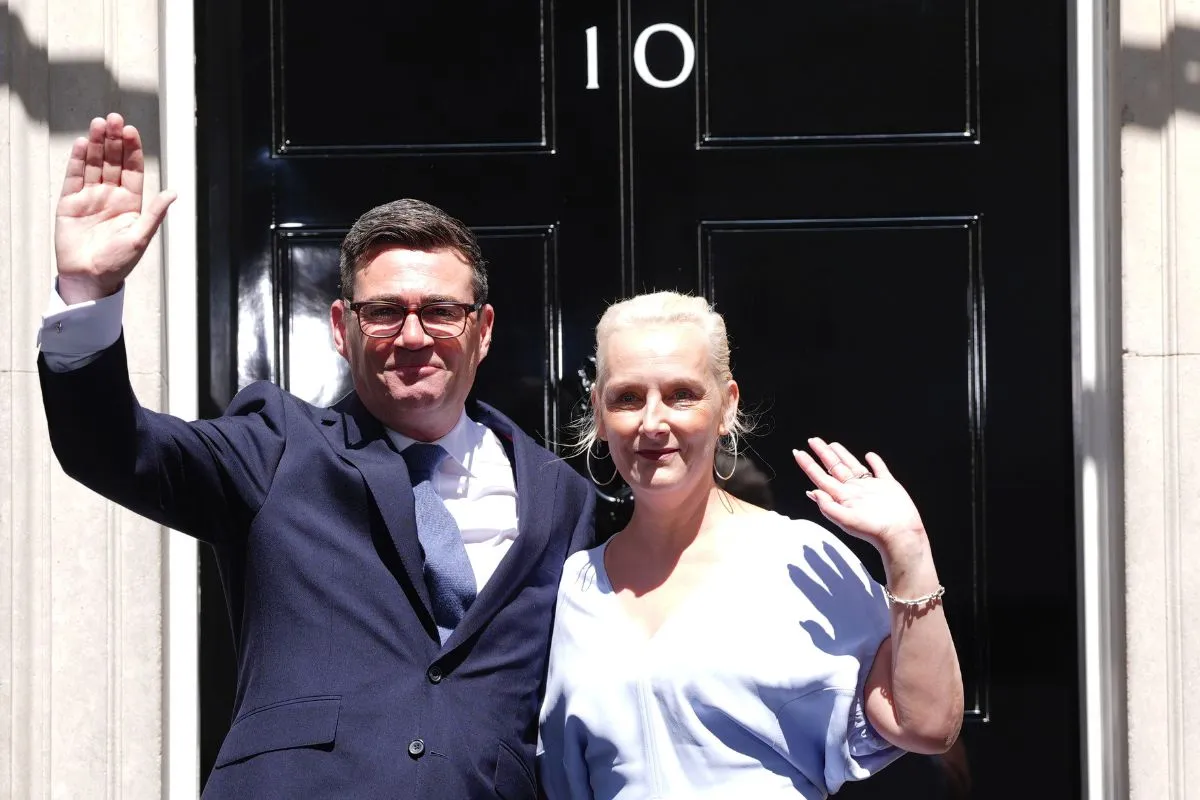
Wealthy Brits are bracing for a major shake-up of the tax system, as the UK’s new prime minister looks for ways to fund fresh spending commitments.Prior to taking office, Andy Burnham had already hinted at plans over how the country should be taxed. The Makerfield MP has so far refused to rule out a wealth tax and indicated reforms to both stamp duty and CGT as well as changes to income tax thresholds.While these changes could assist lower rate taxpayers, wealthier Brits could be expected to shoulder a greater tax bill to pay for Burnham’s Britain, which could trigger a further wealth exodus.Susannah Streeter, chief investment strategist at Wealth Club, said the “spotlight [was]…firmly on wealth” under a Burnham administration, leaving the “radar flashing red for potential changes”.Despite pledging not to raise income tax, VAT or employee national insurance, Burnham has considered addressing the issue of the freeze on the personal allowance.He previously said he would raise the threshold at which Brits start paying income tax from £12,570, after admitting it was a problem he heard “on so many doorsteps” when campaigning during the Makerfield by-election.Hitting the HENRYsBurnham could uprate the personal allowance and leave both the higher and additional rate thresholds where they are, a move that is likely to be met with criticism from industry figures as more middle-class Brits find themselves dragged into higher tax bands.In particular those who are classified as high earners, not rich yet (HENRYs) who are forced to balance multiple costs that prevent them from growing their wealth. Jay Lawrence, investment director at Rathbones, said: “The UK has a highly progressive income tax system that relies heavily on a relatively small group of higher earners. “At the same time, inflation and frozen tax thresholds have steadily chipped away at the real-world value of a six-figure salary. Many people are finding themselves pushed into higher tax bands without experiencing a corresponding improvement in their standard of living.“This is particularly true for HENRYs… On paper, they may appear affluent, but many are balancing large mortgages, childcare costs, pension contributions and other financial commitments.”Tom Archer, tax and planning expert at Quilter urged Burnham to thaw the rest of the thresholds, and that a failure to do so would cause “relief to be relatively shortlived”.He said: “It is vital that any changes to income tax are accompanied by a credible and affordable plan to ensure they support, rather than undermine, long-term economic stability. While policy change is inevitable with the arrival of a new prime minister, speculation around tax changes can be deeply damaging.”A case for wealth taxBurnham may also be tempted to hike the top rate of income tax from 45 per cent to 50 per cent in his efforts to tackle the cost of living and find capital to fund defence spending.The 45 per cent additional tax rate is charged on any income above £125,140 a year, but Burnham has said there is “definitely a case” for hiking the figure.The 50p rate was previously introduced by Gordon Brown in 2010 while Burnham was serving as chief secretary to the Treasury, in signs he previously backed the move. It was later cut back to 45p under David Cameron.But economists have warned this could raise very little for the Treasury and anger high earners, triggering yet another wealth exodus, similar to that following the abolition of the non-dom tax regime by Rachel Reeves.Wealth manager Rathbones said clients were growing “concerned that they could bear a growing share of the tax burden” causing many to consider “relocation to more tax-efficient jurisdictions. Archer urged Burnham to communicate tax reform in the Autumn Budget “rather than through floating it through a series of leaks” in order to provide clarity to tax payers across the UK.He said: “Setting out a clear roadmap provides households, investors and businesses with the confidence they need to make informed decisions. Equally, once those plans are established, there should be a degree of consistency rather than an ongoing cycle of speculation about alternative options.“Continually testing the waters on potential tax changes risks creating uncertainty, distorting behaviour and ultimately leading to poorer outcomes for consumers.”The Burnham burdenBurnham’s grand plans to take utilities out of private hands could also leave higher rate taxpayers hamstrung with a bigger tax burden.Burnham has pledged to nationalise heavily indebted utility Thames Water, bringing it back under public ownership for the first time since it was privatised under the Water Act in 1989 by Margaret Thatcher’s government.The government will also inherit the debt and huge maintenance bills facing the utility, increasing the burden on taxpayers to cover infrastructure upgrade costs..Chris Beauchamp, chief market analyst at IG, said: “It is the tax picture that has longer-term ramifications. “How the government finds the monies without squeezing the already squeezed middle further is a very difficult question to ask, and wealth taxes only accelerate the flight of the mobile high net worth taxpayers that we have seen since 2024.“It took years for the FTSE to be seen as a viable destination for international capital after Brexit, to repeat this mistake would mean hobbling his policies before they even start.”