Wednesday 10 June 2026 5:58 am
| Updated:
Tuesday 09 June 2026 6:06 pm
Andy Burnham wants to nationalise what he doesn't subsidise
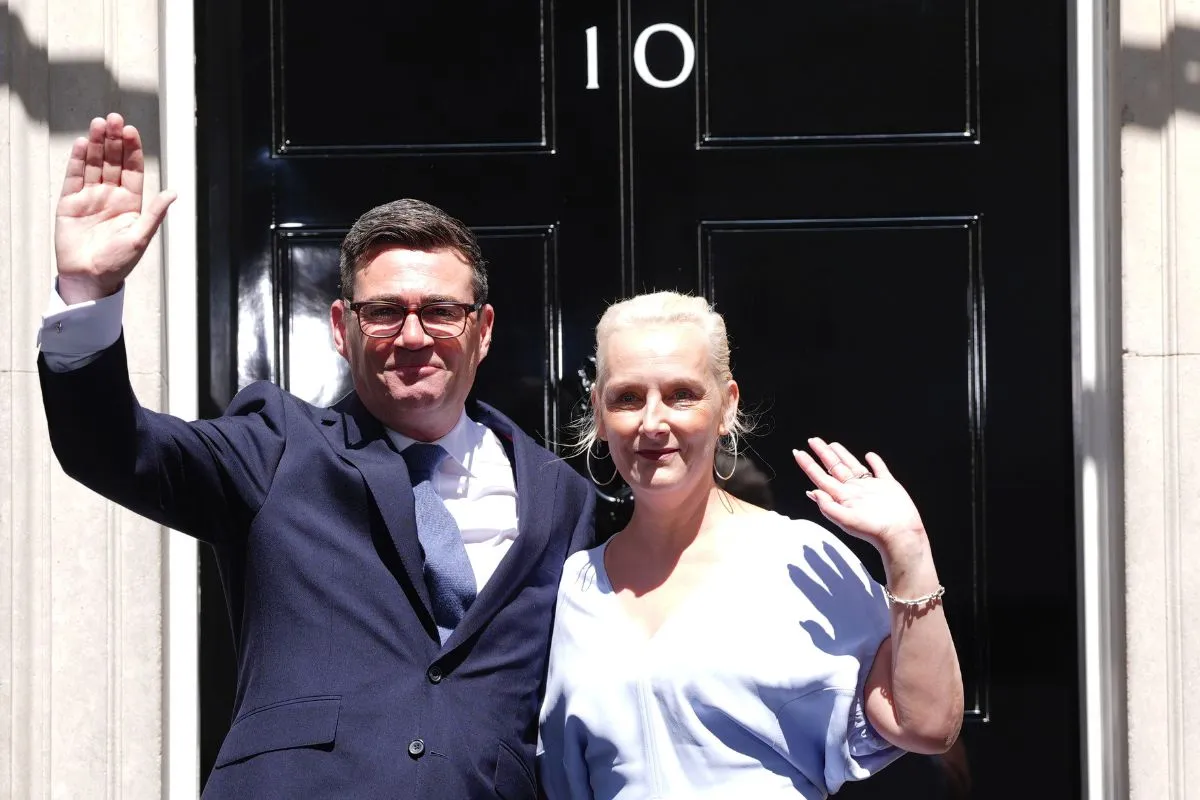
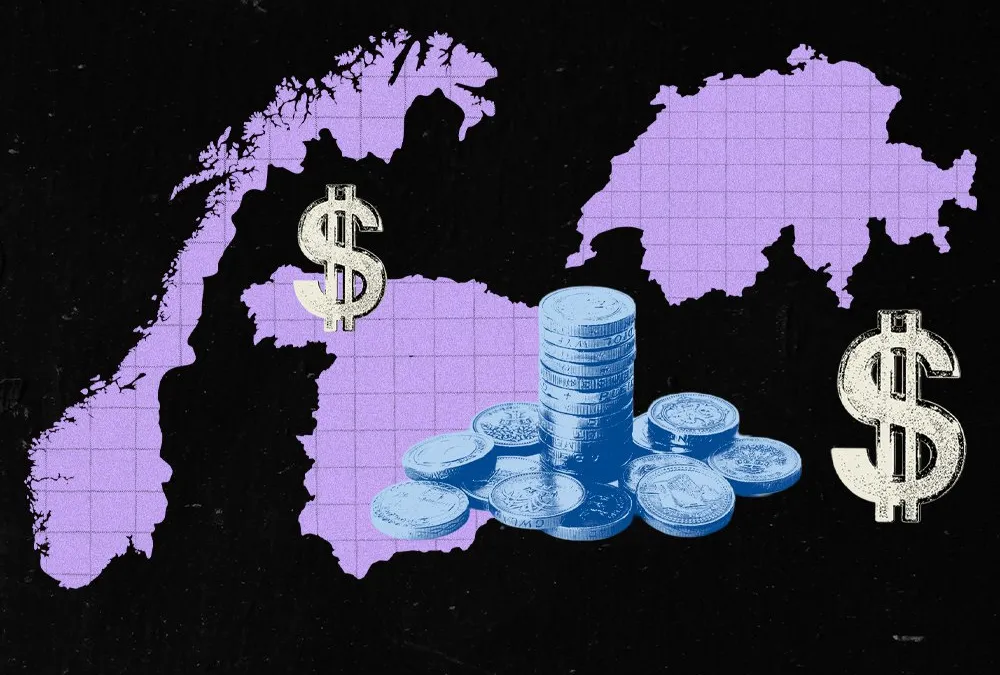
Wealth taxes are climbing back up the political agenda as the Labour party begins the process of reinventing itself for a post-Starmer era. Wes Streeting thinks he’s found “a wealth tax that works” by hiking capital gains tax while Andy Burnham is flirting with a land value tax that would naturally hit wealthy areas the hardest. If Angela Rayner comes in from the cold she’ll likely dust off her old memo that argued for hiking taxes on banks, dividends, pensions and property. These ideas will doubtless prove attractive to Burnham given his expensive commitment to nationalising what he doesn’t subsidise. Furthermore, any successor to Starmer will inherit an economy on life support, devoid of growth. The pressure for further welfare spending and state support will be immense. But as the would-be PMs prepare the ground (and the electorate) for a shift to the left, it must be noted that the current Labour government hasn’t exactly been shy about taxing wealth. Rachel Reeves has hiked taxes on private jets, private education and expensive homes. She also abolished the non-dom regime, but not content with this combination of performative and damaging measures targeting the wealthiest she also turned her fire on middle-earners, with frozen thresholds dragging more and more people into higher rates of tax. In short, we are taxed to the max. The situation is explosiveWith the low-hanging fruit all gone, it seems increasingly likely that an emboldened (or desperate) new government will look once again to wealth taxes. They will be attracted by the political rationale of left-wing populism and beguiled by the economic argument of forcing “the broadest shoulders” to pay just a little bit more. Never mind that the overall burden is at a record high or that the highest earners already contribute a hugely disproportionate amount. We don’t know who will pose on Downing Street, holding up the red box, ahead of the next Budget (it could be Reeves, again, or it might be Ed Miliband, God help us) but we can be confident that whoever occupies the Treasury won’t be motivated by a sincere desire to reduce the tax burden any more than they’ll be interested in cutting public spending. They will not be able to square the circle. The economy is stagnant. Inflation is climbing. Unemployment is rising. Demands on the public purse are growing. Politically – and economically – the situation is explosive.