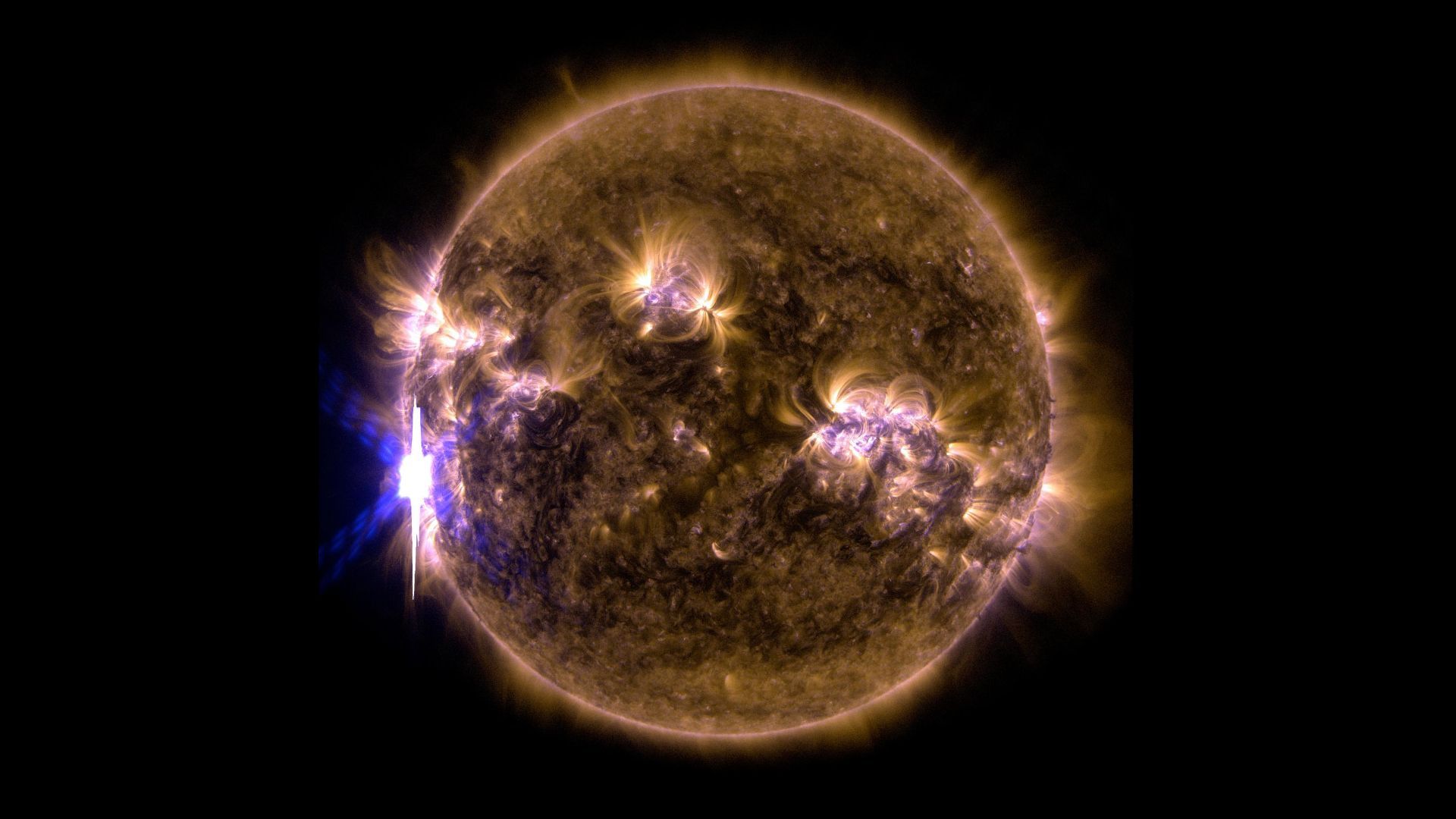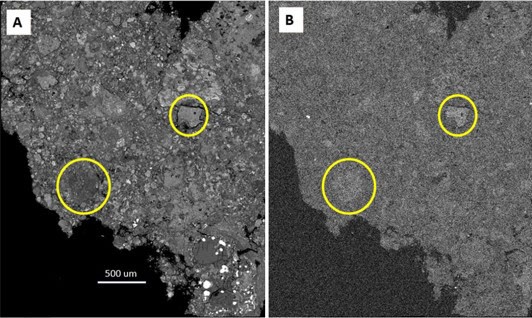
Theoretically, the Sun shares its chemical origins with meteorites that are billions of years old. But for decades, astronomers wondered why our star appeared to contain significantly less silver than those ancient space rocks. The answer may be that we just weren’t looking closely enough. In a recent Astronomy & Astrophysics paper, researchers explain that more realistic modeling of the Sun’s atmosphere shows that it actually contains about 55% more silver than previous estimates. This value is much more aligned with the chemical history of the earliest meteorites and advances our understanding of how heavier elements like silver are produced and processed in the stellar cycle. Fascinatingly, the findings are a result of more refined, not necessarily novel, measurements of the solar environment. “The new knowledge about the Sun’s composition is important for the understanding of other stars, planets, and cosmic material, because the Sun is one of astronomy’s key reference points,” Sema Caliskan, the study’s first author and currently a postdoctoral researcher at the University of Liège in Belgium, said in a statement.
Extraterrestrial time capsules Every element has a unique spectral signature, which represents how that element absorbs light. These patterns act as fingerprints for stellar history, as starlight passing through atoms in space produces specific spectral lines that astronomers can reference against the spectra of known elements.