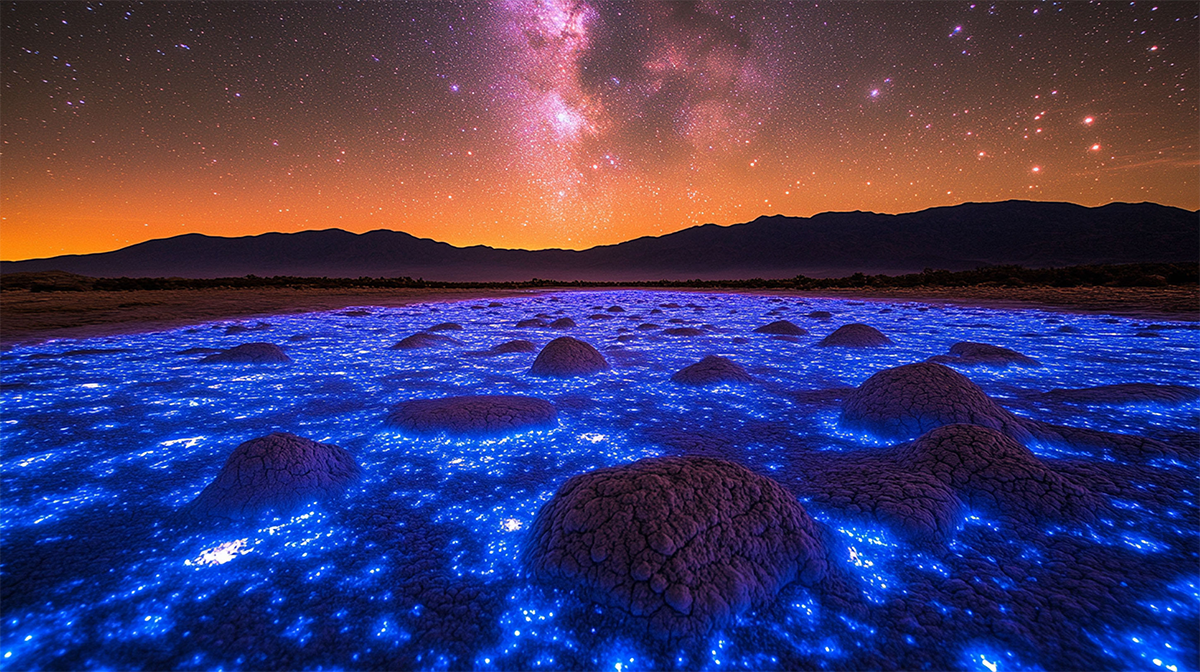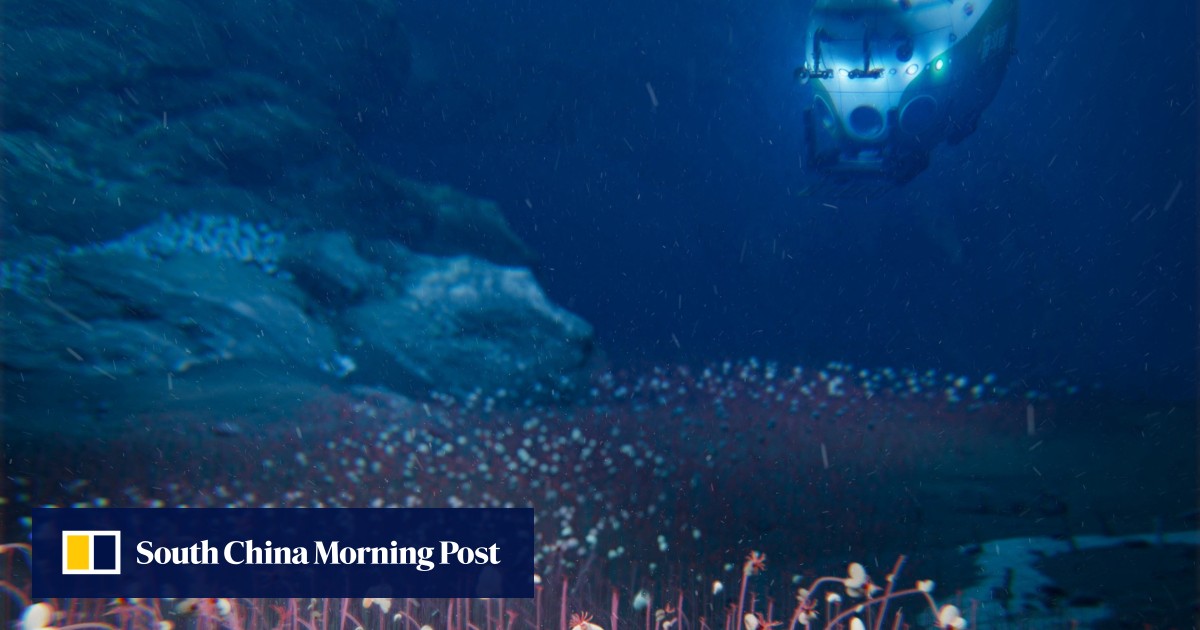
Extremophiles that thrive in the most unforgiving environments aren’t just biological curiosities. Understanding their resilience has many implications.
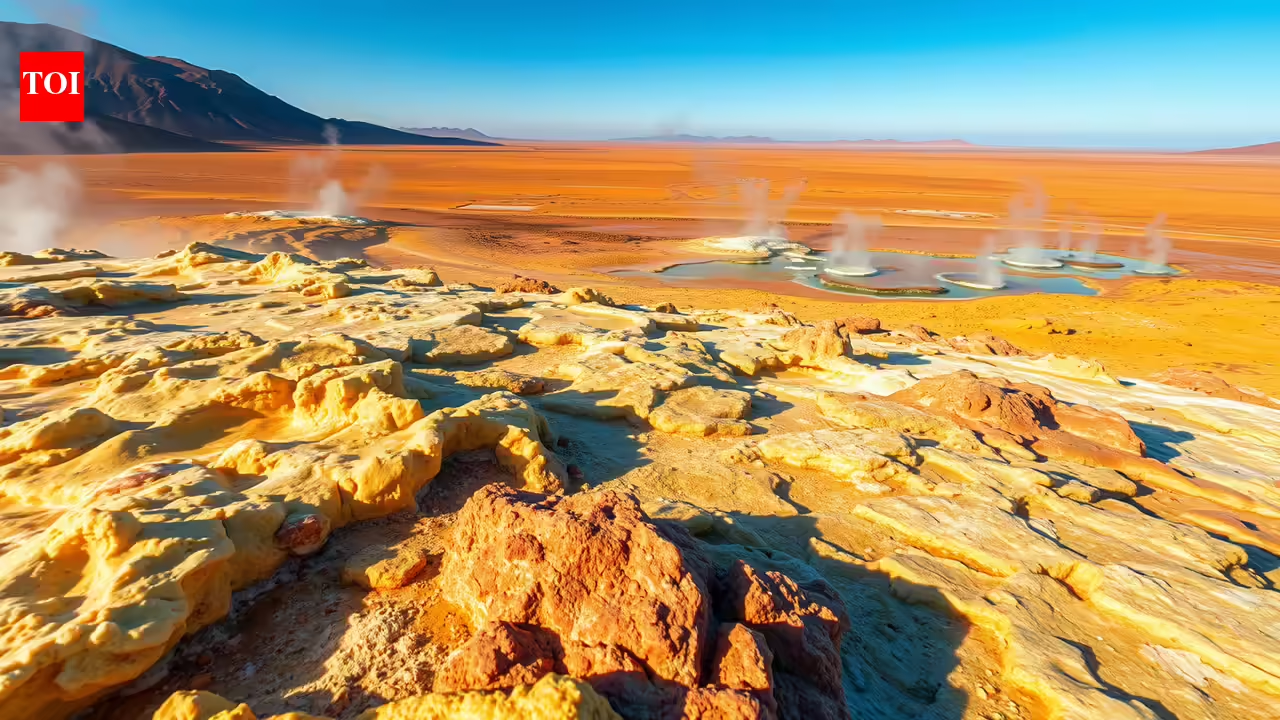
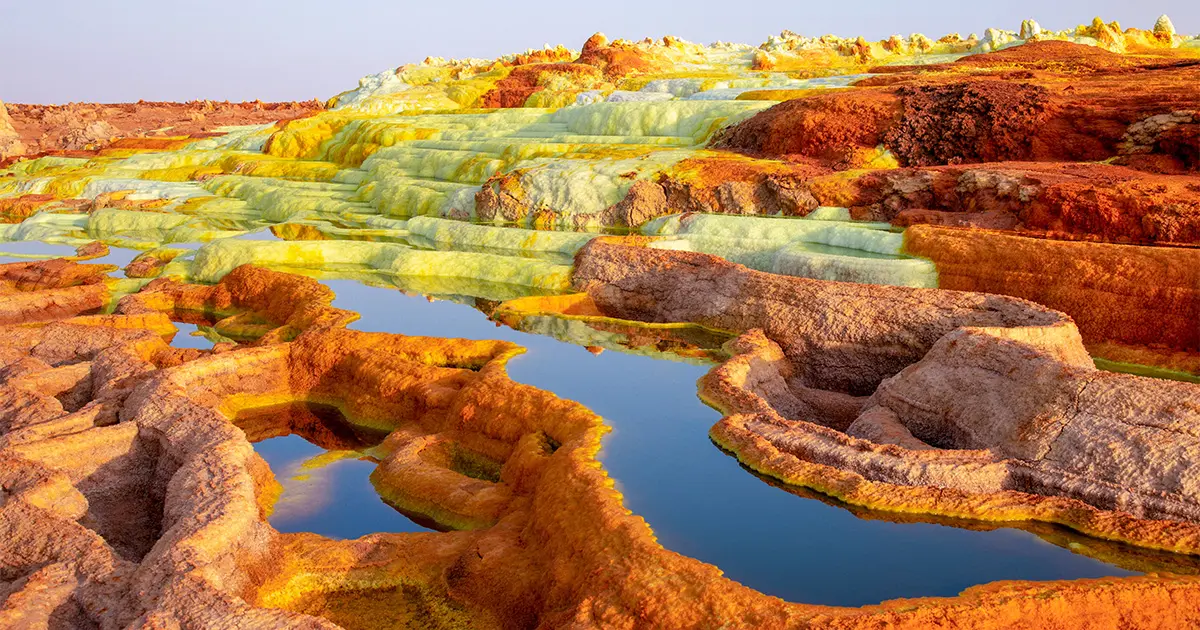
The Danakil Depression in Ethiopia is one of the hottest, lowest, and driest places on the planet… and yet some life manages to survive there.
Wysiati/Alamy
Life has scarcely found a boundary on Earth that it can’t push. While much of life’s diversity exists in lush, bountiful habitats like tropical rainforests and coral reefs, even the most brutal corners of the planet are also occupied. The organisms that thrive in extreme environments — blistering temperatures, crushing pressures, corrosive acid — are what we call “extremophiles.”
Most of these imperiled pioneers are rugged microbes, such as bacteria or archaea. Some have evolved to live in poisonous brine that would fatally pickle nearly everything else. Some can happily grow in subzero temperatures, using special enzymes that chug along where others grind to a halt. Others can shrug off the menaces of heavy metals, ionizing radiation, or the vacuum of space and still thrive.