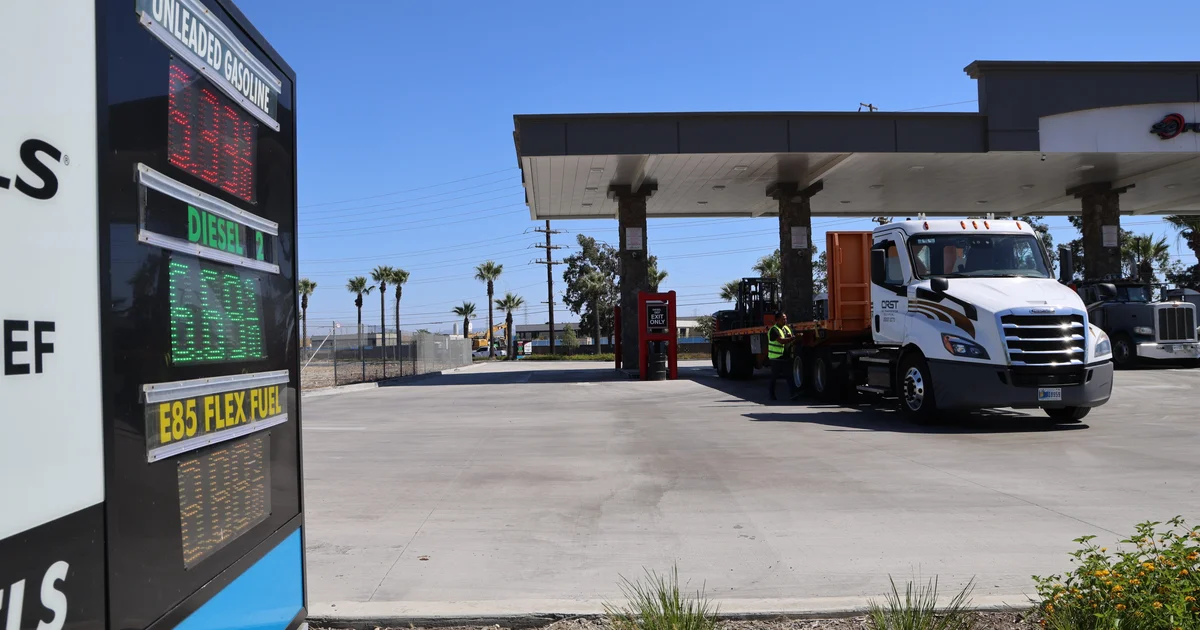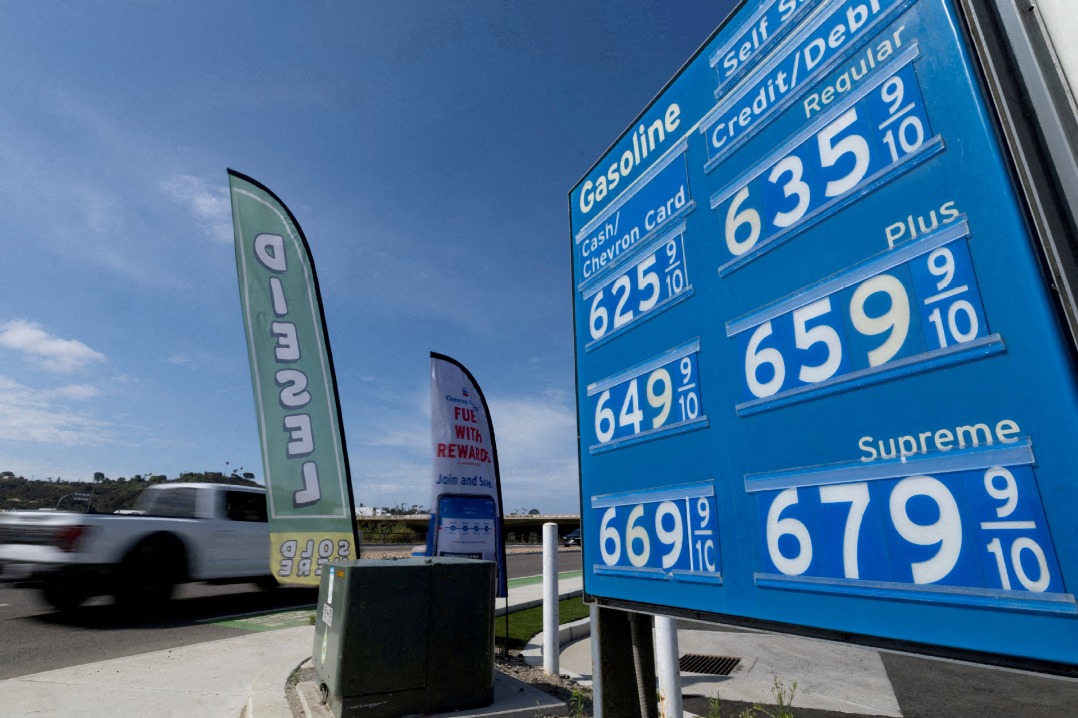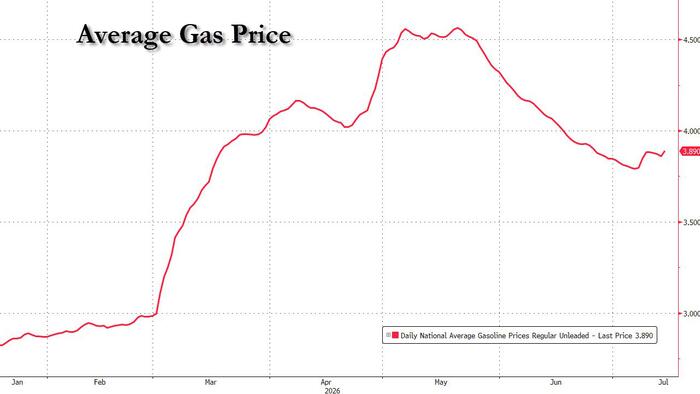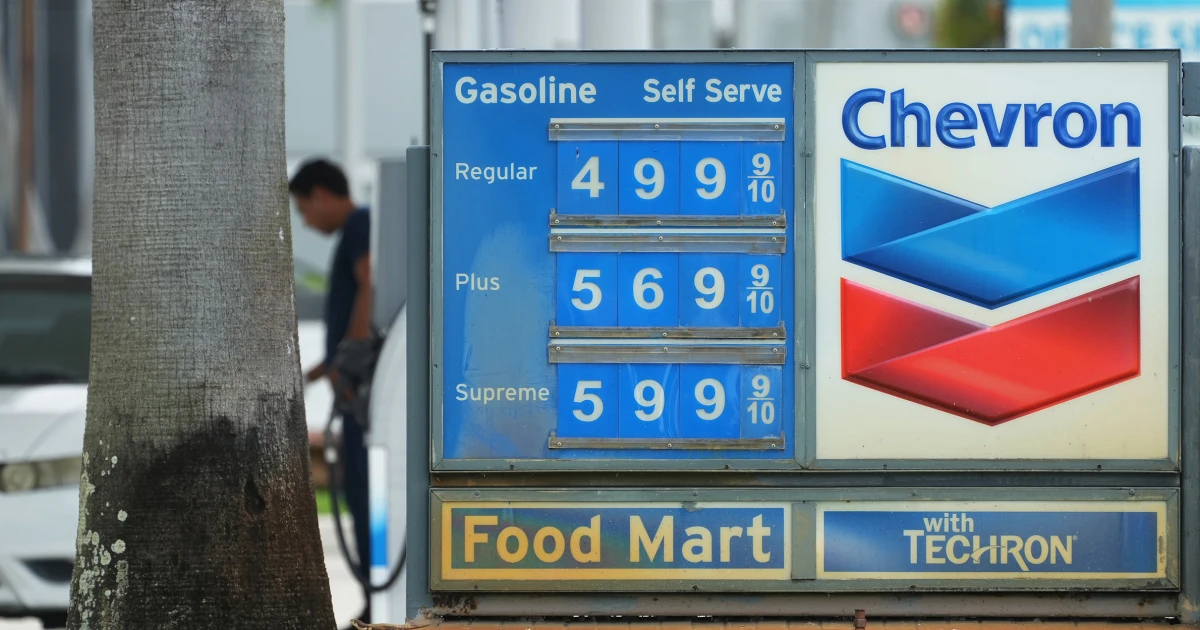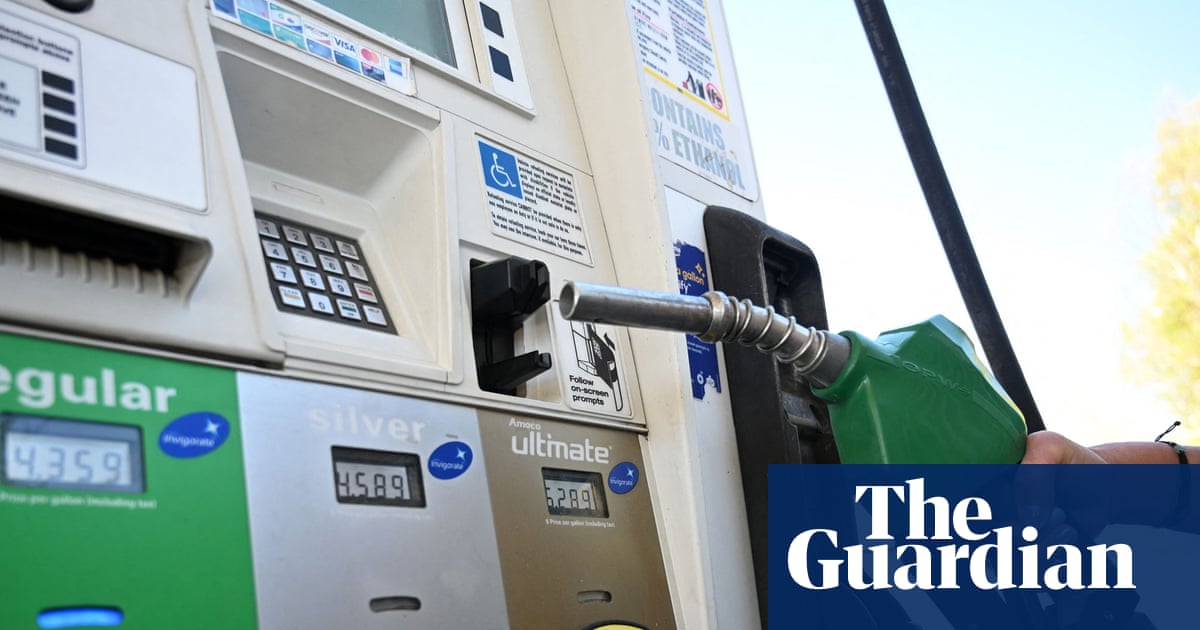
The psychological $4-per-gallon threshold is back. According to AAA data, the national average price for regular gasoline in the United States hit $4.003 per gallon on July 20, 2026, crossing a line that tends to get ordinary Americans paying attention to energy markets in a way that financial headlines rarely manage.
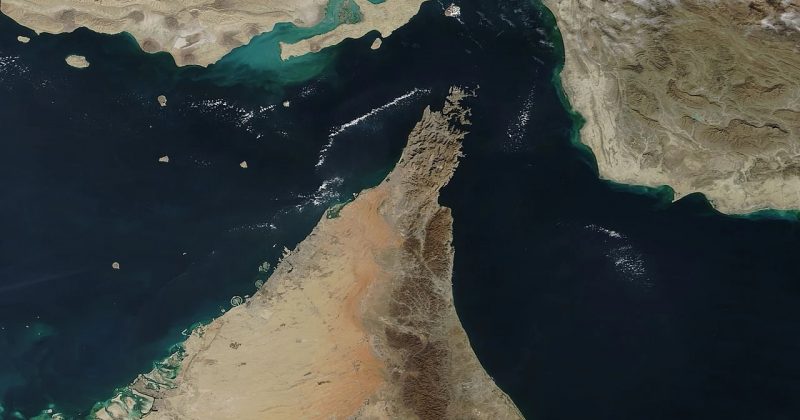
The proximate cause is a familiar one: renewed hostilities around the Strait of Hormuz, the narrow waterway through which a significant share of the world’s seaborne oil passes every day. Attacks on vessels and intermittent disruptions to shipping access have pushed crude oil prices toward $80 per barrel, dragging pump prices up with them.
What is actually happening at the Strait
Crude approaching $80 per barrel has translated directly into the 10-cent weekly rise in gasoline prices noted in mid-July. The daily move, from $3.998 to $4.003, looks small in isolation. But the direction of travel is the story, and the market is watching whether geopolitical conditions stabilize or deteriorate further.
The last time gasoline prices sat comfortably below $4, it was partly because earlier concerns about Hormuz had eased. That relief has now unwound, and the reversal has been swift.