Monday 20 July 2026 4:09 pm
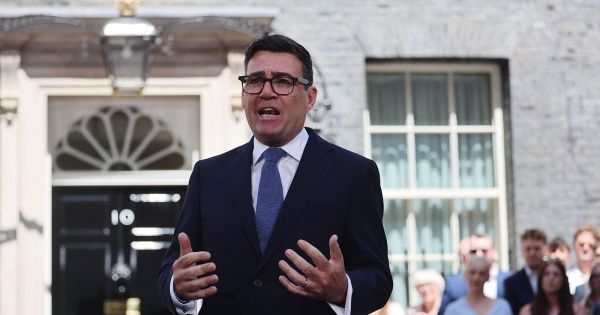
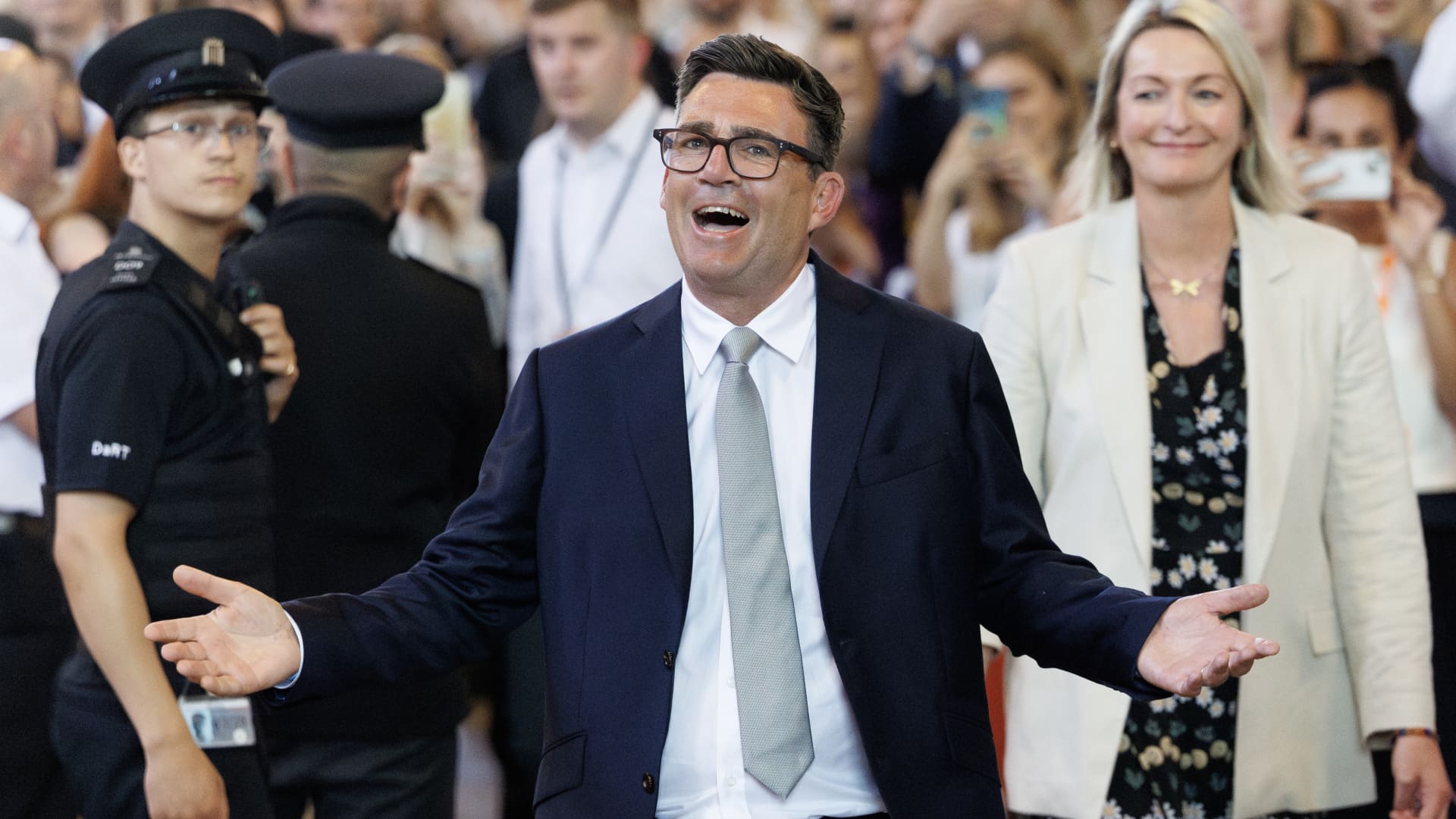
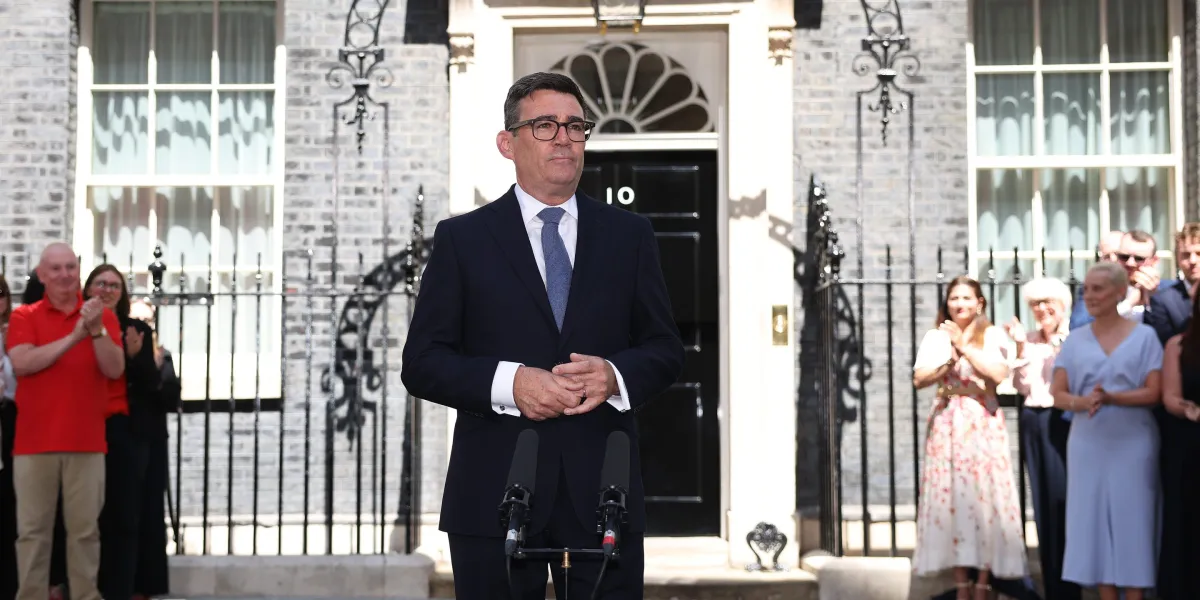
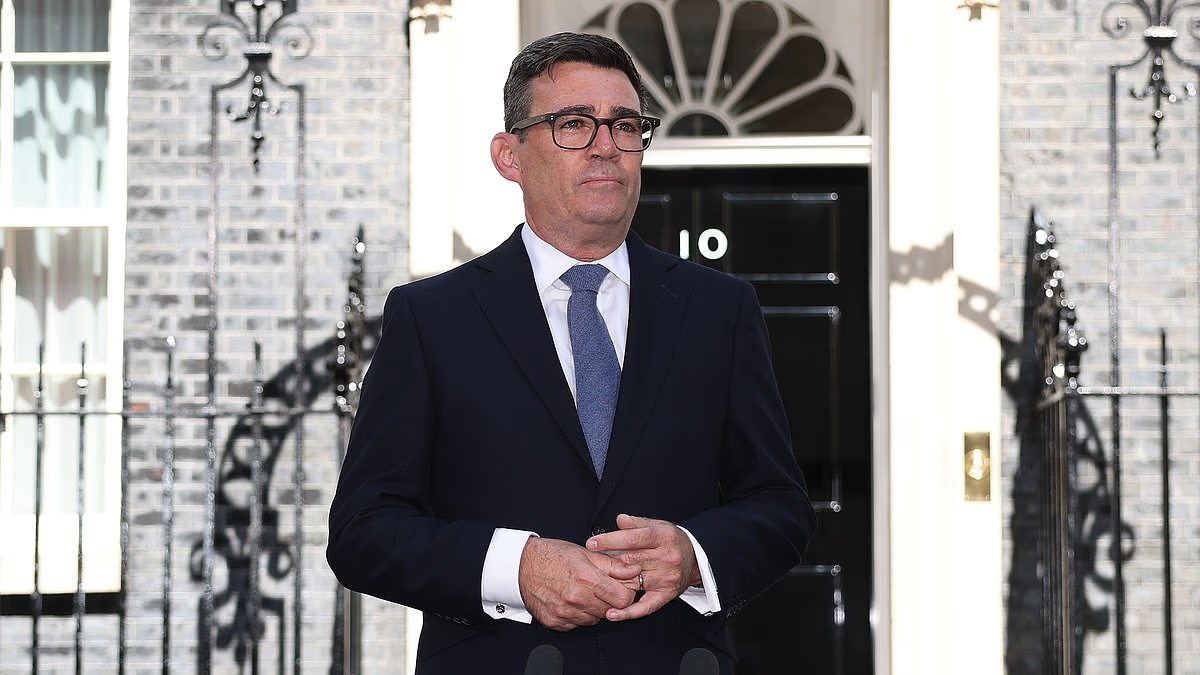
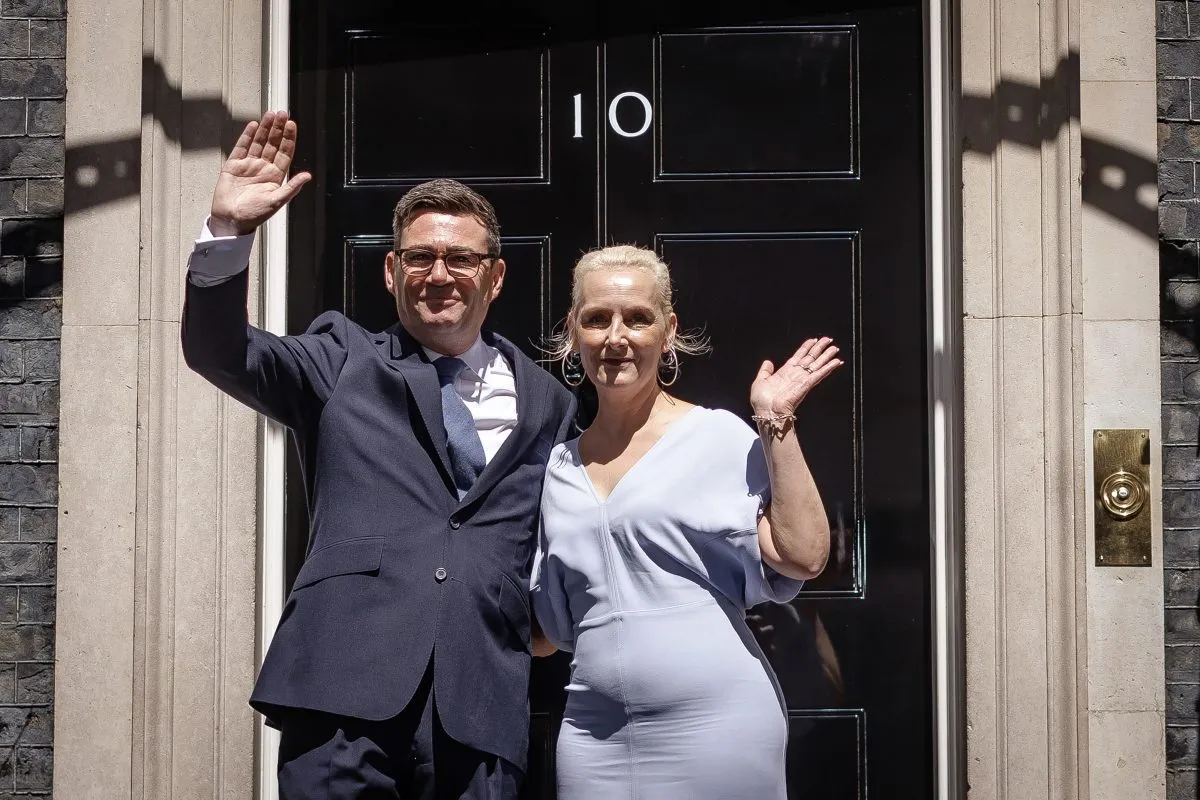
New Prime Minister and Leader of the Labour Party Andy Burnham, and wife Marie-France van Heel, pose on the steps of 10 Downing Street on July 20, 2026 in London, England. The Member of Parliament for Makerfield becomes the UK's 59th Prime Minister, succeeding Sir Keir Starmer, who resigned as leader of the Labour Party and Prime Minister in June. (Photo by Dan Kitwood/Getty Images)
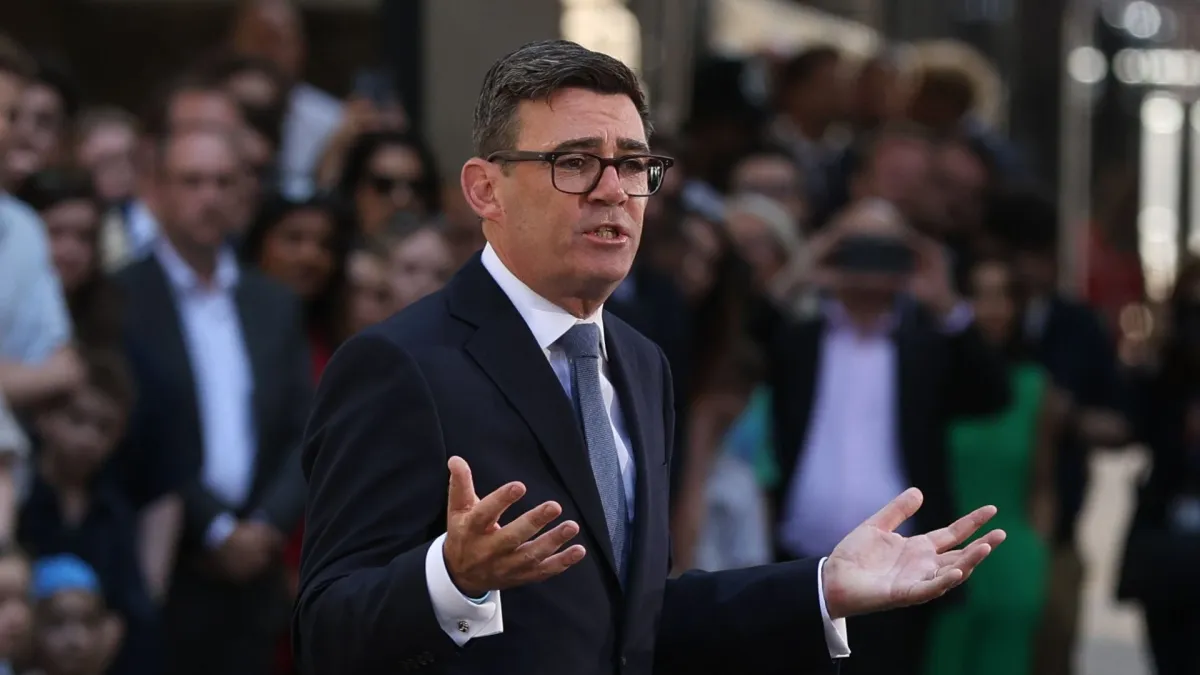
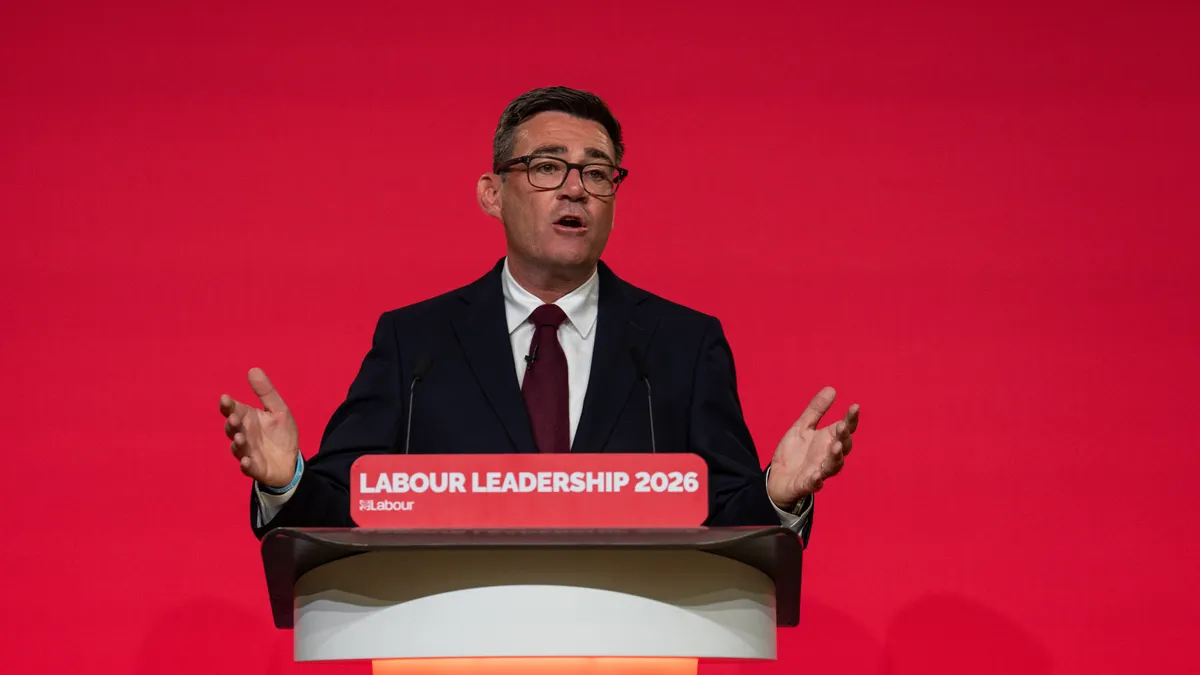
Oasis caution against looking back in anger, yet the narrative Manchester’s other favourite son rehearsed in his first speech as Prime Minister was based on hackneyed old grievances, says Alys DenbyHere we go again. Britain has gone through as many prime ministers in the last 10 years as it did in the previous 37 years and as a result the process feels wearyingly familiar.But we shouldn’t be comfortable with a Prime Minister pledging changes no one voted for just because it has happened before.Oasis caution against looking back in anger, yet the narrative Manchester’s other favourite son rehearsed in his first speech as Prime Minister was based on hackneyed old grievances. Mouthing cliches about the 80s and deindustrialisation without a lectern doesn’t stop them being cliches. His previous promise to undo “four decades of neoliberalism” is little more than a tired socialist talking point – and one which conveniently overlooks that Burnham was in the Cabinet for three of those 40 years. Keir Starmer failed because he mismanaged the Labour party, Burnham is just playing them the classics.No such thing as neoliberalismNeoliberalism – much like “trickle down” – is a term used only by its critics, never its supposed advocates. It broadly encompasses the reforms of the Thatcher years, but it is hard to argue we are living in an era of unrestrained free markets. The tax burden is the highest since the aftermath of the second world war, debt is around 100 per cent of GDP and regulators are expanding faster than many parts of the productive economy. Britain’s stagnation is not a result of too much capitalism, but far too little.Burnham’s proposed solutions, too, have already been tested to destruction. On the steps of Downing Street he said he would “bring life’s essentials back under public control to make them more affordable”. This is, quite simply, not how inflation works. It is competition, not state control, that drives down prices. And anyone who claims that bureaucrats are better at running things than businesses should have to name a service they believe is efficient and explain why the public sector’s trailing productivity is costing the economy £80bn a year. Nationalised utilities have to compete for capital with other government priorities, and water will never win over welfare.