Published on
20/07/2026 - 15:00 GMT+2
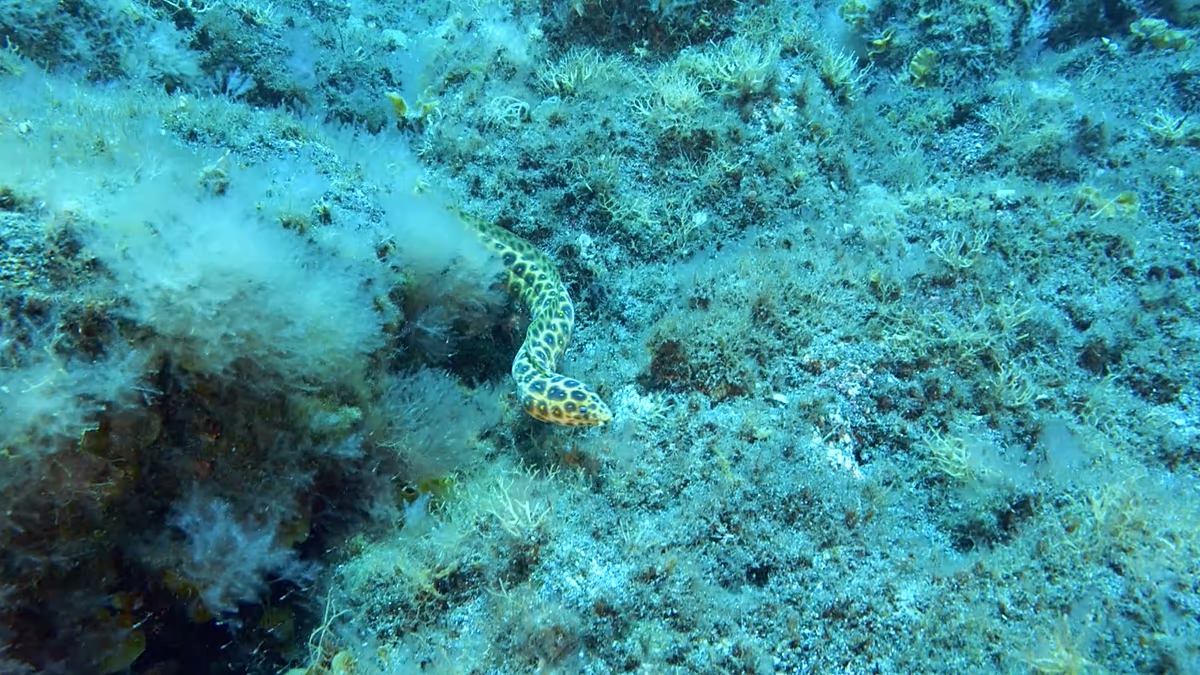
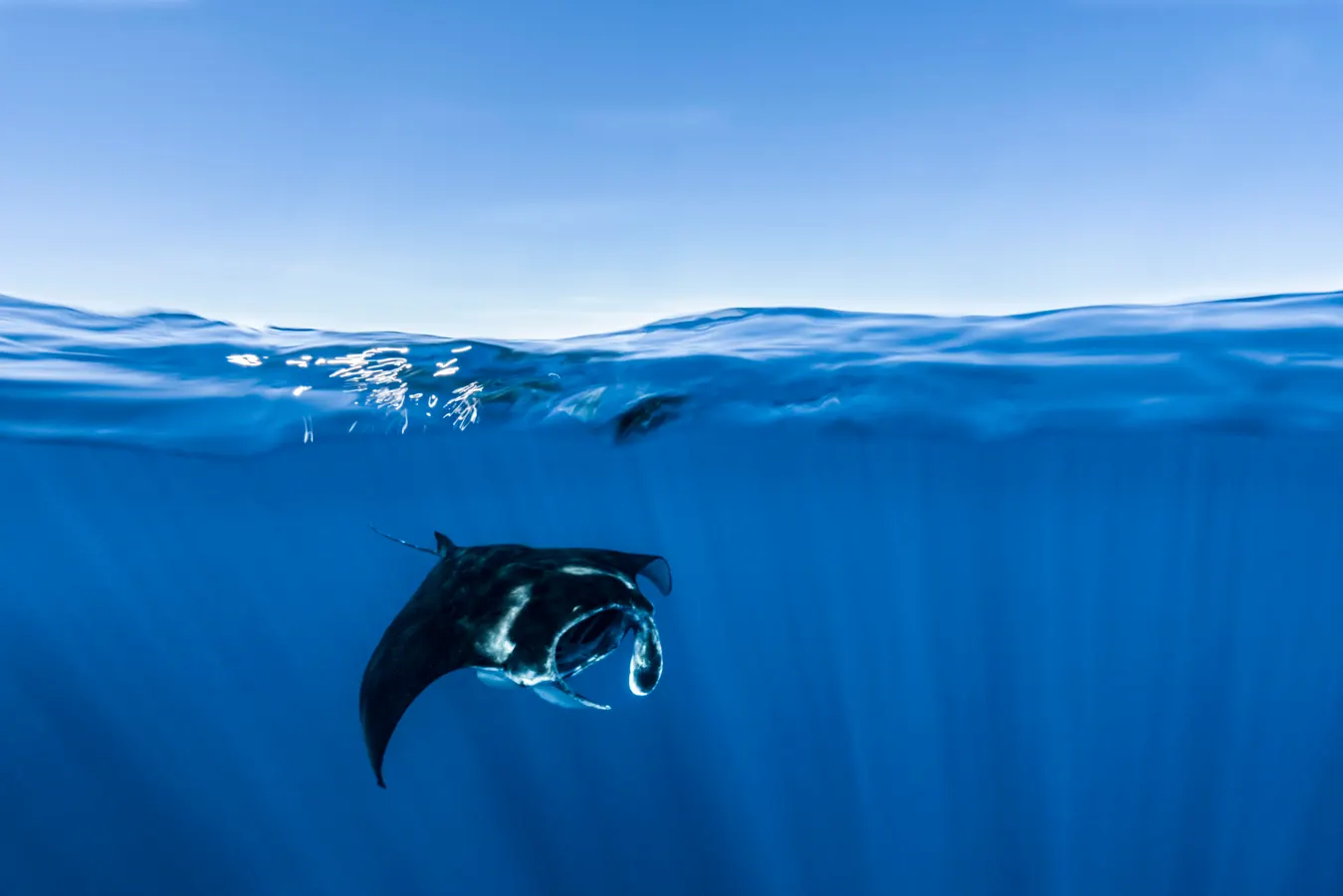
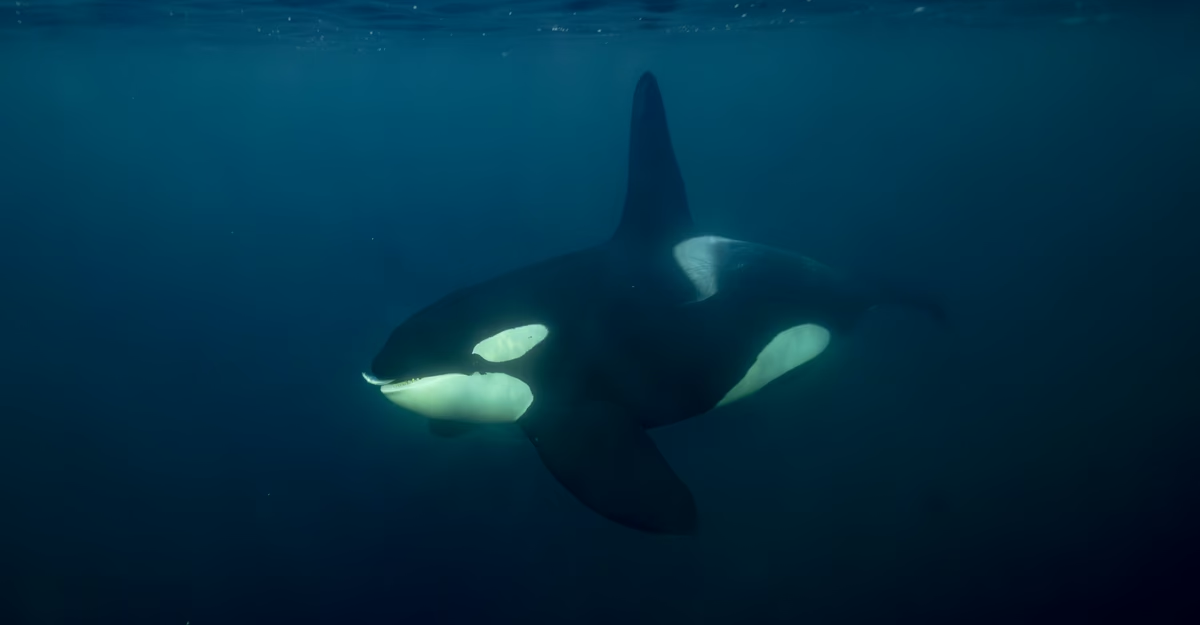
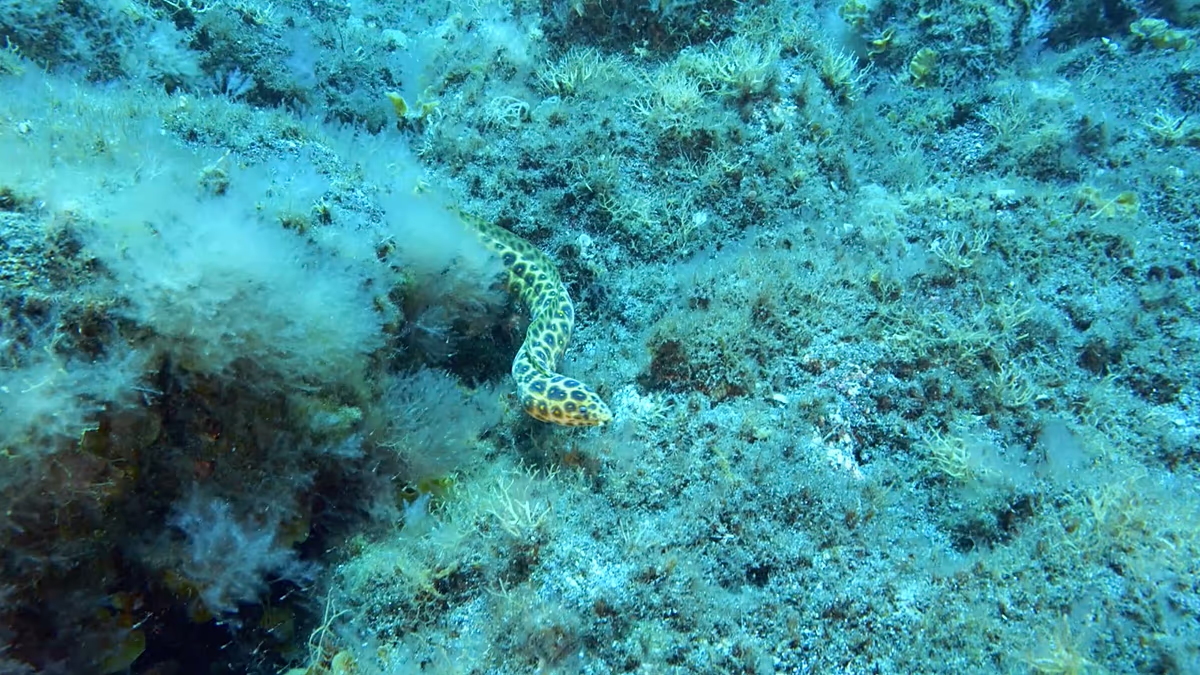
With more than 85,000 recorded and validated sightings in the waters of the so-called ‘Lucky Islands’ or Macaronesia, scientists from the RedPROMAR project have recorded more than 5,000 species of living organisms in this part of the North Atlantic.
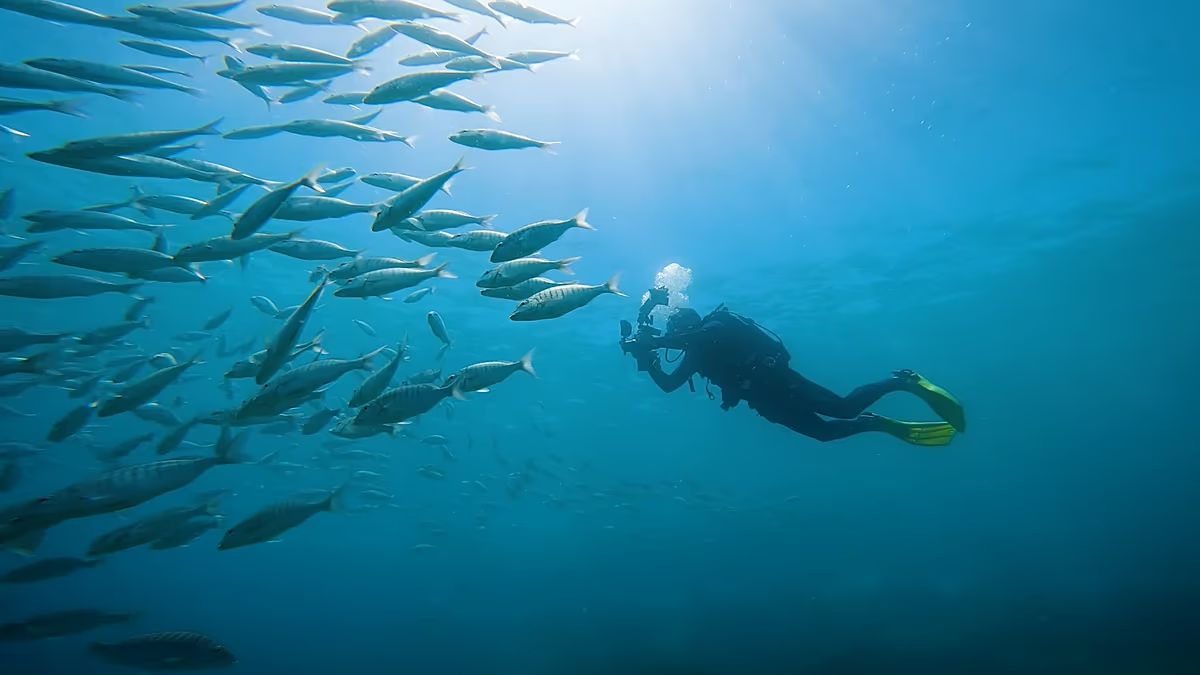
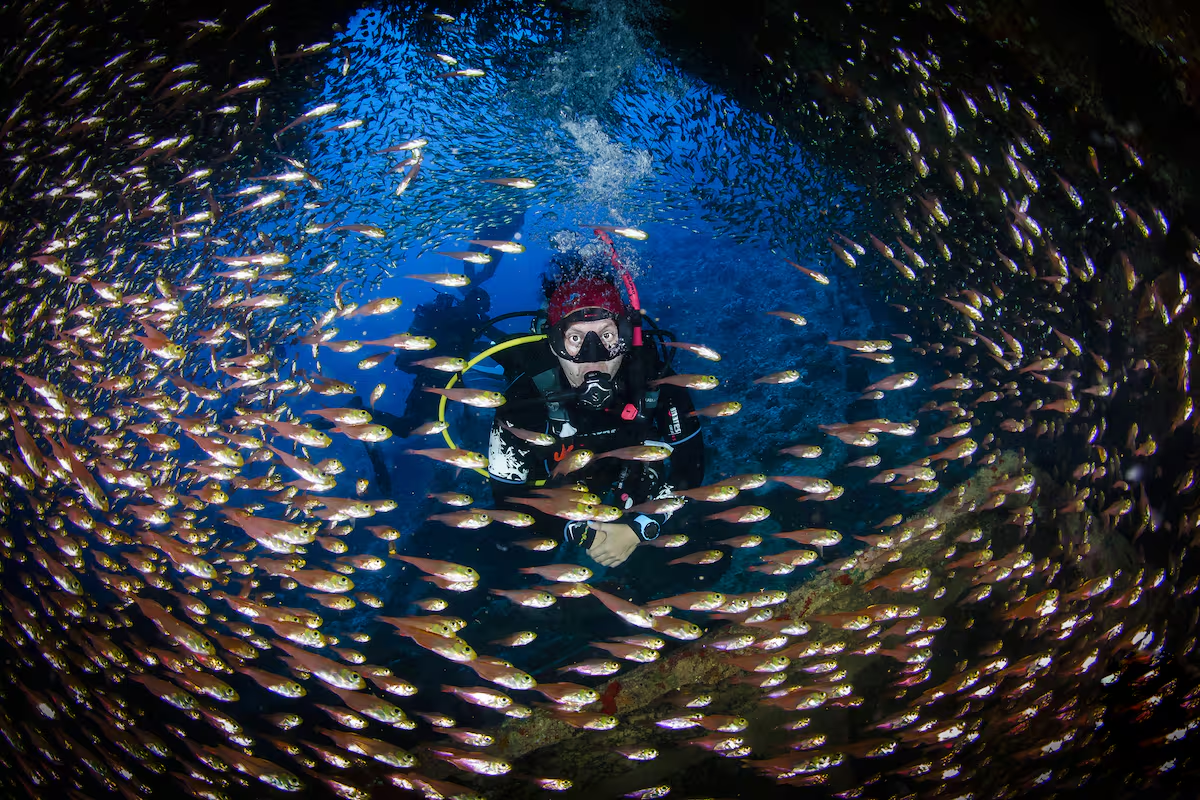
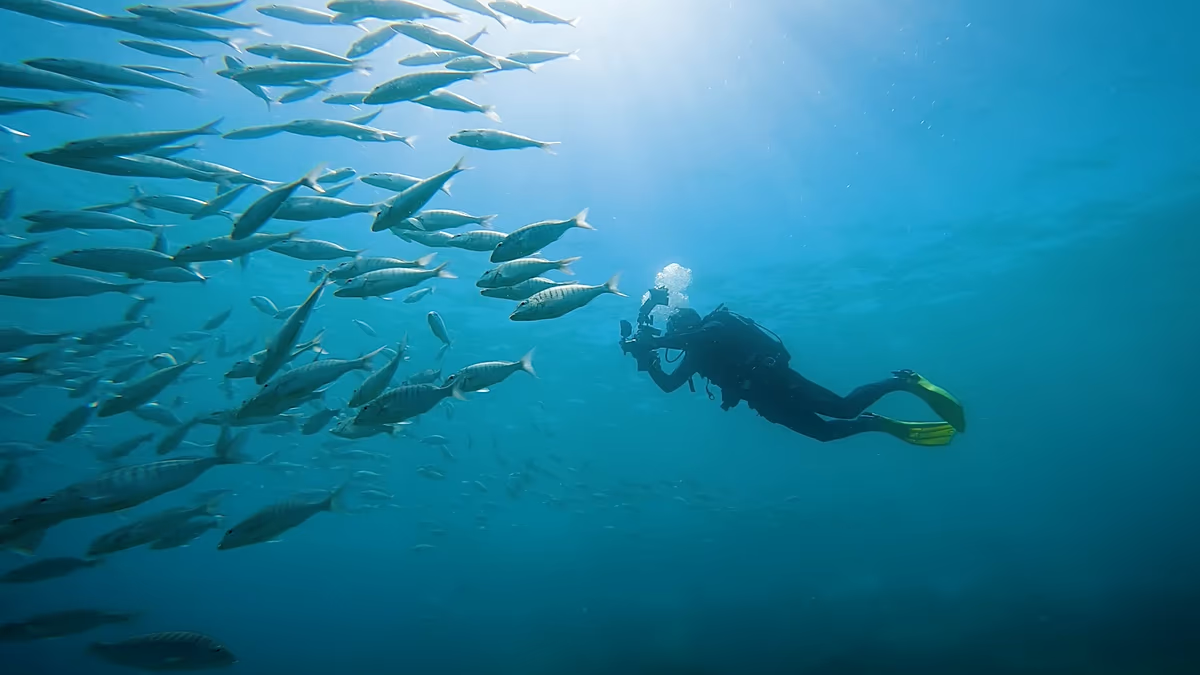
Dennis Rabeling, a diving instructor at Euro-Divers Lanzarote, is one of its main contributors. He dives every day and uploads thousands of photos of marine flora and fauna to the website of this European project, which is co-funded by the Government of the Canary Islands. He has contributed to the discovery of three species previously unknown in the Canary Islands, one of which is named after him: Gibberula Dennisi. “With RedPROMAR, if you upload your photos, you become another pair of eyes on the water. In this way, scientists can identify new species that we did not previously know lived here. Today, during a thirty-minute dive, we saw around twenty or thirty species, perhaps even more," he explains.
Through this project, ocean culture is brought into the classroom, and the classroom is brought closer to the sea. This year, secondary school pupils from Juan Francisco Rodríguez García’s class at IES Yaiza have studied how human activities affect the marine environment, recorded a podcast on tropicalisation and its consequences, and undertaken a field trip to Órzola, in the north of Lanzarote, to learn ‘in situ’ which species live in the sea and how RedPROMAR works.