Story audio is generated using AI
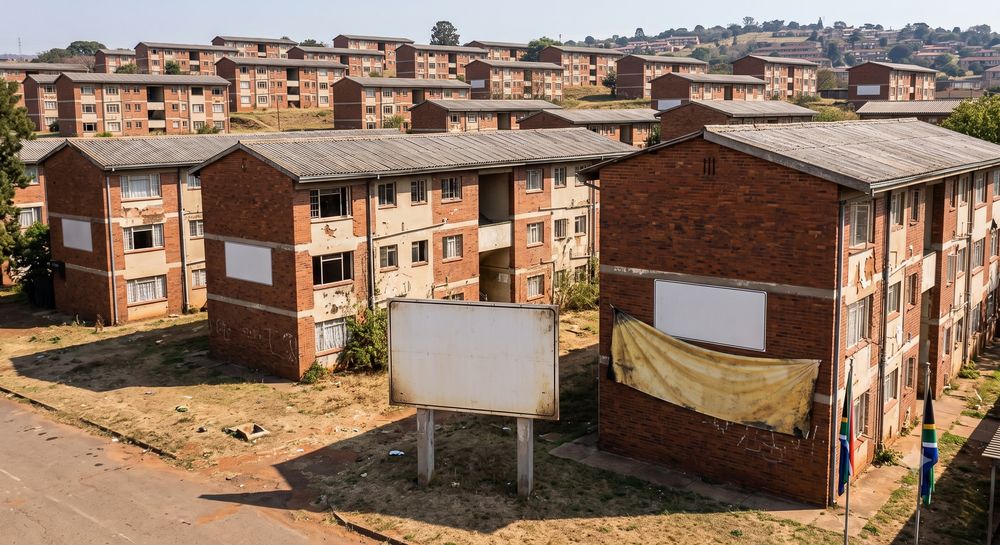
Public works & infrastructure minister Dean Macpherson has ordered an investigation into 6,238 state-owned residential properties allocated to government officials, instructing his department to draw up a strategy for selling those deemed unnecessary.Macpherson asked director-general Sifiso Mdakane to conduct the review and report back within 30 days, according to a statement issued by the ministry on Monday. The assessment will determine which properties are being used for legitimate operational purposes and which can be sold, redeveloped or otherwise removed from the state’s portfolio.The initiative adds to a broader push by Macpherson’s ministry to overhaul management of the state’s immovable asset portfolio, which has long been criticised by the auditor-general for poor record-keeping and underused buildings.The bulk of the properties, 3,626, are located in KwaZulu-Natal. The Western Cape accounts for 566 and Gauteng for 407. The department said it spent an estimated R39.6m from its day-to-day maintenance budget in the 2025/26 financial year, though cost data was available for only 108 of the propertiesMacpherson said the state’s ownership of thousands of residential units for officials is difficult to justify given that many recipients already receive housing allowances or other housing-related benefits through their pay packages.“It is my view that the state should not own more than 6,000 residential properties for government officials, particularly when many officials already receive housing allowances, subsidies or other housing-related benefits as part of their remuneration packages,” he said in the statement. “Unless there is a clear and compelling operational reason for the state to retain a residential property, it should be sold.”The 30-day report must cover the KwaZulu-Natal properties in detail, listing the user department each unit is allocated to, its intended purpose, the capacity in which the current occupant lives there and a recommendation on whether it should be retained, repurposed or disposed of.It is my view that the state should not own more than 6,000 residential properties for government officials, particularly when many officials already receive housing allowances, subsidies or other housing-related benefits as part of their remuneration packages.— Dean Macpherson, public works & infrastructure minister Mdakane has also been told to separately flag properties occupied by officials within Macpherson’s own department, the ministry said, to check whether the same allocation rules, rental terms, housing entitlement checks and tax treatment used elsewhere in government have been applied consistently and without preferential treatment for its own staff.The wider probe will examine the legal basis for leasing out state residences, including compliance with the Government Immovable Asset Management Act, the Public Finance Management Act and National Treasury regulations. It will also test whether rents charged are market-related, whether deviations from market rates were properly approved, and whether officials in a work facility or official housing actually qualify for that accommodation under their employment terms, including whether fringe benefit tax has been correctly applied.A further part of the review will look at whether departments have been holding onto properties no longer needed for service delivery instead of returning them to the state’s central pool for reallocation or sale.“Selling properties that the state does not need will reduce unnecessary expenditure, generate value for the public and ensure that government focuses its limited resources on infrastructure and assets that directly support service delivery,” Macpherson said.