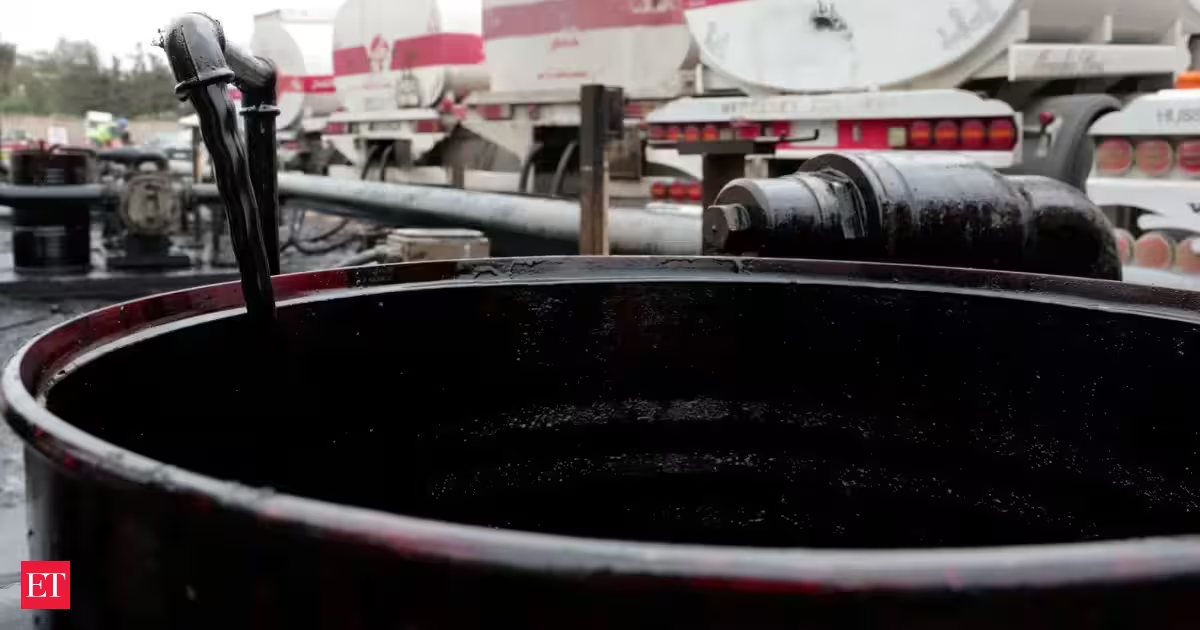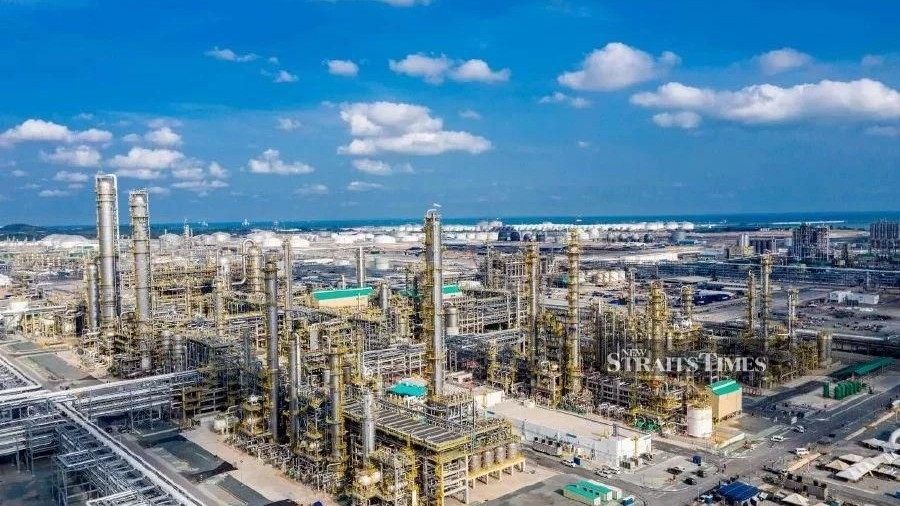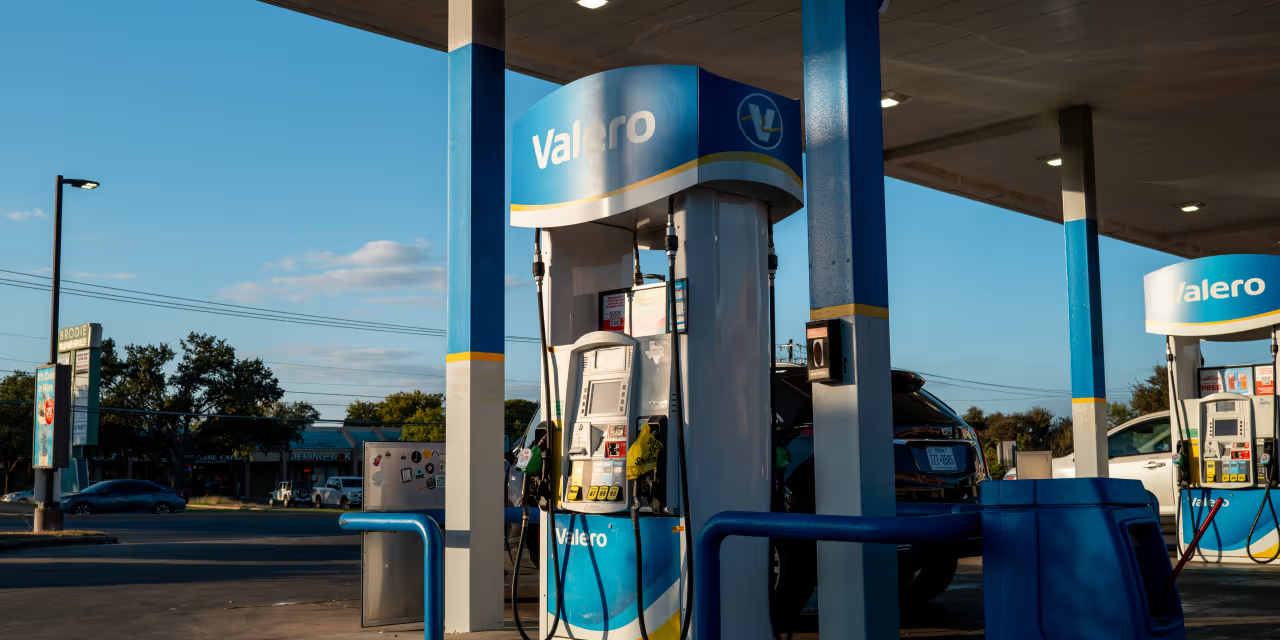
The 3-2-1 crack spread, a key indicator of refining profitability, has reached a record high of approximately $70 per barrel, surpassing levels seen during the 2022 energy crisis. This surge is attributed to a decline in U.S. refining capacity and robust fuel demand, which have tightened supply and widened margins. The U.S. has experienced a 1% reduction in refining capacity, now at 18.2 million barrels per calendar day, amid heightened geopolitical tensions in the Middle East and low inventories. Crude oil stocks have fallen to an eight-year low, while gasoline inventories have also decreased, exacerbating the supply constraints. These developments appear to be driving market sentiment regarding future oil price trajectories.
Key Takeaways
The record high in the crack spread suggests strong demand and reduced refining capacity, which are consistent with scenarios where crude oil prices might increase.
Current market pricing for crude oil reaching a new all-time high by September 30 shows a 4.7% YES probability, reflecting a decline from 8% in the previous 24 hours.
Market participants may be interpreting the persistent supply constraints and geopolitical tensions as supportive of increased crude oil prices, with a potential catalyst expected by December 31.