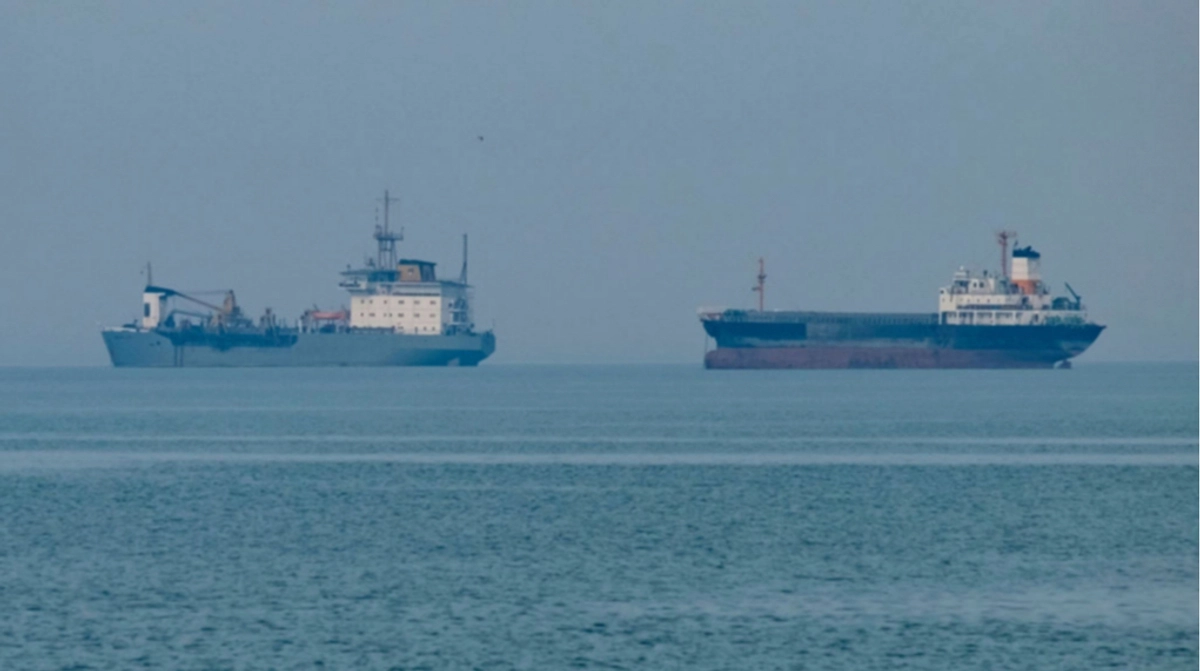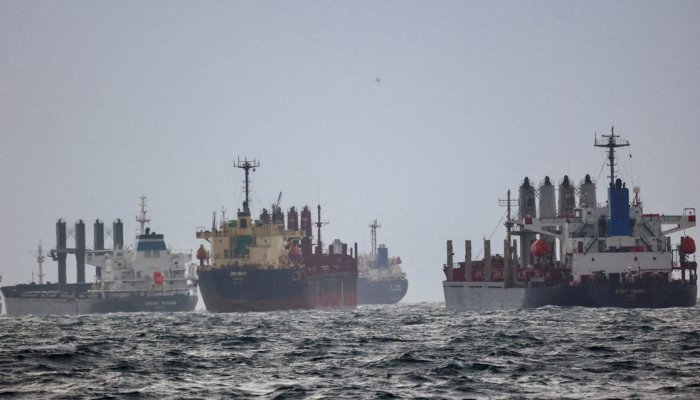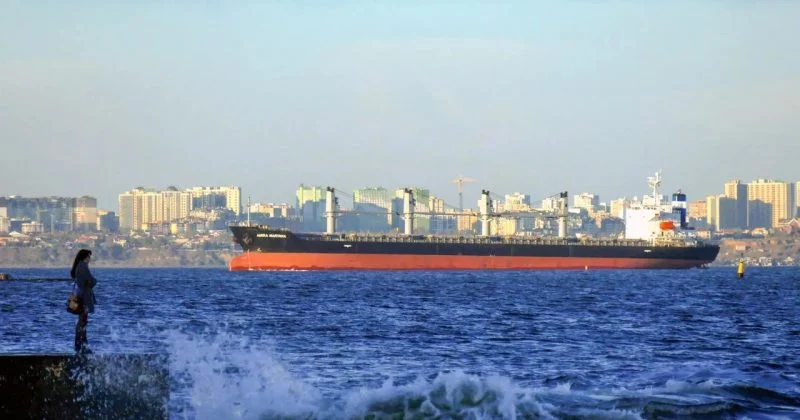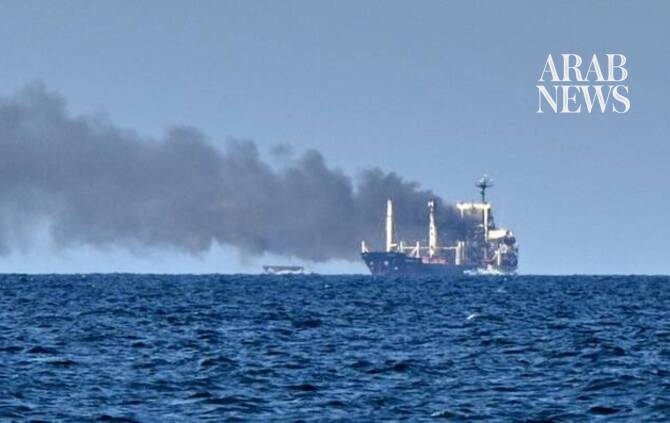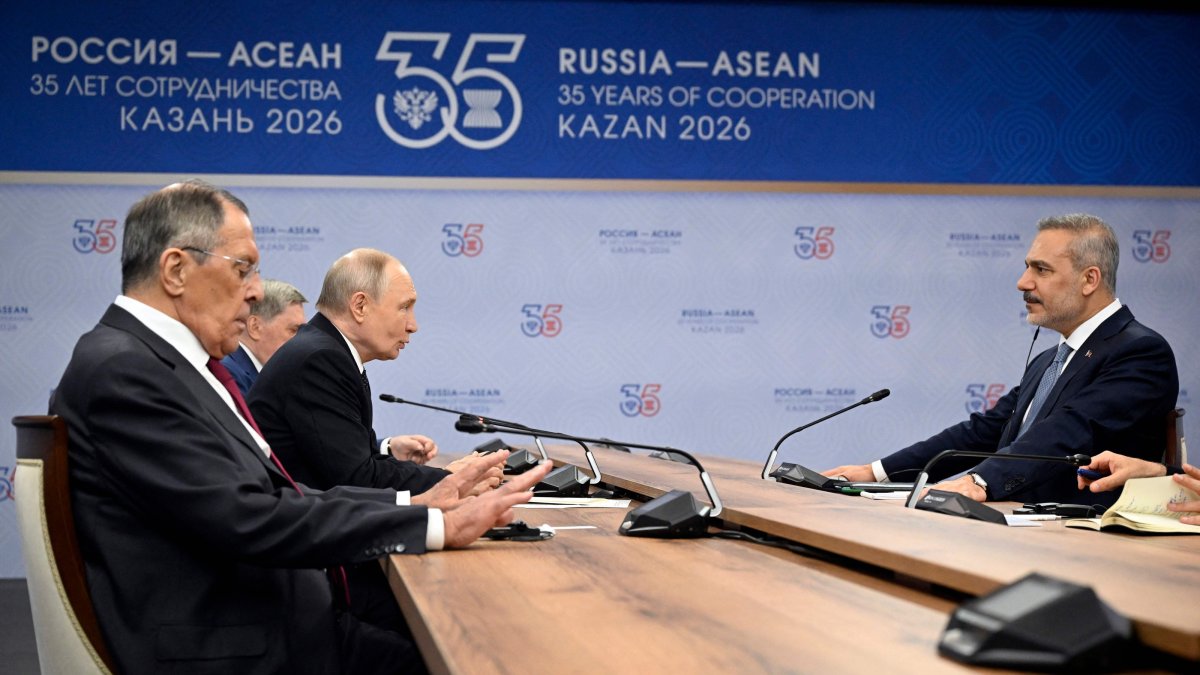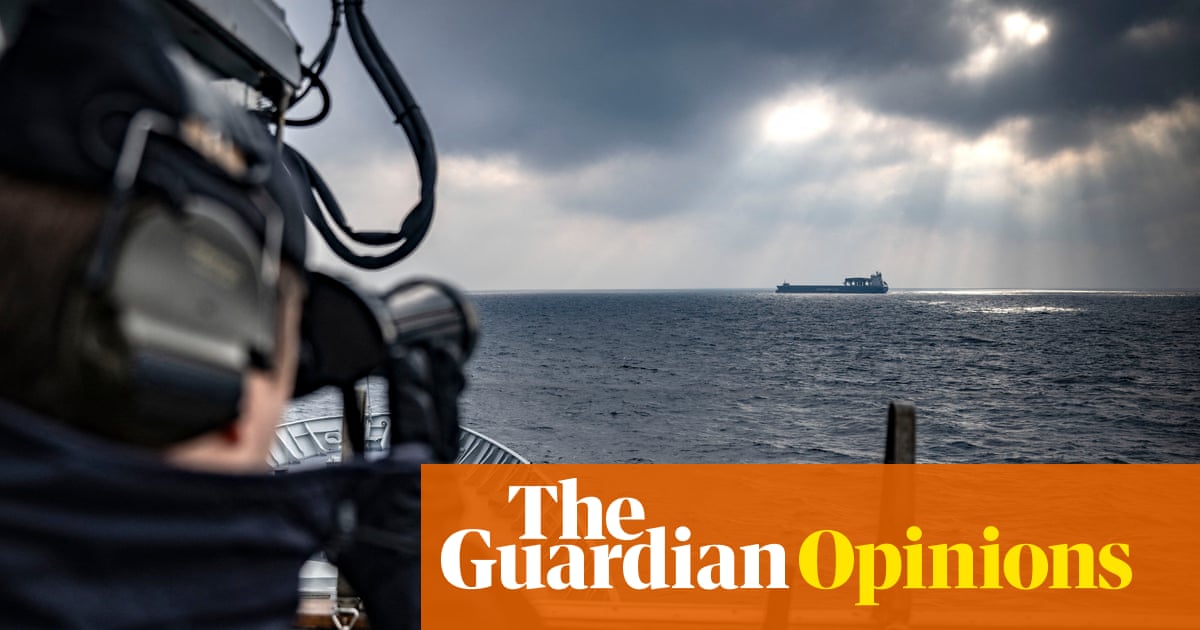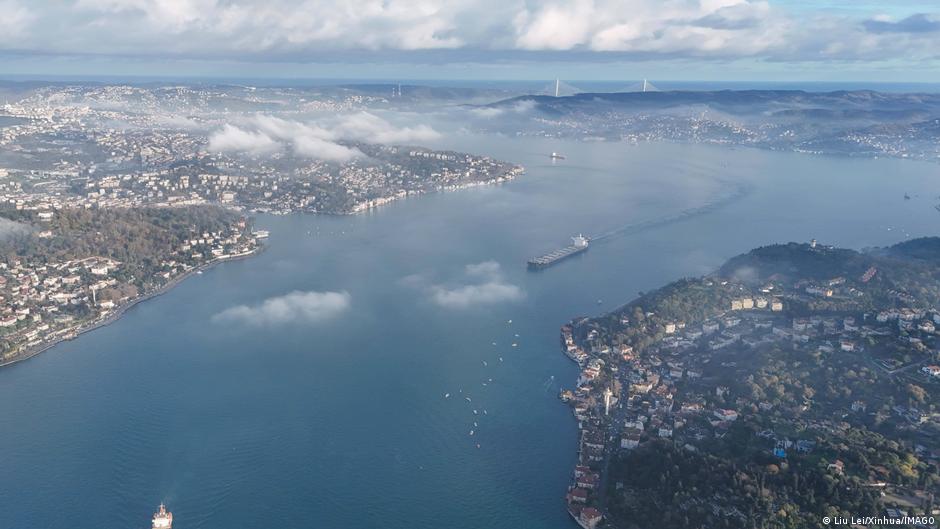
Now more than four years after Russia's full-scale invasion of Ukraine, the Black Sea has become one of Europe's key security frontiers. And yet, it is currently "quite empty of warships," Thomas de Waal, a senior fellow at Carnegie Europe, told DW. This, he said, "is a bit of a paradox." To understand that paradox, we first need to need to take a closer look at the map.
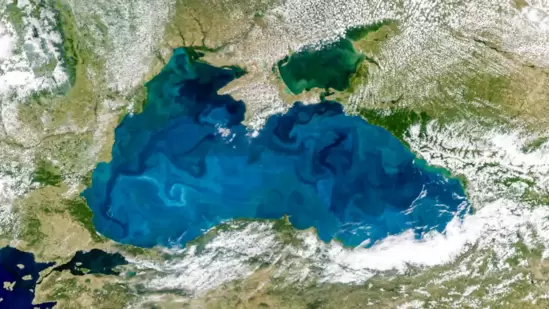
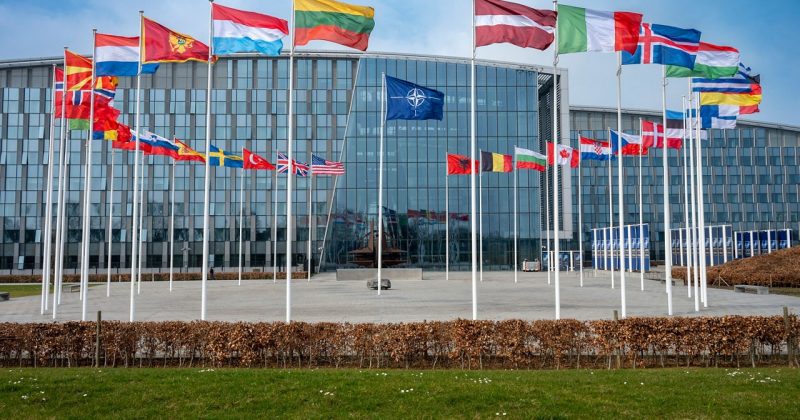
The Black Sea is bordered by six countries: Turkey, Bulgaria, Romania, Ukraine, Russia, and Georgia. The first three on that list are part of the North Atlantic Treaty Organization, or NATO — the other three are not. To make matters more complicated, two of the latter three are at war with each other.
Narrow bottleneck to maneuver
Access to the Black Sea runs through a single, narrow bottleneck. To get there, a ship coming from the Mediterranean Sea would have to pass the Dardanelles Straits and the Bosporus, which crosses through the heart of Turkey's largest metropolis Istanbul.
At its narrowest point, the Bosporus is just 700 meters (0.4 miles) wide. For comparison, another critical passageway currently in the headlines is the Strait of Hormuz, which is approximately 33 kilometers (21 miles) wide at its narrowest point.