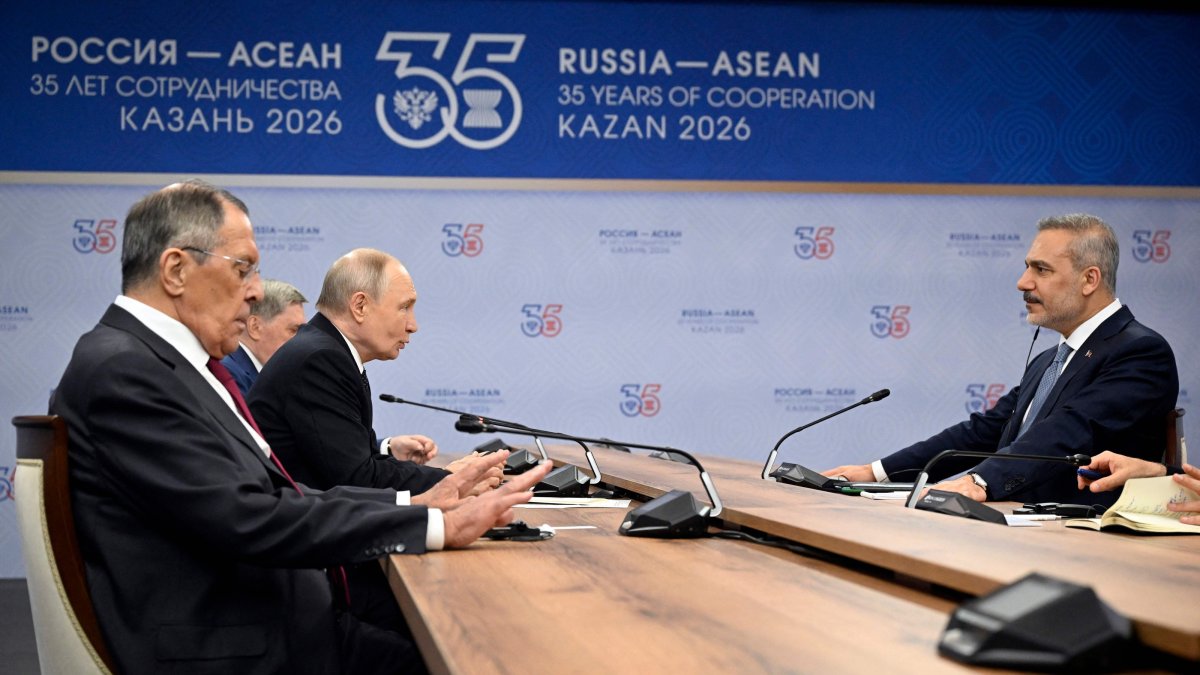
In recent years, the international system has entered a period of profound transformation in which not only the distribution of power but also the very nature of diplomacy has been reshaped. The war in Ukraine, the conflict in Gaza, disruptions to energy security, and the resurgence of great-power competition have significantly increased the complexity of states’ foreign policy calculations.
In this evolving environment, flexible diplomatic approaches that preserve room for maneuver in times of crisis have become as important as traditional alliance commitments and clear-cut bloc alignments. Moreover, diplomacy is no longer conducted through isolated policy files. Rather, it operates across interconnected and overlapping crises, where developments in one domain increasingly influence outcomes in others.
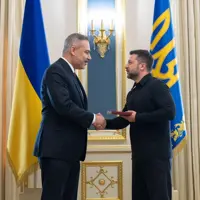
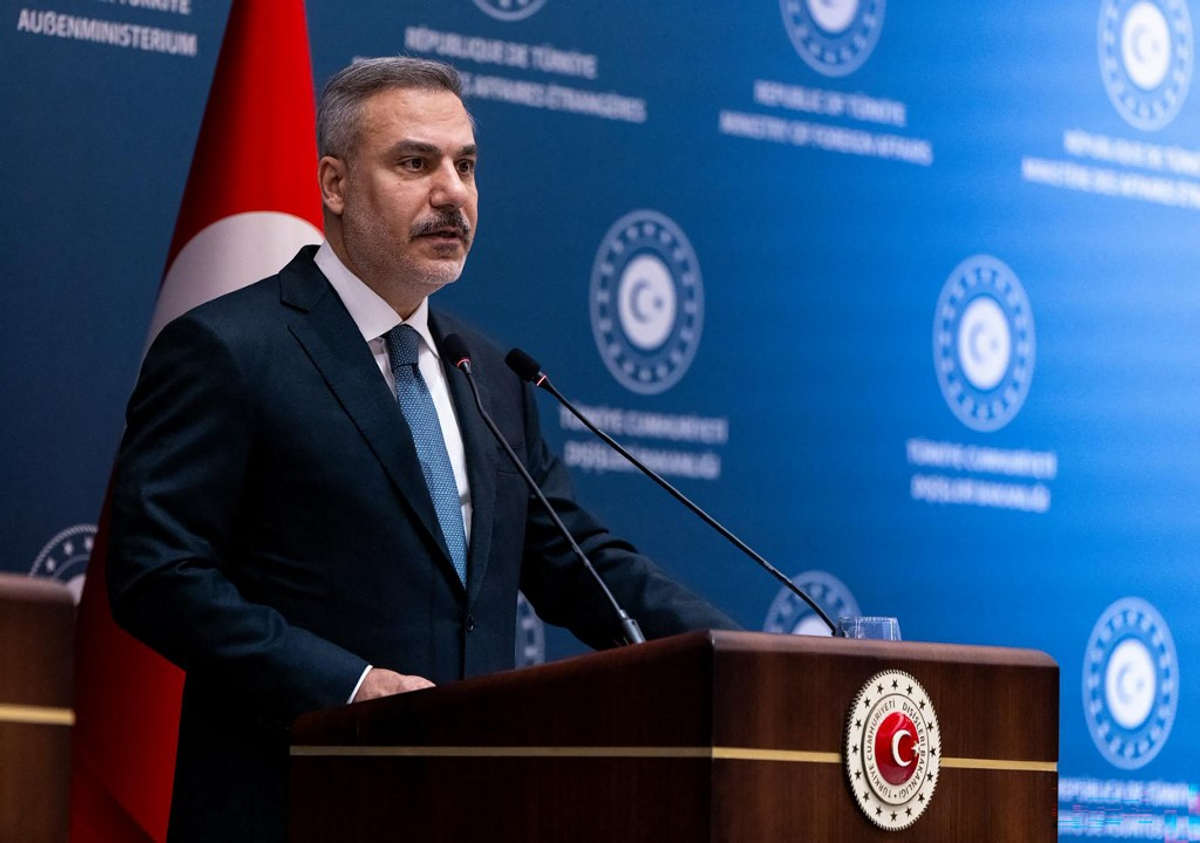
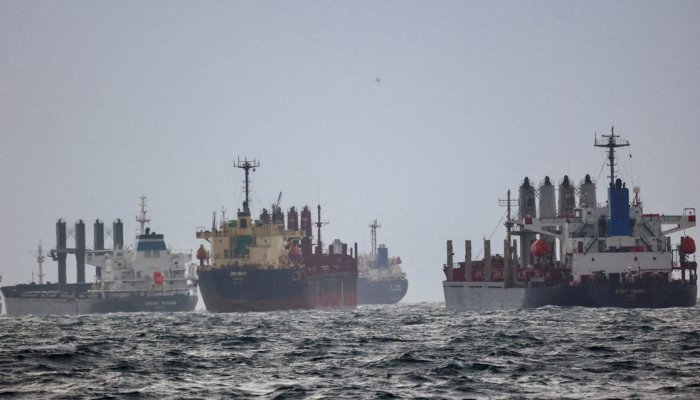
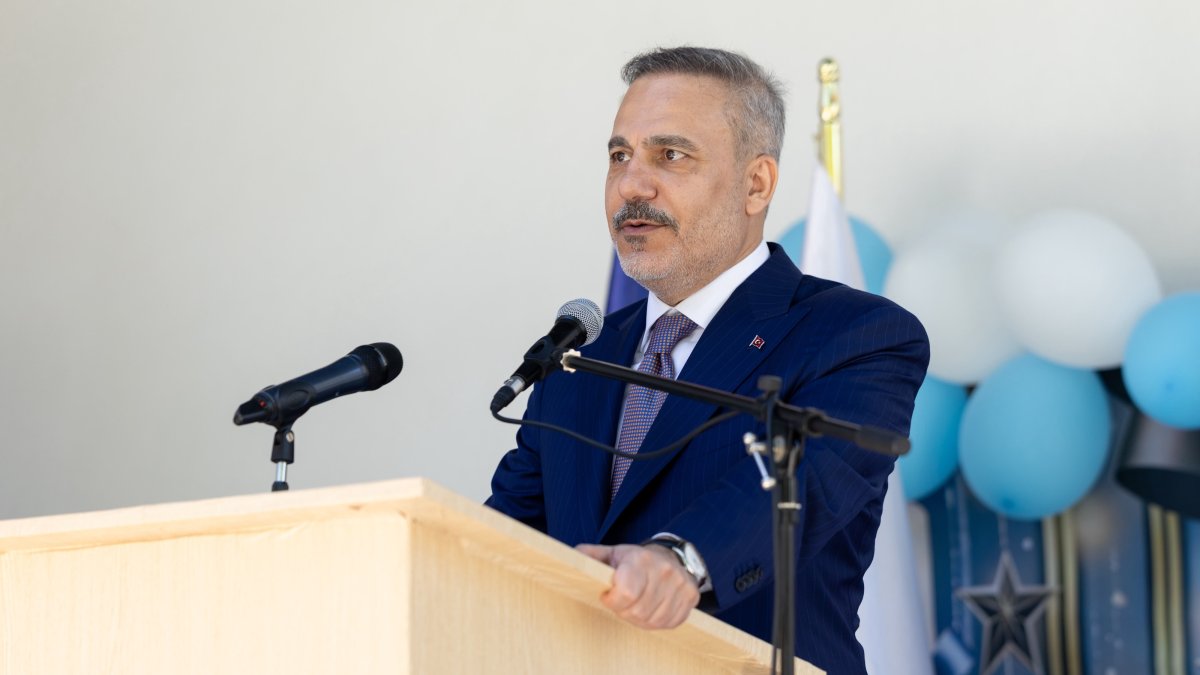
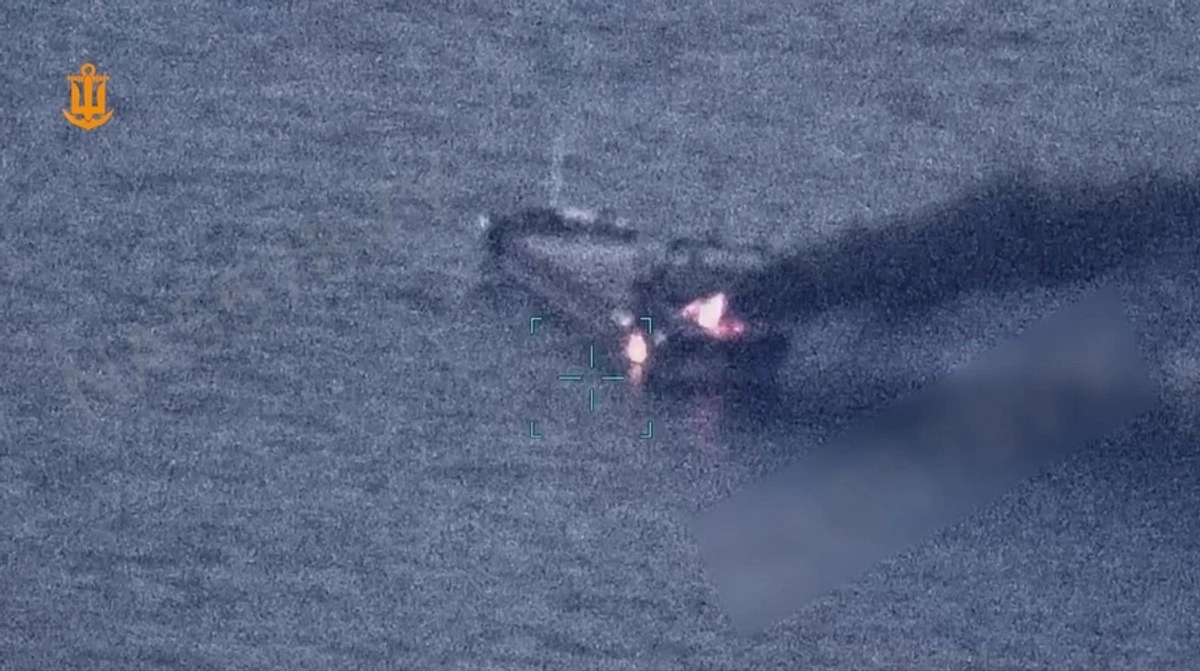
In this context, Foreign Minister Hakan Fidan’s visit to Moscow should not be seen merely as a diplomatic engagement assessing the current state of Türkiye-Russia relations. Rather, it should be viewed from a broader perspective, as it demonstrates how Türkiye seeks to position itself within shifting global power balances, not as an actor that simply follows developments, but as one capable of creating channels of communication between different power centers. Accordingly, the Moscow-Ankara talks were not limited to bilateral relations between the two countries. Black Sea security, the future of the war in Ukraine, energy corridors, developments in the Middle East and debates over a new global order all directly shaped the agenda of the meeting.