React Server Components are not a performance trick. They are not a simpler way to do SSR. They represent a genuine renegotiation of where computation lives in a React application — and if you approach them as an incremental upgrade, you will architect yourself into corners that are painful to escape.
After working through RSC adoption in production Next.js applications, I want to lay out what actually changes at the architectural level: data fetching patterns, bundle composition, state management boundaries, and how teams need to think about component ownership.
How Shift did happened
Before RSC, the React component tree was a client-side concept. Server rendering was a serialization step — you ran the same component code on the server, emitted HTML, then React rehydrated it on the client. The component tree was fundamentally one thing that happened to run in two places.
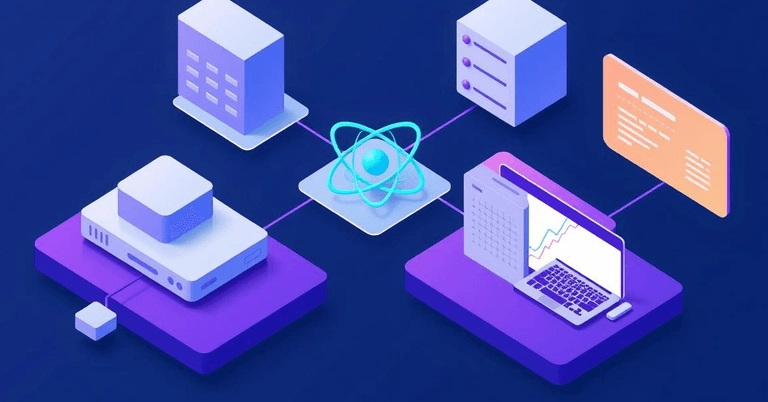
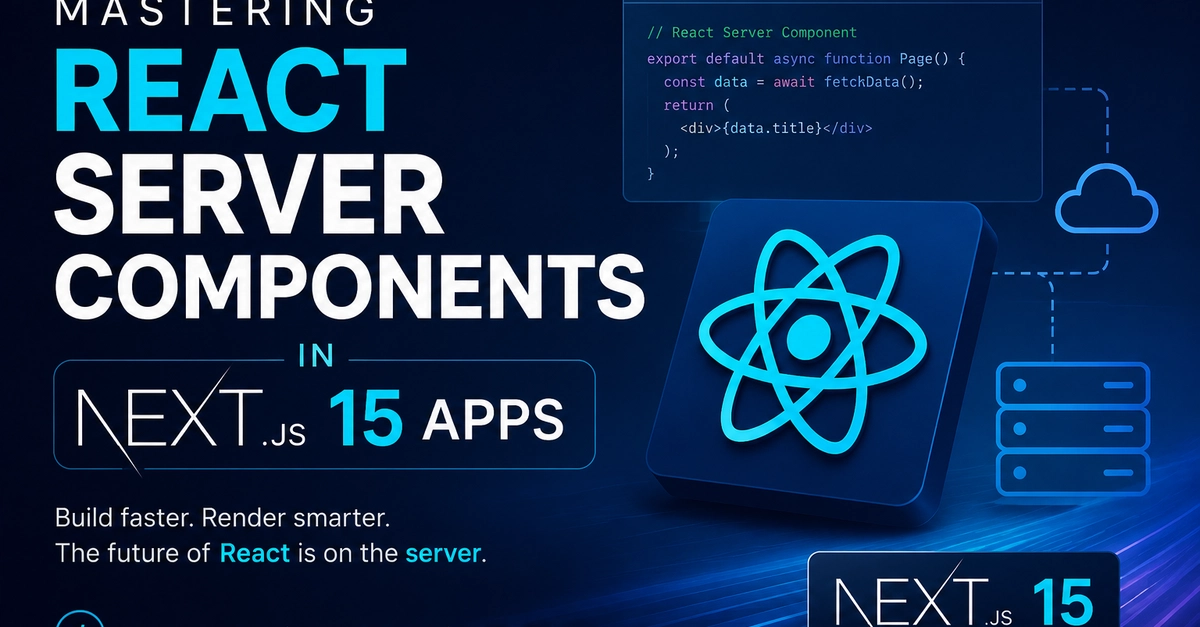
RSC breaks this. The component tree now has two genuinely distinct zones with different capabilities, different execution environments, and a one-way data boundary between them. Server Components run exclusively on the server. They can access databases, filesystems, and secrets directly. They never ship to the browser. Client Components are the subset of your tree that runs in the browser — they receive serialized props from the server boundary and manage their own state and effects.