Mastering React Server Components in Next.js 15 Apps
React Server Components (RSC) have moved from “experimental curiosity” to one of the defining frontend trends for 2026, especially in Next.js apps. Many teams are mid-migration, juggling new rendering rules, data-fetching patterns, and the mental overhead of splitting server and client concerns. The result: a lot of confusion, a bit of cargo cult, and some painful refactors when things go wrong.
This post walks through practical, battle-tested patterns for building real-world Next.js 15 apps with React Server Components using TypeScript. You’ll see how to structure your folders, decide which component lives where, handle data fetching, wire in micro frontends, and keep tests and DX under control. By the end, you should have a clear blueprint you can apply to your existing app this week.
Why React Server Components Matter in 2026
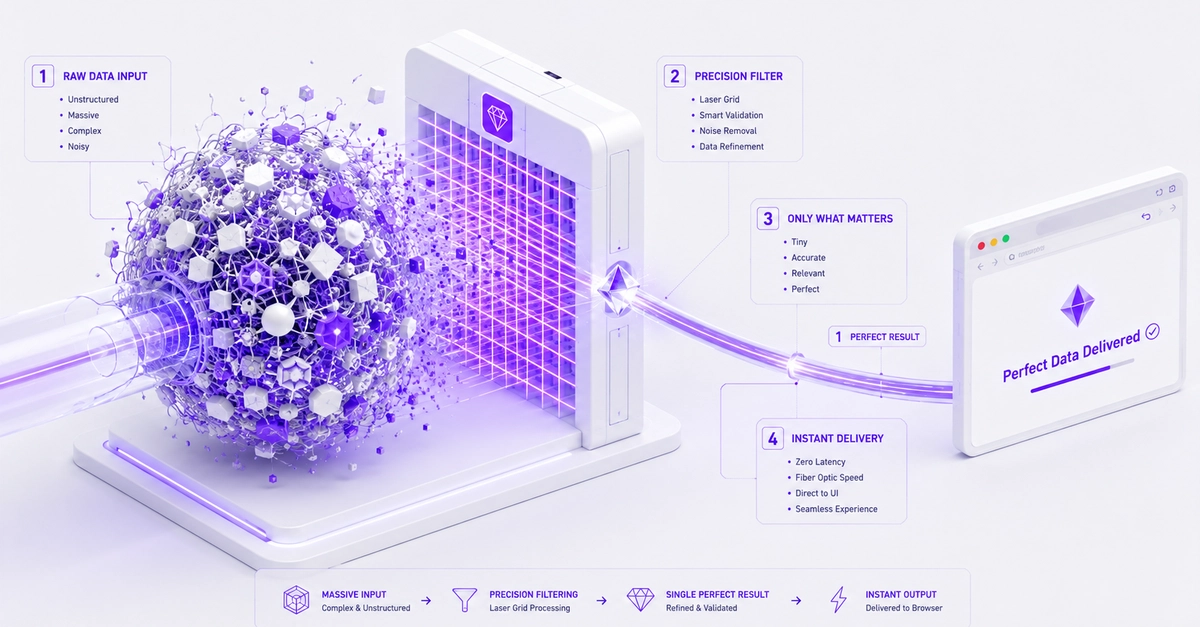
React Server Components let you render components on the server, with access to server-only resources like databases and file systems, while sending a minimal payload to the client. This reduces bundle size and improves initial page load, especially for complex dashboards and data-heavy views.