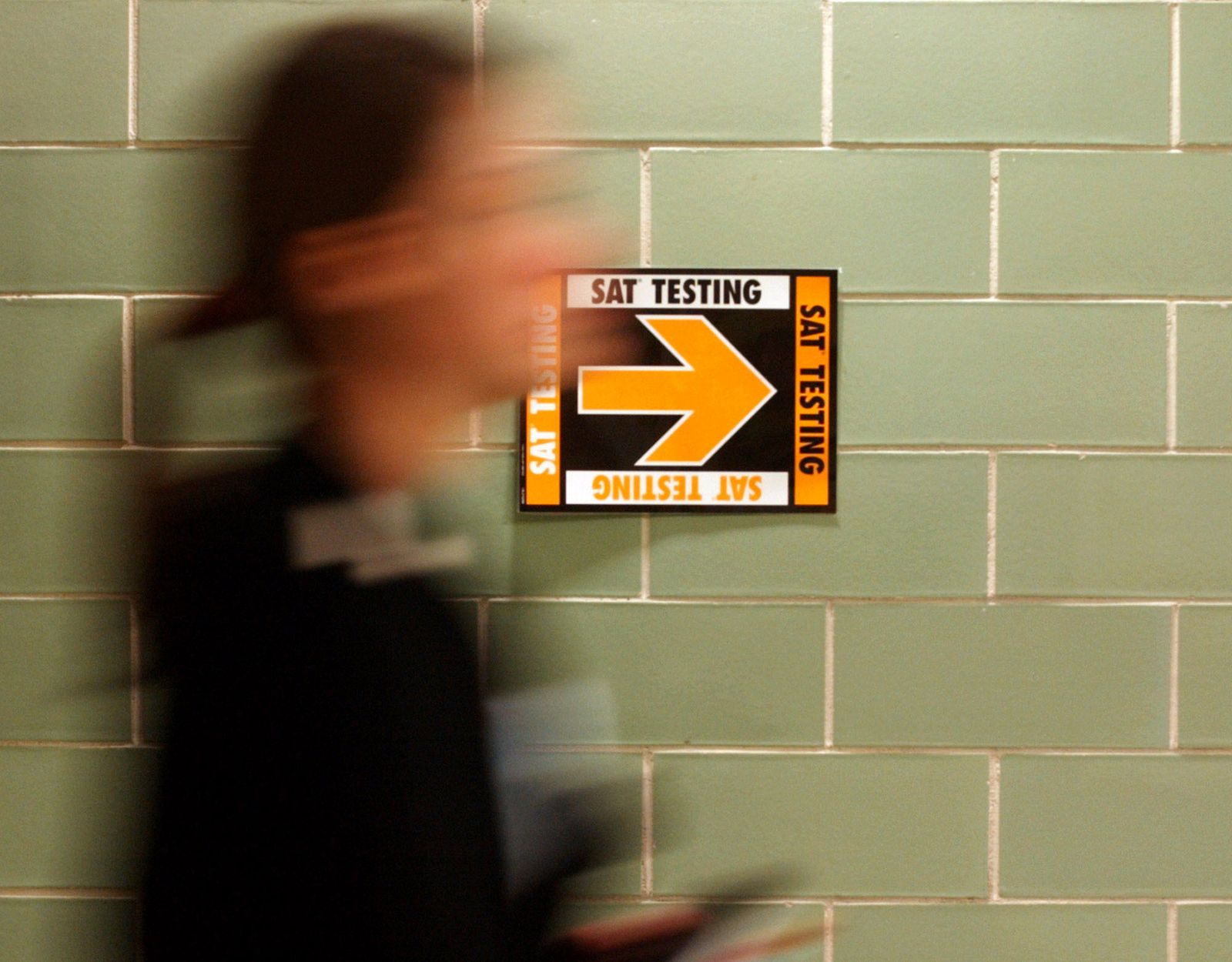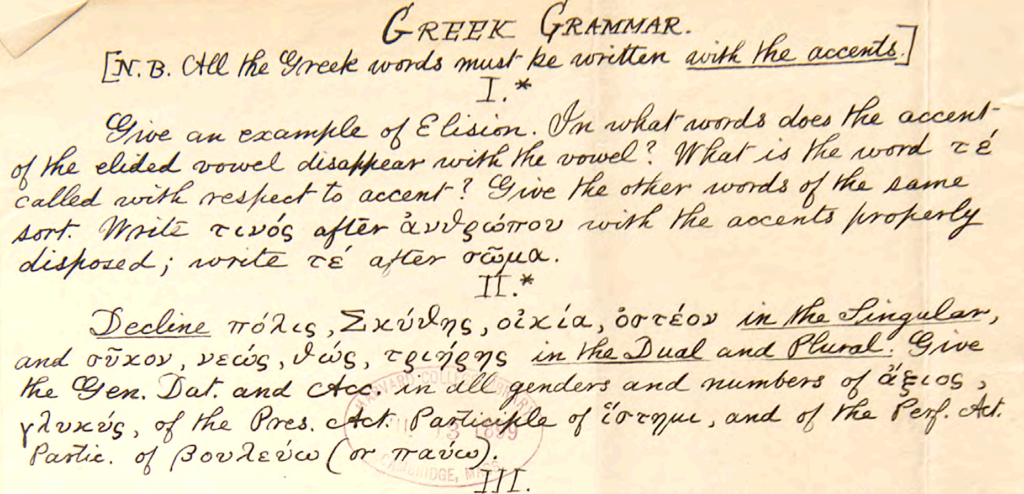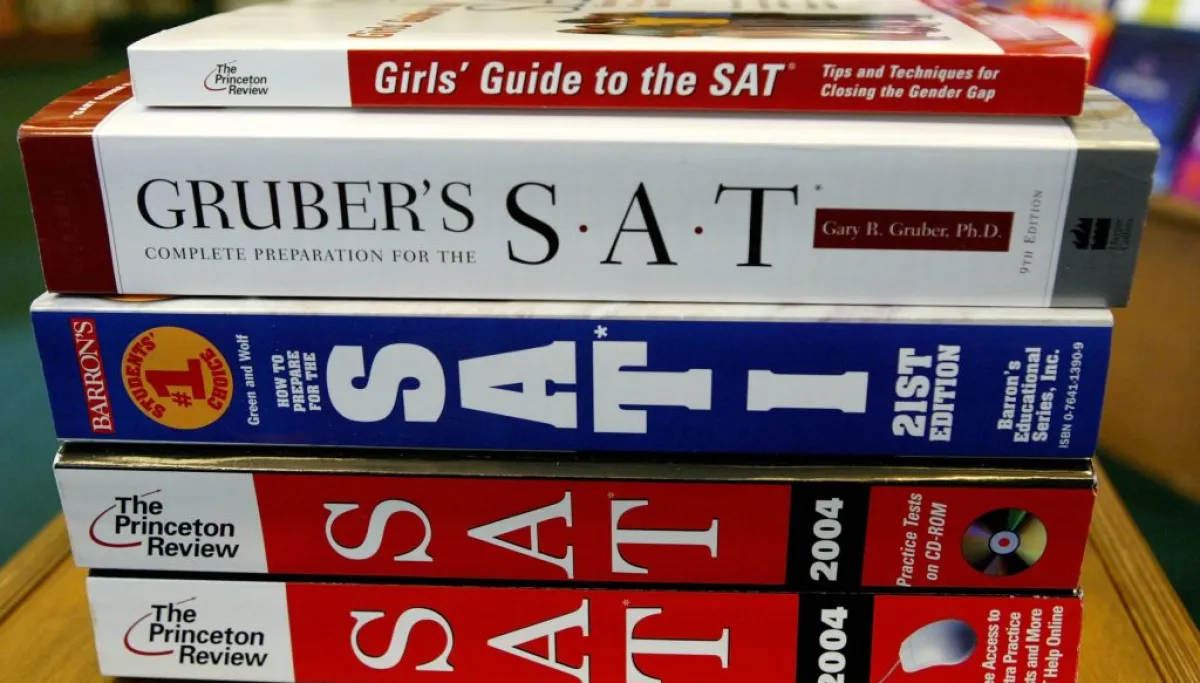
The SAT turned 100 this summer. The dreaded rite for high school students has changed several times since its debut in 1926, but Harvard was there from the start, trying to shape it into a reliable tool to gauge college applicants’ academic readiness.
The test is the best-known product of the College Board — a nonprofit organization formed in 1899 to standardize college admissions. Then-Harvard President Charles W. Eliot was a founding member.
The organization spent its first 2½ decades developing and administering exams on a range of subjects, but it wasn’t until June 23, 1926, that the first SAT — which at its inception stood for “Scholastic Aptitude Test” — was administered to more than 8,000 candidates. The test was elevated to its position as the standard college admissions exam in the 1940s. Today more than 2 million students annually take the SAT.
“The 100th birthday … it’s a question of whether you measure it from when the seed was planted to when it sprouted to when it became the giant tree that it is today,” said Andrew Ho, the Charles William Eliot Professor of Education at the Harvard Graduate School of Education. Ho is a psychometrician whose research aims to improve the design, use, and interpretation of test scores in educational policy and practice.