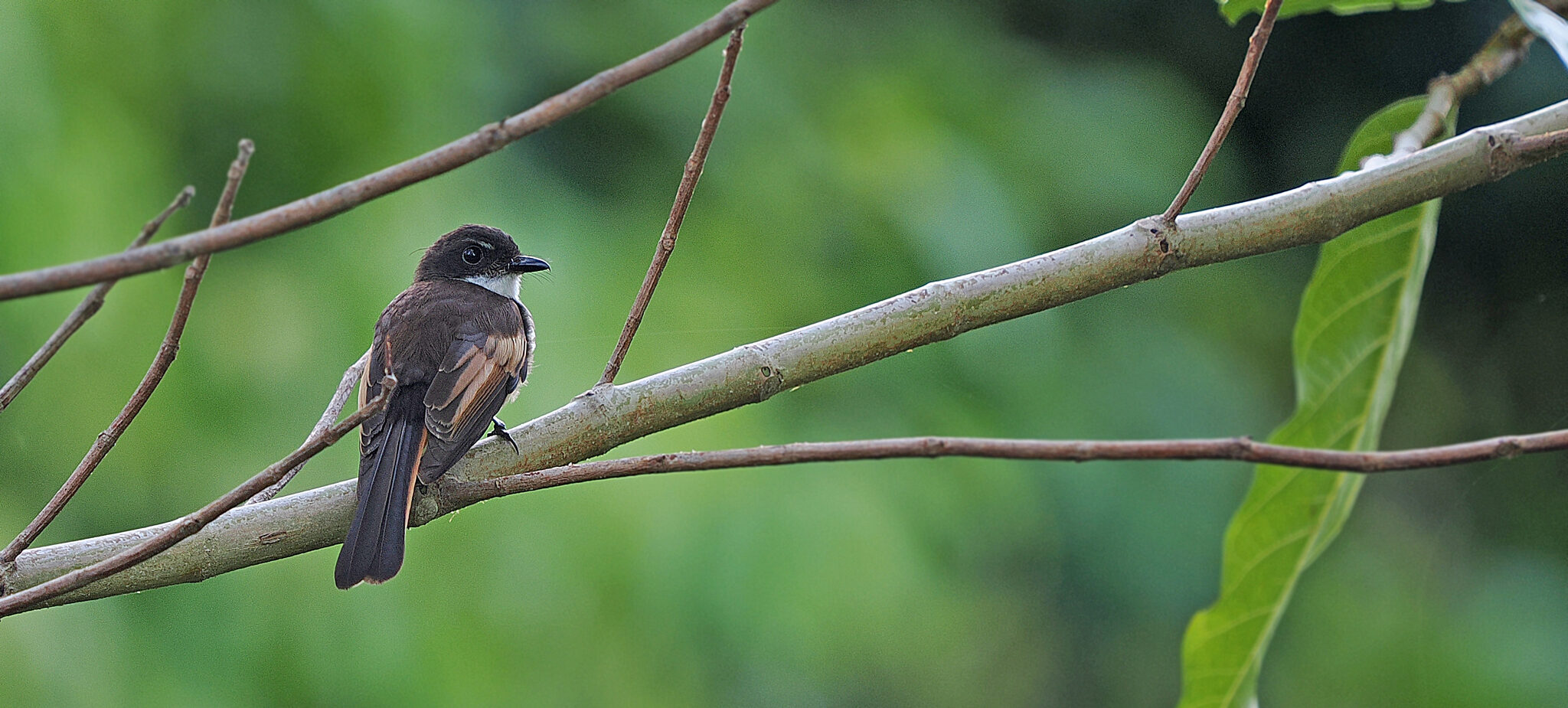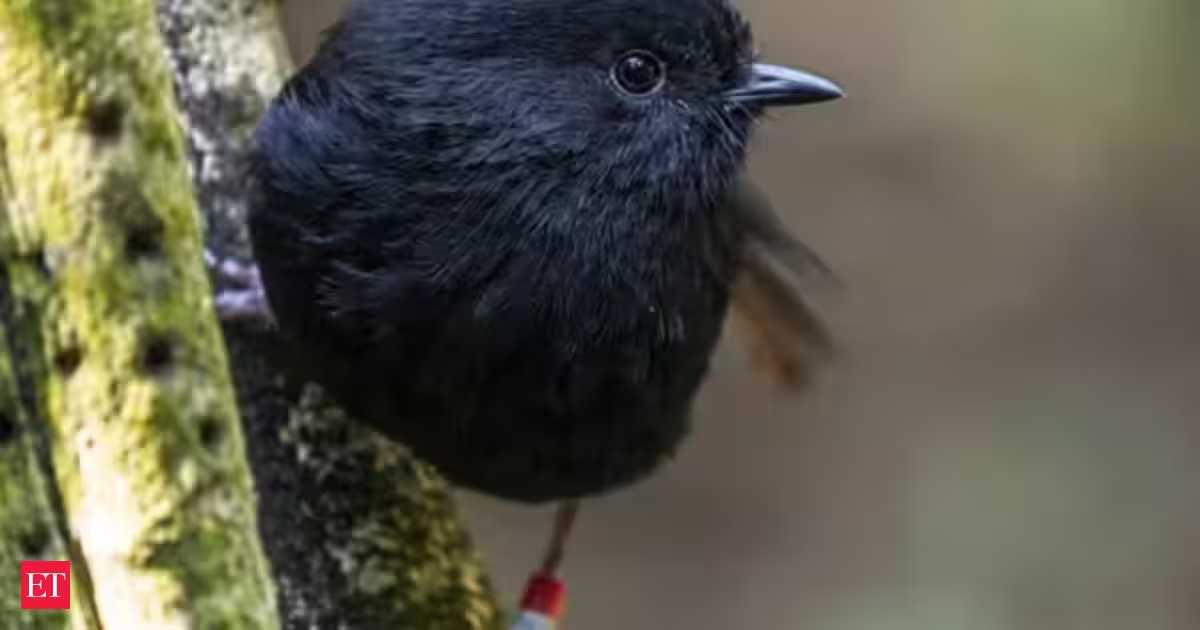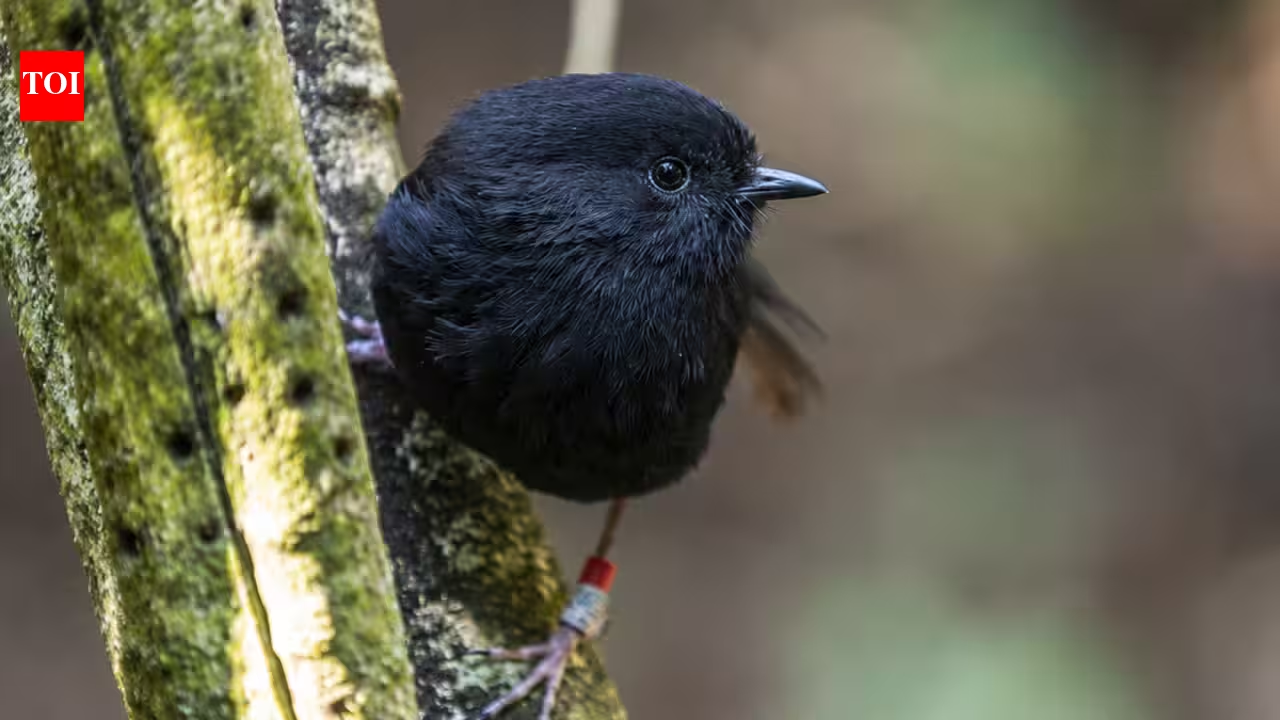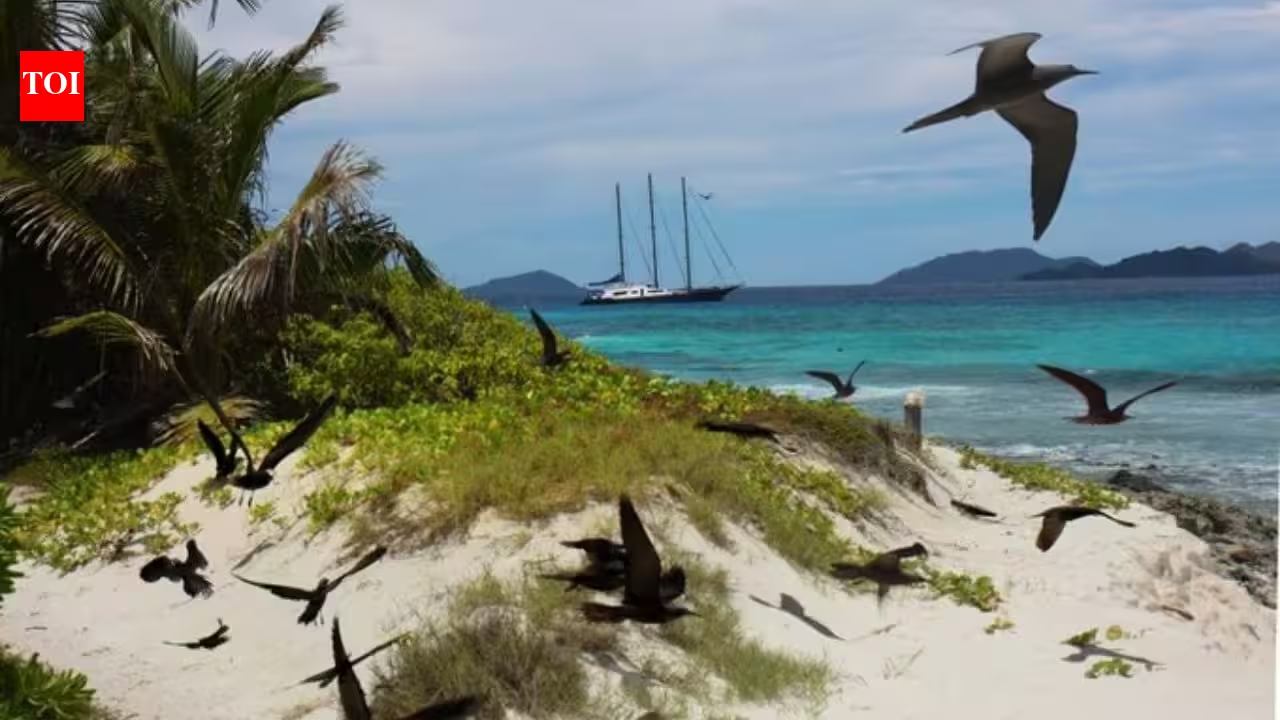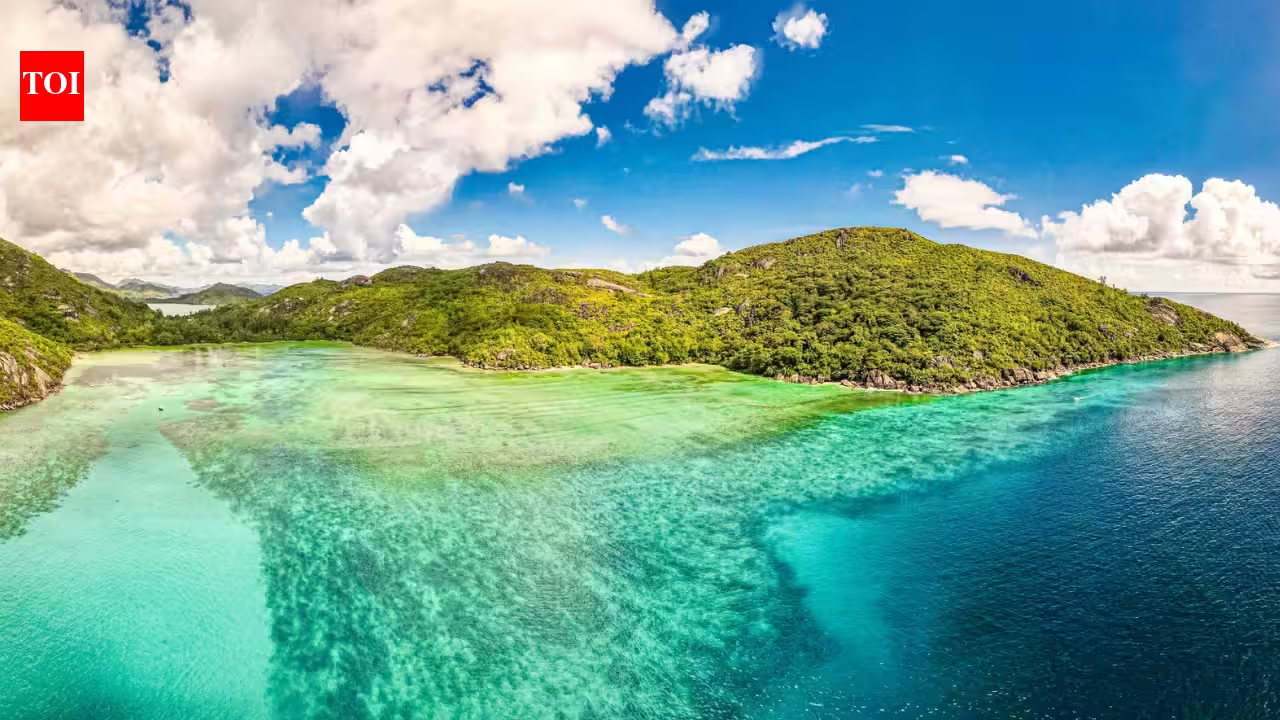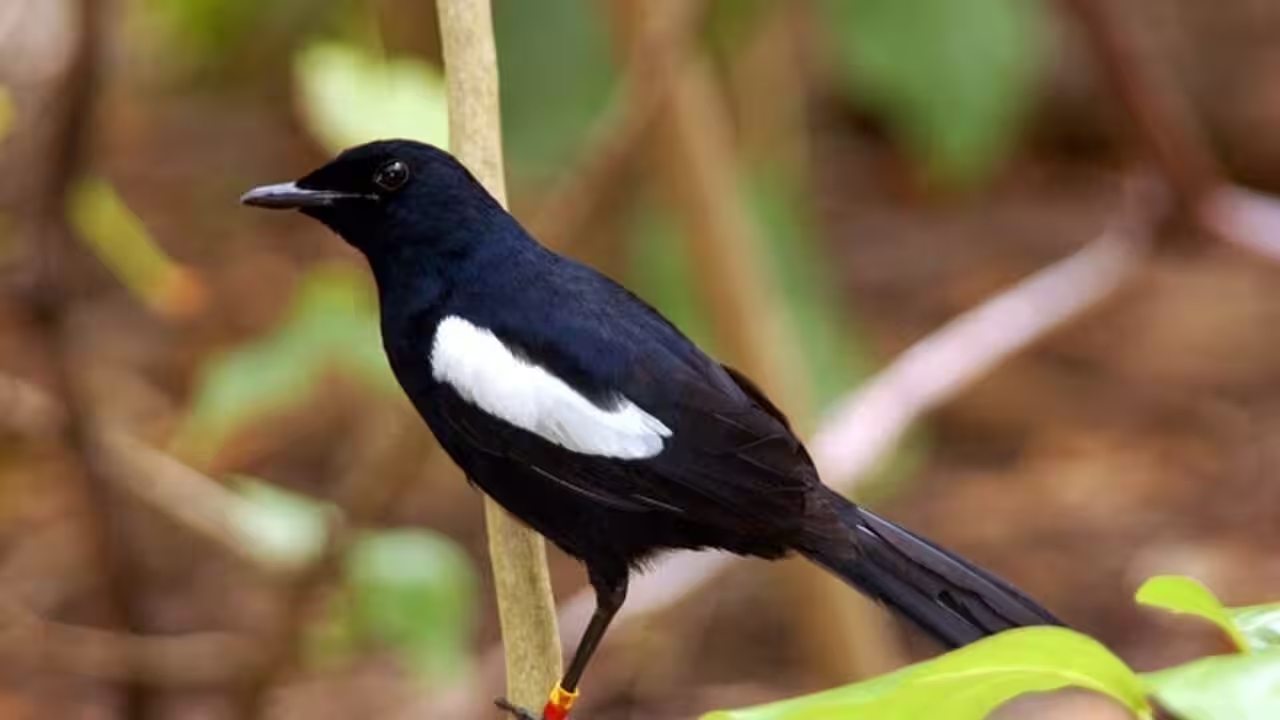
A small island songbird, the Seychelles magpie-robin, has recovered significantly. Image Credit: Wikimedia CommonsAn island songbird that came perilously close to extinction decades ago has rebounded in the Seychelles archipelago after years of conservation efforts. The Seychelles magpie-robin is a small black-and-white songbird endemic to the Seychelles Islands. It was brought back from the brink of extinction after dwindling to just 12 to 15 individuals on Frégate Island in the 1960s. The species has recovered from its historic low and is now found across five islands.According to BirdLife International’s species assessment, the Seychelles magpie-robin (Copsychus sechellarum) remains Endangered on the International Union for Conservation of Nature (IUCN) Red List, primarily due to its very small and restricted population. However, its population trend is currently increasing.An endangered bird speciesThe magpie-robin once lived on several islands in the Seychelles archipelago, but its numbers declined sharply because of habitat destruction and other human threats. By 1965, very few magpie-robins remained on Frégate Island, where there were only about a dozen. It is believed the decline was driven by cats, rats, invasive birds and the loss of forest habitat.The Seychelles magpie-robin’s decline was driven by introduced predators such as cats and rats, along with the loss of forest habitat. They are especially vulnerable because they breed slowly. Unlike many small birds, magpie robins usually raise just one chick per year.Decades ago, this species faced extinction with only a dozen individuals remaining. Conservation efforts focused on habitat protection and predator control to aid its survival. Image Credit: Wikimedia CommonsA rescue operation that altered its fateIn the 1990s, conservationists began a recovery programme for the species. The plan was to protect habitat, control invasive species, improve nesting sites and move birds to new islands to establish new colonies. Nature Seychelles reports that conservationists collaborated with island communities and organisations to rehabilitate habitats and ensure the safety of breeding groups. This included actions like installing nest boxes, dealing with predators and tracking individual birds.One of the most significant steps was translocating birds from Frégate Island to predator-free islands such as Cousin, Cousine, Aride and Denis. According to BirdLife International, the population of this bird rose from an estimated 86 in 2000 to 178 in 2006 after the translocations and improvements in habitat management. In 2015, an estimated 283 birds were counted on five islands, which is roughly 190 mature birds.Importance of island conservationThe Seychelles magpie-robin illustrates the challenges of conserving island species. Because they evolved in isolation, island species are especially vulnerable to human threats and often lack defences against them. For example, predators such as cats and rats, which are common elsewhere, can cause serious harm if introduced to an island environment.A study in Conservation Evidence found that conservation interventions such as translocation played a role in improving the population trend of Seychelles magpie-robins following their introduction to new islands. Another lesson from the recovery programme was the importance of controlling invasive species. In particular, rats and the common myna were controlled on Frégate Island.Endangered, yet not lonely anymoreDespite these successes, the Seychelles magpie-robin remains one of the rarest bird species in the world. Their natural habitat is restricted to the Seychelles Islands only, and conservationists keep track of their population and manage potential threats to them, such as invasive species and climate change.The survival of the bird will depend on sustaining good conditions on the islands and preventing the reintroduction of their predators, which nearly drove them to extinction in the past. For now, it stands as one of conservation's notable success stories.
A songbird fell to just 12 to 15 birds on one island: Decades of rescue work later, the Seychelles magpie-robin now survives across five islands
An island songbird that came perilously close to extinction decades ago has rebounded in the Seychelles archipelago after years of conservation efforts. The Seychelles magpie-robin is a small black-and-white songbird endemic to the Seychelles Islands.
588 words~3 min read