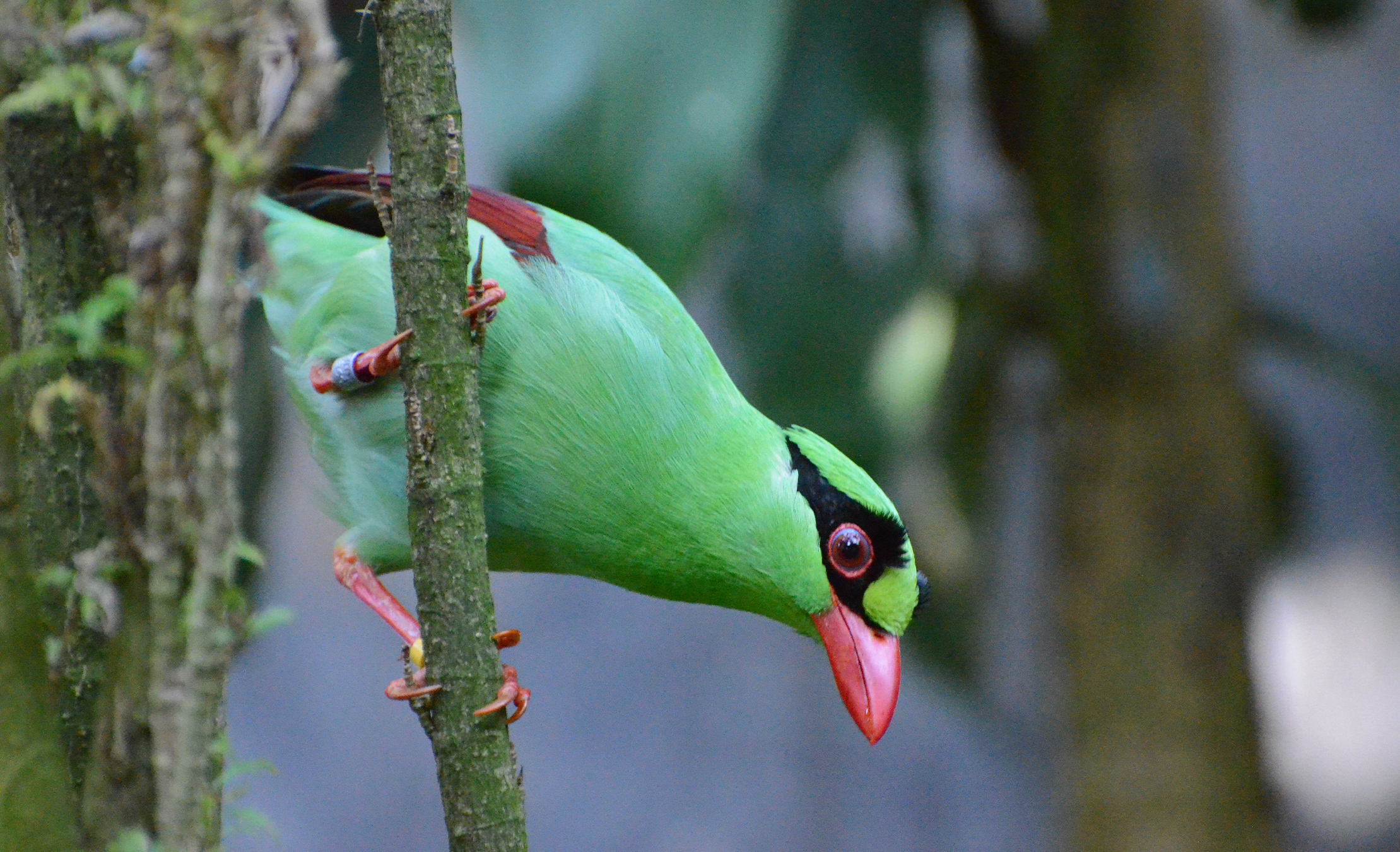
The critically endangered Javan green magpie, an Indonesian songbird with perhaps as few as 50 individuals left in the wild, has become the focus of a new 10-year conservation action plan developed by nearly 50 experts and conservation organizations.Once widespread in West Java’s upland forests, the species has been driven to the brink by habitat loss and trapping for the songbird trade, with surveys between 2018 and 2021 failing to find any birds at many former strongholds.The plan aims to protect remaining habitat, work with local communities to reduce trapping, strengthen enforcement against illegal trade, and support future conservation translocations using birds bred in captivity.Conservationists say the effort could also benefit other threatened species and mountain forest ecosystems, but warn that increased attention on the bird could inadvertently stimulate demand from wildlife traffickers and collectors.
Teetering on the brink of extinction, Indonesia’s Javan green magpie may have a conservation lifeline after national and international conservation NGOs launched an action plan to preserve it in the wild.
Javan green magpies (Cissa thalassina) are endemic to the upland forests of West Java province, but have been assessed as critically endangered, with as few as 50 of the birds remaining in the wild. Habitat loss and poaching for the songbird trade have greatly reduced their numbers and led to local extinctions in some areas.