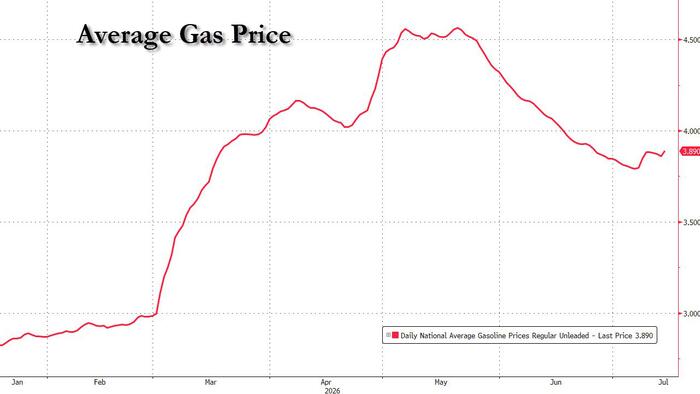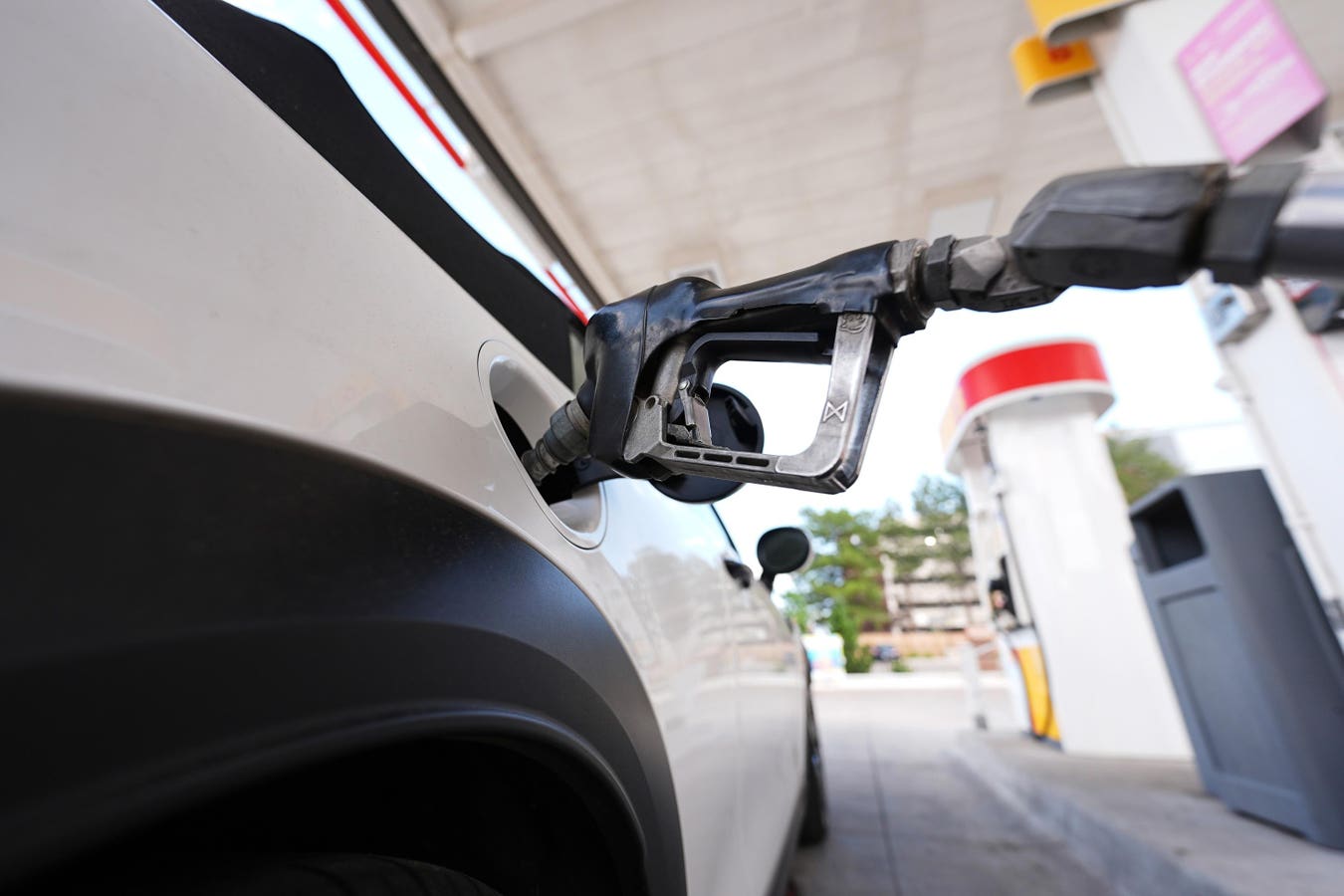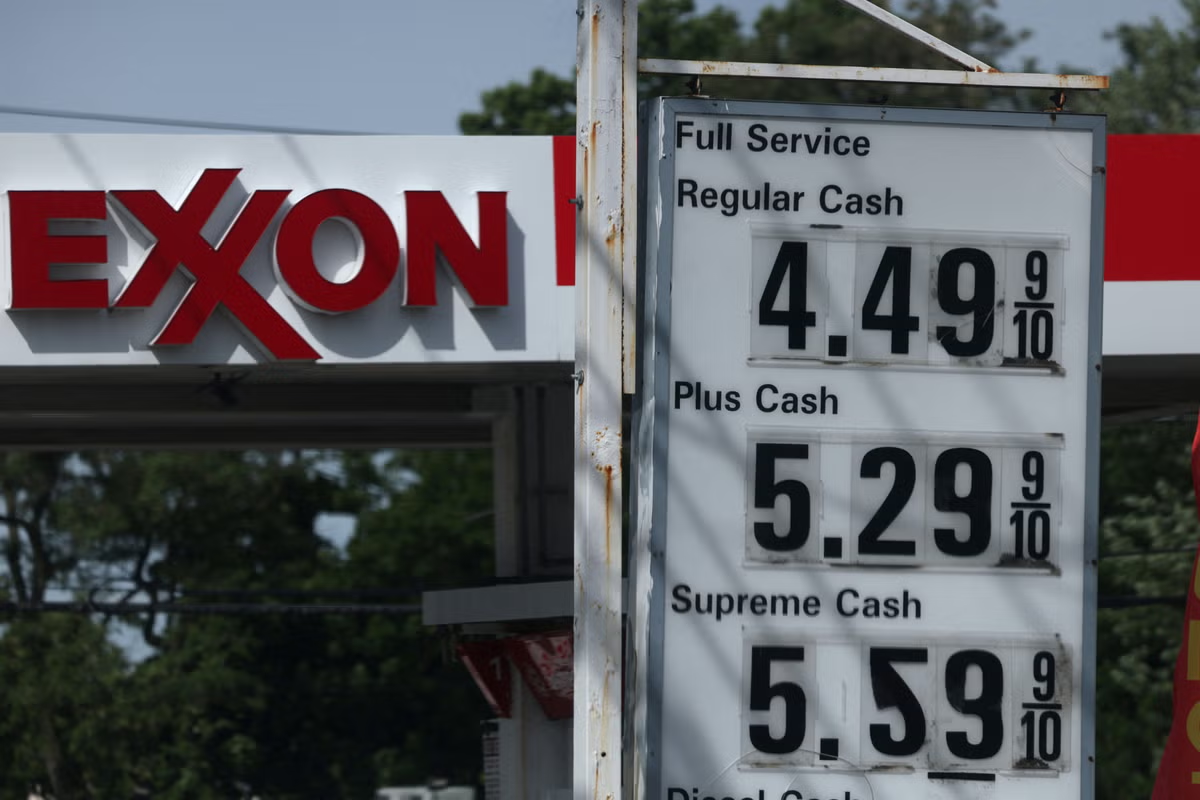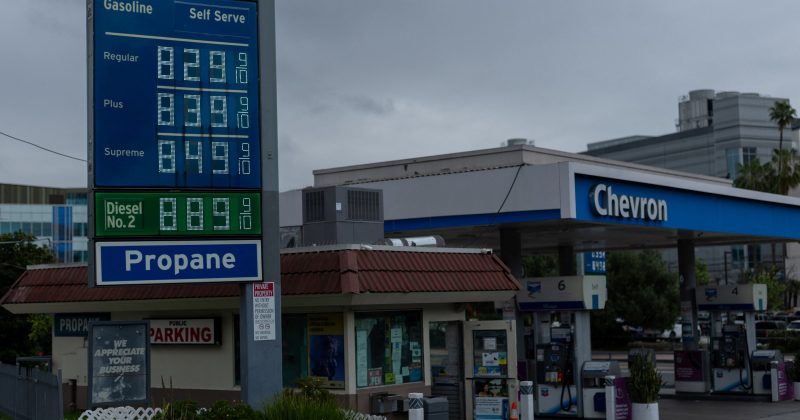
American drivers are paying more than $4 per gallon at the pump again, and the reason is familiar: fighting in the Middle East has markets pricing in the possibility that oil supply gets complicated fast.
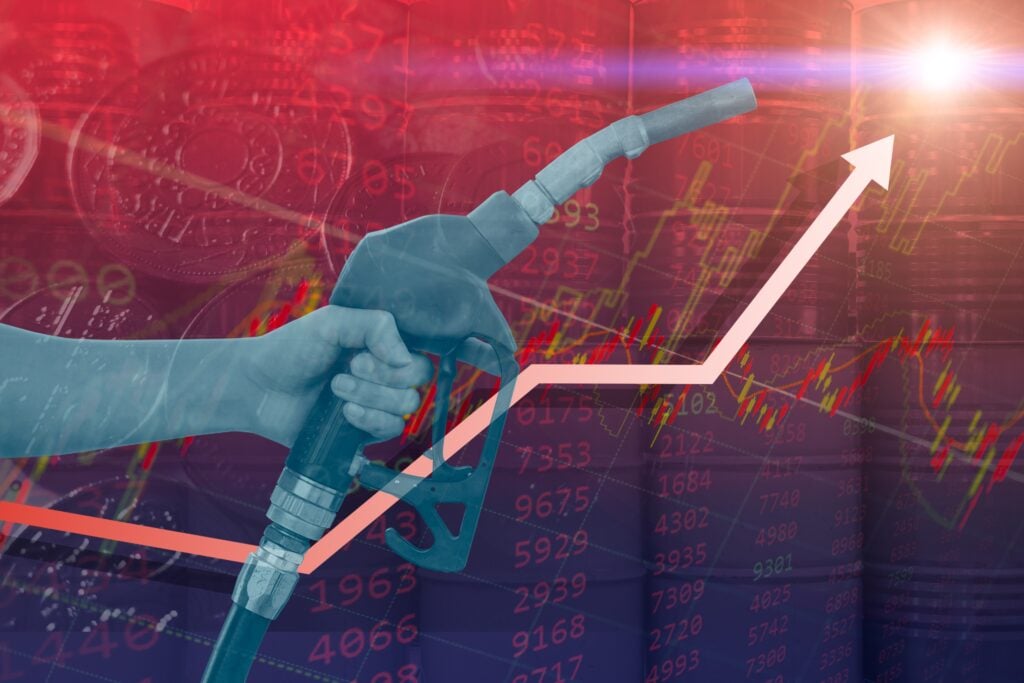
The $4 threshold is not just a round number. It carries real psychological weight for consumers and policymakers alike, the kind of figure that starts showing up in inflation surveys, Federal Reserve meeting minutes, and eventually, asset prices across the board.
Why a gasoline number matters to financial markets
Here is the basic chain of events. Conflict escalates in the Middle East, traders attach a risk premium to oil because the region sits on a significant portion of global supply routes, crude prices climb, and that cost filters down to the pump within days.
The supply-risk premium concept is important here. Markets do not wait for actual supply disruptions to price in danger. The mere credible threat of disruption is enough to push energy costs higher, which is exactly what appears to be happening now.