The paradox of being prime minister, Tony Blair observed, is that a leader “starts at their most popular and least capable and ends as the least popular and most capable”.
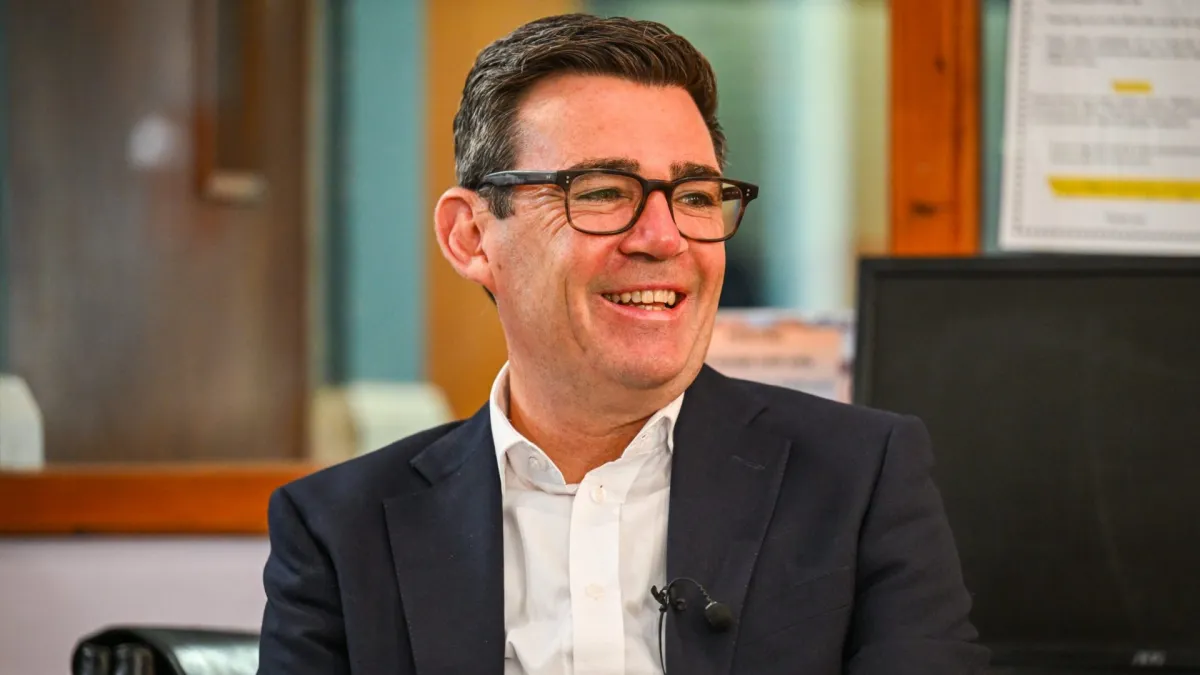
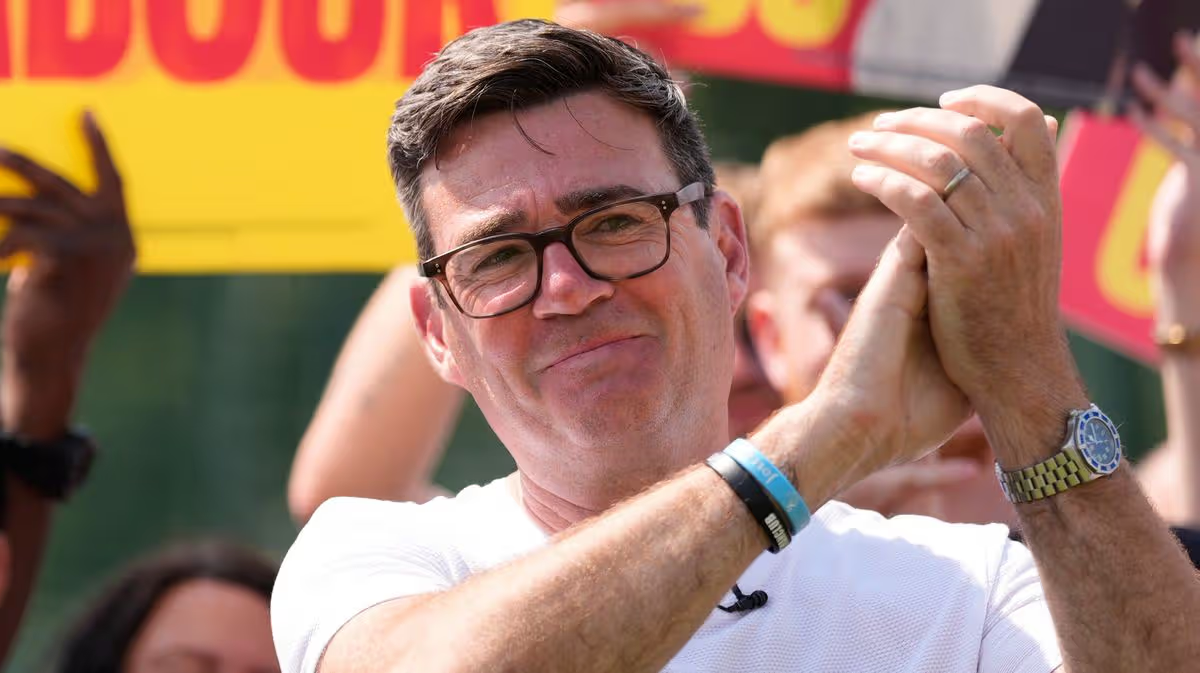
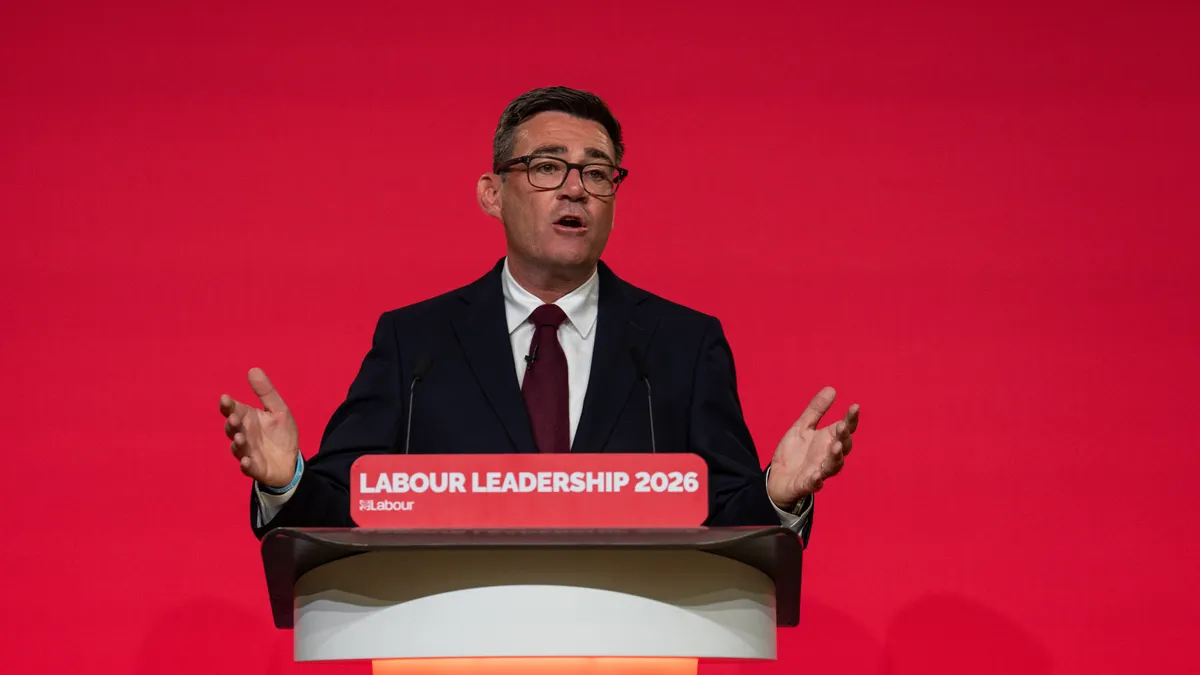
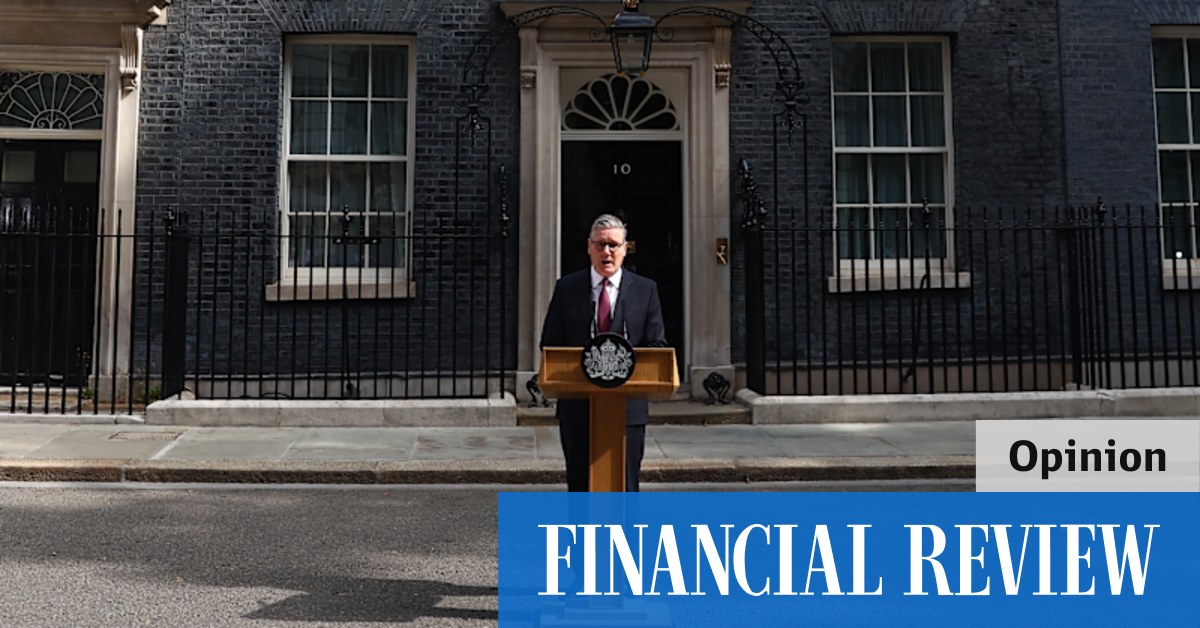
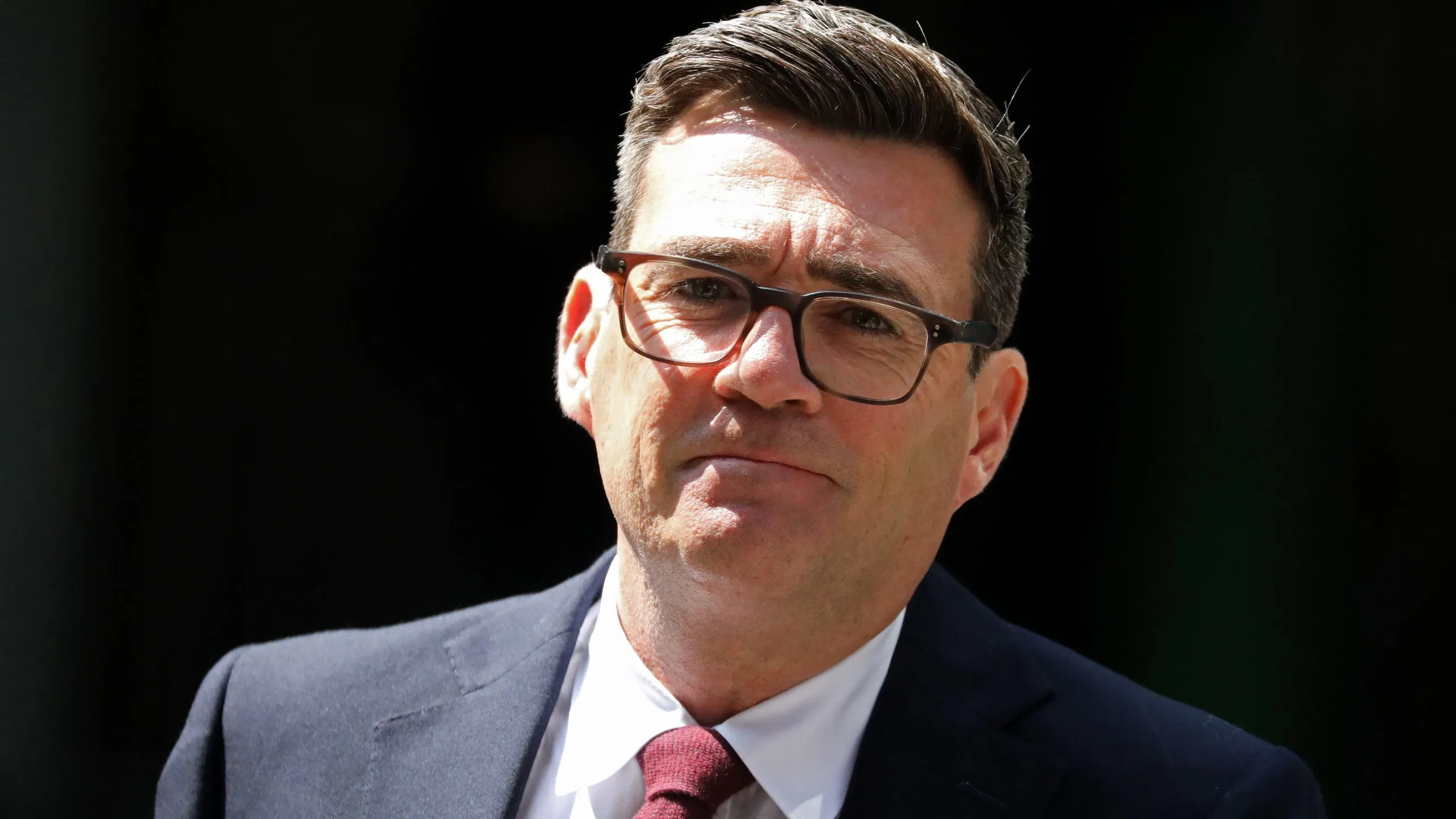
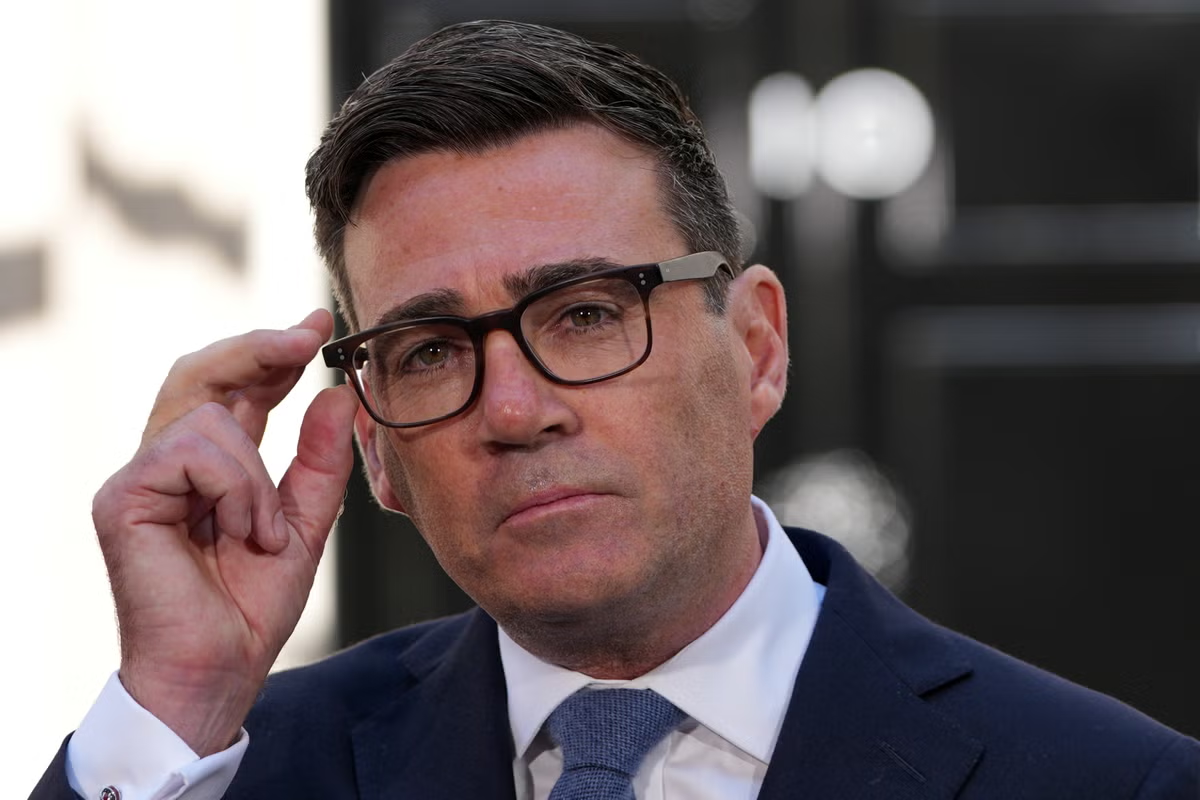
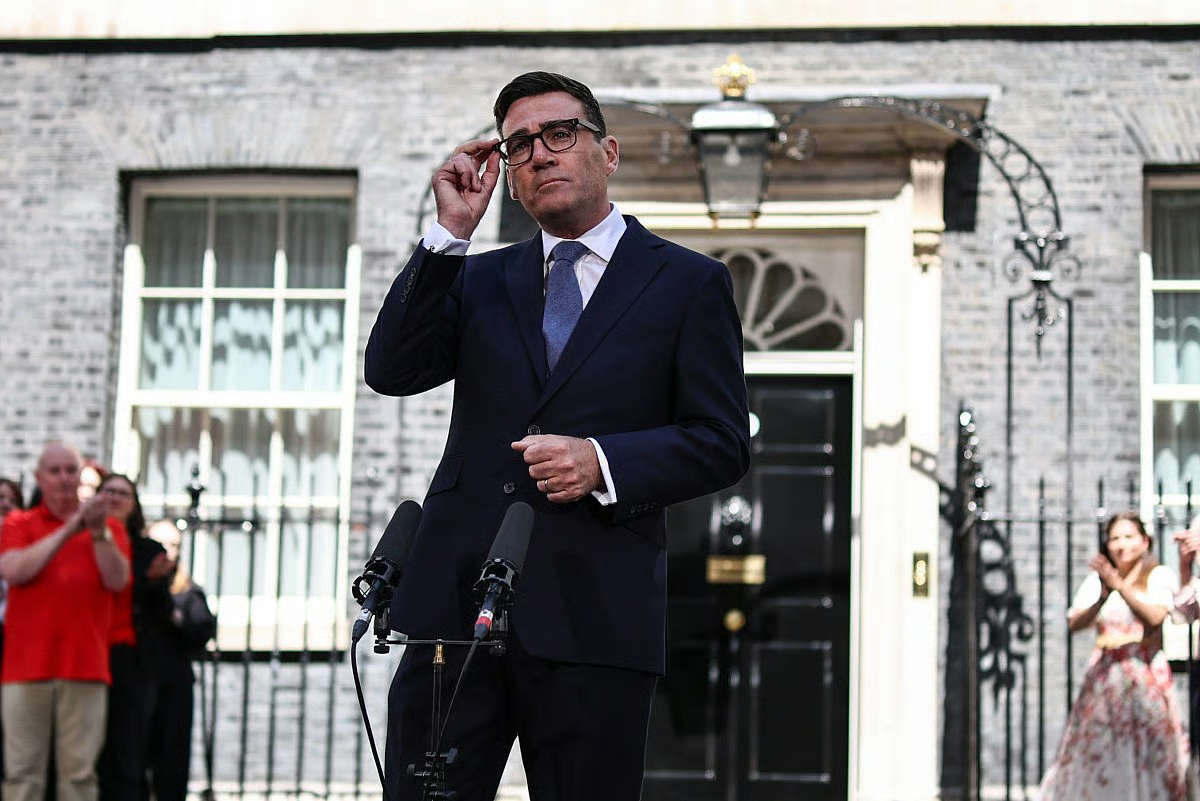
Andy Burnham might ponder this insight as he prepares to enter Downing Street. Right now, he’s never been so popular or so powerful. Labour MPs are toadying up to their new leader, each swearing fealty. But the question remains: is he up to the top job?
Nothing prepares a politician for the job of prime minister. Leader of the opposition? Hardly. Mayor of Manchester? Nice try. And once you’ve got the job, nothing prepares you for losing it. Blair lasted a decade and never quite got over leaving No 10 under duress. In his experience, the stress, the demands on time management and the need to compartmentalise are on a different level.
So what makes a good prime minister? In his memoir, James Callaghan, an underrated occupant of No 10 between 1976 and 1979, when the country was gripped by economic crisis, quoted with approval the Victorian era novelist Anthony Trollope. “One wants in a Prime Minister a good many things, but not very great things. He should be clever but need not be a genius; he should be conscientious but by no means straight-laced; he should be cautious but never timid, bold but never venturesome; he should have a good digestion, genial manners and, above all, a thick skin.”