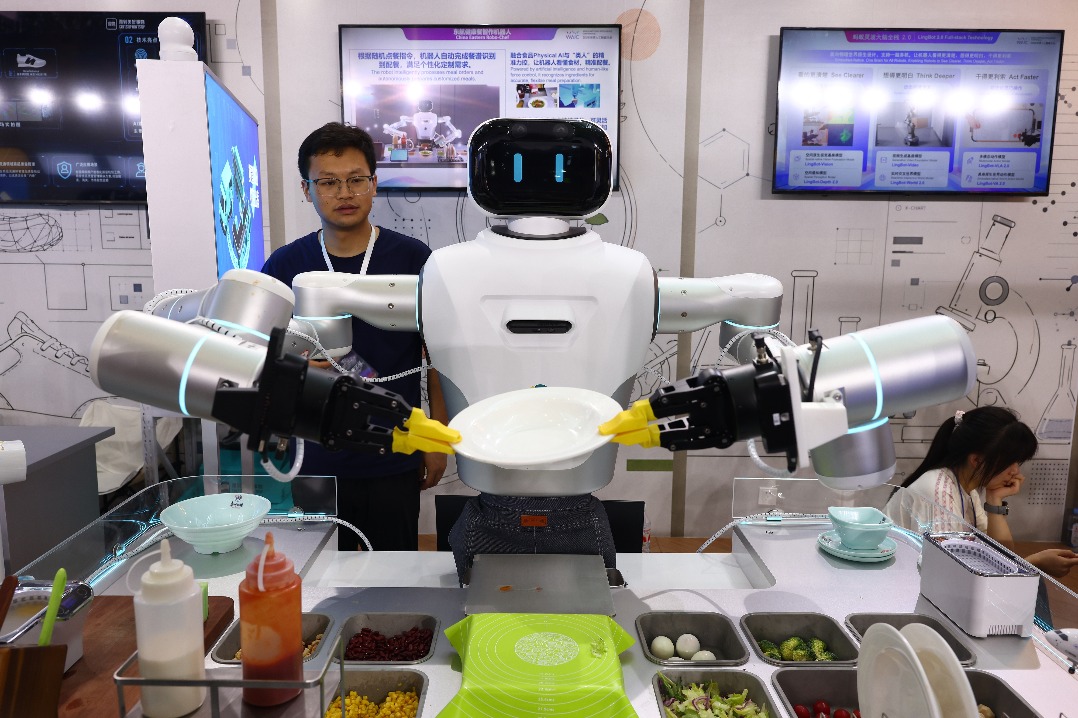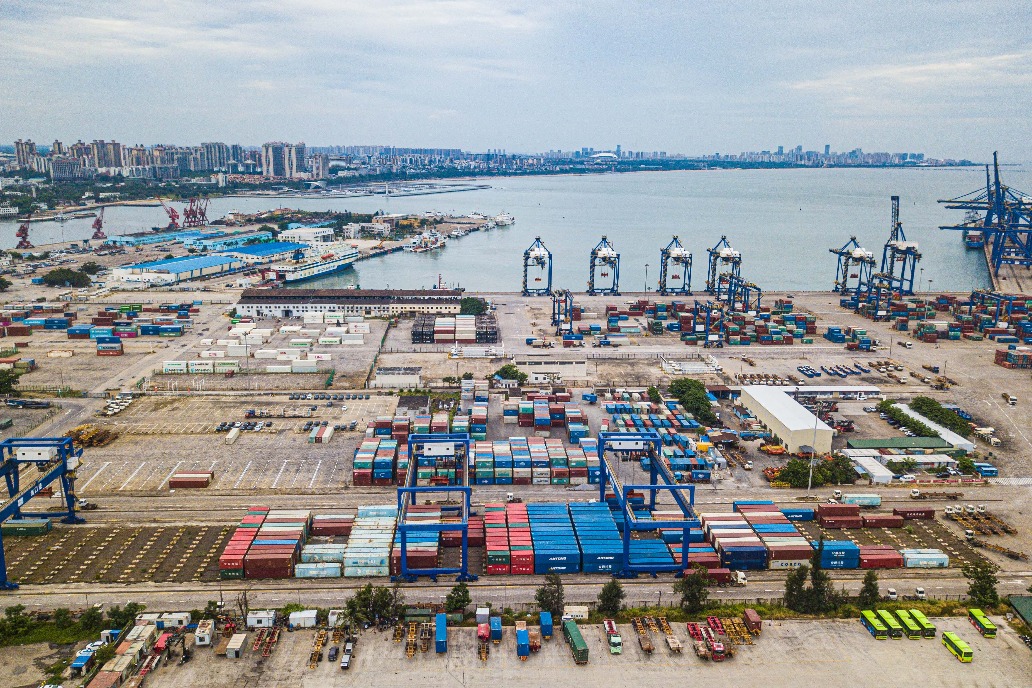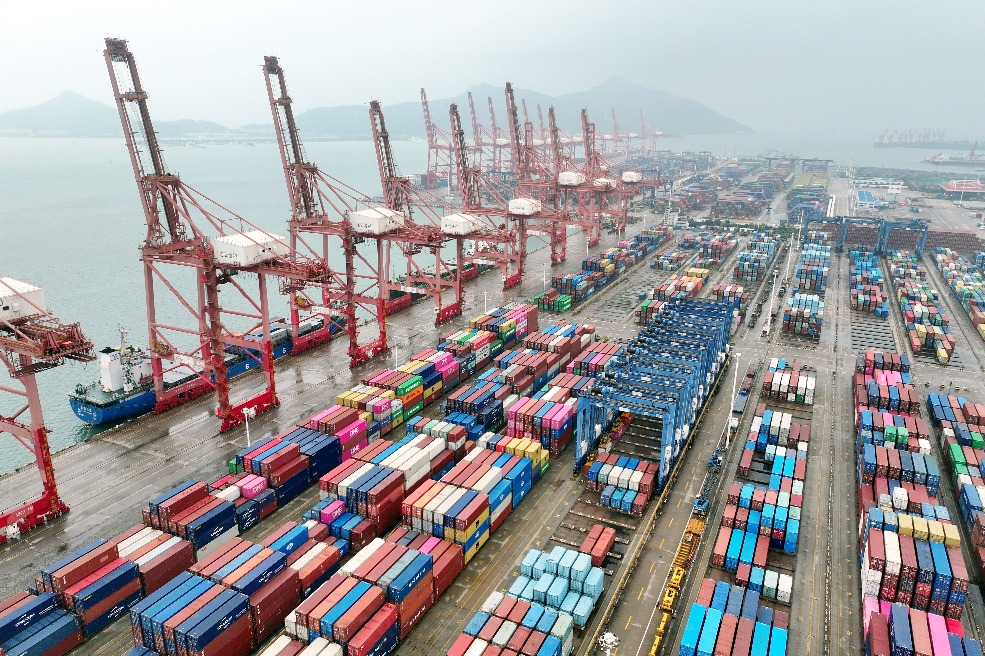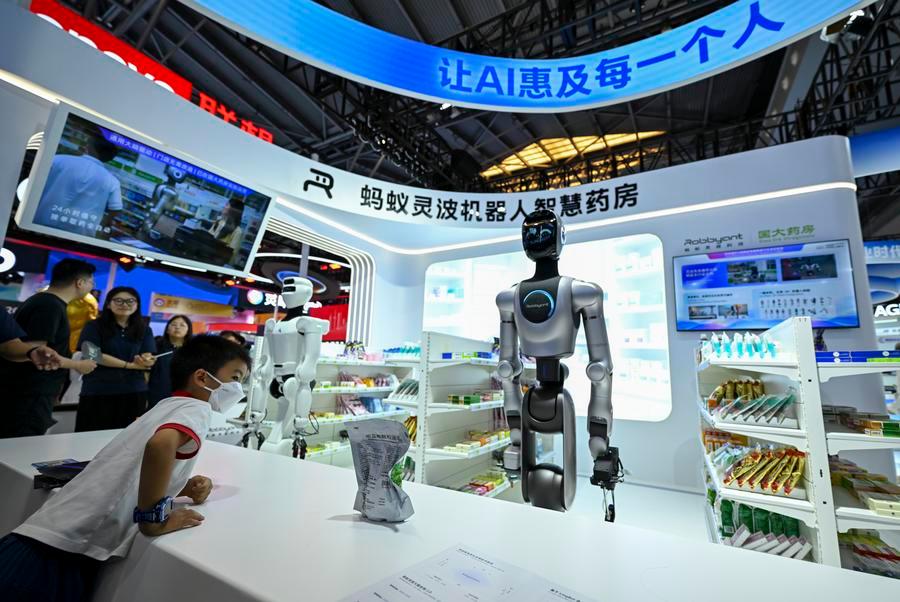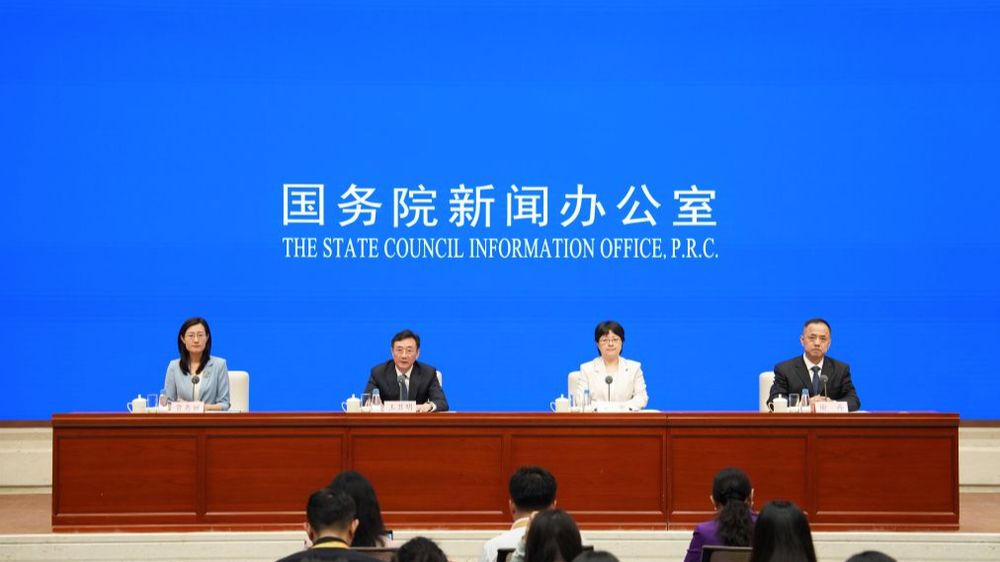
The State Council Information Office (SCIO) holds a press conference on development of industry and information technology in the first half of 2026 in Beijing, capital of China, July 20, 2026.
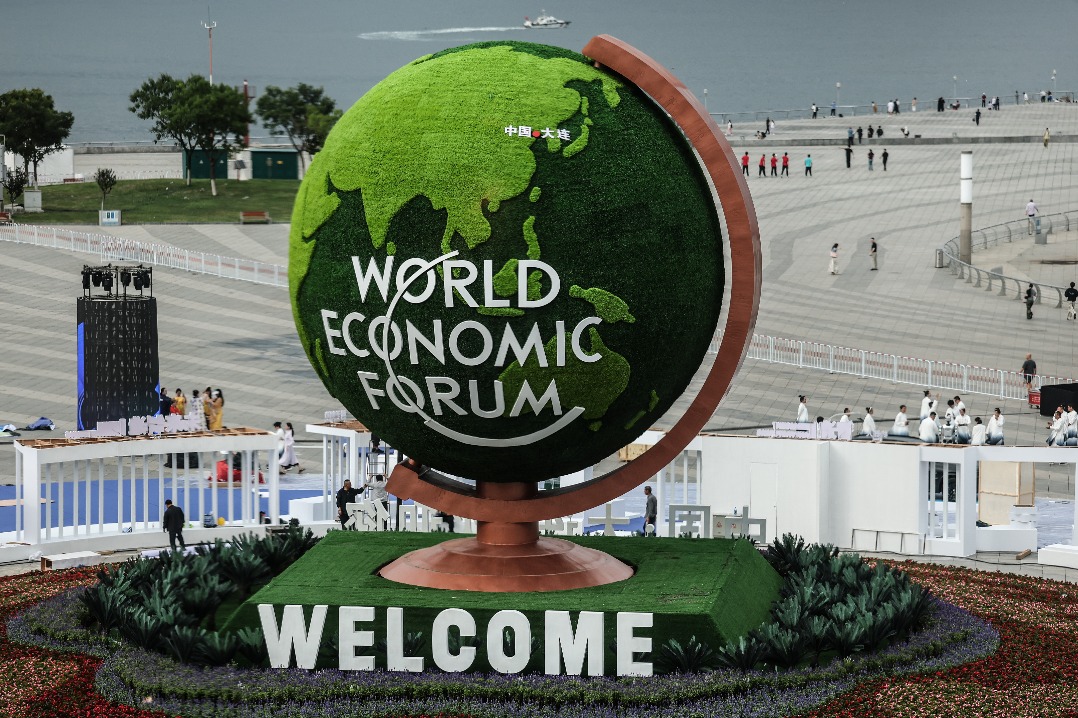
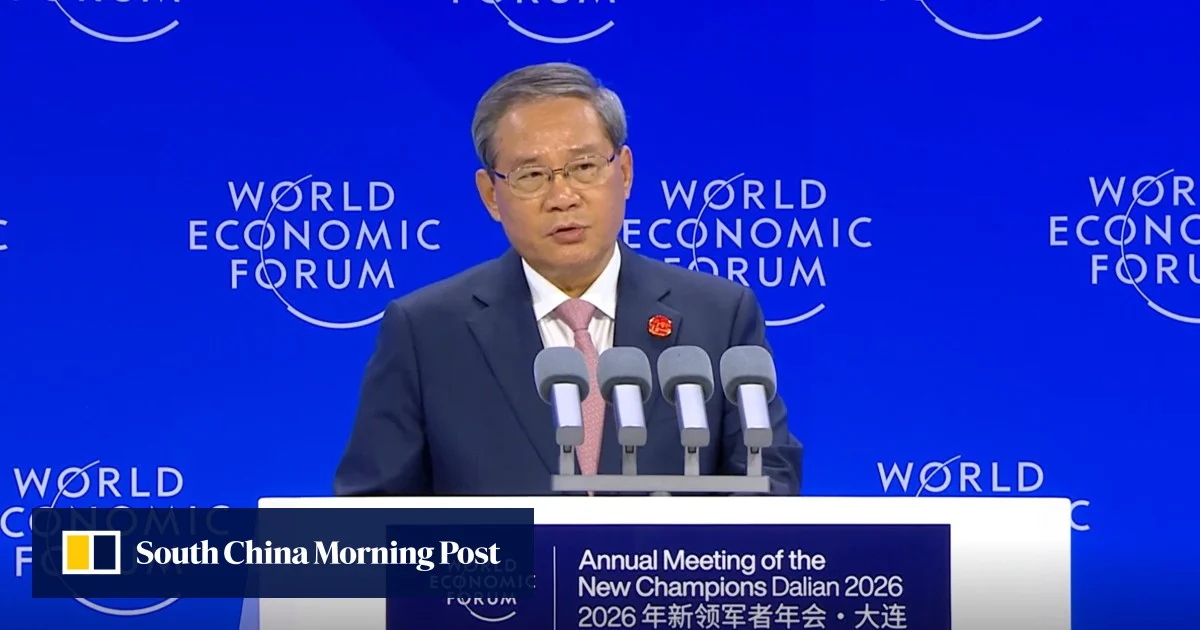
Late last month in Dalian, at the World Economic Forum's Annual Meeting of the New Champions, Premier Li Qiang used a phrase that has been circulating in policy circles ever since: China opportunity 2.0. He was pushing back against a more pessimistic label some Western commentators have started using, (China shock 2.0), to describe Beijing's advances in AI, robotics and advanced manufacturing. Strip away the rhetorical sparring and there is a genuine argument underneath it, one that African trade officials would do well to take seriously rather than dismiss as another set-piece speech.
Li built his case around four words: stability, innovation, dynamism and integration. It is worth going through them, because each has a version already playing out on this continent, and the next fifteen years, the horizon of China's newly launched Five-Year Plan will test how far that continues.
Let’s start with stability, since it is the least glamorous and the most consequential. China's economy grew 5% in the first quarter of this year and maintained a sound momentum through the second, even as energy shortages and supply-chain disruption rattled much of the rest of the world. For African exporters, that steadiness matters more than any single trade deal. A Zambian copper producer or a Ghanaian cocoa cooperative does not need China to grow spectacularly; it needs China to keep buying, year after year, without the demand cliffs that have periodically hit commodity exporters when other major economies stumble.