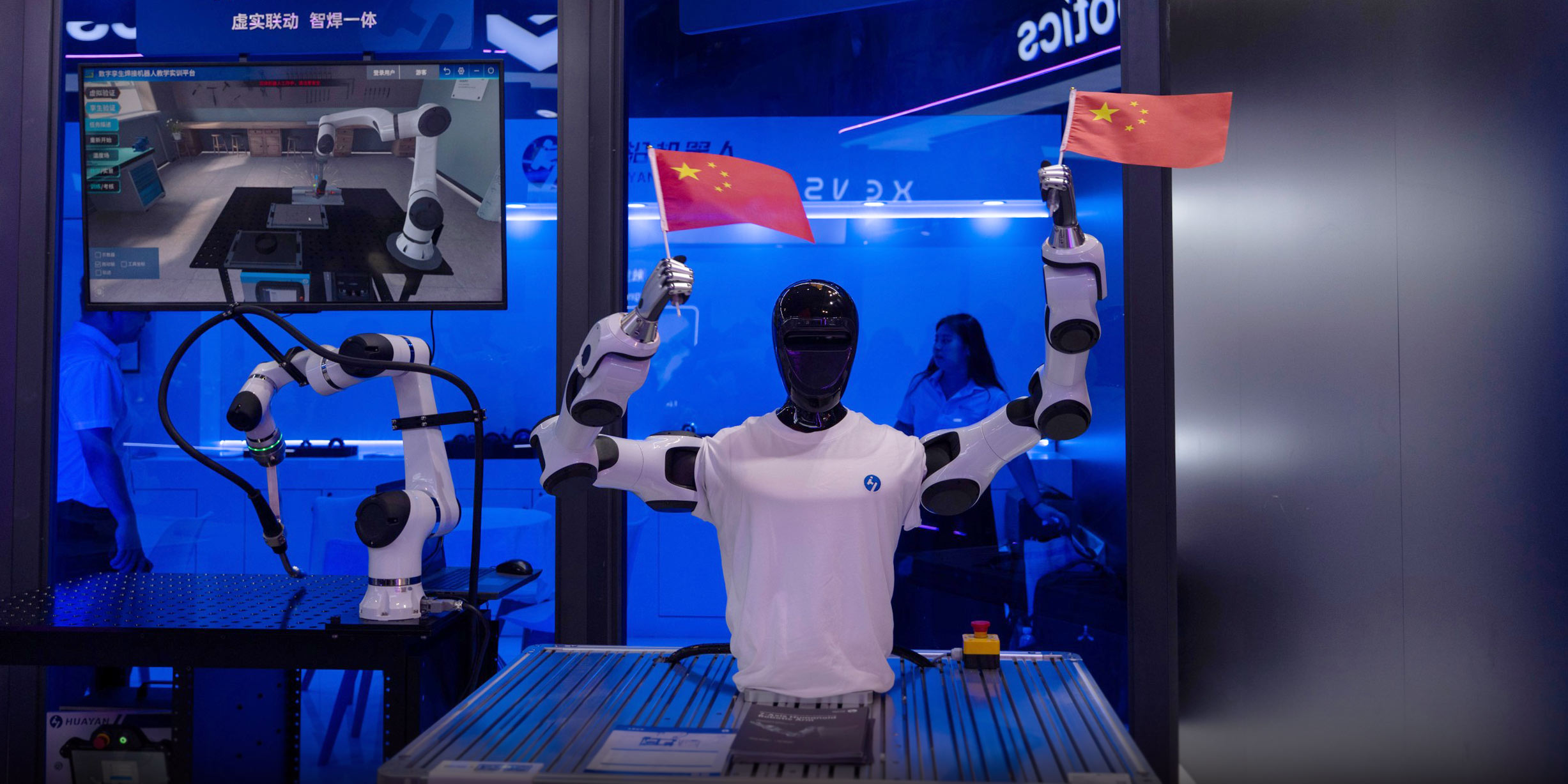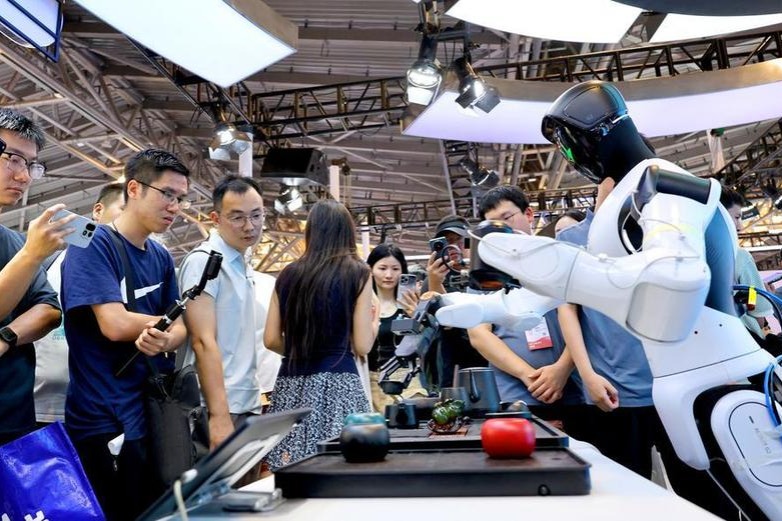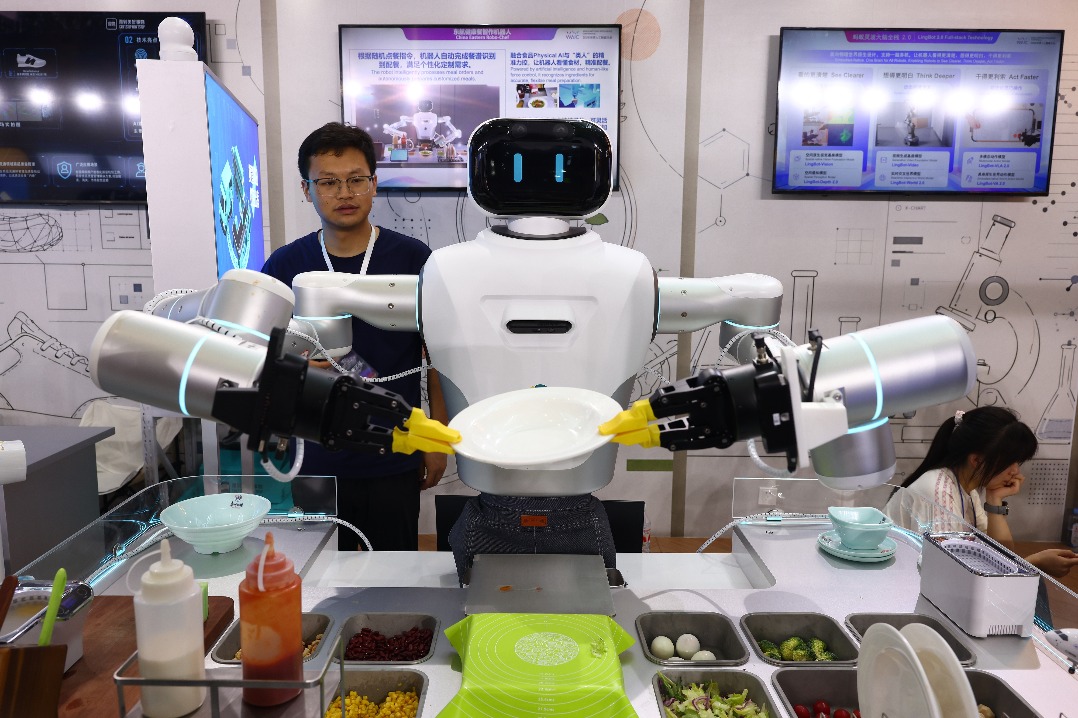
A robot prepares a meal at the 2026 World Artificial Intelligence Conference and High-Level Meeting on Global AI Governance in Shanghai, on July 16. [Photo/VCG]
Editor's note: After the release of China's first-half 2026 economic data, China Daily invited chief executives and senior leaders from key multinational companies to share their perspectives on the world's second-largest economy. Their insights go beyond short-term growth, offering a closer look at the evolving "China Opportunity 2.0" narrative amid ongoing debate over the so-called "China Shock 2.0".
Q1 Many multinational companies in recent years continue to expand their investment and operations in China, suggesting that "China Opportunity 2.0" is increasingly offsetting the "China Shock 2.0" narrative. What developments or evidence best demonstrate that China is creating new opportunities for global businesses rather than posing a "shock"?
Samantha Zhu Chairperson of Accenture Greater China
ZHU: China is not only emerging as an innovation hub, but has also become a source of stability for the global economy over the years. Among major economies, China has demonstrated one of the highest levels of strategic continuity. Its industrial and technology policies evolve through predictable, multi-year planning cycles. Beyond policy, China's real-economy backbone has proven remarkably reliable, supported by a sustainable energy supply, world-class infrastructure, a deep talent pool and full-spectrum industrial capabilities. For global enterprises operating in China, the key is to convert these advantages into scale, speed and resilience, and further into reinvention. Companies that pull ahead and capture new growth are likely to be those that invest where China is setting the pace: industrial ecosystems, digital adoption, and speed of execution.